
When a family navigates the complex realities of an advanced cancer diagnosis, changes in a loved one’s physical appearance and strength often become deeply concerning.
Understanding what cachexia is is an essential step for caregivers, as this specialized metabolic condition causes profound muscle and weight loss that cannot be reversed by diet alone. For individuals undergoing specialized care, such as comprehensive Kidney and Bladder Cancer Treatment in Bangalore, managing these rapid metabolic shifts early is vital to preserving physical strength and ensuring the body remains resilient enough to tolerate targeted surgical or therapeutic interventions.
Many people mistake the profound weight drop seen during advanced illnesses for simple malnutrition or a temporary loss of appetite due to treatment side effects. However, as shown in the clinical illustration above, cachexia causes a true, structural degradation of essential muscle tissue.
While regular weight loss primarily burns excess fat reserves, cachexia alters the body’s baseline chemistry, causing it to actively break down its own skeletal muscle fibers even if the patient is taking in plenty of calories.
Our approach to care centers around “healing with heart.” We view cachexia not as an unavoidable consequence of a diagnosis, but as a critical physiological change that requires gentle, early metabolic management.
Combining surgical expertise with dedicated nutritional rehabilitation and compassionate emotional support, we work closely with families to catch structural tissue changes early, helping your loved one maintain their physical independence, preserve their energy, and focus completely on their path to recovery.
Medical Disclaimer
The biochemical descriptions, symptomatic warnings, staging timelines, and clinical care frameworks outlined in this guide are intended strictly for public health education and general awareness purposes. This informational content does not function as a substitute for expert professional medical advice, direct clinical checkups, formal institutional diagnoses, or customized treatment prescriptions. Wasting syndromes and systemic metabolic shifts are highly complex conditions that require specialized medical staging and ongoing supervision by a board-certified oncologist or licensed physician. Always consult your personal healthcare team to thoroughly examine specific physical symptoms or diagnostic blood panels. Never disregard, delay, or bypass professional clinical recommendations, as opposed to the general educational information shared in this document.
Recognizing the Warning Signs: The Multi-System Symptoms

Identifying a shifting metabolic state early is one of the most powerful things a family can do during a cancer journey.
As cachexia involves a complex cellular rewrite, the signs manifest across multiple systems in the body, impacting both physical capability and daily energy levels. Recognizing these early indicator changes allows medical teams to step in with proactive therapy before structural weakness limits treatment options.
The table below breaks down the defining cachexia syndrome symptoms, helping caregivers distinguish these metabolic warnings from standard, temporary fatigue:
| Visual & Physical Warnings | Patient Experience & Everyday Impact | The Hidden Cellular Mechanism |
|---|---|---|
| Involuntary Tissue Depletion | Losing more than 5% of overall body weight within six months, independent of calorie intake or active dieting. | The immune system releases inflammatory markers called cytokines, which force the body to burn fat and muscle for fuel. |
| Profound Proximal Weakness | Finding it noticeably hard to rise from a standard chair, climb stairs, or lift everyday objects like groceries. | Accelerated protein degradation causes skeletal muscle atrophy, eroding core structural strength. |
| Pervasive Fatigue & Stamina Loss | A deep, radiating exhaustion that does not resolve with a full night of sleep or extra hours of rest. | Insulin resistance blocks cells from absorbing circulating glucose, starving the muscles of direct daily energy. |
| True Metabolic Anorexia | A complete loss of interest in eating, paired with feeling intensely full after consuming only a few bites of food. | Inflammatory chemicals disrupt the chemical signals in the brain that naturally manage hunger and appetite pathways. |
Understanding the Compounding Toll of Anemia
Beyond direct muscle and appetite loss, systemic inflammation also disrupts how the body manages blood health:
| Associated Systemic Shift | How It Presents in Daily Life | The Clinical Explanation |
|---|---|---|
| Chronic Illness Anemia | Notable pale skin, unexplained shortness of breath during minimal movement, and frequent dizzy spells. | The liver releases proteins in response to systemic inflammation that trap iron reserves, lowering red blood cell production. |
Watching closely for these multi-system changes gives families a clear advantage. If you notice your loved one struggling with core movements like lifting their arms easily or getting up comfortably, it is important to discuss these changes with your care team rather than assuming it is just general fatigue.
Addressing these metabolic indicators early is the best way to preserve strength, maintain physical independence, and support a comprehensive recovery plan.
The Physiology of Wasting: Why Nutrition Alone Is Not Enough
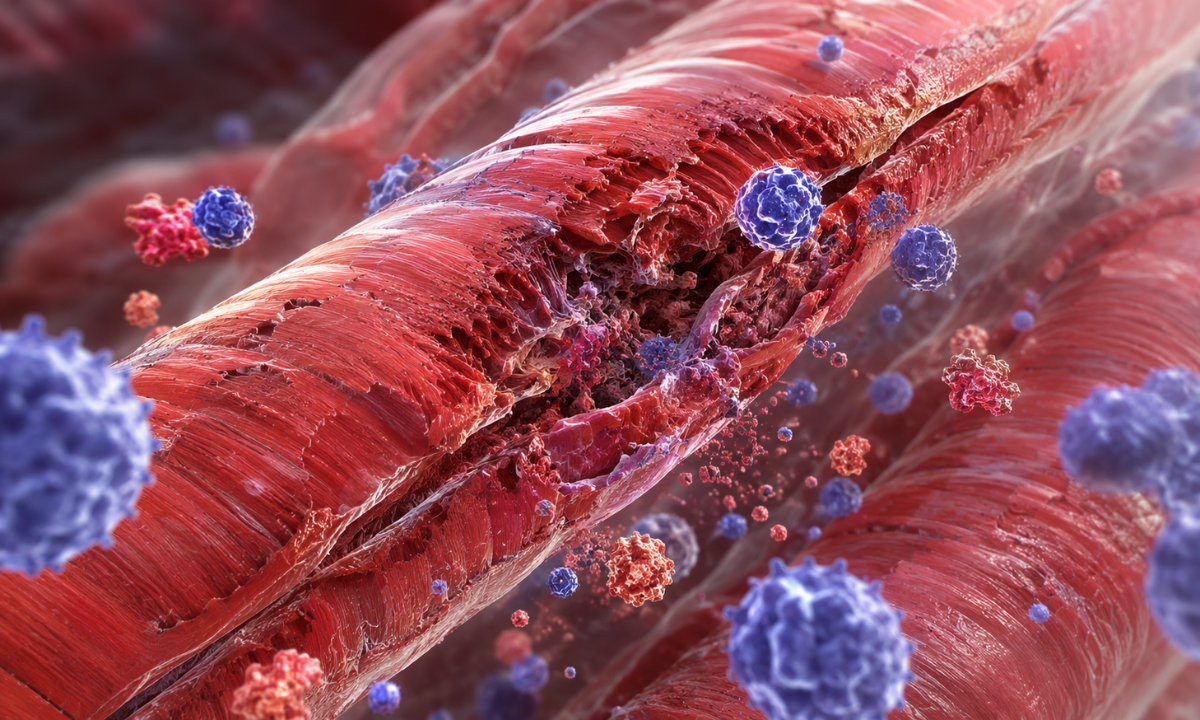
When a loved one experiences severe weight loss during illness, our first instinct is often to encourage them to eat larger meals or try protein supplements. While these efforts come from a place of deep care, standard dietary changes cannot stop the advanced cellular processes driving muscle wasting in cancer.
Unlike classic starvation, where the body safely burns its fat reserves while leaving skeletal muscle mostly intact, cachexia behaves as an aggressive hyper-metabolic state that targets the body’s structural foundations.
The Molecular Imbalance: Breakdown vs. Synthesis
Under healthy conditions, your body maintains a steady balance between building new muscle tissue and clearing out old proteins. Cachexia disrupts this equilibrium, accelerating muscle loss through a specific biochemical chain reaction:
- The Cytokine Surge: The presence of a tumor prompts the immune system to release high levels of pro-inflammatory signals, such as Tumor Necrosis Factor-alpha (TNF-α) and Interleukin-6 (IL-6).
- The Proteasome Accelerator: These inflammatory chemicals act as an unwanted green light for a cellular clean-up mechanism known as the ubiquitin-proteasome system. This pathway mistakenly identifies healthy myofibrillar proteins the core building blocks of your skeletal muscles, as waste, systematically marking and breaking them down.
- Anabolic Resistance: At the exact moment muscle breakdown spikes, the body’s internal protein building engine slows down. The muscles lose their ability to properly absorb circulating amino acids, meaning even the most nutrient-dense foods cannot be effectively converted into new tissue.
The Clinical Reality: In standard starvation, a high-calorie diet can fully restore lost weight As the underlying metabolic pathways remain healthy. In cancer-induced cachexia, feeding alone cannot reverse the drop in mass As the cellular machinery responsible for processing nutrients is fundamentally altered by inflammation.
Understanding that this condition is a complex metabolic shift rather than a lack of willpower or simple changes in appetite helps take the emotional burden off families. Our multi-specialty teams combine advanced surgical methods to reduce overall tumor inflammation with gentle metabolic therapies, targeted medical nutrition, and active physical rehabilitation.
This full-circle approach works to slow down tissue breakdown at the cellular level, helping patients protect their physical strength and maintain a better quality of life throughout their care journey.
The Kidney and Chronic Illness Connection: Overlapping Metabolic Stresses
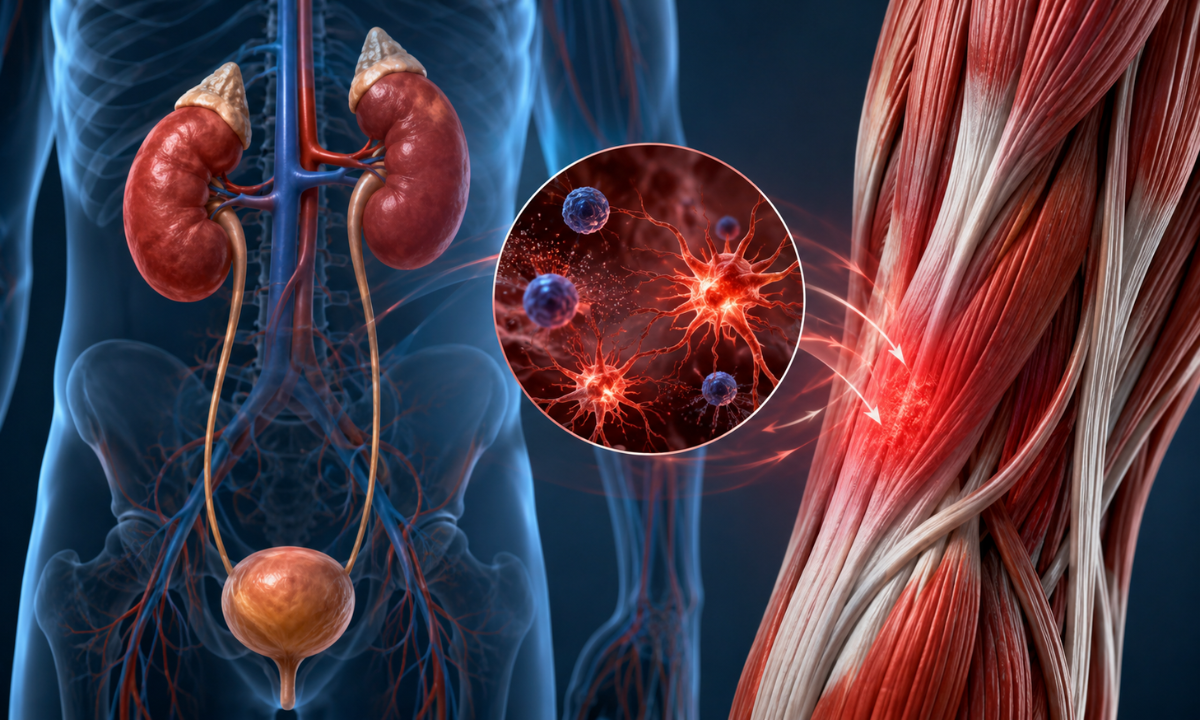
While cachexia is frequently discussed in the context of gastrointestinal or thoracic malignancies, it presents a unique and intricate challenge when intersected with urological cancers and renal impairment.
The human kidneys are responsible for far more than simple fluid filtration; they regulate core metabolic balances, manage waste elimination, and produce essential hormones that govern red blood cell production.
When cancer-induced inflammation is superimposed on compromised renal function, the physical depletion of the patient accelerates due to overlapping pathways of metabolic stress. Understanding the clinical nuances of cachexia in chronic kidney disease and advanced renal oncology is essential for developing a highly targeted, protective treatment plan.
The Dual Burden of Uremic Toxins and Inflammation
When a patient faces advanced bladder or kidney malignancies alongside declining renal function, the body experiences a compound metabolic insult:
- Uremic Toxin Accumulation: As the kidneys struggle to filter blood efficiently, metabolic waste products, specifically uremic toxins, begin to build up in the bloodstream. These circulating toxins directly irritate the mucosal lining of the stomach and alter taste receptors, causing severe, continuous nausea and a profound aversion to food.
- Amplified Hypercatabolism: The ongoing inflammation generated by a urological tumor combines with the metabolic stress of renal decline. This dual inflammatory state triggers an even faster breakdown of skeletal muscle tissue, leaving the body in a constant state of hypercatabolism (burning energy and tissue at an abnormally high rate)
Impaired kidneys produce significantly less erythropoietin (the hormone responsible for signaling the bone marrow to create red blood cells). The resulting severe anemia starves muscle tissues of necessary oxygen, compounding physical weakness and making physical rehabilitation much more difficult.
Tailoring Protective Care at the Renal Level
Managing tissue wasting when the kidneys are compromised requires an exceptionally delicate clinical touch. Standard nutritional interventions that rely on high-protein diets can inadvertently overload a weakened renal system, as processing large amounts of protein creates excess nitrogenous waste that the kidneys may struggle to filter.
Our multi-specialty approach ensures that patients facing urological malignancies receive highly specialized care. Our surgical oncologists work hand-in-hand with medical nutritionists and nephrologists to design precise metabolic plans.
We focus on introducing specific, high-biological-value amino acids that protect and rebuild skeletal muscle mass without placing unnecessary strain on kidney filtration pathways. By actively balancing renal function with metabolic support, we ensure your loved one’s body remains strong, resilient, and fully capable of continuing their specialized treatment path.
Understanding the Progression: The Three Clinical Stages
Cancer cachexia does not emerge overnight; rather, it develops along a clear physiological continuum. In advanced oncology, medical teams categorize this progression into three distinct Cancer cachexia stages.
Recognizing where a patient stands on this timeline, caregivers and specialists can move past a reactive approach and apply targeted metabolic treatments that match the body’s exact cellular needs.
The Continuum of Metabolic Wasting
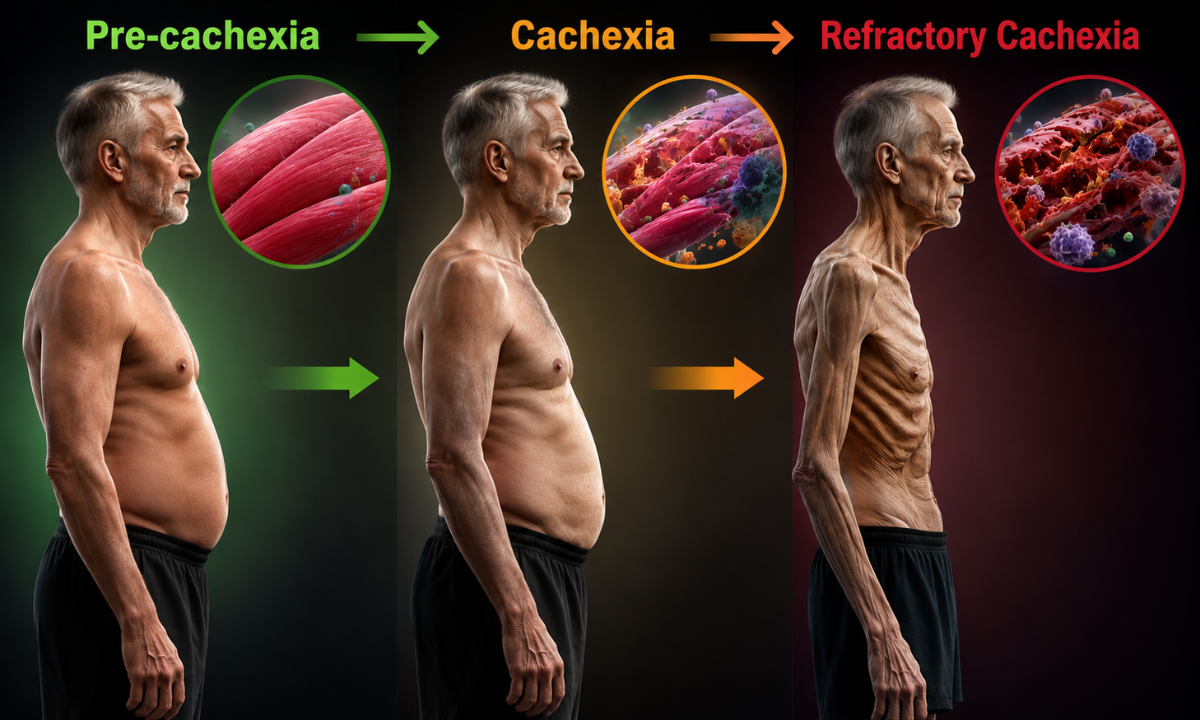
The condition moves through three core phases, each marked by specific tissue changes and clear diagnostic signs:
- Stage 1: Pre-Cachexia (The Early Window): During this initial phase, visible body changes remain minimal, with an overall weight loss of less than 5% of normal body weight. However, key metabolic shifts such as low-grade systemic inflammation and early appetite loss (anorexia) are already developing beneath the surface. Catching the condition during this stage offers the highest chance of success, as the cellular pathways responsible for building muscle are still highly responsive to targeted therapies and medical nutrition.
- Stage 2: Cachexia (The Active Phase): In this stage, weight loss exceeds 5% within six months, or drops more than 2% in individuals who already have a baseline Body Mass Index (BMI) below 20. The breakdown of skeletal muscle tissue becomes physically apparent, often accompanied by chronic fatigue, visible thinning around the arms and collarbones, and elevated blood markers for inflammation.
- Stage 3: Refractory Cachexia (The Advanced Challenge): This advanced stage occurs when the underlying cancer stops responding to standard tumor therapies, prompting a highly active, uncoupling catabolic state. Muscle wasting becomes severe, and the physical toll leaves the patient experiencing significant weakness and a low functional performance status.
The Power of Timely Interception: The transition between early pre-cachexia and active tissue wasting is often subtle. Families who monitor these shifts closely rather than waiting for severe, visible weight loss to occur give their medical team the best opportunity to introduce protective therapies that keep the body strong and resilient.
Our core philosophy of “healing with heart” drives us to closely monitor every patient’s nutritional and tissue health from their very first consultation. We do not wait for advanced physical thinning to become a barrier to treatment.
Identifying subtle metabolic warnings during the early pre-cachexia window, our multi-specialty teams can introduce gentle muscle-preserving therapies, customized physical rehabilitation, and supportive care.
This proactive strategy works to slow down tissue breakdown, protect your loved one’s physical strength, and ensure they can confidently continue their core recovery path.
Comprehensive Management of A Multimodal Treatment Blueprint

As metabolic wasting is a complex, multi-system syndrome rather than a simple eating disorder, successful clinical intervention cannot rely on a single medicine or simple nutritional changes. Our care framework moves past historical, single-focus methods to introduce an integrated, multi-tiered care plan. Combining gentle pharmaceutical care, structural muscle support, and specialized clinical counseling provides a comprehensive roadmap for active Cachexia treatment that stabilizes your loved one’s weight, protects their strength, and preserves their daily quality of life.
Tier 1: Clinical Modalities and Medical Support
Managing tissue breakdown at a cellular level requires a careful mix of modern medications, metabolic balancing, and targeted nutritional design:
| Diagnostic & Therapeutic Modality | How It Acts at the Cellular Level | Core Therapeutic Goal |
|---|---|---|
| Low-Dose Pharmacotherapy | Introduces carefully monitored, low-dose clinical agents (such as low-dose olanzapine or brief progesterone analogs) to gently balance brain chemistry signals. | Actively stimulates the natural appetite pathways and safely controls chronic, underlying treatment nausea. |
| Metabolic Inflammation Control | Utilizes targeted, high-biological-value nutrients (such as Omega-3 fatty acids/EPA exceeding 2 grams daily) to quiet the immune system’s stress responses. | Reduces the high levels of inflammatory cytokines that force the body to burn its own muscle tissue for fuel. |
| Advanced Muscle Preservers | Supplies specific amino acid metabolites (including HMB and branched-chain amino acids like leucine) that travel directly to the muscle fibers. | Shuts down active protein breakdown pathways while gently prompting the body to rebuild healthy lean mass. |
Tier 2: Everyday Care and Practical Coping Plans
Outside of the medical suite, the daily choices made at home play a massive role in keeping a patient comfortable and physically steady.
Effective cachexia management means adjusting day-to-day schedules to match the body’s natural energy patterns, reducing the physical strain of eating, and building muscle resilience through gentle, low-intensity activities:
| Everyday Management Pillar | Practical Home Steps for Caregivers | Intended Health and Comfort Benefit |
|---|---|---|
| Calorie-Dense Micro-Meals | Offer 6 to 8 small, nutrient-packed meals throughout the day rather than forcing 3 large, intimidating plates of food. | Prevents the sudden, uncomfortable fullness caused by delayed stomach clearing, making eating feel manageable. |
| Low-Resistance Physical Therapy | Encourage simple, guided movements like short indoor walks or light seated resistance band exercises during high-energy times. | Promotes healthy protein synthesis and helps prevent standard joint stiffness without overloading the heart or lungs. |
| Comprehensive Symptom Control | Actively manage minor discomforts like dry mouth, altered tastes, or mild digestive shifts with the help of your care team. | Eliminates the everyday physical barriers that make chewing, swallowing, and enjoying a meal feel difficult. |
Utilizing this multi-tiered clinical framework, families can feel confident that they are supporting their loved one from every angle. We understand that watching a family member lose their physical strength is an emotionally challenging experience.
That is why our dedicated oncologists, nutritionists, and physical therapists work hand-in-hand to build a customized support system. This full-circle approach treats the whole person, helping them maintain their physical independence and focus completely on a comfortable, steady path forward.
For a more technical overview of the latest international clinical updates on this topic, you can listen to this expert discussion on the ASCO Cancer Cachexia Rapid Update Podcast, which covers new pharmacological trial results.
Why Choose Dasappa Cancer Hospital for Comprehensive Care?
Navigating the metabolic complexities of tissue wasting requires a medical team that looks beyond the tumor to care for the entire person. Choosing a specialized institution that balances advanced surgical oncology with dedicated, full-circle supportive therapies can profoundly impact a patient’s treatment journey.
Recognized as the Best cancer hospital in Bangalore for compassionate, comprehensive care, Dasappa Cancer Hospital combines elite surgical precision with customized metabolic and emotional support to protect your loved one’s strength and dignity at every stage of their recovery.
Our integrated, patient-first care ecosystem stands apart through key clinical strengths:
- Veteran Surgical Leadership: Under the guidance of Dr. Pandu Dasappa, our surgical teams utilize advanced laparoscopic and minimally invasive techniques to treat underlying malignancies, effectively reducing systemic tumor inflammation while minimizing physical recovery times.
- Multidisciplinary Metabolic Teams: We don’t leave nutritional health to chance. Our dedicated oncologists, clinical nephrologists, and specialized dietitians work in unison to build precise, renal-safe nutritional plans that actively protect skeletal muscle mass.
- Healing with Heart Philosophy: We know that a serious diagnosis brings immense emotional vulnerability for the entire family. Our standout psychosocial support programs, dedicated counselors, and palliative care teams provide a gentle, continuous safety net for your family’s emotional peace of mind.
From low-resistance physical therapy sessions designed to prompt muscle recovery to specialized pain management protocols, we ensure that every aspect of your loved one’s daily comfort and independence is carefully maintained.
Conclusion
Living with progressive weight and muscle loss can feel overwhelming, but it is important to remember that these body changes are manageable metabolic shifts, not an unavoidable destination. By identifying these systemic warnings early and moving past simple dietary fixes, families can take proactive control of their recovery. Partnering with a dedicated, multi-specialty care team ensures that every cellular, nutritional, and emotional need is met with absolute medical precision and deep human empathy, keeping your loved one strong, comfortable, and fully supported every step of the way.