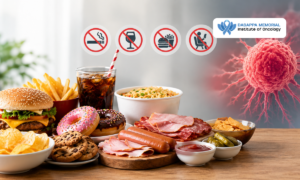
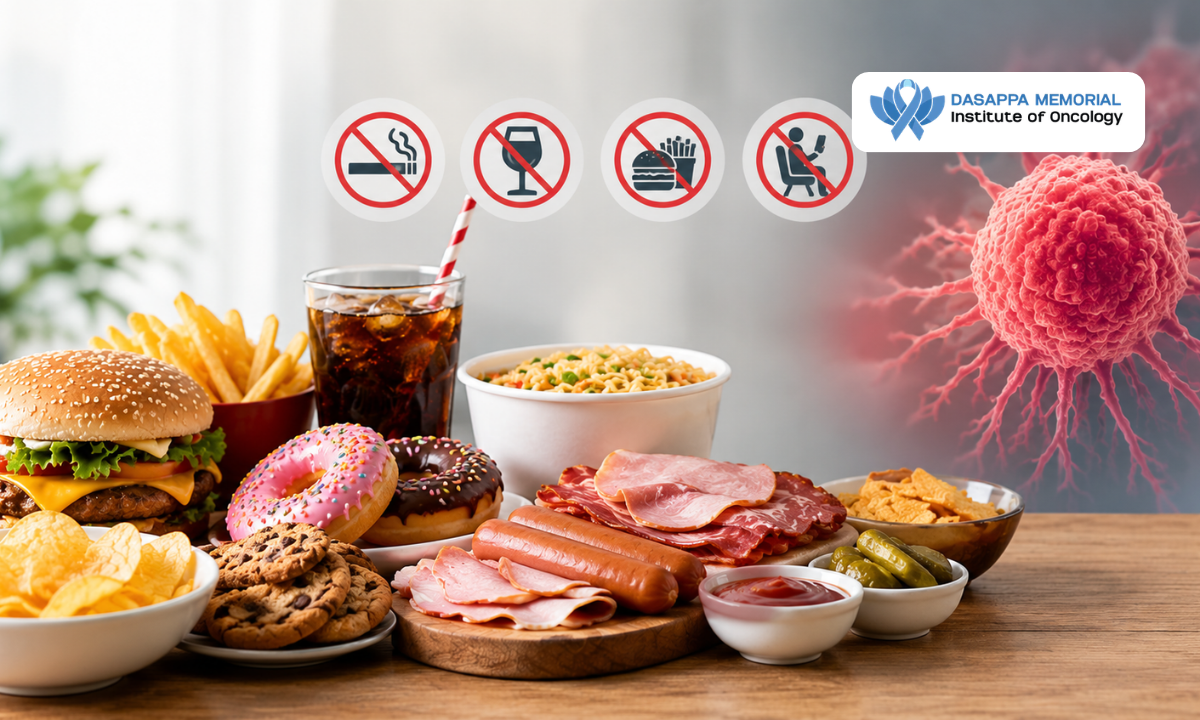
Cancer rarely has a single cause. Age, genetics, tobacco, infections, environmental exposures and lifestyle all play a part. Diet is one of the factors you can control, and research shows that some eating habits, repeated over many years, can raise the chance of certain cancers, including oral and throat cancers where early head and neck cancer treatment in Bangalore improves outcomes.
This guide explains the cancer causing foods to avoid or limit, based on the classifications of the International Agency for Research on Cancer (IARC), the cancer research arm of the World Health Organization, and other major scientific reviews. It also includes risks that are especially relevant in India, such as areca nut, salt-preserved pickles and grains stored in damp conditions. The aim is not to create fear about everyday meals, but to help you make informed choices.
Can Food Really Cause Cancer?
When a food is described as cancer-causing, it usually means that people who eat a lot of it, over a long period, develop certain cancers more often than people who do not. It does not mean that one sausage or one drink will cause cancer.
IARC sorts hazards into groups based on the strength of the evidence. Group 1 means there is convincing evidence that something causes cancer in humans. Group 2A means it probably does. These groups describe how certain the evidence is, not how large the risk is. Processed meat and tobacco are both in Group 1, for example, but smoking raises cancer risk far more than eating ham.
With that in mind, here are the foods that increase cancer risk most clearly, starting with the strongest evidence.
8 Foods and Eating Habits Linked to Cancer
1. Processed Meat
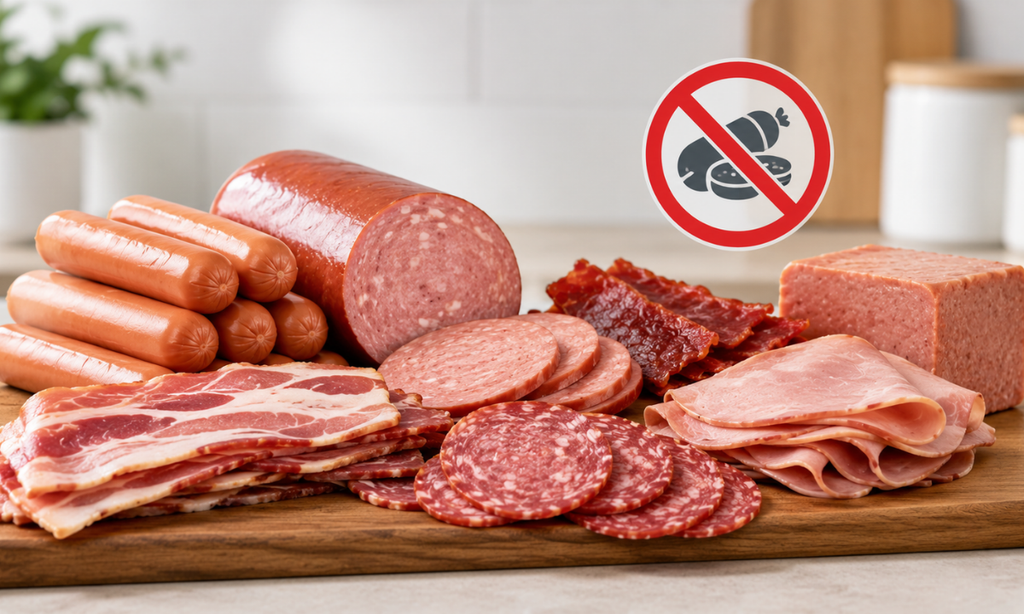
Processed meat includes sausages, salami, ham, bacon, hot dogs and some packaged cold cuts. It is meat that has been salted, cured, smoked or treated with preservatives to extend its shelf life.
IARC classifies processed meat as a Group 1 carcinogen. The link between processed meat and cancer risk is strongest for bowel (colorectal) cancer: eating about 50 g a day, roughly two slices of ham, raises the risk by around 18%. Compounds formed during curing and smoking, including N-nitroso compounds, are thought to damage the lining of the bowel.
What to do instead: treat processed meat as an occasional food. For everyday protein, choose dal, rajma, chana, eggs, paneer, fish or fresh chicken.
2. Too Much Red Meat
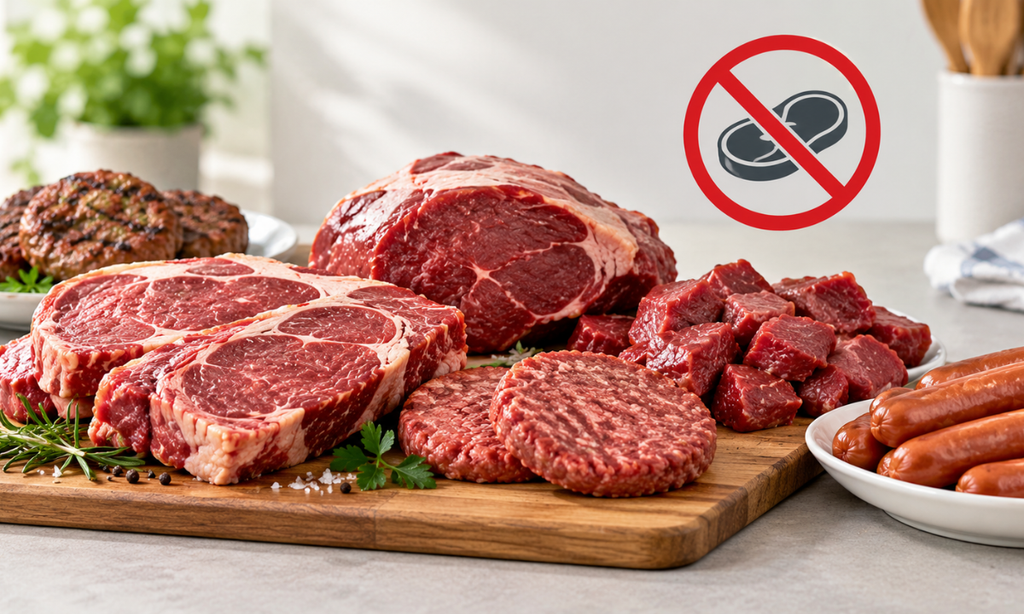
Red meat includes mutton, lamb, pork and beef. IARC classifies it as Group 2A, meaning it probably causes cancer, again mainly bowel cancer. The risk rises with the amount eaten.
Red meat is also a good source of protein, iron and vitamin B12, so the advice is moderation rather than avoidance. The World Cancer Research Fund suggests eating no more than about three portions a week, equal to 350 to 500 g of cooked meat.
What to do instead: build some meals around legumes and vegetables, and balance meat curries with plenty of vegetables and whole grains.
3. Alcohol
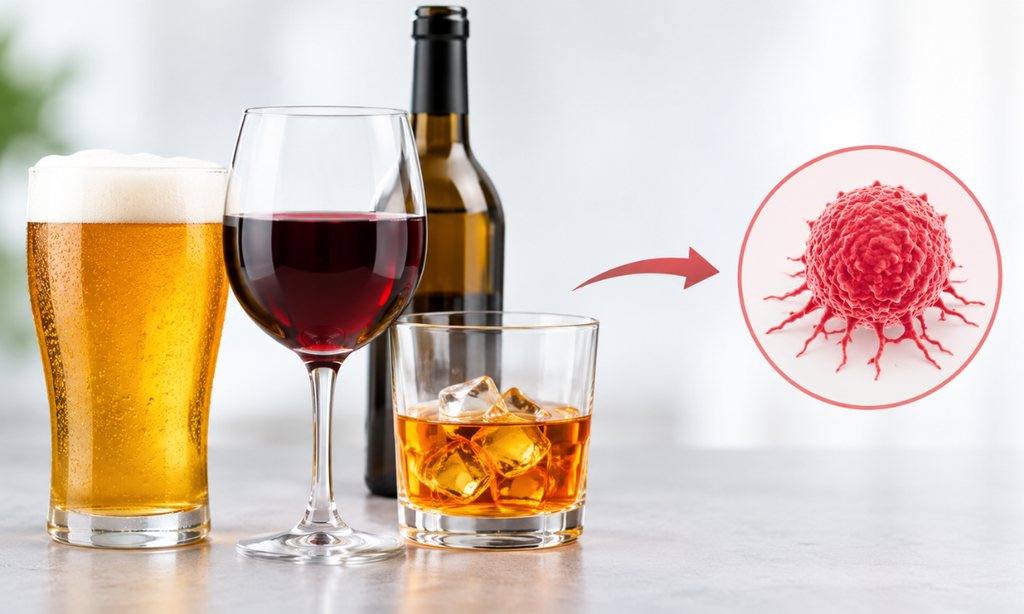
Alcohol is a Group 1 carcinogen. The evidence on alcohol and cancer risk covers at least seven cancers: mouth, throat, voice box, oesophagus, liver, breast and bowel. Alcohol breaks down in the body into acetaldehyde, a chemical that damages DNA.
The World Health Organization states that no level of drinking is safe for cancer risk. Risk rises with the amount consumed, and drinking together with smoking or chewing tobacco multiplies the risk of mouth and throat cancers.
What to do instead: the less you drink, the lower your risk. If you do drink, keep it occasional and avoid drinking while smoking.
4. Areca Nut (Supari) and Paan
Areca nut is chewed widely across India, on its own, in paan, in sweetened supari mixes and in many mouth fresheners. IARC classifies areca nut as a Group 1 carcinogen, even when it is chewed without tobacco.
Regular chewing is linked to oral submucous fibrosis, a condition that stiffens the inside of the mouth and can turn into oral cancer. India has one of the highest rates of oral cancer in the world, and areca nut and tobacco chewing are major reasons.
What to do instead: avoid areca nut products, including flavoured supari. Have any white or red patch, ulcer or stiffness in the mouth that lasts more than two weeks checked by a doctor.
5. Salt-Preserved and Very Salty Foods
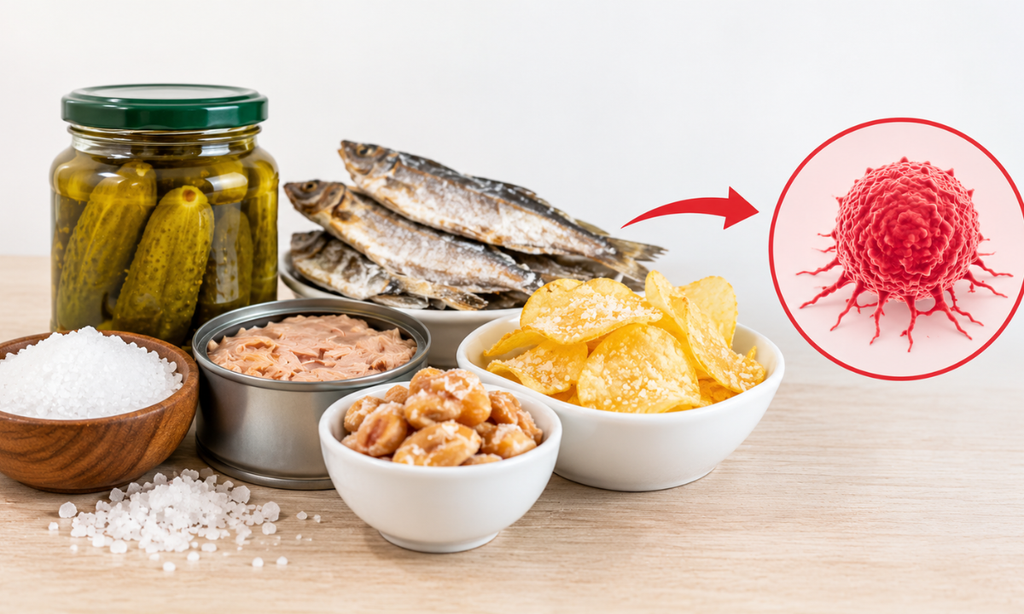
Foods preserved in large amounts of salt are linked to stomach cancer. In Indian kitchens this includes heavily salted pickles, papad, dried salted fish and some salted snacks. One traditional product, Chinese-style salted fish (fish salted and dried in a particular way that allows partial fermentation), is classified as a Group 1 carcinogen for nasopharyngeal cancer. This does not mean all salted fish carries the same risk.
High salt intake can damage the stomach lining and may make it easier for Helicobacter pylori, a common stomach infection, to cause harm.
What to do instead: enjoy pickles and papad in small amounts rather than with every meal, cook with less salt, and flavour food with herbs, lemon and spices.
6. Mouldy Grains, Groundnuts and Nuts
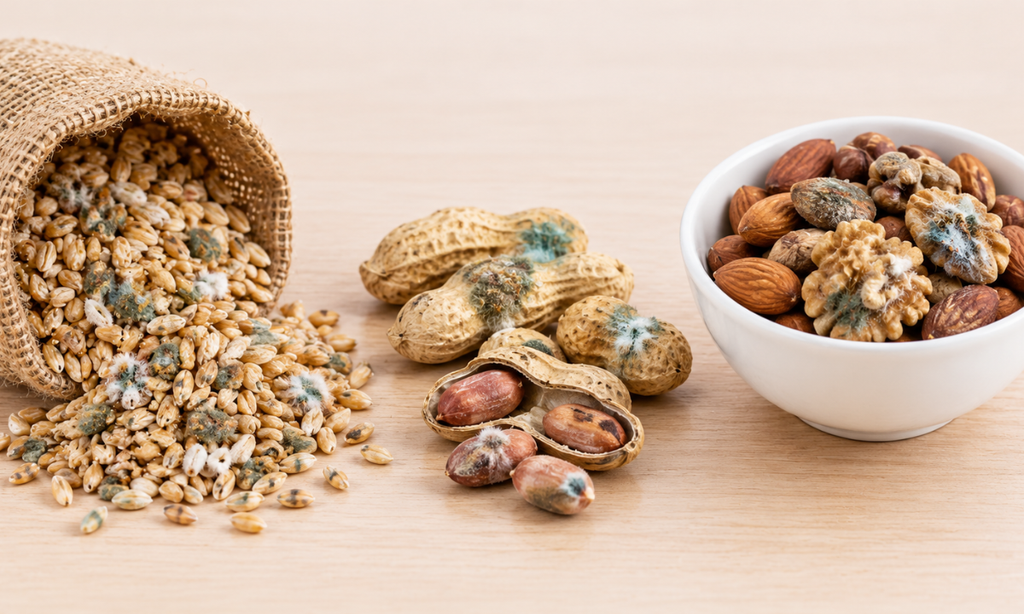
Groundnuts, maize, rice, other grains and dried chillies can grow moulds when stored in warm, damp conditions. Some of these moulds produce aflatoxin, a Group 1 carcinogen and a known cause of liver cancer. The risk is higher in people who also have hepatitis B infection.
What to do instead: buy grains and nuts from reliable sources, store them dry and airtight, and throw away anything that looks mouldy, smells musty or tastes bitter. Do not simply remove the visible mould and eat the rest.
7. Very Hot Drinks
Drinking beverages hotter than 65°C is classified as Group 2A for oesophageal cancer. The concern is the temperature, not tea or coffee themselves. Repeatedly scalding the lining of the food pipe may lead to damage over time.
What to do instead: let freshly made chai, coffee or soup cool for a few minutes before drinking.
8. Charred Food and Reused Frying Oil
Cooking meat at very high temperatures, such as on an open flame or tandoor until blackened, forms chemicals called heterocyclic amines and polycyclic aromatic hydrocarbons. These cause cancer in laboratory studies, although the evidence in humans is still limited.
Oil that is heated again and again, as often happens with street-side frying, also breaks down into harmful compounds. Indian food safety guidance advises against repeatedly reusing cooking oil.
What to do instead: steam, boil, bake or grill gently, trim burnt portions, and use fresh oil rather than oil that has been fried in many times.
What About Sugar and Ultra-Processed Foods?
Sugar does not feed cancer directly, and cutting sugar will not starve a tumour. The concern is indirect. Sugary drinks and frequent high-calorie snacks make weight gain more likely, and excess body weight is linked to at least 13 types of cancer, including bowel, breast after menopause, liver, kidney and womb cancer. Knowing the early warning signs of gynecologic cancers helps women act sooner.
Research on ultra-processed foods, such as packaged snacks, instant noodles and ready meals, is still developing. Some studies link high intake to higher cancer risk, but this has not been proven to be cause and effect. Choosing fresh, minimally processed food most of the time is a sensible approach.
Simple Swaps for Everyday Indian Meals
Small, steady changes are easier to keep up than strict rules. Try these swaps:
- Replace processed meat sandwiches with egg, paneer or chana fillings.
- Keep red meat to a few meals a week and fill the rest of the plate with vegetables.
- Swap sugary soft drinks for water, buttermilk or unsweetened lime water.
- Serve pickle as a small side rather than a main flavouring.
- Let hot chai cool before drinking.
- Store grains and groundnuts in dry, airtight containers.
- Use fresh oil and avoid blackening food when grilling.
When Should You See a Cancer Specialist?
Avoiding foods linked to cancer lowers risk, but diet is only one part of prevention. Not using tobacco, staying active, keeping a healthy weight and attending recommended screening, such as cervical cancer screening and HPV vaccination, are just as important.
Diet changes are not a way to investigate symptoms. See a doctor promptly if you notice a mouth ulcer or patch that does not heal, difficulty swallowing, persistent indigestion, a change in bowel habits, blood in your stool, unexplained weight loss, or persistent fatigue and weakness, which can be among the early signs of blood cancer. If you have a strong family history of cancer, ask about screening suited to your risk. The specialists at a cancer hospital in Bangalore can assess your symptoms and advise on the right tests. If you are unsure where to go, this guide on how to choose the right oncology care hospital can help.
Frequently Asked Questions
What are the main cancer-causing foods to avoid?
The strongest evidence is for processed meat, alcohol, areca nut, foods contaminated with aflatoxin and one specific type of traditionally prepared salted fish. Red meat, very hot drinks and salt-preserved foods are probable or likely risks.
Is burnt food dangerous to eat?
Occasionally eating lightly charred food is unlikely to cause harm. Frequently eating heavily blackened meat is best avoided.
Can sugar cause cancer?
Not directly. Excess sugar contributes to weight gain, and excess weight increases the risk of several cancers.
Can a healthy diet prevent cancer completely?
No diet can guarantee protection, but avoiding these foods and habits can lower your risk of several common cancers.
Schedule a Consultation at Dasappa Cancer Hospital
If you, a patient, or a family member is experiencing symptoms, contact our clinical oncology team in Bengaluru for an expert evaluation:
Hospital Location : Dasappa Memorial Institute of Oncology (Dasappa Cancer Hospital), No. 132, Gandhi Bazaar Main Road, Basavanagudi, Bengaluru, Karnataka 560078
Consultation Helpline : +91 80 2667 9294 / +91 98450 12345
Website : dasappacancerhospital.com
Services Available : Medical Oncology, Surgical Oncology, Day-Care Chemotherapy, Bone Marrow Diagnostics, Second Opinion Consultations.