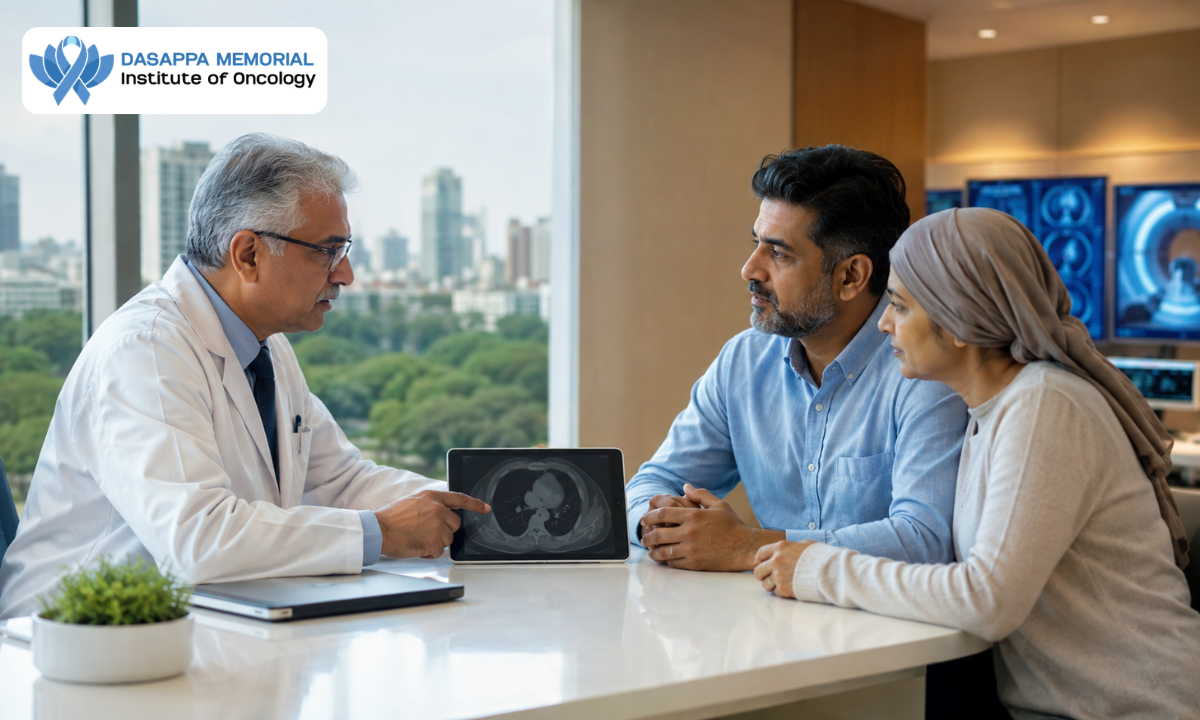
Receiving a cancer diagnosis is one of life’s most overwhelming moments, immediately raising critical questions about treatment options, recovery rates, and specialist expertise.
Selecting the right oncology care hospital is the single most important decision a patient and their family will make, as it directly shapes clinical outcomes, surgical precision, and emotional support throughout the healing process. At Dasappa Cancer Hospital, recognized as a premier Best Cancer Hospital in Bangalore, we combine 27+ years of surgical oncology leadership with ethical, compassionate care to ensure no patient navigates this journey alone.
In oncology, treatment is rarely a one-size-fits-all procedure. Whether managing early-stage localized tumors or complex, recurrent malignancies, modern cancer management requires a seamless blend of surgical resection, systemic medical therapies (chemotherapy, targeted therapy, and immunotherapy), precision radiation, and continuous supportive care.
Choosing a hospital that brings these core disciplines under one roof eliminates fragmented care, prevents treatment delays, and minimizes administrative burden during an already stressful time.
Key Evaluation Factors Covered in This Guide:
- Multidisciplinary Tumor Board Expertise: Why integrated input from surgical, medical, and radiation oncologists improves survival rates.
- Surgical Infrastructure & Organ Preservation: The importance of advanced modular OTs and experienced surgical leadership.
- Systemic Therapy & Day-Care Comfort: How dedicated chemotherapy units and 24/7 ICU backing ensure safety during infusions.
- Holistic Supportive Care: Managing side effects, nutrition, pain, and emotional well-being from diagnosis through recovery.
- Financial Clarity & Cashless Approvals: Navigating TPA insurance coverage and transparent pricing without unexpected costs.
Founded by Dr. Pandu Dasappa, a renowned Senior Surgical Oncologist with over 27 years of clinical excellence, Dasappa Cancer Hospital in Basavanagudi was built on a commitment to make world-class, ethical cancer care accessible and patient-centered.
Evaluating hospitals through a clear, evidence-based lens, patients and caregivers can make empowered decisions that prioritize safety, clinical precision, and long-term quality of life.
Medical Disclaimer
The clinical information, procedural guides, and healthcare insights provided in this publication are intended strictly for educational and public health awareness purposes. This content does not constitute formal medical advice, clinical diagnosis, or a personalized treatment recommendation. Every cancer diagnosis requires an individualized evaluation by a qualified surgical or medical oncologist based on comprehensive diagnostic staging. Always consult a certified healthcare professional regarding your specific health condition and treatment plan. Never delay seeking professional medical evaluation based on the general information provided in this article.
The Role of Multidisciplinary Tumor Boards & Doctor Continuity
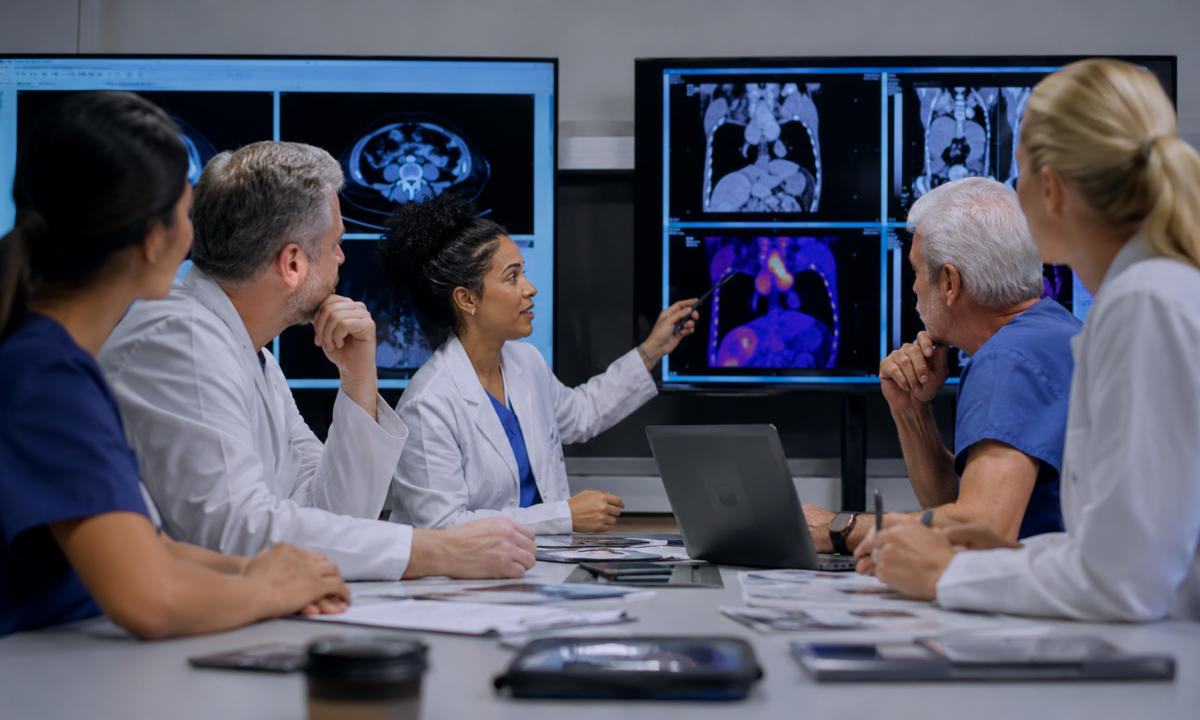
Cancer is a highly complex, multi-system disease that rarely yields to a single form of treatment. A patient’s optimal treatment roadmap depends on a carefully coordinated strategy combining surgical resection, systemic drug therapies, targeted radiation, and precise pathological grading.
This is why evaluating a hospital’s clinical decision-making model, specifically its reliance on a multidisciplinary cancer team, is essential when choosing a treatment center.
How Multidisciplinary Tumor Boards Improve Survival Outcomes
A Tumor Board brings together key sub-specialists to review a patient’s diagnostic scans, biopsy reports, and medical history in a collaborative setting. Rather than relying on isolated opinions, this integrated review ensures that every clinical decision aligns with global NCCN guidelines.
- Surgical Oncology Perspective: Determines tumor resectability, evaluates organ-preservation feasibility, and plans surgical margins.
- Medical Oncology Expertise: Selects the most effective systemic agents, such as neo-adjuvant chemotherapy to shrink tumors before surgery, or targeted immunotherapy based on genetic biomarkers.
- Radiation & Pathological Precision: Pinpoints exact anatomical targets for localized radiation and verifies margins, lymph node involvement, and receptor status (e.g., ER/PR/HER2 in breast cancer).
The Power of Direct Senior Specialist Continuity
While multi-doctor reviews establish the overarching roadmap, execution requires strong clinical leadership. In large corporate facilities, patients often get passed between rotating junior doctors, leading to fragmented communication and added anxiety.
The Value of Specialist Oversight: Having a lead surgeon and dedicated oncology specialists personally guide a patient from initial consultation through surgery, day-care chemotherapy, and long-term follow-up builds trust, ensures accountability, and allows for immediate adjustments if clinical variables shift.
Founder and chief surgeon at Dasappa Cancer Hospital, Dr. Pandu Dasappa (MCh Surgical Oncology, 27+ years experience) personally directs treatment planning alongside a dedicated multidisciplinary team. This ensures every patient receives direct senior doctor oversight at every stage of their recovery.
Diagnostic Precision & Advanced Surgical Infrastructure
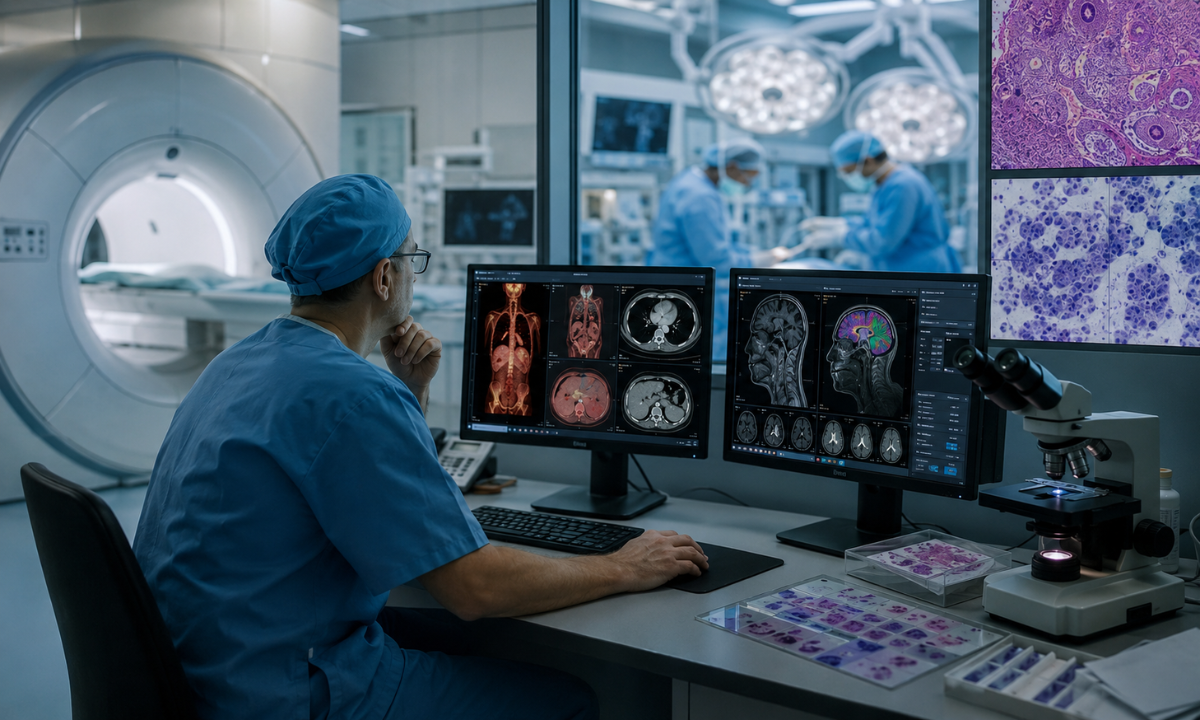
Accurate diagnosis and precise surgical execution form the dual bedrock of successful cancer management. When choosing a cancer hospital, evaluating the facility’s diagnostic capabilities and surgical infrastructure is critical.
A delay in identifying micro-metastases or an imprecise surgical margin can compromise an otherwise effective treatment plan. Modern surgical oncology aims not merely to resect malignant tissue, but to preserve organ function, minimize recovery times, and optimize overall quality of life.
High-Precision Diagnostics: The Foundation of Accurate Staging
Effective oncological intervention relies on determining the exact anatomical spread, histological grade, and biomarker profile of a tumor before making a single incision. Premier cancer institutions integrate advanced diagnostic technologies directly into their clinical workflow:
- Advanced Cross-Sectional Imaging: High-resolution CT, 3T MRI, and PET-CT imaging map tumor boundaries, assess vascular involvement, and detect distant metastases with millimeter precision.
- Histopathology & Molecular Biomarker Testing: Specialist pathology labs evaluate biopsy specimens for immunohistochemistry (IHC) markers (such as ER, PR, HER2, and PD-L1) to guide targeted medical therapies.
- Intraoperative Frozen Section Analysis: Real-time tissue evaluation during surgery allows pathologists to examine resected margins while the patient is still on the operating table, confirming complete tumor removal before wound closure.
Utilizing rapid, high-precision diagnostics, surgical teams can eliminate guesswork and tailor operative approaches to the exact anatomical footprint of the disease. This ensures that treatment begins without costly delays, preventing early-stage localized tumors from advancing to higher stages while the patient awaits staging reports.
State-of-the-Art Surgical Oncology & Organ Preservation
Surgery remains the primary curative modality for most solid tumors.
However, modern surgical techniques have evolved far beyond radical, debilitating resections. Today, advanced cancer treatment prioritizes organ-preserving techniques that eradicate the disease while maintaining physical function, appearance, and dignity:
- Modular Operating Theaters: Ultra-clean operating environments equipped with HEPA filtration, laminar airflow, and positive pressure systems drastically reduce the risk of post-operative surgical site infections.
- Breast-Conserving Surgery (BCS) & Oncoplasty: Complete tumor removal combined with plastic reconstructive techniques allows women to preserve their natural breast contour without compromising oncological safety.
- Sphincter-Saving Colorectal Resections: Advanced pelvic surgical procedures preserve bowel control and sphincter function in low rectal cancers, avoiding permanent colostomies wherever clinically feasible.
- Minimally Invasive & Laparoscopic Resections: Small-incision procedures lower operative blood loss, decrease post-surgical pain, and accelerate recovery, allowing patients to transition to adjuvant systemic therapies much sooner.
These sophisticated surgical approaches require exceptional technical skill and specialized equipment. Achieving complete tumor eradication while safeguarding healthy surrounding nerve clusters and blood vessels demands a surgical team with extensive experience in high-volume, complex resections.
Surgical Leadership at Dasappa Cancer Hospital: Equipped with state-of-the-art modular operating theaters and led by senior surgical oncologist Dr. Pandu Dasappa (27+ years of clinical excellence), our surgical department specializes in complex head and neck, gastrointestinal, gynecological, and breast-conserving resections designed to maximize survival while protecting long-term organ function.
Comprehensive Systemic Therapies & Day-Care Facilities
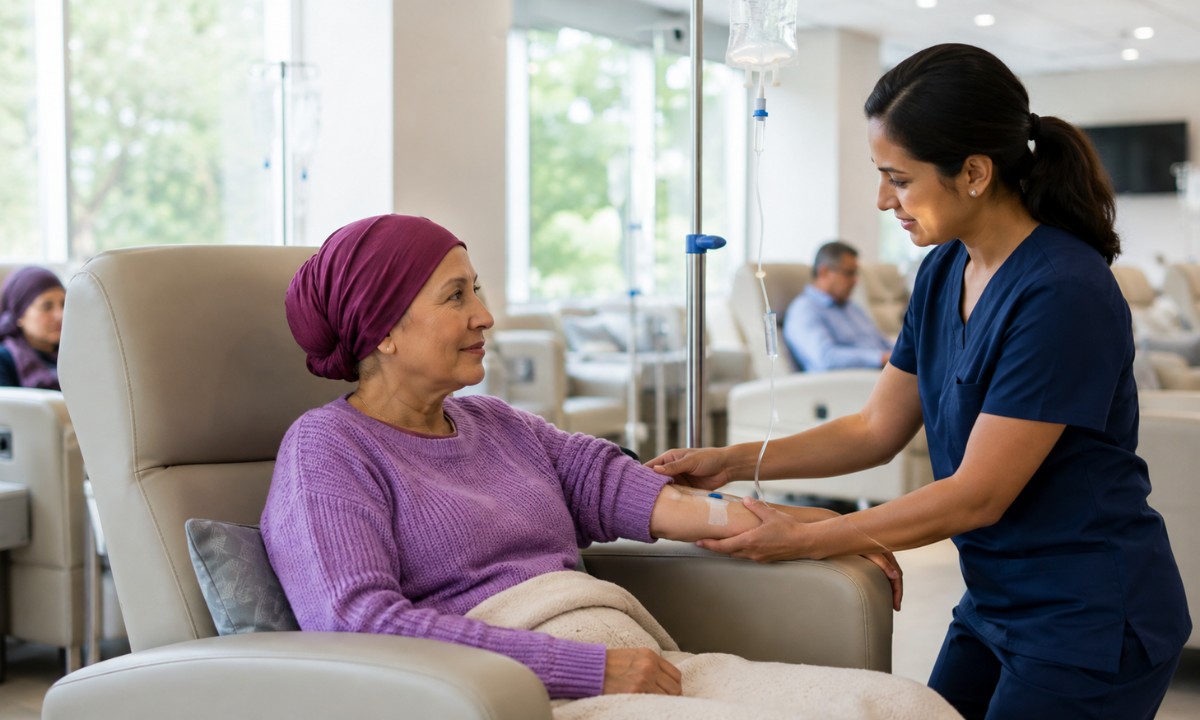
Systemic therapies form the second pillar of modern oncological care, targeting malignant cells throughout the circulating bloodstream and lymph system.
A premier cancer care centre provides a broad spectrum of advanced drug therapies alongside dedicated outpatient infusion infrastructure. This ensures that systemic treatments are administered with maximal therapeutic impact, minimal disruption to daily life, and strict safety protocols.
The Spectrum of Modern Systemic Oncology Services
Systemic cancer treatment has evolved far beyond conventional broad-spectrum chemotherapy. Modern therapeutic regimens are heavily personalized based on molecular profiling, receptor status, and genetic sequencing:
| Systemic Modality | Primary Mechanism of Action | Clinical Application | Key Patient Benefit |
|---|---|---|---|
| Targeted Therapy | Blocks specific proteins or genetic mutations driving tumor growth (e.g., EGFR, HER2, ALK). | Solid tumors (breast, lung, colorectal) with confirmed biomarker expression. | High specificity with significantly reduced damage to healthy non-cancerous cells. |
| Immunotherapy | Unmasks cancer cells so the body’s natural immune system (T-cells) can recognize and destroy them. | Advanced or metastatic cancers (melanoma, lung, kidney, bladder). | Long-term durable response and potential for sustained remission. |
| Cytotoxic Chemotherapy | Destroys rapidly dividing cells by disrupting their DNA replication cycle. | Neo-adjuvant (pre-surgery), adjuvant (post-surgery), and palliative disease control. | Proven systemic eradication of circulating micro-metastases. |
| Hormonal Therapy | Blocks hormone production or prevents hormones from binding to cancer receptors. | Hormone-receptor-positive breast and prostate cancers. | Non-invasive, long-term oral or injectable disease suppression. |
Offering these comprehensive oncology services, specialized hospitals tailor drug protocols to each patient’s exact biological profile. This precision approach maximizes tumor response while minimizing systemic toxicity, ensuring patients maintain their strength and quality of life throughout treatment.
Specialized Day-Care Chemo Units vs. Inpatient Stays
Administering chemotherapy and systemic biologicals requires specialized infrastructure designed around patient safety, infection control, and comfort. The shift toward dedicated day-care chemo wards allows most patients to receive their infusions comfortably and return home on the same day:
| Infrastructure Feature | Standard General Hospital Stay | Dedicated Day-Care Oncology Unit | Clinical & Comfort Impact |
|---|---|---|---|
| Infusion Environment | Shared a general medical ward with mixed infectious cases. | Dedicated, infection-controlled infusion bays with ergonomic recliner seats. | Drastically lowers exposure risk to opportunistic infections for immunocompromised patients. |
| Nursing Specialization | General floor nursing staff with varied clinical responsibilities. | Certified oncology nurses trained exclusively in chemotherapy handling and extravasation safety. | Ensures precise IV access, proper pre-medication dosing, and immediate management of adverse reactions. |
| Preparation Standards | Standard medication preparation in a general pharmacy. | Class II Laminar Air Flow biosafety cabinets for sterile drug reconstitution. | Guarantees absolute sterility and accurate weight-based drug concentration. |
| Emergency Backing | Delayed escalation via standard hospital call bells. | Direct integration with 24/7 ICU, emergency care, and resident oncologists. | Provides rapid intervention for sudden hypersensitivity or infusion-related reactions. |
Having a dedicated day-care unit supported by an on-site Intensive Care Unit ensures that every infusion is delivered under rigorous safety standards.
Patients benefit from calm, comfortable surroundings, individualized nursing care, and the reassurance that emergency medical support is immediately available if needed.
Systemic Care at Dasappa Cancer Hospital: Our 75+-bed hospital in Basavanagudi features a state-of-the-art chemotherapy day-care center equipped with ergonomic infusion chairs, bio-sterile drug preparation cabinets, and dedicated oncology nursing staff. Backed by a 24/7 ICU and on-call medical oncologists, we provide safe, compassionate, and comfortable systemic treatment for all cancer types.
Patient-Centric Support, Financial Transparency & Cashless Care

Treating cancer involves far more than eradicating tumor cells; it requires supporting the patient’s physical strength, emotional well-being, and financial stability throughout a demanding treatment process.
A leading Cancer Treatment Hospital in Bangalore understands that comprehensive oncology care must address pain relief, nutrition, mental health, and administrative clarity alongside clinical interventions.
Holistic Supportive Services: Treating the Whole Person
Cancer therapies can take a significant physical and psychological toll. High-quality hospitals integrate dedicated supportive care services directly into the patient’s treatment plan:
- Onco-Nutrition & Dietary Planning: Tailored meal plans combat treatment-induced nausea, taste changes, and weight loss, helping patients maintain immune strength and muscle mass during chemotherapy.
- Pain & Palliative Management: Specialized pain management specialists utilize evidence-based protocols to control cancer-related discomfort, ensuring dignity and physical comfort at every stage of disease.
- Psycho-Oncology & Counseling: Professional counseling services help patients and their families navigate anxiety, fear, and emotional fatigue, fostering resilience throughout recovery.
- Post-Surgical Rehabilitation: Dedicated physical therapy helps patients regain mobility, manage lymphedema after lymph node dissection, and restore physical function following major resections.
Combining clinical treatments with these essential support services, hospitals help patients tolerate therapy better, suffer fewer complications, and maintain a higher overall quality of life.
Financial Transparency & Cashless TPA Insurance Navigation
The financial stress of long-term cancer care can weigh heavily on families. Evaluating a hospital’s administrative transparency and insurance processing capabilities is just as vital as reviewing its medical technology:
| Financial Evaluation Aspect | Standard Hospital Bottleneck | Transparent Patient-First Approach |
|---|---|---|
| Cost Estimation | Vague, open-ended quotes with unexpected charges for ICU care or surgical consumables. | Detailed, itemized pre-treatment estimates outlining surgical, medical, and room charges upfront. |
| TPA & Insurance Approvals | Slow, manual paperwork submission leading to treatment delays or heavy out-of-pocket deposits. | Dedicated helpdesk managing fast-track cashless pre-authorization with major TPAs and insurance providers. |
| Counseling & Financial Options | Rigid payment terms without guidance on generic medication options or economical bed tiers. | Empathetic financial counseling offering clear choices on day-care vs. inpatient bed categories. |
Having a dedicated insurance help desk that actively manages TPA approvals allows families to focus their energy entirely on healing rather than chasing administrative paperwork during critical care windows.
Patient-Centric Care at Dasappa Cancer Hospital: Located in Basavanagudi, our 75+-bed hospital combines ethical medical pricing with comprehensive supportive services. Our on-site insurance desk works with major TPAs and health insurance providers to ensure smooth, cashless admissions, giving families total clarity and confidence.
Why Choose Dasappa Cancer Hospital for Your Oncology Care?
Selecting the right hospital for cancer treatment is a decision that impacts not only clinical outcomes but also the overall experience for patients and their families. Located in the heart of Basavanagudi, Dasappa Cancer Hospital (Dasappa Memorial Institute of Oncology) combines advanced surgical precision, modern systemic therapies, and compassionate supportive care in a trusted, patient-centric environment.
Every treatment plan is guided by senior surgical leadership, evidence-based protocols, and a commitment to patient well-being:
- Direct Senior Surgical Leadership: Led by Dr. Pandu Dasappa (MCh Surgical Oncology), offering over 27 years of clinical excellence in complex resections, organ-preserving surgeries, and multi-organ oncological procedures.
- Comprehensive Care Under One Roof: Full-service capabilities spanning surgical oncology, medical oncology (chemotherapy, targeted therapy, immunotherapy), diagnostic pathology, and radiation planning without multi-hospital coordination friction.
- 75+ Bed Advanced Infrastructure: State-of-the-art modular operating theaters, a dedicated chemotherapy day-care unit, and 24/7 ICU backing ensure immediate emergency management and round-the-clock patient safety.
- Holistic Patient Support: Integrated pain management, dietary counseling, psycho-oncology support, and post-operative rehabilitation help patients maintain strength and comfort throughout their treatment journey.
- Transparent Pricing & Cashless TPA Approvals: Ethical financial counseling paired with an active on-site insurance desk to facilitate hassle-free cashless pre-authorizations with leading insurance providers.
Pairing clinical expertise with empathetic, personalized care, our team ensures that every patient receives a clear, well-coordinated, and supportive treatment path.
Conclusion
Choosing the right oncology care hospital is the crucial first step toward recovery and long-term health. By prioritizing multidisciplinary tumor boards, senior doctor continuity, advanced surgical infrastructure, and comprehensive supportive care, families can navigate treatment with clarity and confidence. At Dasappa Cancer Hospital, our mission is to provide world-class, ethical, and compassionate cancer care, empowering patients to face diagnosis with hope and strength.
Contact Dasappa Cancer Hospital & Schedule a Consultation
Take the next step in your care journey by connecting with our senior oncology team in Basavanagudi:
- Address: 51/2, Vani Vilas Road, Opposite to National College, Gandhi Bazaar, Basavanagudi, Bengaluru, Karnataka – 560004
- Phone: +91 88841 66664
- Email: docpandu@gmail.com
Website: dasappacancerhospital.com