Lung cancer is one of the leading causes of cancer-related illness worldwide. However, advances in medical technology, diagnostic imaging, and cancer treatments have expanded the options available to patients. Understanding the journey from diagnosis to recovery can help patients and their families make informed decisions and feel more confident throughout treatment.
At a cancer hospital in Bangalore, patients can explore cancer care information and seek guidance on the next steps in their treatment journey. From recognizing early symptoms to managing side effects and attending follow-up appointments, every stage plays an important role in lung cancer care.
1. Understanding Lung Cancer
Lung cancer develops when abnormal cells in the lungs grow uncontrollably and form a tumor. In some cases, these cells can spread to nearby lymph nodes or other organs.
There are two main types of lung cancer:
- Non-small cell lung cancer (NSCLC): The most common type, including adenocarcinoma and squamous cell carcinoma.
- Small cell lung cancer (SCLC): A less common type that can grow and spread rapidly.
Smoking is a major risk factor, but lung cancer in non-smokers is also possible. Other risk factors include second-hand smoke, air pollution, radon exposure, occupational exposure to harmful substances, and family history.
Understanding these risks and recognizing potential symptoms can encourage timely medical evaluation.
2. Recognizing the Early Symptoms
Lung cancer may not cause noticeable symptoms during its early stages. When lung cancer symptoms appear, they can resemble those of common respiratory conditions.
Common warning signs include:
- A persistent or worsening cough
- Coughing up blood
- Chest pain or discomfort
- Shortness of breath
- Repeated respiratory infections
- Unexplained weight loss
- Persistent fatigue or weakness
- Hoarseness or changes in voice
These symptoms do not always indicate cancer, but persistent or worsening symptoms should be evaluated by a healthcare professional. Coughing up blood or experiencing severe breathing difficulties requires prompt medical attention.
Early medical assessment can help identify the cause and determine whether further investigations are necessary.
3. Diagnosis: The Role of Medical Tests
When lung cancer is suspected, doctors review the patient’s medical history, symptoms, and risk factors before recommending appropriate investigations.
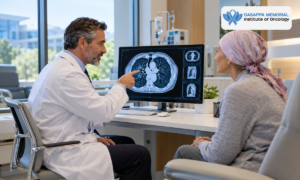
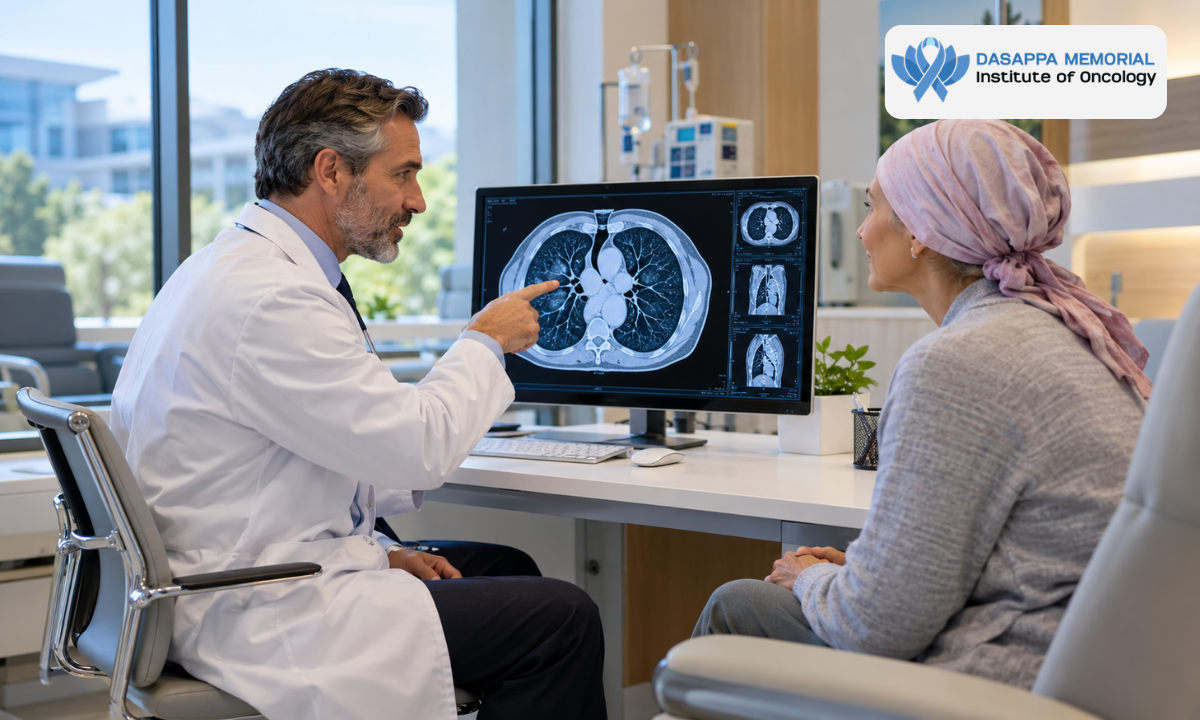
A chest X-ray or CT scan may be used to identify suspicious abnormalities in the lungs. Further tests help determine the nature of the abnormality and whether cancer has spread.
PET-CT scan and other imaging tests
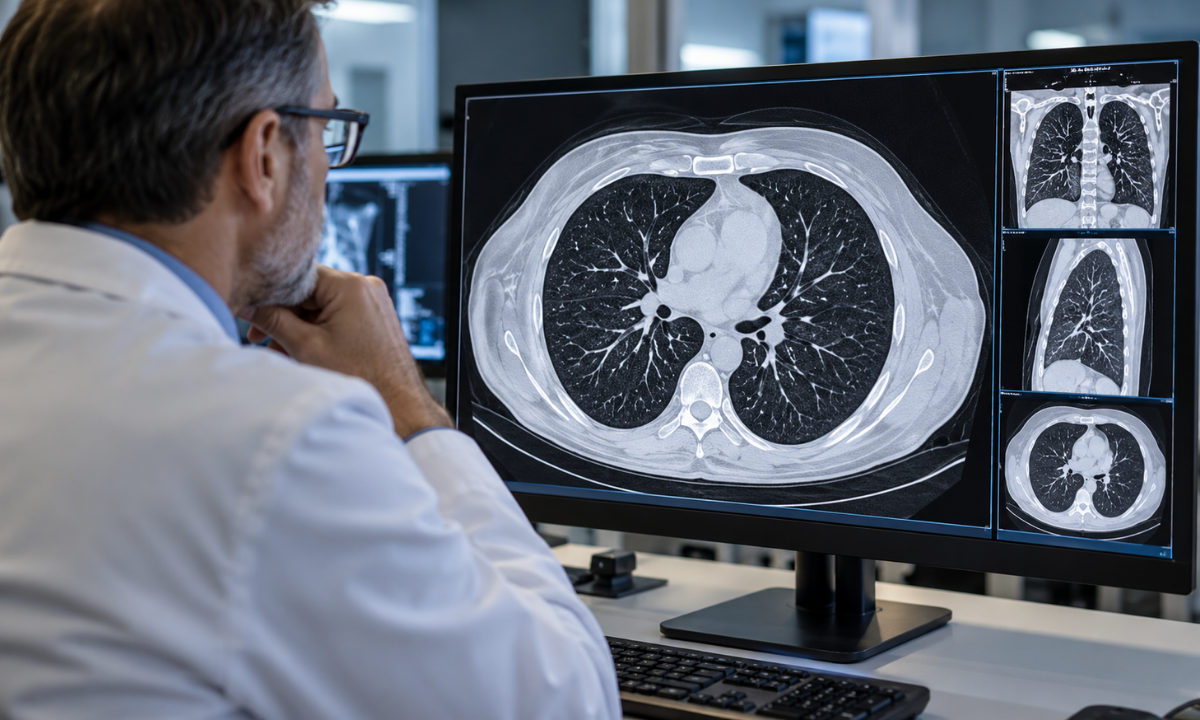
A PET-CT scan combines positron emission tomography (PET) with computed tomography (CT) to provide information about metabolic activity and the body’s internal structures. It can help doctors assess the extent of cancer and plan appropriate treatment.
Patients looking for advanced diagnostic imaging can explore a PET CT scan in Bangalore, when recommended by their treating doctor.
Other investigations may include MRI scans, particularly when doctors need to examine specific areas such as the brain.
Biopsy and laboratory testing
A biopsy involves collecting tissue or cells for examination under a microscope. Depending on the tumor’s location, doctors may recommend bronchoscopy or a needle biopsy.
Pathology testing confirms the cancer type. Molecular testing may also identify specific genetic changes that could help determine whether targeted therapy or immunotherapy is appropriate.
Accurate diagnosis is essential for selecting the most suitable treatment. Learn more about the lung cancer diagnosis journey.
4. Understanding Lung Cancer Stages
Staging helps doctors determine the extent of the disease and develop an individualized treatment plan.
For non-small cell lung cancer, stages generally range from Stage I to Stage IV:
- Stage I: Cancer is relatively localized to the lung.
- Stage II: Cancer may involve a larger tumor or nearby lymph nodes.
- Stage III: Cancer may affect more extensive nearby lymph nodes or surrounding structures.
- Stage IV: Cancer has spread to distant areas or organs, or meets other criteria for advanced disease.
Small cell lung cancer is often classified as limited-stage or extensive-stage disease.
The stage, cancer type, molecular characteristics, and patient’s overall health all influence treatment recommendations.
5. Exploring Lung Cancer Treatment Options

Lung cancer treatment varies from patient to patient. A multidisciplinary team may include medical oncologists, radiation oncologists, thoracic surgeons, radiologists, and pathologists.
Surgery
Surgery may be recommended for selected patients with localized lung cancer. Depending on the tumor’s size and location, surgeons may remove a small portion of the lung, a lobe, or, in certain cases, an entire lung.
Recovery may involve breathing exercises, pain management, and gradual physical rehabilitation.
Chemotherapy
Chemotherapy uses medicines to destroy cancer cells or slow their growth. It may be recommended before surgery, after surgery, or for advanced disease.
Side effects can include fatigue, nausea, appetite changes, and reduced blood cell counts. Supportive medication and regular monitoring help manage these effects.
Radiation therapy
Radiation therapy uses high-energy radiation to target cancer cells. It may be used as a primary treatment, combined with chemotherapy, or to relieve symptoms in selected patients.
Targeted therapy and immunotherapy
Targeted therapy works against specific molecular changes in cancer cells. Immunotherapy helps the immune system recognize and attack cancer cells.
These treatments are suitable for certain patients depending on cancer type, stage, biomarker results, and other clinical factors. Doctors will explain potential benefits, risks, and alternatives before treatment begins.
6. Managing Side Effects During Treatment

Cancer treatment can affect physical and emotional well-being. Common challenges include fatigue, nausea, reduced appetite, pain, and sleep difficulties.
Patients can support their well-being by:
- Following the prescribed treatment plan.
- Eating balanced meals and maintaining hydration when medically appropriate.
- Getting sufficient rest and undertaking suitable physical activity.
- Reporting new or worsening symptoms to their healthcare team.
- Seeking emotional support from family members or qualified counsellors.
Fever during cancer treatment, coughing up blood, sudden chest pain, or severe breathing difficulties may require urgent medical attention. Patients should follow their treating team’s emergency instructions.
Stopping smoking, with professional support when necessary, can also benefit overall health.
Recovery and Rehabilitation

Recovery depends on the cancer stage, treatment received, and individual health. Some patients need rehabilitation after surgery, while others require ongoing support during or after systemic treatment.
Recovery plans may include breathing exercises, pulmonary rehabilitation, nutritional support, gentle exercise, and fatigue management.
Patients should increase their activity gradually and follow medical advice. No particular diet or supplement can replace evidence-based cancer treatment, and supplements should be discussed with the treating doctor to avoid possible interactions.
Emotional recovery is equally important. Support groups, counselling, and conversations with loved ones can help patients manage anxiety and adjust to changes in daily life.
Follow-Up Care and Long-Term Monitoring
Follow-up appointments remain important after initial treatment. They allow doctors to assess recovery, monitor side effects, and check for signs of recurrence.
Depending on the patient’s condition, follow-up care may include physical examinations, CT scans, and other investigations when indicated to monitor treatment response, detect potential recurrence, and support ongoing recovery.
Patients should attend scheduled appointments and report persistent or unusual symptoms promptly. Maintaining a healthy lifestyle, avoiding tobacco, and managing other health conditions can also support long-term well-being.
Conclusion
The lung cancer treatment journey involves several important stages, from recognizing symptoms and completing diagnostic tests to selecting treatment, managing side effects, and attending follow-up appointments.
Advances in diagnostic imaging, surgery, radiation therapy, chemotherapy, targeted therapy, and immunotherapy have expanded treatment options for eligible patients. Early evaluation and personalized medical care can help patients make informed decisions at every stage.
If you or a loved one is concerned about lung cancer, consult a cancer hospital in Bangalore for reliable information and appropriate medical guidance. If your doctor recommends further evaluation, learn more about a PET-CT scan in Bangalore to understand how this imaging test may help assess the condition and guide treatment planning.
Timely diagnosis, personalized treatment, and regular follow-up care play a vital role in guiding patients through every stage of their journey, from diagnosis to recovery.