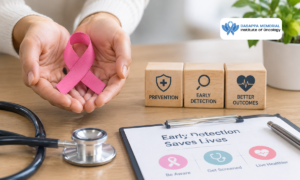
Every year on 7 November, India observes National Cancer Awareness Day. The day is a reminder that many cancers can be prevented, and that many more can be treated successfully when they are found early.
Cancer is now one of the leading causes of death in India, yet a large number of patients are still diagnosed at an advanced stage. Fear, stigma, myths and a lack of information often stop people from seeing a doctor or going for cancer diagnosis and screening in Bangalore when symptoms first appear.
National Cancer Awareness Day 2026 is a chance to change that. This guide explains the history of the day, why cancer awareness in India matters so much, the warning signs to know, and practical ways individuals, families and workplaces can take part.
What Is National Cancer Awareness Day?
National Cancer Awareness Day was announced by India’s Union Ministry of Health and Family Welfare in 2014. It is observed on 7 November, the birth anniversary of Marie Curie, the Nobel Prize-winning scientist who discovered radium and polonium. Her work on radium laid the foundations for radiation therapy, still one of the main treatments for cancer today.
The day focuses on four goals:
- Education: Helping people understand what cancer is and what raises the risk.
- Prevention: Encouraging changes such as giving up tobacco and getting vaccinated.
- Early detection: Promoting awareness of warning signs and appropriate screening.
- Access to care: Encouraging people to seek timely assessment and treatment.
Just as importantly, the day aims to reduce the fear and stigma that still surround cancer, so people feel able to talk openly about symptoms and seek help.
Why Is Cancer Awareness Important in India?
The National Cancer Registry Programme of the Indian Council of Medical Research (ICMR) estimated around 14.6 lakh new cancer cases in India in 2022, a number expected to keep rising. About one in nine people in India is likely to develop cancer during their lifetime.
Several factors make awareness especially important:
- Late diagnosis: Many patients reach a cancer specialist only when the disease has already spread, which limits treatment options.
- Preventable causes: A large share of cancers in India are linked to tobacco, including smokeless tobacco, gutka and areca nut, as well as infections such as HPV and hepatitis B.
- Fear and stigma: Some people avoid tests because they fear a diagnosis, or because cancer is still seen as untreatable.
- Misinformation: Myths about causes, cures and treatment can delay proper care.
The importance of cancer awareness lies in a simple fact: when people know the signs and act early, outcomes improve.
Which Types of Cancer Should People Know About?
Breast cancer
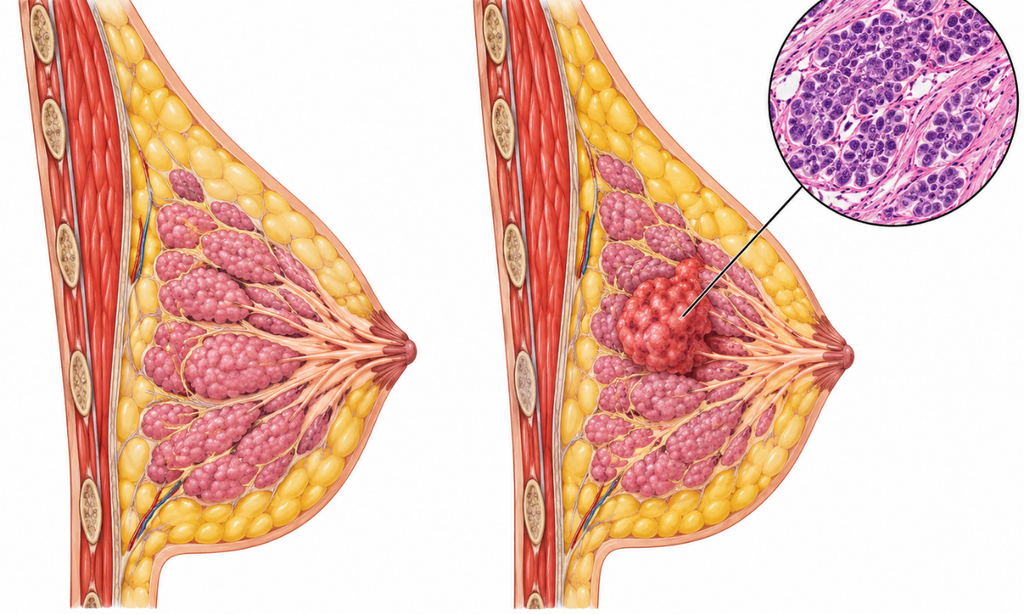
Breast cancer is the most common cancer among women in India. Watch for a new lump, changes in breast shape, skin dimpling or nipple changes.
Cervical cancer
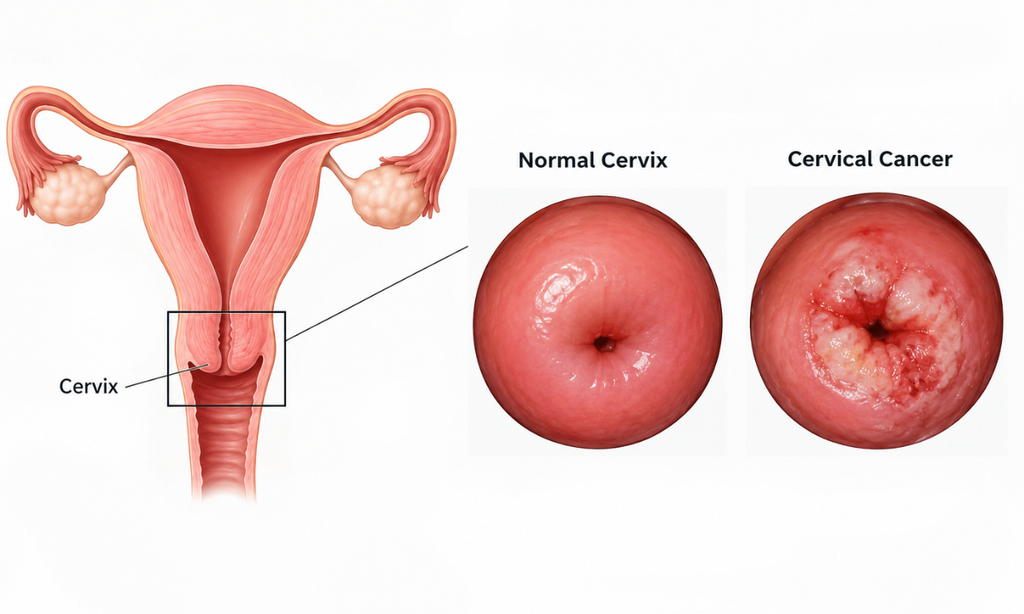
Cervical cancer is caused by long-term infection with high-risk types of human papillomavirus (HPV). HPV vaccination and regular cervical screening can prevent most cases.
Oral and head and neck cancers
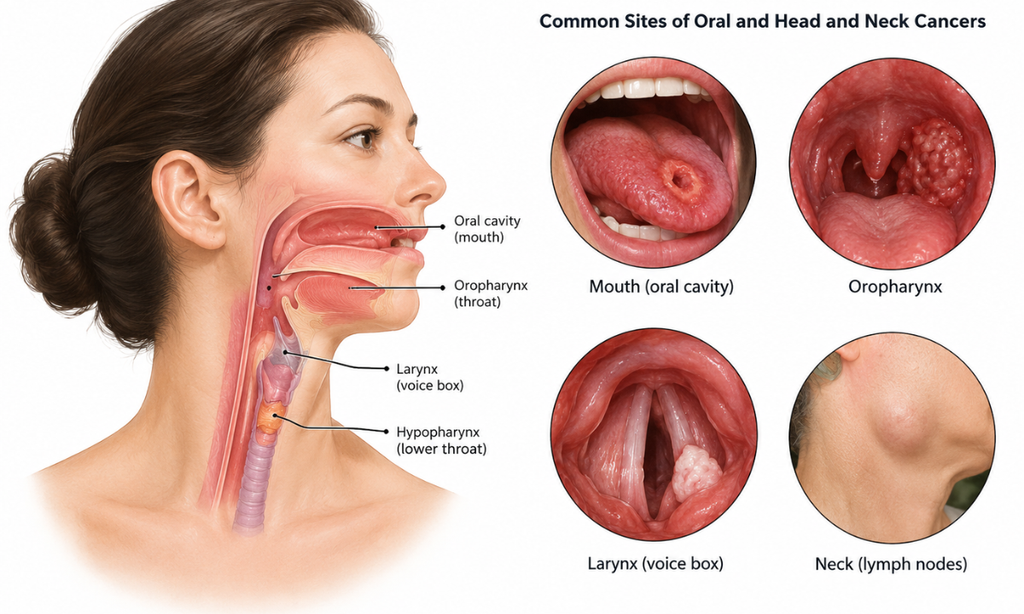
These cancers are closely linked to tobacco in all forms and to alcohol. A mouth ulcer, white or red patch, or lump that does not heal within two to three weeks needs checking.
Lung cancer
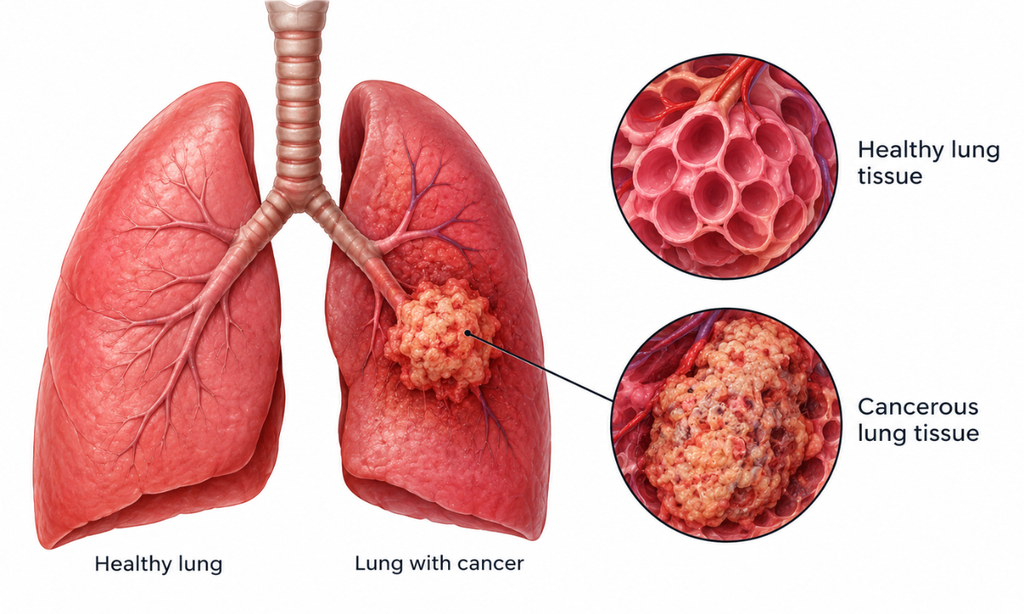
Lung cancer is strongly linked to smoking, but it also affects non-smokers. A cough lasting more than three weeks or coughing up blood should be assessed.
Colorectal and prostate cancer
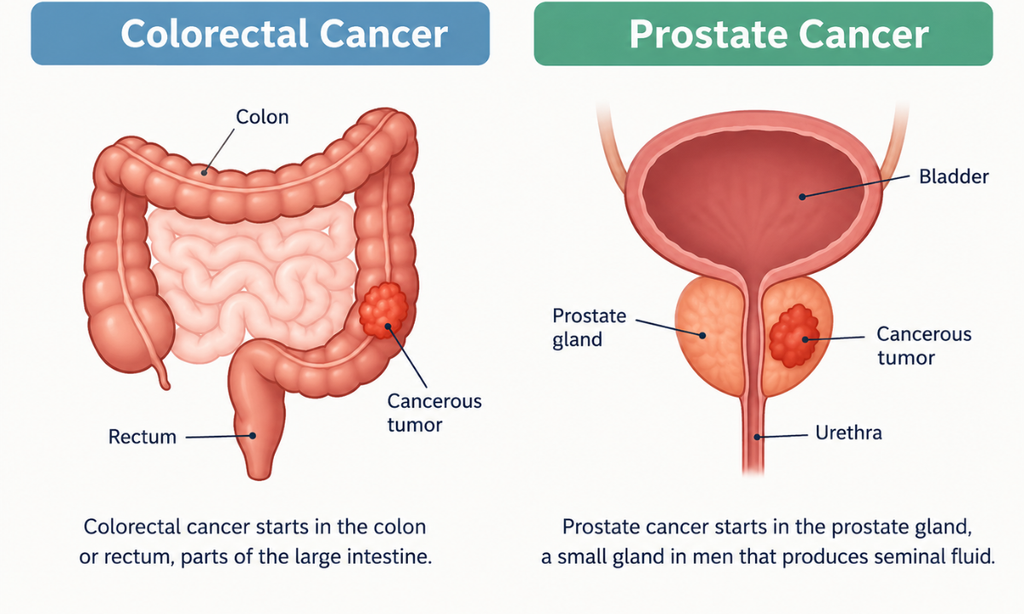
Blood in the stool or a lasting change in bowel habits can be signs of colorectal cancer. Men with urinary changes, or a family history of prostate cancer, should discuss assessment with a doctor.
What Are the Warning Signs of Cancer You Should Never Ignore?
- Unexplained weight loss
- A new lump or swelling anywhere on the body
- A persistent cough or hoarse voice
- Unusual bleeding or discharge
- Changes in bowel or bladder habits
- A mouth ulcer or wound that does not heal
- Persistent difficulty swallowing
- Unexplained pain that does not go away
These symptoms do not automatically mean cancer, and most have other causes. Any change that lasts more than two to three weeks, however, should be checked by a doctor. Women should also know the early warning signs of gynecologic cancers.
How Can Cancer Be Detected Early?
Notice changes in your body
Being aware of what is normal for you makes it easier to spot something new. Do not wait for a symptom to become painful before seeking advice.
Understand screening
Screening tests look for cancer before symptoms appear. In India, the government’s national programme for non-communicable diseases offers screening for oral, breast and cervical cancers to adults aged 30 and above. Depending on your age and family history, your doctor may also recommend tests for colorectal or other cancers. Not every cancer has a screening test, and not everyone needs the same tests. For cervical cancer, it helps to understand Pap smear vs HPV test before you decide which one suits you.
Know when to seek specialist advice
If a symptom persists or a screening result is abnormal, a doctor can decide whether further tests are needed and refer you to a specialist.
How Can You Reduce Your Risk of Cancer?
- Avoid tobacco in every form, including cigarettes, bidis, gutka, khaini and areca nut.
- Avoid or limit alcohol.
- Eat a balanced diet and maintain a healthy weight.
- Stay physically active for at least 150 minutes a week.
- Ask about HPV vaccination for eligible girls (a free national programme launched in 2026, starting with 14-year-olds) and about hepatitis B vaccination.
- Reduce exposure to known carcinogens, such as indoor smoke and workplace chemicals.
- Follow the screening advice that applies to you.
These steps lower the risk of many cancers, but they cannot prevent every case.
How Has Cancer Treatment Improved?
Cancer treatment has advanced considerably in recent years. Depending on the type and stage of cancer, treatment may include:
- Surgery, including minimally invasive and robotic techniques
- Radiation therapy, now delivered with far greater precision
- Chemotherapy
- Targeted therapy, which acts on specific changes in cancer cells
- Immunotherapy, which helps the immune system fight cancer
- Hormone therapy for cancers such as breast and prostate cancer
The best plan depends on the cancer type, stage, tumour characteristics and the patient’s overall health.
How Can You Take Part in National Cancer Awareness Day?
There are many simple cancer awareness activities that make a real difference:
- Share reliable information from recognised health sources on social media and in family groups.
- Encourage loved ones to discuss screening with their doctor, especially parents and older relatives.
- Organise a talk or screening camp at your workplace, school or residential community with a qualified healthcare provider.
- Support patients and caregivers by offering practical help, company or a listening ear.
- Challenge myths and stigma when you hear them.
- Make a personal pledge, such as quitting tobacco or booking a health check.
Frequently Asked Questions
When is National Cancer Awareness Day celebrated in India?
National Cancer Awareness Day is observed every year on 7 November, the birth anniversary of Marie Curie.
Why is National Cancer Awareness Day important?
It raises awareness of cancer prevention, warning signs and early diagnosis, and helps reduce fear and stigma so people seek care sooner.
What is the theme of National Cancer Awareness Day 2026?
A single official national theme is not always announced. Check announcements from the Ministry of Health and Family Welfare closer to 7 November.
How is it different from World Cancer Day?
World Cancer Day is a global observance held on 4 February. National Cancer Awareness Day is India’s own observance, held on 7 November.
Is cancer treatable when detected early?
Many cancers can be treated successfully when found early. The outcome depends on the type and stage of cancer and the treatment received.
How can I help spread cancer awareness?
Share accurate information, encourage eligible family members to get screened, support people affected by cancer and challenge common myths.
Take a Step This National Cancer Awareness Day
Awareness saves lives when it leads to action. This 7 November, learn the warning signs, give up tobacco if you use it, and talk to your family about screening. If you have a symptom that concerns you, or want to understand your risk, the specialists at a cancer hospital in Bangalore can guide you on the right next steps. If you are unsure where to go, this guide on how to choose the right oncology care hospital can help.
Schedule a Consultation at Dasappa Cancer Hospital
If you, a patient, or a family member is experiencing symptoms, contact our clinical oncology team in Bengaluru for an expert evaluation:
Hospital Location: Dasappa Memorial Institute of Oncology (Dasappa Cancer Hospital), No. 132, Gandhi Bazaar Main Road, Basavanagudi, Bengaluru, Karnataka 560078
Consultation Helpline: +91 80 2667 9294 / +91 98450 12345
Website: dasappacancerhospital.com
Services Available: Medical Oncology, Surgical Oncology, Day-Care Chemotherapy, Bone Marrow Diagnostics, Second Opinion Consultations.