Introduction
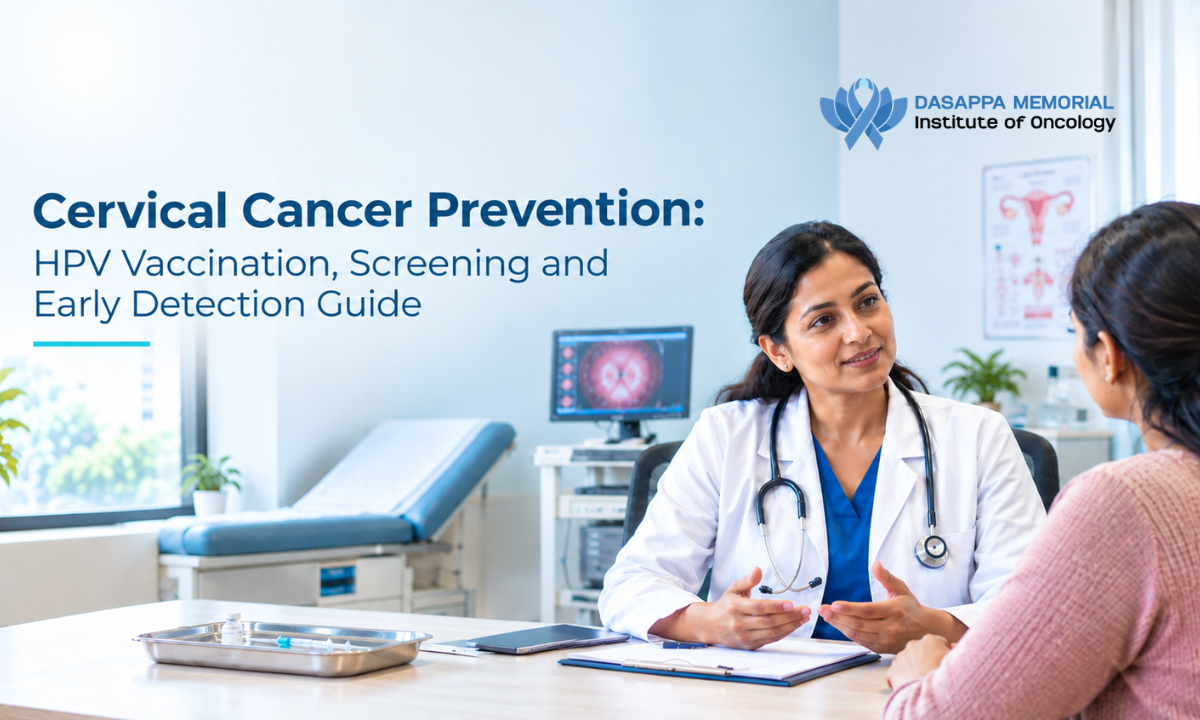
Cervical cancer is one of the cancers that can often be prevented or detected early. Most cases are linked to persistent infection with high-risk types of human papillomavirus (HPV). HPV is common, usually causes no symptoms, and often clears on its own. When a high-risk infection persists for years, it can cause cell changes in the cervix that may eventually develop into cancer. Vaccination can prevent many cancer-causing HPV infections, and screening can identify cervical changes before they become invasive cancer.
Prevention is not a single action. HPV vaccination, age-appropriate screening, follow-up after an abnormal result, and timely assessment of symptoms each play a different role. Vaccination does not treat an existing HPV infection and does not remove the need for screening. Screening schedules and available tests vary by country, health system, prior results, and personal medical history. This guide explains the HPV connection, vaccine age guidance, Pap testing versus HPV testing, options for cervical cancer screening in Bangalore, and practical ways to support early detection. It is general information; discuss your own eligibility and schedule with a qualified clinician.
How HPV is linked to cervical cancer
Human papillomavirus is a large family of viruses. Some types can cause genital warts, while other types are called high-risk because persistent infection can lead to cancers, especially cervical cancer. HPV is passed through intimate skin-to-skin contact, including sexual contact. It is possible to acquire HPV even with one partner, and infection may become detectable long after exposure. A positive HPV result does not tell when the infection began or imply that a partner has been unfaithful.
Most HPV infections go away without causing disease. The concern is persistent infection with a high-risk type, which can lead to precancerous changes in cervical cells. These changes often take years to progress, which creates an opportunity for vaccination and screening to prevent cancer or find it early. For women looking for expert guidance on cervical cancer prevention, screening, and treatment options, consulting a trusted cancer care centre or the best cancer hospital in Bangalore can help ensure appropriate medical evaluation. A positive HPV test is not a cancer diagnosis. Depending on the specific result and your screening history, the next step may be repeat testing, a Pap test, colposcopy, or biopsy.
HPV can also contribute to some cancers of the vagina, vulva, anus, penis, and back of the throat. Vaccination may protect against several HPV types associated with these diseases, though products and approved schedules vary. A clinician or vaccination service can explain which vaccine is available and appropriate in your setting.
HPV vaccine age guidelines
HPV vaccination works best when given before exposure to HPV, which is why it is routinely offered in early adolescence in many national programs. The World Health Organization identifies girls aged 9–14 as the primary target group and supports one- or two-dose schedules for this age range, with different schedules for older age groups and people who are immunocompromised. National licensing, product information, and local public health policy determine the schedule actually offered in a particular place.
In India, the Union government announced a nationwide HPV vaccination campaign targeting girls aged 14 years, using a single-dose schedule in the public campaign. Campaign eligibility, availability, consent requirements, and dates are determined by current government instructions and local health services. Families should check with an Ayushman Arogya Mandir, government health facility, pediatrician, or local health authority for details. The campaign schedule is a public program; it should not be assumed to apply to every vaccine product or every individual circumstance.
Other national guidance can differ. For example, CDC guidance in the United States recommends routine vaccination at age 11 or 12, allows starting at age 9, and recommends catch-up vaccination through age 26 for those not adequately vaccinated earlier. Some adults aged 27–45 may discuss possible vaccination with a clinician. These age bands illustrate why people should follow the recommendations where they live rather than combine schedules from different countries.
For people living with HIV or another form of immunocompromise, the vaccine schedule may require additional doses. Pregnancy is generally a reason to defer remaining doses until after pregnancy; discuss timing with a clinician. A severe allergic reaction to a previous dose or vaccine component also needs medical review. If vaccination began later than recommended, or if you are unsure whether a series is complete, bring the vaccine record to a clinician instead of restarting or adding doses on your own.
What HPV vaccination can and cannot do
HPV vaccines prevent new infections from the HPV types they cover. They do not clear an existing HPV infection, treat abnormal cervical cells, or cure cervical cancer. The vaccine is preventive, so it provides the greatest benefit before a person encounters the relevant HPV types. It is not a reason to delay evaluation of symptoms or skip cervical screening later in life.
Vaccination is recommended for adolescents because it can protect them before exposure. HPV is common and exposure can occur in the future; vaccination is not an assumption about a young person’s current or future behavior. Parents and adolescents can discuss questions about safety, expected benefits, dose timing, and consent with a healthcare professional. If a dose is delayed, ask the clinic how to continue the series. In many vaccine schedules, a delayed dose does not mean the entire series must be restarted, but the correct advice depends on the product and local guidance.
People who have already been sexually active may still benefit from vaccination because they may not have encountered every type covered by the vaccine. The likely benefit varies with age, prior vaccination, and individual circumstances. A clinician can help adults understand whether vaccination is useful for them and which schedule applies.
Pap smear versus HPV test
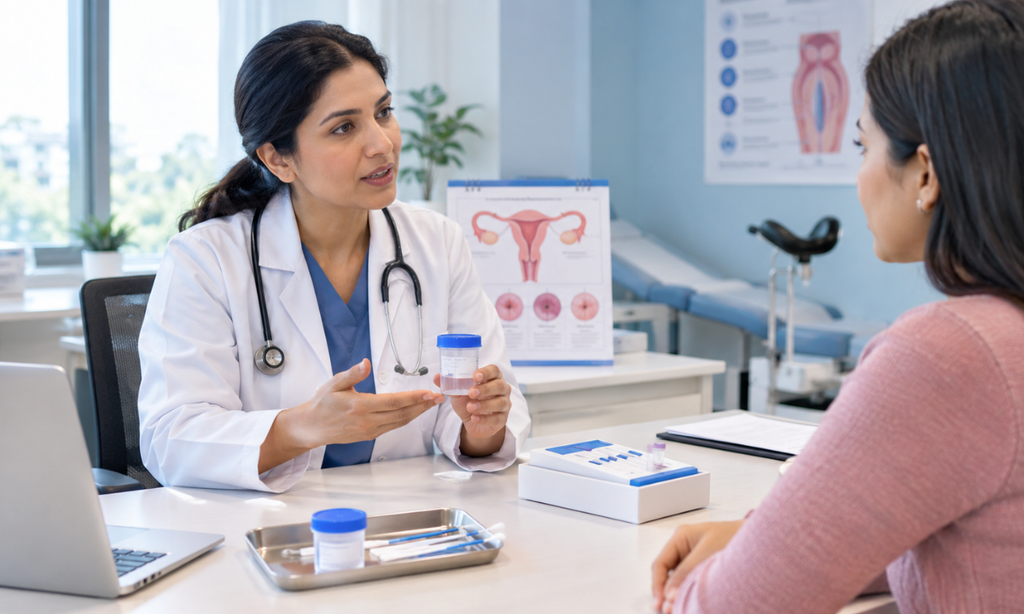
A Pap test, also called cervical cytology, examines cells collected from the cervix. A laboratory looks for abnormal or precancerous cell changes. The sample is collected during a speculum examination: the clinician gently places a speculum in the vagina to see the cervix and uses a small brush or spatula to gather cells. The collection usually takes only a short time. Some people experience pressure or mild discomfort, and light spotting can occur afterward.
An HPV test looks for genetic material from high-risk HPV types in a cervical sample. The sample collection may be similar to a Pap test, and in some settings validated self-collection options may be available. An HPV test can identify infection that may cause cell changes before those changes are visible on cytology. A positive HPV result does not mean cancer is present; it signals that follow-up should be guided by the specific test result and personal history.
In co-testing, both HPV testing and cytology are performed from the screening sample. The best choice depends on the country’s recommendations, the person’s age, prior results, and test availability. A Pap test can detect abnormal cells; an HPV test can detect high-risk virus. Neither test alone is used to diagnose cervical cancer. If screening is abnormal, additional assessment—such as colposcopy and biopsy—may be needed. Ask what test you are receiving, when to expect the result, and how the clinic will contact you if follow-up is recommended.
Cervical cancer screening in Bangalore
In Bangalore, as elsewhere in India, screening may be available through public health facilities and private hospitals or clinics. India’s National Programme for Prevention and Control of Non-Communicable Diseases uses visual inspection with acetic acid (VIA) as a population-based screening approach for eligible women, generally aged 30–65, at five-year intervals. In VIA, a trained provider applies dilute acetic acid to the cervix and checks for visible changes. A positive screen is not a cancer diagnosis; it requires referral or further assessment according to the local pathway.
Private hospitals and laboratories may offer Pap cytology, high-risk HPV testing, or co-testing. The test and interval a clinician recommends may depend on your age, prior results, whether you have had treatment for cervical precancer, immune status, pregnancy, and the availability of validated testing. Because programs and services can change, ask the facility which test is offered, who will collect and interpret it, how results are delivered, and where follow-up is available if a result is abnormal.
To find a screening service in Bangalore, you can ask a gynecologist, primary care doctor, government health facility, or hospital preventive health clinic. When booking, explain whether you have symptoms or are seeking routine screening. Symptoms such as bleeding after sex or after menopause need clinical evaluation, not just a routine screening appointment. If you have previous abnormal results, bring copies of the reports and details of any colposcopy, biopsy, or treatment. This helps the clinician decide the right next step rather than treating the visit as a first screen.
Who should be screened and how often
The right screening age and interval are not identical worldwide. Government programs may prioritize population screening in particular age groups and use tests that can be delivered reliably at scale. Professional guidelines in other settings may recommend primary HPV testing, Pap testing, or co-testing at different intervals. Your clinician should apply the guidance relevant to your location and health history.
People with a cervix who have never been screened or are overdue can ask a healthcare professional whether screening is recommended for them. People who have had a hysterectomy should clarify whether the cervix was removed and why the operation was performed; screening needs differ if there is a history of cervical precancer or cancer. People living with HIV, taking immunosuppressive medicines, or previously treated for high-grade cervical changes may need a different schedule or closer follow-up. Do not assume that screening stops at a particular age if you have prior abnormal results or a history of cervical cancer.
Vaccination does not eliminate screening because vaccines do not cover every cancer-causing HPV type and some people may have been exposed before vaccination. Conversely, screening is not a substitute for vaccination: screening finds risk or cell changes, while vaccination helps prevent new infections. Together, they offer complementary protection.
Early detection: symptoms that need assessment
Cervical precancers and early cervical cancer often cause no symptoms, which is why screening matters. When symptoms do occur, they may include bleeding after sex, bleeding between periods, periods that are heavier or last longer than usual, bleeding after menopause, unusual or persistent vaginal discharge, pelvic pain, or pain during sex. These symptoms can be caused by many conditions other than cancer, including infections, hormonal changes, fibroids, or polyps. The only way to determine the cause is to speak with a healthcare professional.
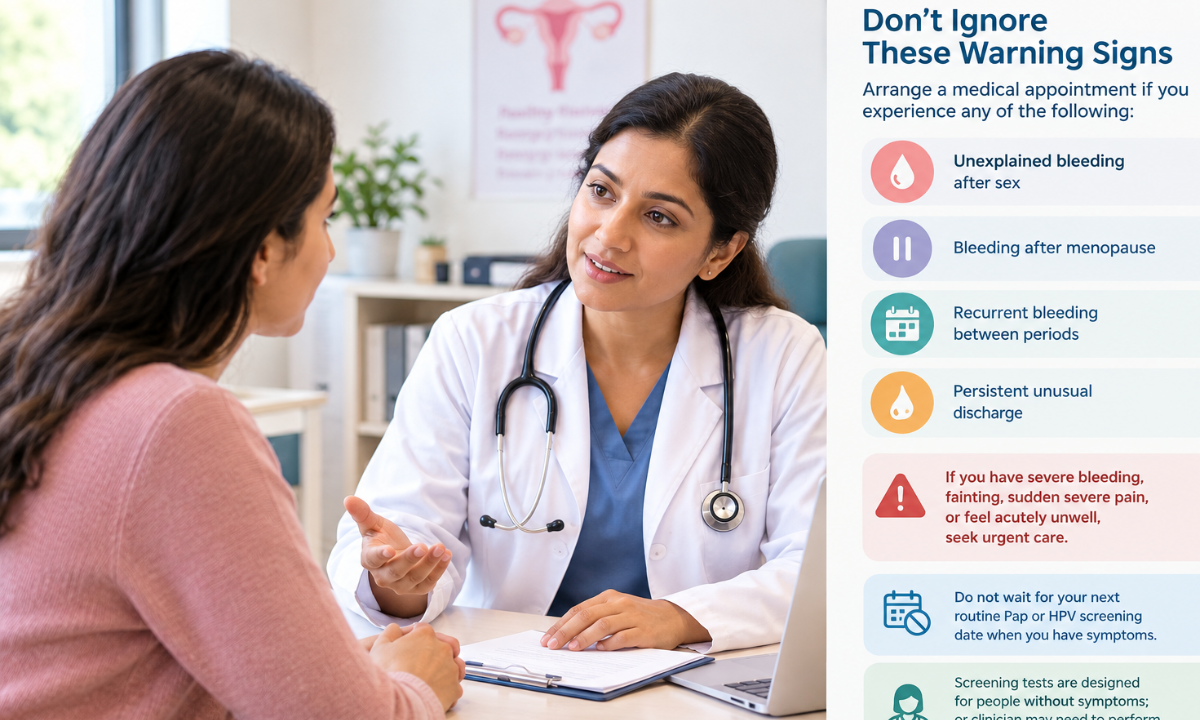
When booking, tell the clinic what the symptom is, how long it has been happening, and whether it is getting worse. If the first visit does not explain the symptom and it continues, return for follow-up. A normal screening result from a prior year does not rule out every current cause of bleeding or pain.
What happens after an abnormal screening result
An abnormal result can be worrying, but it does not automatically mean cancer. Many HPV infections and mild cell changes clear or resolve, and follow-up is intended to identify the smaller number of changes that need treatment. The next step depends on which HPV type was detected, the cytology result, age, prior results, pregnancy status, and medical history.
Follow-up may include repeat HPV or Pap testing after an interval, colposcopy, or biopsy. During colposcopy, a clinician examines the cervix using magnification; a small tissue sample may be taken if an area looks unusual. A biopsy can identify whether there are precancerous changes or cancer. If precancer is found, treatment may remove or destroy the abnormal area and reduce the chance of progression. The specific plan is individualized.
Ask the clinic to explain your report in plain language, what risk category it indicates, what follow-up is recommended, and by what date. Confirm who will contact you and how to book the next test. Keep copies of results and attend follow-up even if you feel well. If you move or change providers, share your screening history so an abnormal result is not lost between clinics.
Practical tips to protect cervical health
Keep a record of HPV vaccine doses and screening results. Save the date and type of test, the laboratory or clinic, and any follow-up advice. Put the next appointment in a calendar and ask for reminders if the service offers them. If cost, transport, language, disability access, or privacy makes screening difficult, tell the clinic; staff may be able to connect you with a public service or support option.
Do not use vaginal washes, douching, or unproven products as a substitute for screening or treatment. They cannot prevent HPV-related cell changes and may irritate the vaginal area. Condoms can reduce, but do not completely eliminate, HPV transmission because HPV can affect skin not covered by a condom. Avoiding tobacco is also beneficial to health; smoking is associated with a higher risk of cervical precancer and cancer among people with HPV.
Talk openly with a clinician about questions or concerns. You can ask for a female provider if available, a chaperone, an interpreter, or an explanation of each examination step. Tell the provider if you have experienced trauma or have concerns about pain. Screening should be respectful and accessible. If a previous examination was difficult, share that before the next one so the team can discuss ways to support you.
A simple prevention plan
A practical plan can begin with four questions: Have I received the HPV vaccine recommended where I live? Am I due for cervical screening based on my age and history? Do I need follow-up for a previous abnormal result? Am I experiencing a symptom that needs diagnostic assessment now? If you are unsure, a primary care clinician or gynecologist can help review your history and make a plan.
For parents and caregivers, ask the child’s doctor or local immunization service about HPV vaccine eligibility and the schedule currently offered in India. For adults, bring your vaccination and screening records to an appointment and ask whether catch-up vaccination or testing is appropriate. If you have never been screened, ask where screening is available locally, including public facilities.
Cervical cancer prevention works best when vaccination, screening, and follow-up are connected. The HPV vaccine can prevent many infections that lead to cancer; screening can find precancer before it progresses; and prompt evaluation of symptoms can help identify disease that requires attention. These steps cannot guarantee that cancer will never occur, but they provide meaningful opportunities to reduce risk and detect changes earlier. If you are in Bangalore and want information about gynecologic cancer services, learn more about gynecologic cancer treatment in Bangalore.
Medical sources
Guidance can vary by product, location, and medical history. Confirm clinical details and local service information with the hospital’s medical reviewer before publication.
- WHO, HPV vaccine recommendations: https://www.who.int/teams/immunization-vaccines-and-biologicals/diseases/human-papillomavirus-vaccines-%28HPV%29
- WHO, HPV vaccination schedule update: https://www.who.int/news/item/20-12-2022-WHO-updates-recommendations-on-HPV-vaccination-schedule
- Government of India, National Health Mission training modules, cervical screening:
- https://nhm.gov.in/New-Update-2025-26/Whats-new/Training-Modules-NCDs.pdf
- Press Information Bureau, Government of India, HPV vaccination campaign and screening: https://www.pib.gov.in/PressReleasePage.aspx?PRID=2235710&lang=1®=3
- CDC, HPV vaccine recommendations: https://www.cdc.gov/hpv/hcp/vaccination-considerations/index.html
- CDC, cervical cancer prevention: https://www.cdc.gov/cervical-cancer/prevention/index.html
- National Cancer Institute, cervical cancer screening: https://www.cancer.gov/types/cervical/screening