

Introduction
Hearing that you may need cancer surgery can bring a lot of questions. If your care team has recommended a robotic-assisted operation, you may be wondering what to do before the procedure, whether the robot performs the operation on its own, and how to get ready for the days afterward. Preparation can make the process feel more manageable and helps your team plan care around your health and needs.
Robotic-assisted surgery is performed by a trained surgeon who controls instruments from a console. The system does not make decisions or operate by itself. Depending on the cancer, the planned operation, and your individual health, the surgeon may recommend a robotic approach, another minimally invasive approach, or open surgery. The best approach is the one your team believes is suitable for your situation after discussing expected benefits, risks, and alternatives.
This guide explains common steps before robotic cancer surgery, including pre-operative assessment, medication review, fasting instructions, practical planning, and questions to ask. Preparation differs by operation and hospital. Follow the instructions given by your own surgeon and anaesthesia team; do not change medicines, diet, or fasting times based only on general information.
Understand the planned operation
Before planning, make sure you understand what operation is proposed and why. Ask which organ or area will be treated, what the surgeon plans to remove, whether nearby lymph nodes or tissue may be assessed, and what the operation is intended to achieve. The details depend on the cancer type, its location and extent, previous treatment, and your overall health. Your team can explain what is known before surgery and what can only be confirmed after tissue is examined.
Ask whether the procedure is expected to be robotic-assisted, whether the plan could change during surgery, and what circumstances might lead the surgeon to use another approach. A change of approach can sometimes be the safest way to complete an operation. It does not mean that the robot has failed or that anyone has done something wrong. Your surgeon should explain the reasons this could happen and how it might affect recovery.
It is also reasonable to ask about alternatives, likely benefits and risks, expected hospital stay, pain control, and follow-up. You may want to write down the answers or bring a trusted person to the appointment. If a term is unfamiliar, ask the team to explain it in everyday language. Understanding the plan helps you make informed decisions and prepare for the practical parts of care.
Attend your pre-operative assessment
A pre-operative assessment helps the team understand your health and plan anaesthesia and recovery. You may meet a nurse, anaesthetist, surgeon, or other clinicians, in person or remotely. If you are considering care at the best cancer hospital, the team may ask about previous operations, allergies, long-term conditions, infections, mobility, breathing, heart health, and any problems you have had with anaesthesia. They may also ask about your home support and whether you need help with daily activities after discharge.
Depending on the planned procedure and your history, assessment may include blood or urine tests, an electrocardiogram, imaging, or other checks. Not everyone needs the same tests. The team uses the results to identify issues that need attention before the operation and to arrange any additional support. Tell them about recent changes in your health, including fever, cough, new shortness of breath, chest symptoms, urinary symptoms, or a new infection. If you become unwell close to surgery, contact the hospital for advice rather than deciding on your own whether to attend.
Bring or have available your medication list, allergies, previous test results if requested, and contact details for clinicians involved in your care. If you use mobility aids, oxygen, a CPAP device, or other equipment, mention it. Ask whom to contact if your health changes before the operation and how you will receive test results or final instructions.
Review medicines, supplements, and allergies
Give your team a complete and current list of everything you take. Include prescription medicines, over-the-counter products, vitamins, herbal preparations, injections, inhalers, patches, eye drops, and medicines taken only occasionally. Note the dose and when you take each one. If it is easier, bring the packets or a photo of their labels. Also tell the team about medication allergies and what reaction you experienced.
Some medicines may need adjustment around surgery, while others should usually continue. The decision depends on the medicine, your condition, the operation, and the anaesthesia plan. Blood thinners, diabetes medicines, medicines for blood pressure or heart conditions, steroids, and some cancer treatments may need particular planning. Do not stop, skip, or change a dose unless the clinician responsible for your care tells you to. If instructions are unclear or seem to conflict, call the surgical team or pre-operative assessment service and confirm what to do and when.
Do not assume that a supplement is harmless because it is natural. Some supplements can affect bleeding, blood pressure, sedation, or how medicines work. Share the name and dose with your team and ask whether it should be paused. If you receive cancer treatment before surgery, such as chemotherapy or immunotherapy, confirm the timing of your last treatment and any planned next dose with both oncology and surgery teams.
Follow eating and drinking instructions exactly

Your hospital will tell you when to stop eating and drinking before anaesthesia and whether any clear fluids are allowed closer to the operation. The timing depends on the planned procedure, the anaesthetic, local policy, and your health. Follow the specific written or verbal instructions you were given. Do not rely on a fasting schedule from a friend, an online article, or a previous operation; the instructions may differ.
Fasting helps reduce the chance that food or liquid in the stomach enters the lungs during anaesthesia. If you accidentally eat or drink after the instructed time, tell the hospital honestly as soon as possible. The team will decide whether the operation can safely proceed or needs to be delayed. Hiding it can put your safety at risk.
If you have diabetes, ask for a clear plan for fasting, insulin or other glucose-lowering medicines, and monitoring. If you have a bowel preparation, special diet, or medication instructions, follow only the plan prescribed for your operation. Do not begin a bowel cleanse, stop drinking fluids early, or take laxatives unless your team specifically directs you. If you are unsure what counts as a clear liquid or when to stop, call and ask.
Prepare your body in the weeks before surgery
If you have time before surgery, ask your care team whether there are steps that may support your fitness and recovery. General prehabilitation may include appropriate movement, breathing exercises, nutrition support, and help managing long-term health conditions. What is safe depends on your diagnosis and physical ability. Ask before starting a new exercise programme, especially if you have pain, severe fatigue, heart or breathing problems, bone weakness, or other restrictions.
Tell your team if you have lost weight unintentionally, have a poor appetite, struggle to swallow, or follow a diet that may make it hard to get enough nutrition. A dietitian can advise whether you need extra support. Do not start supplements or a restrictive diet without discussing it, as some products may interfere with treatment or contribute to nutritional problems.
If you smoke or use nicotine, tell your clinician and ask what support is available to stop or reduce use before surgery. If you drink alcohol regularly or use recreational drugs, share that information too; it helps the team plan safe anaesthesia and recovery. This is a medical conversation, not a judgement. Managing conditions such as diabetes, high blood pressure, anaemia, or breathing problems before surgery may be part of your preparation plan. The team can prioritize the changes that are practical and useful within the time available.
Plan practical details for the hospital stay
Ask whether you are expected to arrive on the day of surgery or come in earlier, how long you may stay, and whether the estimate could change. Arrange transport to the hospital and a ride home when your team says you are ready for discharge. You may not be able to drive immediately after anaesthesia, and you may need someone to stay with you for a period of time. Confirm the hospital’s specific requirements rather than assuming.
Make a simple packing list. It may include your identification and admission information, a medication list, glasses and case, hearing aids, comfortable loose clothing, non-slip footwear, toiletries, phone charger, and any aids you use. Ask before bringing valuables or medical equipment. Follow instructions about jewellery, piercings, contact lenses, nail polish, and makeup. Hospitals may have different rules, so check your admission materials.
If you have children, dependants, pets, or work responsibilities, arrange help where possible. Plan for meals, household tasks, and transport to follow-up visits. If you live alone or have stairs, ask the care team whether you will need extra support at home. Tell them early if you have concerns about cost, transport, language access, disability accommodations, or caregiving; a social worker or patient support service may be able to help.
Know what may happen on the day
On arrival, staff will confirm your identity, procedure, allergies, and relevant health details. You may be asked to change into a hospital gown and remove certain items. The anaesthesia team will review the plan and answer questions. The team may mark the surgical site when applicable and complete safety checks before you go to the operating area. The exact sequence differs across hospitals and operations.
During robotic-assisted surgery, the surgeon controls the instruments. The robot may provide magnified views and allow precise movements, but the surgeon remains responsible for the operation. Other members of the surgical team are present to support care and respond to the operation as it unfolds. Ask your surgeon what this approach means for your specific procedure, including expected incisions, positioning, possible need to change approach, and recovery considerations.
You may receive medicines to prevent infection or blood clots, depending on your individual plan. You may wake with an intravenous line, monitoring equipment, a catheter, or a drain; not everyone needs these. Ask what is likely in your case and how long any equipment may remain. Knowing what is routine for your team can make the first hours after surgery less surprising.
Make a recovery plan before you leave home
Recovery varies with the cancer operation, your health, and whether the procedure is completed robotically or by another approach. “Minimally invasive” does not mean that recovery is immediate or identical for everyone. Ask what discomfort, tiredness, appetite changes, and activity limits are common after your particular procedure. Also ask how long you may need help with cooking, bathing, childcare, lifting, or travel.
Before surgery, find out how pain will be managed and whom to contact if the plan is not working. Ask how to care for incisions, when you can shower, and whether you need to keep a dressing in place. Learn which activities to avoid and how to restart walking or other movement safely. If you will have a drain or catheter, ask who will teach you to manage it and who to call with concerns.
Ask what warning signs need urgent medical attention. The hospital should explain how to reach the surgical team after hours and what symptoms require emergency care. Keep discharge instructions and phone numbers somewhere easy to find. It is useful to know when your first follow-up is planned, how pathology results will be discussed, and whether additional cancer treatment may be considered after the operation. The plan may depend on the final tissue results, so not every decision can be made beforehand.
Questions to ask your surgeon and anaesthesia team
A written question list can help you use appointment time well. Consider asking: What is the goal of this operation? Why do you recommend the robotic approach for me? What are the alternatives, including open or other minimally invasive surgery? What are the important risks and expected benefits in my case? Could the plan change during surgery, and what might lead to that change?
Ask who will perform the operation and who will be part of the team. You can ask about the surgeon’s experience with this type of cancer operation and what support is available if complications occur. Ask what tests or assessments remain, whether any treatment needs to be coordinated around surgery, and what you should do if you become unwell before the scheduled date.
Practical questions matter too: Which medicines should I take on the day? When exactly do I stop eating and drinking? What should I bring? How long might I stay in hospital? What help will I need at home? Who should I contact with concerns, and how will I receive pathology results? You can ask for written instructions or an interpreter. If you do not understand an answer, ask the clinician to explain it another way.
Emotional preparation and support
It is normal to feel anxious, overwhelmed, hopeful, or uncertain before cancer surgery. You do not have to manage those feelings alone. Tell your care team if worry is interfering with sleep, eating, or daily activities. They may connect you with a counsellor, psycho-oncology service, nurse navigator, social worker, or support group. Ask whether a family member or trusted friend can join a consultation or help take notes.
Try to focus on the next practical step rather than feeling that you need to solve every part of treatment at once. Some people find it useful to write down questions, limit time spent searching online, and choose one reliable source to review. Others prefer to talk through details with family or a clinician. Let the team know how much information is helpful for you and whether you would like results discussed with someone present.
If you have cultural, spiritual, privacy, or communication needs, tell the hospital in advance when possible. You can request an interpreter or ask the team to explain who will be present and what will happen at each stage. Being prepared includes having your preferences heard, not only completing medical tests.
Common myths about robotic cancer surgery
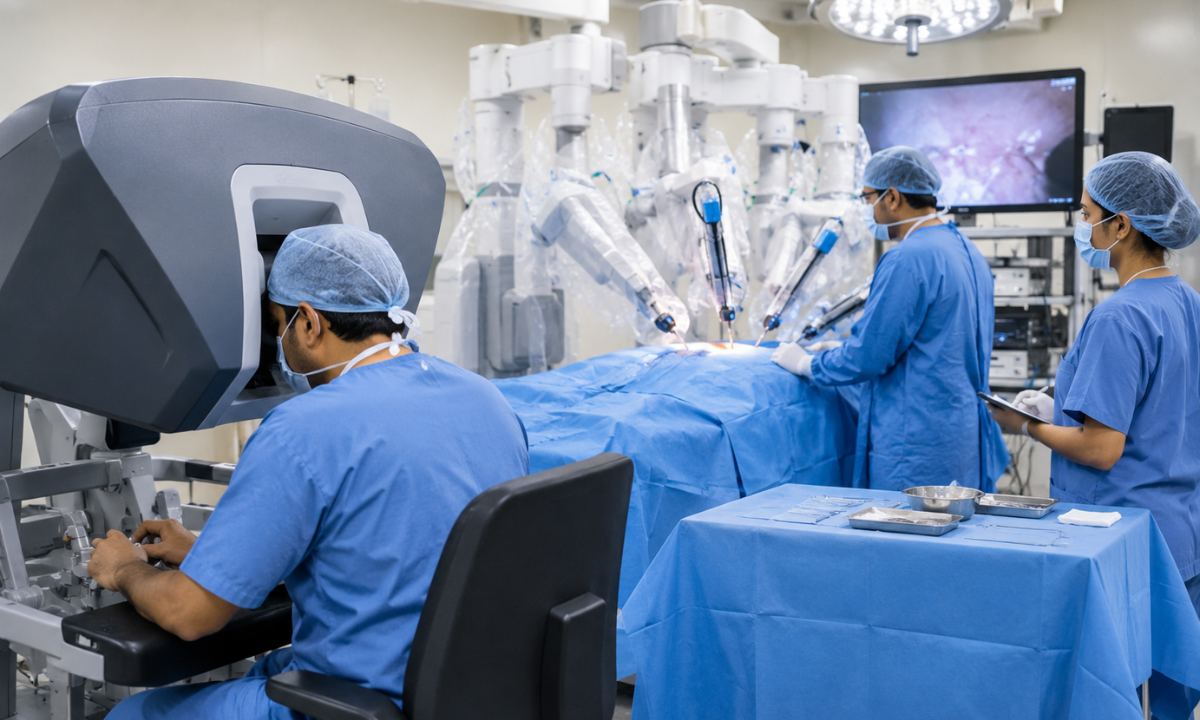
One common misunderstanding is that a robot performs surgery independently. In robotic-assisted surgery, the surgeon controls the instruments throughout the operation. Another misconception is that robotic surgery is automatically better for every patient or every cancer. It is one surgical approach, and suitability depends on the operation, cancer, surgeon, equipment, and patient factors. Ask your surgeon to explain why it is being recommended in your case and what alternatives are reasonable.
Some people also assume that smaller incisions guarantee a short or effortless recovery. The size and location of incisions are only part of recovery. The extent of surgery, the body area involved, complications, other treatments, and general health all matter. Recovery expectations should be discussed for the actual planned operation rather than based on a generic description of robotic surgery.
Finally, preparing well does not mean you can control every outcome. Following instructions, sharing accurate health information, and asking questions help the team plan safely, but they cannot remove all risks. If something changes or you are uncertain, contacting the care team is the right next step.
A final checklist before surgery
Before the procedure, make sure you know the planned operation and whom to contact with questions. Complete the requested assessment and tests. Give the team a full medicine, supplement, and allergy list. Confirm specific instructions for medicines, eating and drinking, bathing, and arrival time. If anything is unclear, call the hospital and verify it rather than guessing.
Arrange transport, support at home, and help with responsibilities. Pack the items the hospital recommends and leave valuables at home unless advised otherwise. Tell the team about any new illness or change in health. Keep your written instructions and emergency contact details available. Ask how and when you will receive results and what follow-up to expect.
Robotic cancer surgery preparation is a partnership between you and your care team. Your questions, health history, preferences, and practical needs are all part of the plan. Use this guide as a prompt for discussion, not as a substitute for your hospital’s instructions. The team caring for you can tailor advice to your operation and help you take the next step with clearer expectations.
Medical sources
Use these patient resources during clinical review. Individual instructions must come from the treating surgical and anaesthesia teams.
- NHS, Before surgery: https://www.nhs.uk/tests-and-treatments/having-surgery/preparation/
- National Cancer Institute, Surgery for Cancer: https://www.cancer.gov/about-cancer/treatment/types/surgery
- University College London Hospitals, Preparing for gynaecology surgery and your recovery: https://www.uclh.nhs.uk/patients-and-visitors/patient-information-pages/preparing-gynaecology-surgery-and-your-recovery
- Mayo Clinic, Cancer surgery: Physically removing cancer: https://www.mayoclinic.org/diseases-conditions/cancer/in-depth/cancer-surgery/art-20044171