
Cancer is one of the leading causes of death worldwide, but not every cancer carries the same risk. Some grow slowly and respond well to treatment. Others are often found late, when they are harder to treat. That difference is why some cancers cause far more deaths than others.
Several of the deadliest cancers cause few or no symptoms in their early stages, which is why cancer diagnosis and screening in Bangalore can make such a difference. By the time warning signs appear, the disease may already have spread. How a cancer turns out depends on its type, its stage at diagnosis, the treatment available and the person’s overall health.
This guide covers the top 5 deadliest cancers in men and women worldwide. For each one it explains the warning signs, the main risk factors and what early detection looks like, so you know when to seek medical advice.
What Are the Deadliest Cancers in Men and Women?
It helps to separate two ideas: how common a cancer is (incidence) and how many deaths it causes (mortality). A cancer can be very common but rarely fatal, as with many early prostate and thyroid cancers. Another can be less common but cause a high number of deaths because it is often diagnosed late.
According to the International Agency for Research on Cancer (IARC), there were around 20 million new cancer cases and 9.7 million cancer deaths worldwide in 2022. Five cancers accounted for roughly half of those deaths. Rankings vary by country, sex and year, so this list reflects the global picture rather than one fixed order for everyone.
Top 5 Deadliest Cancers You Should Know About
1. Lung Cancer
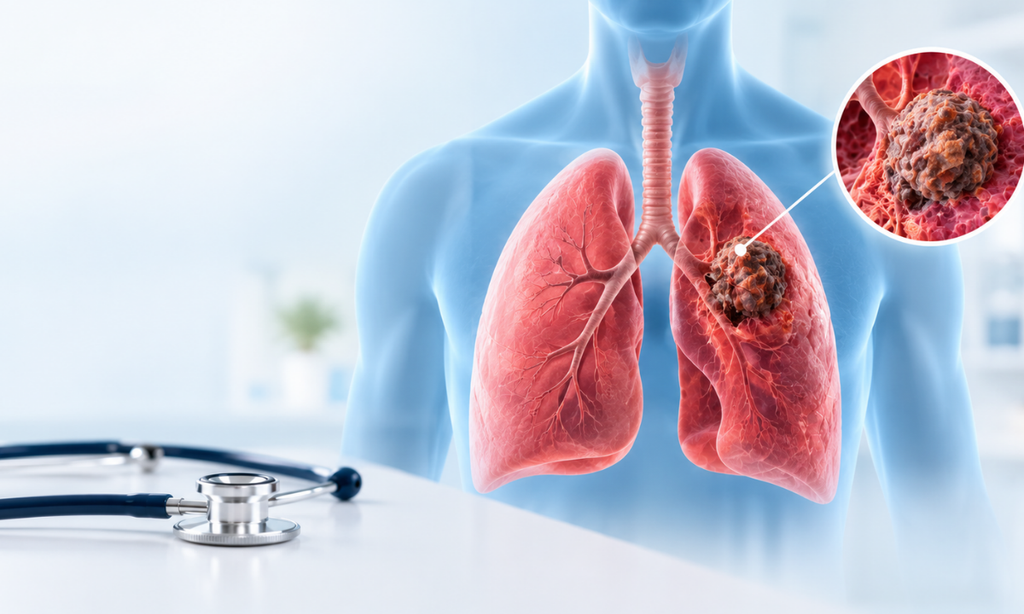
Lung cancer is the leading cause of cancer death worldwide, responsible for around 1.8 million deaths in 2022. It is the deadliest cancer in men and the second deadliest in women.
Risk factors: Tobacco smoking is the main cause, including cigarettes, bidis and other smoked tobacco. Second-hand smoke, air pollution, indoor smoke from cooking fuels, and workplace exposure to asbestos, radon or certain chemicals also raise the risk.
Possible symptoms:
- A cough that lasts more than three weeks or keeps getting worse
- Coughing up blood
- Chest pain or breathlessness
- Repeated chest infections
- Unexplained weight loss or tiredness
Early detection: For selected people at high risk, mainly older adults with a long history of heavy smoking, doctors may recommend a low-dose CT scan, which can find lung cancer before symptoms appear. In India, a persistent cough is often put down to tuberculosis or infection, so any cough that does not settle with treatment should be investigated further.
2. Colorectal Cancer
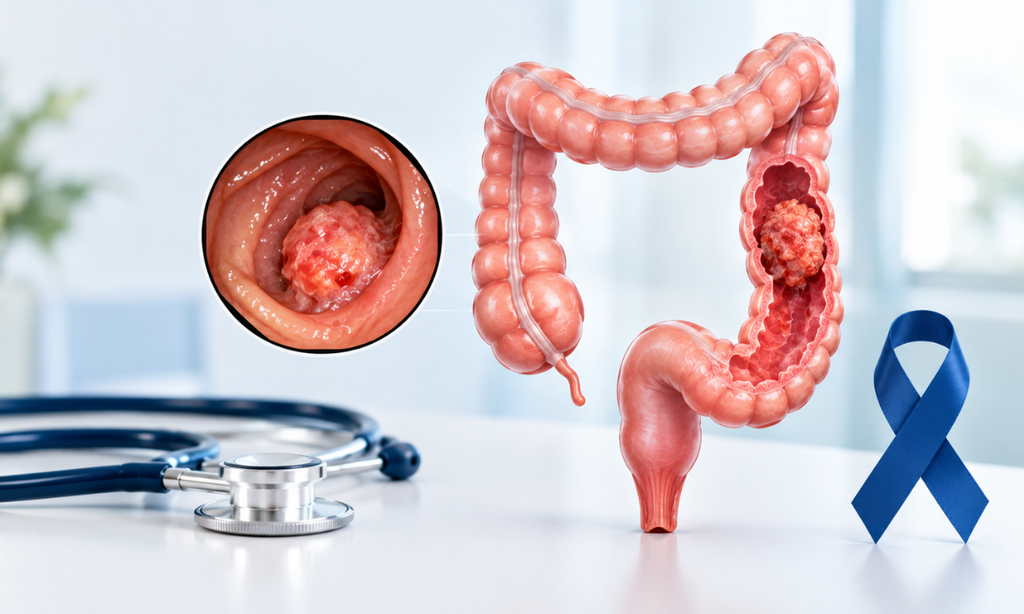
Colorectal cancer affects the colon or rectum and is the second leading cause of cancer death worldwide. It affects both men and women, and more cases are now being reported in younger adults.
Risk factors: Increasing age, a family history of bowel cancer or polyps, inherited conditions such as Lynch syndrome, inflammatory bowel disease, smoking, alcohol, obesity, low physical activity and a diet high in processed meat.
Possible symptoms:
- Blood in the stool or bleeding from the back passage
- A lasting change in bowel habits, such as diarrhoea or constipation
- Abdominal pain, bloating or discomfort
- Unexplained weight loss
- Tiredness caused by anaemia
Early detection: Colorectal cancer usually starts as a polyp, a small growth that can be removed before it turns into cancer. Stool tests and colonoscopy can find polyps and early cancers. Ask your doctor when to start screening, particularly if a close relative has had bowel cancer.
3. Liver Cancer
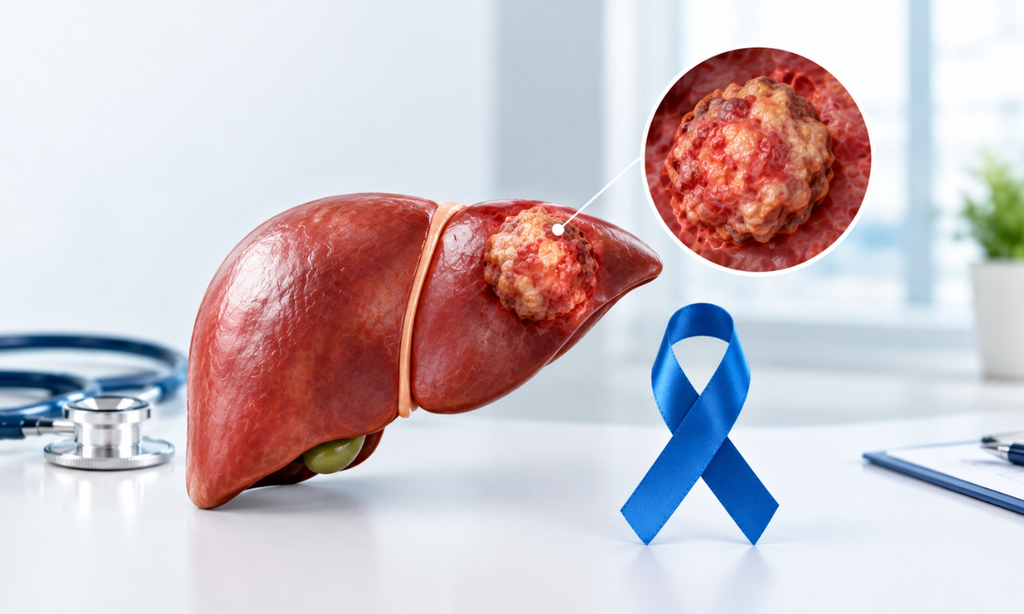
Primary liver cancer, most often hepatocellular carcinoma, is the third leading cause of cancer death worldwide. It is more common in men than women.
Risk factors: Long-term hepatitis B or hepatitis C infection, cirrhosis, heavy alcohol use, fatty liver disease linked to obesity and diabetes, and exposure to aflatoxin, a toxin produced by mould on poorly stored grains and nuts.
Possible symptoms:
- Pain or swelling in the upper right abdomen
- Yellowing of the skin or eyes (jaundice)
- Loss of appetite or feeling full quickly
- Unexplained weight loss
- Swelling of the abdomen with fluid
Early detection: People with cirrhosis or chronic hepatitis B are often advised to have regular monitoring, usually an ultrasound scan every six months, sometimes with a blood test. This can find liver cancer early, when surgery or other local treatments may still be possible. Hepatitis B vaccination is one of the most effective ways to prevent liver cancer.
4. Breast Cancer
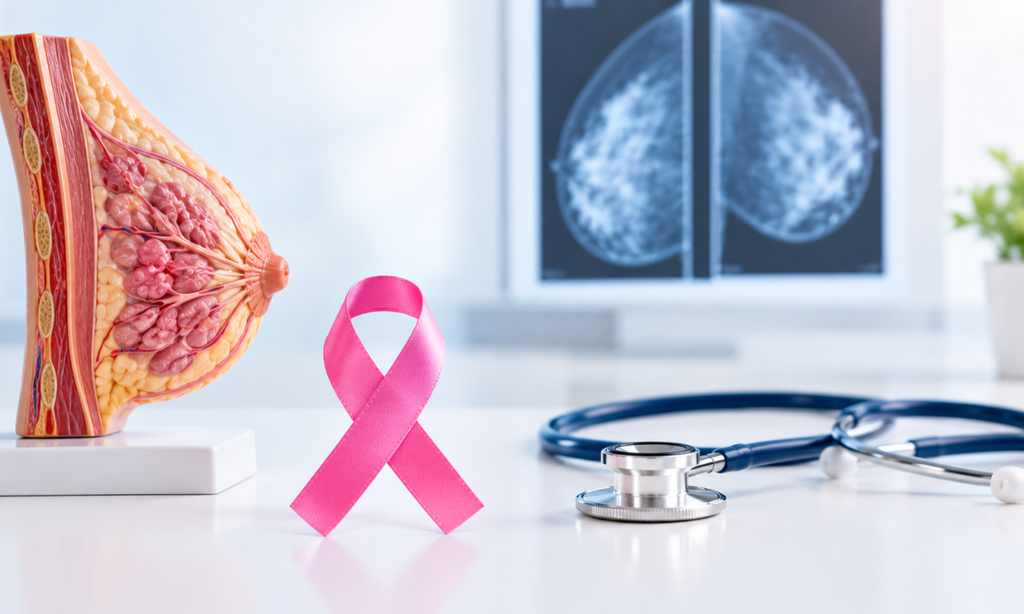
Breast cancer is the most commonly diagnosed cancer in women worldwide and the leading cause of cancer death in women. Men can also develop breast cancer, although this is rare.
Risk factors: Increasing age, a family history of breast or ovarian cancer, inherited changes in genes such as BRCA1 and BRCA2, starting periods early or menopause late, having a first child later in life, obesity after menopause, alcohol and low physical activity.
Possible symptoms:
- A new lump in the breast or armpit
- A change in the size or shape of the breast
- Dimpling or puckering of the skin
- Nipple changes, including inversion or discharge
- Redness, scaling or swelling of the breast
Early detection: When breast cancer is found early, treatment is far more likely to succeed. Mammography is the main screening test for women in the recommended age groups. Getting to know how your breasts normally look and feel, and reporting any change promptly, is just as important.
5. Stomach Cancer
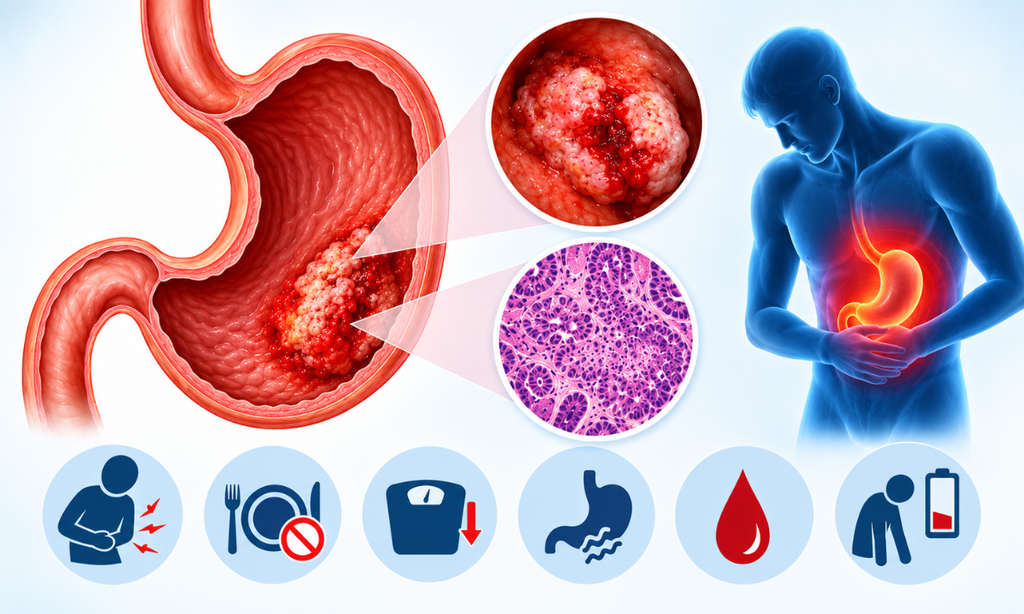
Stomach (gastric) cancer is the fifth leading cause of cancer death worldwide. It is more common in men and is often diagnosed at an advanced stage.
Risk factors: Long-term infection with Helicobacter pylori bacteria, a diet high in salted, smoked or pickled foods, smoking, a family history of stomach cancer and increasing age.
Possible symptoms:
- Persistent indigestion or heartburn
- Pain or discomfort in the upper abdomen
- Feeling full after eating only a small amount
- Nausea, vomiting or difficulty swallowing
- Unexplained weight loss or black, tarry stools
Early detection: There is no routine screening for stomach cancer in India. Early symptoms are often mistaken for acidity, so indigestion that keeps coming back, especially with weight loss or vomiting, should be checked by a doctor. An endoscopy can look directly at the stomach lining and take samples if needed.
How Do the Deadliest Cancers Differ in India?
India’s pattern is different from the global one. Breast, oral, cervical, lung and oesophageal cancers are among the leading causes of cancer death in India. Oral cancer is closely linked to chewing tobacco, gutka and areca nut, while cervical cancer is linked to human papillomavirus (HPV) infection, which is why HPV vaccination, screening and early detection matter so much.
Major cancers affecting men
- Lung cancer
- Oral cancer
- Oesophageal cancer
- Stomach cancer
- Liver and colorectal cancers
Major cancers affecting women
- Breast cancer
- Cervical cancer
- Ovarian cancer
- Lung cancer
- Oral cancer
These lists show the cancers with the greatest impact, not a strict ranking. Many of them can be prevented or found early. Women can also learn the early warning signs of gynecologic cancers to catch problems sooner.
Why Are Some Cancers Diagnosed at an Advanced Stage?
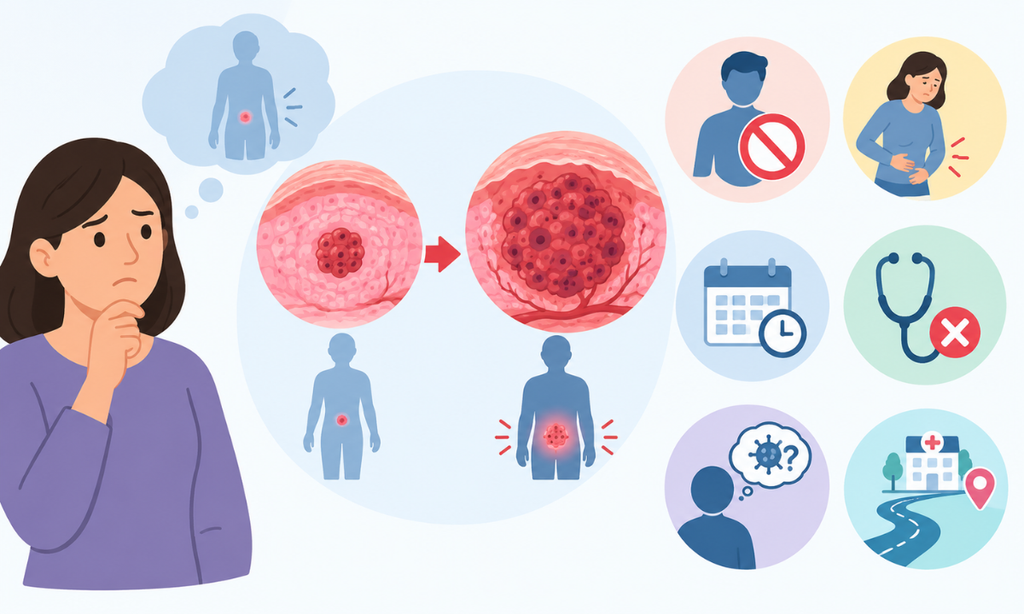
- Vague or absent early symptoms: Many common cancer symptoms, such as tiredness, indigestion or a cough, are easily put down to everyday conditions.
- Delay in seeking help: Fear, stigma or simply being busy can lead people to put off seeing a doctor.
- Limited screening: Effective screening tests exist for some cancers, including breast, cervical (see Pap smear vs HPV test), colorectal and, for high-risk people, lung cancer. Others have no reliable routine test.
- Access to care: Distance from specialist centres and delays in referral can affect when a diagnosis is made.
This is why early cancer detection matters so much. Finding cancer at an early stage often means simpler treatment and a much better chance of cure.
How Can You Reduce Your Cancer Risk?
Not every cancer can be prevented, but tackling the main cancer risk factors makes a real difference.
- Avoid all forms of tobacco, including smoking, chewing tobacco, gutka and areca nut, and avoid second-hand smoke.
- Avoid or limit alcohol. There is no completely safe level where cancer risk is concerned.
- Maintain a healthy weight and eat a balanced diet rich in vegetables, fruit, whole grains and pulses.
- Stay physically active for at least 150 minutes a week.
- Get vaccinated against hepatitis B and, where eligible, HPV.
- Follow screening advice based on your age, sex and personal and family history.
When Should You Consult a Cancer Specialist?
See a doctor if you notice any of these symptoms and they last more than two to three weeks:
- A persistent cough or coughing up blood
- A lump in the breast, neck, armpit or elsewhere
- A mouth ulcer or patch that does not heal
- Blood in the stool or a lasting change in bowel habits
- Persistent indigestion, difficulty swallowing or abdominal pain
- Yellowing of the skin or eyes
- Unexplained weight loss or ongoing tiredness
These symptoms do not necessarily mean cancer. Most are caused by less serious conditions, though ongoing tiredness can occasionally be one of the early signs of blood cancer. Even so, they should be checked by a qualified doctor. If you have symptoms or concerns about your cancer risk, the specialists at a cancer hospital in Bangalore can assess you and guide the right tests. If you are unsure where to go, this guide on how to choose the right oncology care hospital can help.
Frequently Asked Questions
What is the deadliest cancer in the world?
Lung cancer causes the most cancer deaths worldwide, around 1.8 million in 2022, according to IARC.
Which cancers cause the most deaths in men?
Globally, lung, liver, colorectal, stomach and prostate cancers cause the most deaths in men. In India, oral and oesophageal cancers are also major causes.
Which cancers cause the most deaths in women?
Breast cancer is the leading cause of cancer death in women worldwide, followed by lung, colorectal and cervical cancers.
Can cancer be detected before symptoms appear?
Yes, for some cancers. Mammography, cervical screening, colonoscopy and, for high-risk people, low-dose CT scans can find cancer before symptoms develop.
Can lifestyle changes reduce cancer risk?
Yes. Avoiding tobacco and alcohol, staying active, keeping a healthy weight and getting vaccinated can lower the risk of several of the most dangerous cancers.
Is cancer curable when diagnosed early?
Many cancers can be treated successfully when found early. The outlook depends on the type, the stage and the treatment received.
Schedule a Consultation at Dasappa Cancer Hospital
If you, a patient, or a family member is experiencing symptoms, contact our clinical oncology team in Bengaluru for an expert evaluation:
Hospital Location: Dasappa Memorial Institute of Oncology (Dasappa Cancer Hospital), No. 132, Gandhi Bazaar Main Road, Basavanagudi, Bengaluru, Karnataka 560078
Consultation Helpline: +91 80 2667 9294 / +91 98450 12345
Website: dasappacancerhospital.com
Services Available: Medical Oncology, Surgical Oncology, Day-Care Chemotherapy, Bone Marrow Diagnostics, Second Opinion Consultations.