

Women experience many physical and hormonal changes throughout their lives, and some symptoms can easily be mistaken for normal menstrual or reproductive changes. However, persistent or unusual changes should not always be overlooked. Understanding gynecologic cancer symptoms can help women recognize potential warning signs and seek appropriate medical advice when needed. Gynecologic cancers can affect different parts of the female reproductive system, including the cervix, ovaries, uterus, vagina, and vulva. For those who require further evaluation, exploring gynecological cancer treatment in Bangalore can help connect them with appropriate specialist care and treatment options.
If you notice persistent or unexplained changes, choosing the best cancer hospital in Bangalore for timely evaluation can help you receive appropriate specialist care. In this guide, we explore the early warning signs to watch for and when to consult a healthcare professional.
What Are Gynecologic Cancers?
Gynecologic cancers are cancers that develop in the female reproductive system. They can affect different organs and tissues, and each type may have different risk factors, symptoms, and treatment approaches.
Types of Gynecologic Cancers
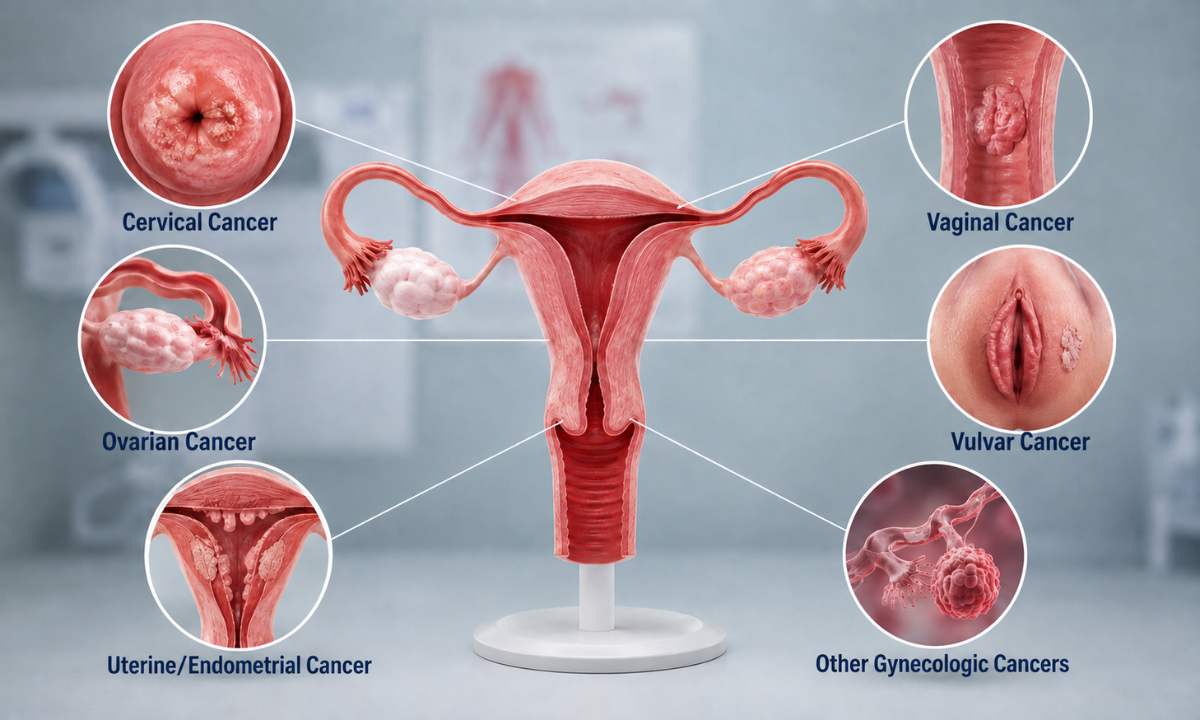
- Cervical Cancer: Develops in the cervix, the lower part of the uterus that connects to the vagina. Persistent infection with certain types of human papillomavirus (HPV) is the primary cause.
- Ovarian Cancer: Begins in the ovaries, which produce eggs and hormones. Symptoms can sometimes be subtle or mistaken for common digestive or menstrual problems.
- Uterine/Endometrial Cancer: Usually develops in the lining of the uterus, known as the endometrium. Abnormal vaginal bleeding, particularly after menopause, can be an important warning sign.
- Vaginal Cancer: Develops in the tissues of the vagina. It is relatively uncommon and may cause symptoms such as unusual bleeding, discharge, or a lump.
- Vulvar Cancer: Develops in the external female genital area. Changes such as persistent itching, skin colour changes, sores, or lumps may require medical evaluation.
- Other Gynecologic Cancers: Less common cancers can also affect parts of the reproductive system, including certain cancers of the fallopian tubes and other related tissues.
Important: Having one of these symptoms does not necessarily mean you have cancer. Many symptoms can be caused by non-cancerous conditions. Persistent or unexplained changes should be discussed with a healthcare professional.
Early Warning Signs of Gynecologic Cancers
The symptoms of gynecologic cancers can vary depending on the type of cancer and where it develops. Some warning signs may also resemble common menstrual, hormonal, or digestive problems, which can make them easy to overlook. Being aware of changes that are unusual, persistent, or different from your normal pattern can help you know when to seek medical advice.
1. Abnormal Vaginal Bleeding
Unexpected vaginal bleeding can be an important warning sign, particularly when it occurs outside your normal menstrual cycle. It may include:
- Periods that are unusually heavy or prolonged
- Bleeding after sexual intercourse
- Vaginal bleeding after menopause
While abnormal bleeding can have several non-cancerous causes, persistent or unexplained bleeding should be evaluated by a healthcare professional. It can also be one of the cervical cancer signs or a symptom associated with uterine or other gynecologic cancers.
2. Unusual Vaginal Discharge
Changes in vaginal discharge can sometimes indicate an underlying condition. Pay attention to the discharge that is:
- Unusual in colour or consistency
- Persistent or noticeably different from your normal discharge
- Watery or blood-stained
- Associated with an unusual odour
Discharge can occur for many reasons, including infections and other non-cancerous conditions, so it should not automatically be considered a sign of cancer.
3. Persistent Pelvic or Abdominal Pain
Ongoing pain or pressure in the pelvis or lower abdomen should not be ignored, particularly when it is new or unexplained. Some women may also experience:
- Persistent lower abdominal discomfort
- Pelvic pressure
- Lower back pain
- Pain during sexual intercourse
Persistent pelvic or abdominal symptoms can occur with several conditions, including some gynecologic cancers such as ovarian and uterine cancers.
4. Persistent Bloating or Feeling Full Quickly
Persistent abdominal bloating or swelling can sometimes be associated with ovarian cancer symptoms. Other changes may include:
- Feeling full after eating a small amount
- Reduced appetite
- Abdominal discomfort
- A noticeable increase in abdominal size
These symptoms are common and can have many causes. However, persistent or recurring changes should be discussed with a healthcare professional.
5. Changes in Urination or Bowel Habits
Some gynecologic cancers may cause pressure or changes around nearby organs. Possible symptoms include:
- Frequent or urgent urination
- Persistent constipation or diarrhoea
- Difficulty passing urine or stool
- Pelvic pressure or discomfort
- Noticeable changes in usual bowel or bladder habits
- Unusual vaginal bleeding, which may require further evaluation as part of a uterine cancer diagnosis
These symptoms can have many non-cancerous causes. However, persistent or unexplained changes should be evaluated by a healthcare professional. Depending on the symptoms and clinical findings, further tests such as imaging or tissue sampling may be recommended.
6. Unexplained Weight Loss or Persistent Fatigue
Unintentional weight loss, reduced appetite, or persistent fatigue can occur with many health conditions. When these changes are unexplained or occur alongside other persistent symptoms, they should be discussed with a doctor.
Remember: Experiencing one or more of these symptoms does not necessarily mean you have cancer, as they can also be caused by other conditions. However, persistent or unusual changes should not be ignored. Some symptoms may require timely medical evaluation, so it is important to consult a healthcare professional or visit the best cancer hospital in Bangalore for appropriate assessment and guidance.
How Are Gynecologic Cancers Diagnosed?

If a healthcare professional suspects a gynecologic cancer based on symptoms or examination, further tests may be recommended to determine the cause. The diagnostic approach depends on the type of cancer being considered, the symptoms, and the individual’s medical history.
1. Medical and Gynecological Examination
The doctor may discuss your symptoms, menstrual and reproductive history, previous medical conditions, and family history. A pelvic examination may also be performed when appropriate.
2. Screening Tests
Some gynecologic cancers have established screening methods. For example, Pap tests and HPV testing can help identify cervical cell changes or HPV infections associated with cervical cancer. Screening and diagnosis are different. A screening test can identify people who may need further evaluation, while diagnostic tests are used to investigate specific symptoms or abnormal findings.
3. Imaging Tests
Depending on the suspected condition, doctors may recommend imaging such as:
- Ultrasound
- CT scan
- MRI
These tests can help doctors examine organs, identify abnormalities, and understand the extent of a suspected disease.
4. Blood Tests
Blood tests may sometimes be used as part of the evaluation. Certain tests, including tumour markers, may provide additional information in selected cases, but they cannot usually diagnose cancer on their own.
5. Biopsy and Laboratory Examination
When cancer is suspected, a biopsy may be required. During a biopsy, a sample of tissue is collected and examined by a pathologist to determine whether cancer cells are present.
For conditions such as suspected uterine or endometrial cancer, tissue sampling can play an important role in diagnosis.
Why Timely Evaluation Matters
The diagnostic process helps doctors determine whether symptoms are caused by cancer or another condition and, when cancer is confirmed, identify its type and stage. This information helps the medical team develop an appropriate treatment plan tailored to the individual patient.
Why Women’s Cancer Awareness Matters
Women’s cancer awareness is not about being afraid of every unusual symptom. It is about understanding your body, recognizing meaningful changes, and knowing when to seek medical advice.
Know What Is Normal for You
Pay attention to your usual menstrual cycle, vaginal discharge, and overall health. Understanding your normal patterns can make it easier to notice changes that are unusual or persistent.
Don’t Normalise Persistent Symptoms
Symptoms such as abnormal bleeding, ongoing pelvic pain, or persistent bloating can have many causes. However, repeatedly dismissing changes as “normal” may delay appropriate medical evaluation.
Stay Informed About Screening
Some gynecologic cancers have recommended screening or preventive measures. For example, cervical cancer screening can help identify changes before they develop into cancer. Discuss appropriate screening with your healthcare professional based on your age, health history, and individual risk factors.
Understand Your Risk Factors
Your risk can be influenced by factors such as age, family history, certain infections, hormonal or reproductive factors, and other individual health circumstances. Knowing your personal and family medical history can help you have more informed conversations with your doctor.
Seek Professional Advice When Something Changes
Awareness should lead to action when necessary. If you notice persistent, unusual, or unexplained symptoms, speaking with a healthcare professional can help identify the cause and determine whether further evaluation is required.
The goal of awareness is not self-diagnosis; it is knowing when a change deserves attention.
Conclusion
Recognising changes in your body is an important part of women’s health. While symptoms such as abnormal bleeding, persistent pelvic pain, unusual discharge, bloating, or unexplained weight loss can have many causes, persistent or unusual symptoms should not be ignored.
Understanding gynecologic cancer symptoms, staying informed about recommended screenings, and seeking medical advice when something feels different can support timely evaluation and appropriate care. A symptom does not automatically mean cancer, but getting it checked can provide clarity and peace of mind.
If you are experiencing persistent or unexplained symptoms or have been diagnosed with gynecologic cancer, consulting a specialist can help you understand your condition and treatment options. Dasappa Cancer Hospital provides specialised cancer care with treatment plans tailored to each patient’s diagnosis, condition, and individual needs. Seeking timely medical evaluation can help you take the right steps toward appropriate care.
Frequently Asked Questions About Gynecologic Cancer Symptoms
1. What are the common symptoms of gynecologic cancers?
Common symptoms may include abnormal vaginal bleeding, unusual vaginal discharge, persistent pelvic or abdominal pain, bloating, changes in bowel or bladder habits, unexplained weight loss, and persistent fatigue. These symptoms can also occur due to non-cancerous conditions, so persistent or unusual changes should be evaluated by a healthcare professional.
2. Are ovarian cancer symptoms easy to recognize?
Some ovarian cancer symptoms can be difficult to identify because they may resemble common digestive or menstrual problems. Persistent bloating, abdominal or pelvic discomfort, feeling full quickly, and changes in urinary or bowel habits may occur. If these symptoms are new, persistent, or unusual for you, speak with a healthcare professional.
3. Is abnormal vaginal bleeding always a sign of cancer?
No. Abnormal vaginal bleeding can have several causes, including hormonal changes, fibroids, infections, and other gynecological conditions. However, unexpected, persistent, or postmenopausal bleeding should be discussed with a doctor to determine the underlying cause.
4. When should I see a doctor about gynecologic cancer symptoms?
Consider seeking medical advice if you notice persistent, unexplained, or unusual changes such as abnormal bleeding, pelvic pain, unusual discharge, persistent bloating, or unexplained weight loss. A healthcare professional can determine whether further examination or testing is necessary.
5. How are gynecologic cancers diagnosed?
Diagnosis depends on the suspected type of cancer and may involve a medical and pelvic examination, screening tests, imaging such as ultrasound or MRI, blood tests in selected cases, and a biopsy when necessary. The appropriate tests are determined by the healthcare professional based on the patient’s symptoms and medical history.