
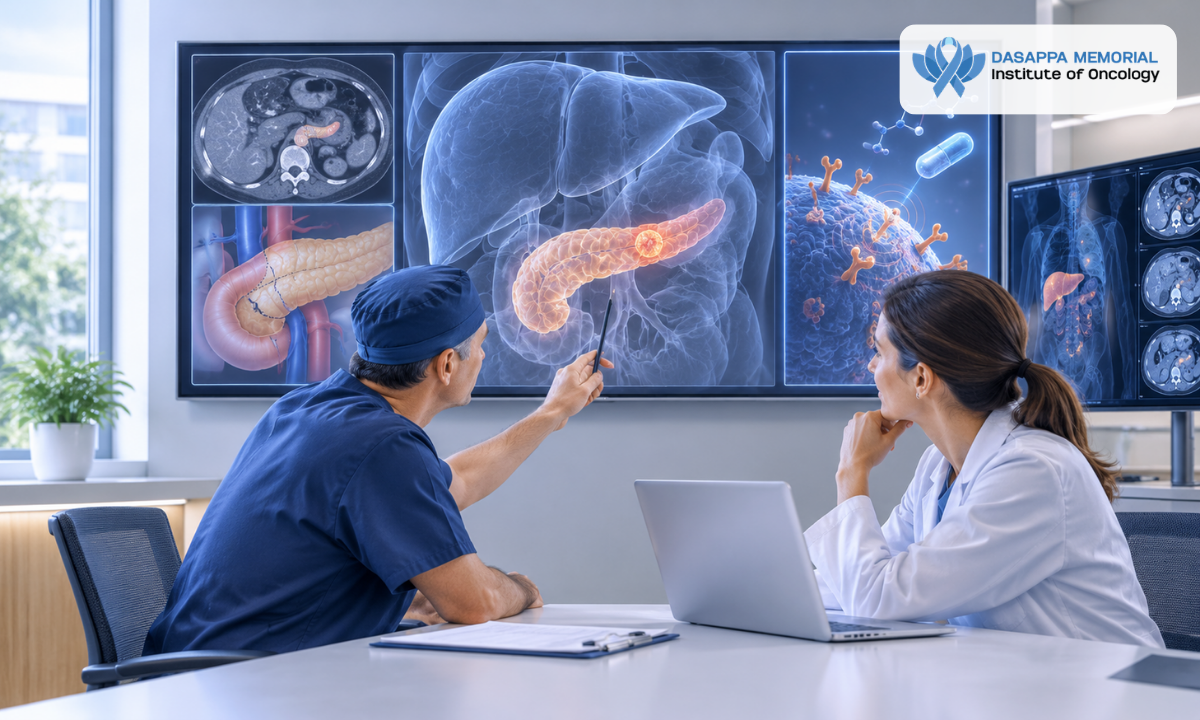
Receiving a diagnosis of neuroendocrine tumors in the pancreas (pNETs or islet cell tumors) often brings significant uncertainty, especially when determining the right treatment pathway.
Unlike aggressive pancreatic ductal adenocarcinomas that arise from exocrine ducts, neuroendocrine tumors originate from hormone-producing islet cells and typically follow a more indolent, varied biological course. When navigating the choice between curative surgical resection and modern systemic medications, consulting the Best Cancer Hospital in Bangalore ensures access to experienced surgical oncologists and multidisciplinary tumor boards capable of tailoring treatment to exact tumor biology.
Pancreatic neuroendocrine tumors account for less than 5% of all pancreatic neoplasms. They represent a biologically diverse spectrum ranging from slow-growing, well-differentiated, localized lesions to aggressive, poorly differentiated neuroendocrine carcinomas. As of this wide biological variability, treatment is never one-size-fits-all:
- Surgical Oncology: Remains the only definitive, curative modality for localized tumors and resectable lesions, offering long-term disease-free survival through precise tumor removal or organ-preserving resections.
- Targeted Molecular Therapies: Provide crucial systemic disease control for unresectable, advanced, or metastatic tumors by inhibiting intracellular signaling pathways (such as mTOR and VEGF pathways) without the severe toxicities of traditional cytotoxic chemotherapy.
Deciding between upfront surgery, targeted therapy, or a combined multimodal sequence depends on precise tumor grading (Ki-67 proliferation index), anatomical vascular involvement, functional hormone secretion, and metastatic spread.
What You Will Discover in This Guide
- Clinical Presentation & Syndromic Triage: Identifying functional hormone syndromes versus silent, non-functional pancreatic masses.
- Curative Surgical Pathways: How specialized resections like enucleation, distal pancreatectomy, and the Whipple procedure eradicate localized disease.
- Targeted Molecular Therapies: How mTOR inhibitors, tyrosine kinase inhibitors (TKIs), and peptide receptor radionuclide therapy (PRRT) control systemic progression.
- The Decision Framework: How surgical oncologists and medical oncologists determine the optimal timing for surgery versus targeted therapy.
Surgical Oncology Expertise at Dasappa Cancer Hospital: Managing pancreatic neuroendocrine neoplasms requires meticulous anatomical planning, vascular precision, and organ preservation whenever oncologically safe. Under the leadership of Dr. Pandu Dasappa (M.Ch Surgical Oncology, GCRI Ahmedabad; 27+ years of surgical experience), Dasappa Cancer Hospital provides ethical, patient-centric, and evidence-based surgical oncology care to achieve optimal long-term outcomes.
Medical Disclaimer
The clinical indications, surgical techniques, and systemic drug classifications discussed in this guide are provided strictly for educational and public health awareness purposes. This content does not constitute formal medical advice, clinical diagnosis, or a personalized oncology treatment protocol. Neuroendocrine neoplasms are complex and heterogeneous; all diagnostic investigations, surgical procedures, and targeted therapies must be evaluated and managed by a qualified surgical oncologist, medical oncologist, or multidisciplinary cancer care team.
Clinical Presentation & Diagnostic Triage: Functional vs. Non-Functional Tumors
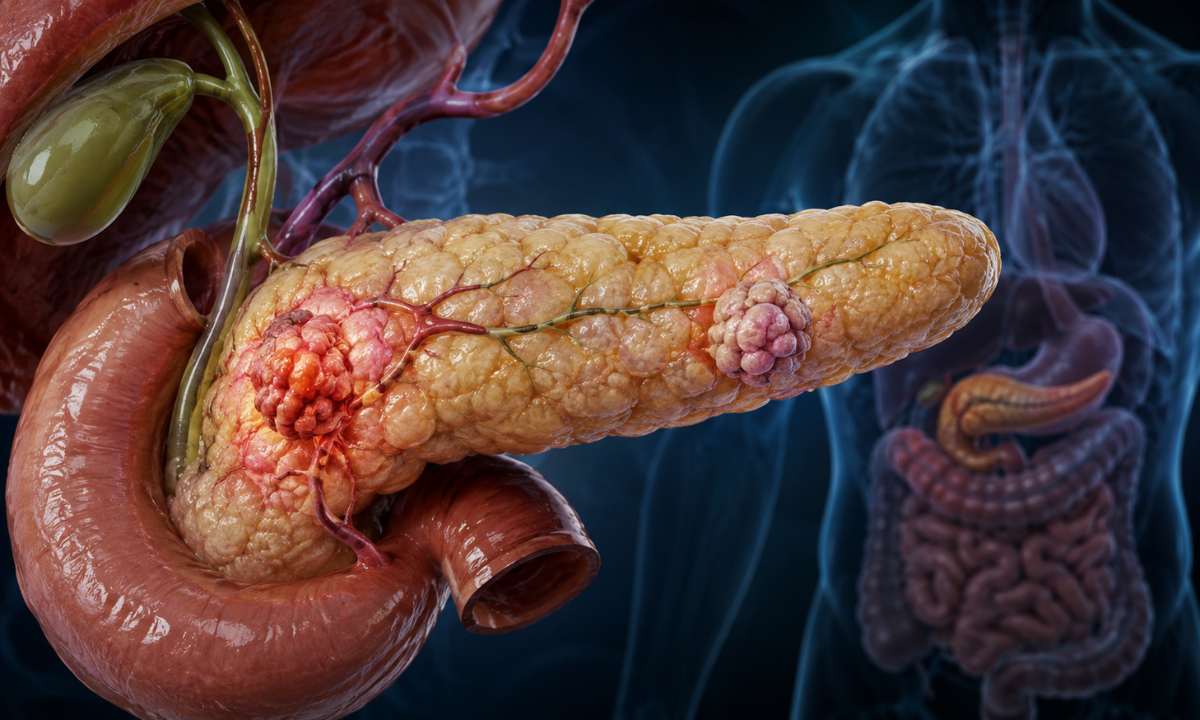
Pancreatic neuroendocrine neoplasms are broadly classified into two distinct clinical categories: functional (hormone-secreting) and non-functional (non-secretory) tumors. As their biological behavior varies significantly, recognizing specific pancreatic neuroendocrine cancer symptoms early is critical for timely staging and surgical decision-making.
1. Functional pNETs: Hormone-Driven Syndromes (10%–15% of Cases)
Functional tumors secrete biologically active peptide hormones into systemic circulation, causing distinct clinical syndromes often while the primary tumor is still small (< 2 cm):
- Insulinomas (Most Common): Excess insulin production causes recurrent fasting hypoglycemia, cold sweats, neuroglycopenic confusion, palpitations, and rapid relief after glucose consumption (Whipple’s triad).
- Gastrinomas (Zollinger-Ellison Syndrome): Uncontrolled gastrin release causes refractory, recurrent peptic ulcer disease in atypical anatomical locations and persistent secretory diarrhea.
- Glucagonomas: Manifest as the “4D syndrome”: diabetes mellitus, deep vein thrombosis, depression, and a characteristic severe migrating rash known as necrolytic migratory erythema.
- VIPomas (Verner-Morrison Syndrome): Produce vasoactive intestinal peptide, triggering profuse watery diarrhea, hypokalemia, and achlorhydria (WDHA syndrome).
- Somatostatinomas: Present with an inhibitory triad of mild diabetes, gallstones (cholelithiasis), and steatorrhea.
2. Non-Functional pNETs: Silent Mass Effect (85%–90% of Cases)
Non-functional tumors do not produce clinical hormone hypersecretion. Consequently, they frequently grow undetected for years until their physical volume exerts mass effect on adjacent biliary or vascular structures:
- Dull Epigastric / Back Pain: Caused by retroperitoneal stretching or tumor abutment against the celiac plexus.
- Painless Obstructive Jaundice: Occurs when tumors in the pancreatic head compress the common bile duct.
- Unexplained Weight Loss & Satiety: Secondary to pancreatic exocrine insufficiency, duodenal compression, or systemic catabolism.
- Incidental Radiological Discovery: Increasingly identified during routine abdominal ultrasound or cross-sectional scans performed for unrelated abdominal complaints.
3. Comprehensive Diagnostic & Staging Workup
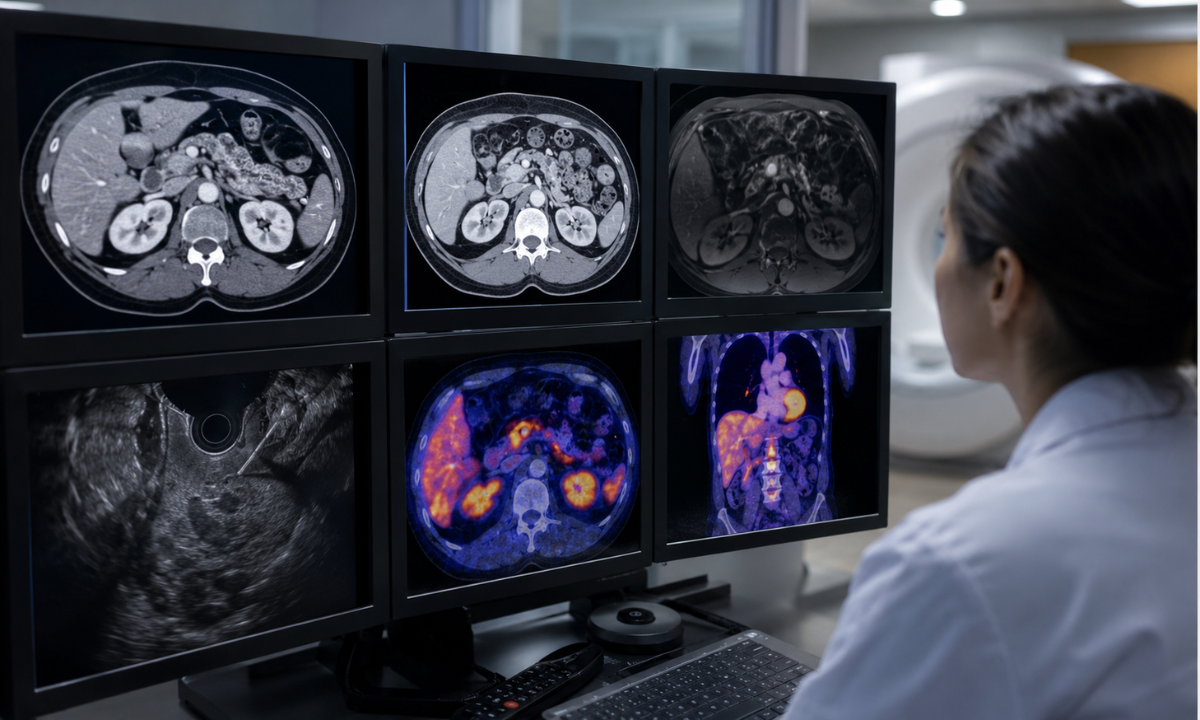
Accurate surgical and therapeutic mapping requires high-resolution multi-modality staging:
| Diagnostic Modality | Clinical Role in pNET Evaluation | Key Finding / Diagnostic Value |
|---|---|---|
| Multiphasic Pancreas CT / Dynamic MRI | First-line anatomical mapping and vascular assessment. | Identifies characteristic intense arterial phase hyperenhancement and delineates mesenteric vascular contact. |
| 68Ga-DOTATATE / DOTANOC PET-CT | Functional Somatostatin Receptor (SSTR) molecular imaging. | Exceptional sensitivity (> 90%) for identifying occult primary sites, nodal involvement, and distant metastases. |
| Endoscopic Ultrasound (EUS) & Core Biopsy | Direct high-resolution visualization and histological tissue sampling. | Facilitates core biopsy for definitive histopathology, neuroendocrine markers (Chromogranin A, Synaptophysin), and Ki-67 index grading. |
Pathological Grading & The Ki-67 Proliferation Index
Pathological grading via the Ki-67 proliferation index (a cellular marker of active mitosis) provides the primary biological benchmark that guides the choice between upfront surgery and targeted medical therapy:
- Grade 1 (G1 – Low Grade): Ki-67 < 3% (mitotic count < 2 / 10 HPF). Indolent behavior, high cure rates with surgical resection.
- Grade 2 (G2 – Intermediate Grade): Ki-67 3% to 20% (mitotic count 2–20 / 10 HPF). Moderately aggressive; requires careful margin clearance and lymphadenectomy.
- Grade 3 (G3 – High Grade): Ki-67 > 20%. Divided into well-differentiated G3 NETs and poorly differentiated neuroendocrine carcinomas (NEC), requiring comprehensive multidisciplinary systemic control.
Surgical Triage Note: For localized G1 and G2 neuroendocrine tumors, complete surgical resection with negative margins provides the best pathway to long-term cure. For high-grade or metastatic lesions, molecular tumor board evaluation determines whether upfront surgery or targeted therapy takes precedence.
For a deeper look into the clinical and biochemical differences between functional and silent islet cell tumors, explore this Overview of Functioning vs Non-Functioning Pancreatic NETs to understand how hormone status influences disease presentation and treatment.
Surgical Oncology Pathway: Curative Resection for Localized Tumors
Complete surgical resection represents the only definitive, curative treatment modality for patients with localized tumors of the pancreas. As pancreatic parenchyma governs vital endocrine and exocrine functions, modern surgical oncology prioritizes maximizing oncological margin clearance while preserving as much functional glandular tissue as clinically feasible. A broader understanding of cancer treatment modalities can help explain how surgery fits within the overall oncology treatment pathway.
The choice of surgical procedure is guided by tumor size, anatomical location (head, neck, body, or tail), proximity to the main pancreatic duct (Wirsung duct), and biological aggressiveness (Ki-67 index).
Surgical Decision Matrix by Anatomical Location
| Anatomical Location & Tumor Profile | Recommended Surgical Procedure | Key Oncological Objective | Functional Preservation |
|---|---|---|---|
| Small, Peripheral Lesion (< 2 cm)• Solitary insulinoma or G1 pNET• > 2–3 mm from main duct | Parenchyma-Sparing Enucleation | Local tumor excision without anatomical resection of the surrounding pancreas. | Maximum: Preserves nearly 100% of endocrine and exocrine function. |
| Pancreatic Head / Uncinate Process• Lesions > 2 cm or close to the duct• Intermediate-grade (G2) or invasive | Whipple Procedure(Pancreaticoduodenectomy) | En-bloc resection of pancreatic head, duodenum, gallbladder, and distal bile duct with regional lymphadenectomy. | Reconstructs digestive continuity via pancreaticojejunostomy and hepaticojejunostomy. |
| Pancreatic Neck / Mid-Body• Small, low-grade G1/G2 lesions• Distant from gastroduodenal artery | Central Pancreatectomy(Segmental Resection) | Excision of the central pancreatic segment while preserving the head and distal tail. | Avoids extensive organ loss, significantly reducing long-term brittle diabetes risk. |
| Pancreatic Body & Tail• Lesions of any size or grade in the distal gland | Distal Pancreatectomy(Open or Laparoscopic) | Anatomical resection of the pancreas body and tail with regional nodal dissection. | The spleen is preserved whenever oncologically safe using vascular preservation techniques. |
1. Parenchyma-Sparing Enucleation vs. Formal Resection
For small (< 2 cm), benign or low-grade insulinomas located superficially along the pancreatic capsule, formal radical surgery can often be avoided. Enucleation involves carefully dissecting the encapsulated tumor away from healthy parenchyma without transecting the gland.
However, if pre-operative endoscopic ultrasound (EUS) or intraoperative ultrasound reveals that the tumor lies within 2 to 3 mm of the main pancreatic duct, formal anatomical resection is mandated to prevent high-output postoperative pancreatic fistulas.
2. Distal Pancreatectomy & Spleen-Preserving Techniques
When neuroendocrine neoplasms arise within the body or tail of the pancreas, a distal pancreatectomy is the gold standard surgical intervention. During this procedure, the surgeon transects the pancreas to the left of the superior mesenteric vein-portal vein confluence:
- Spleen-Preserving Distal Pancreatectomy (Kimura Technique): In low-grade, non-invasive pNETs, the splenic artery and vein are meticulously dissected and preserved, saving the spleen and protecting the patient’s lifelong immune defense against encapsulated bacteria.
- Warshaw Technique: In cases where splenic vessels cannot be peeled from the tumor, the spleen is saved by preserving the short gastric and left gastroepiploic collateral vessels.
- Distal Pancreatectomy with Splenectomy (RAMPS): For larger or higher-grade (G2/G3) tumors demonstrating local invasive features, an en-bloc resection of the pancreatic tail, spleen, and surrounding retroperitoneal lymph nodes is performed to guarantee R0 (microscopically negative) surgical margins.
3. Pancreaticoduodenectomy (The Whipple Procedure)
For neuroendocrine tumors situated in the pancreatic head or periampullary region, a Whipple resection provides definitive clearance:
- Vascular Clearance: Resection includes meticulous mobilization of the portal vein and superior mesenteric vein, ensuring complete lymph node clearance along station 8 (hepatic artery), station 12 (hepatoduodenal ligament), and station 14 (superior mesenteric root).
- Minimally Invasive Approaches: Depending on tumor size and vascular proximity, advanced laparoscopic or robotic platforms allow experienced surgical oncologists to perform complex resections through small incisions, minimizing blood loss and shortening postoperative recovery times.
Achieving an R0 resection where no microscopic tumor cells remain at the surgical margin is the single strongest prognostic indicator for long-term cure in localized pancreatic neuroendocrine neoplasms. Every surgical plan must be tailored to balance aggressive oncological clearance with functional organ preservation.
Targeted Molecular Therapies & Systemic Disease Control
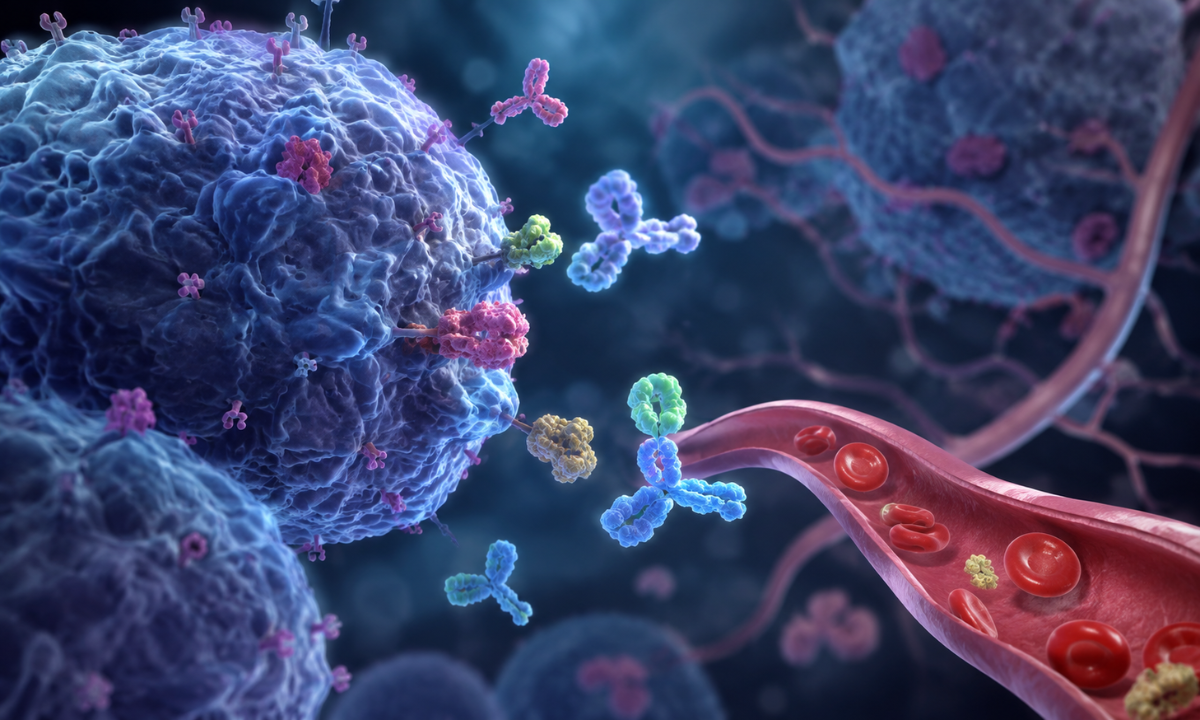
When pancreatic neuroendocrine neoplasms present with locally advanced, surgically unresectable disease or distant spread, most commonly presenting as metastatic tumors in the liver, regional lymph nodes, or peritoneum, systemic medical therapy becomes the primary foundation of disease management.
Unlike conventional pancreatic adenocarcinoma, which depends heavily on aggressive cytotoxic regimens, well-differentiated pNETs respond exceptionally well to targeted therapy and other biologically directed agents that inhibit tumor proliferation, suppress hormone hypersecretion, and disrupt tumor angiogenesis.
Targeted Systemic Therapy Matrix for Advanced & Metastatic pNETs
| Therapeutic Class | Primary Agents | Mechanism of Action | Clinical Indication & Benefit |
|---|---|---|---|
| Somatostatin Analogs (SSAs) | Octreotide LAR, Lanreotide Autogel | Binds high-affinity SSTR-2 and SSTR-5 receptors on tumor cell membranes. | First-line anti-proliferative therapy for low-to-intermediate grade (G1/G2) tumors; controls secretory hormone syndromes. |
| mTOR Pathway Inhibitors | Everolimus (Afinitor) | Selectively inhibits the mammalian target of rapamycin (mTOR) serine/threonine kinase. | Halts downstream protein synthesis and cellular proliferation in progressive, unresectable or metastatic pNETs. |
| Tyrosine Kinase Inhibitors (TKIs) | Sunitinib (Sutent), Surufatinib, Cabozantinib | Multitargeted inhibition of VEGFR, PDGFR, and KIT receptors. | Anti-angiogenic effect: blocks the rich vascular network typical of hypervascular neuroendocrine neoplasms. |
| Peptide Receptor Radionuclide Therapy (PRRT) | 177Lu-DOTATATE (Lutathera) | Delivers targeted beta-emitting radionuclide therapy directly to SSTR-expressing tumor cells. | High disease control rates in progressive, SSTR-positive metastatic disease; delivers localized radiation with minimal healthy tissue toxicity. |
| Targeted Alkylating Chemotherapy | CAPTEM (Capecitabine + Temozolomide) | Oral doublet chemotherapy induces DNA methylation and synergistic cytotoxicity. | Preferred systemic regimen for bulky, symptomatic, or rapidly progressing G2/G3 neuroendocrine tumors. |
1. Somatostatin Analogs (SSAs): First-Line Stabilization
For patients with well-differentiated, slowly progressing G1 and G2 neuroendocrine tumors expressing somatostatin receptors, long-acting somatostatin analogs serve as the initial standard of care:
- Dual Mechanism of Action: SSAs provide dual clinical benefits by deactivating intracellular adenylyl cyclase to suppress peptide hormone release (relieving severe diarrhea, flushing, and hypoglycemia) while simultaneously upregulating cell-cycle arrest genes to halt tumor progression.
- Pivotal Trial Evidence: Landmark randomized Phase III clinical trials (PROMID and CLARINET) demonstrated that monthly depot injections of Octreotide or Lanreotide significantly prolong progression-free survival (PFS) in patients with both stable and slowly advancing metastatic disease.
2. Small-Molecule Targeted Oral Agents: Everolimus & Sunitinib
When neuroendocrine tumors demonstrate radiological progression on first-line SSAs, orally bioavailable targeted agents provide disease control:
- Everolimus (mTOR Inhibition): Aberrant activation of the PI3K/Akt/mTOR signaling cascade is a hallmark of pancreatic neuroendocrine tumorigenesis. By inhibiting this central intracellular pathway, Everolimus interrupts cellular metabolism, nutrient uptake, and cell division.
- Sunitinib (Angiogenesis Blockade): Pancreatic NETs are notoriously vascular neoplasms with dense capillary networks driven by vascular endothelial growth factor (VEGF). Sunitinib targets multiple receptor tyrosine kinases, starving metastatic tumor deposits of their vascular blood supply and inducing microvascular regression.
3. Peptide Receptor Radionuclide Therapy (PRRT)
PRRT represents a form of molecular theranostics for advanced neuroendocrine disease:
- Targeted Radiation Delivery: Utilizing somatostatin receptor scintigraphy (68Ga-DOTATATE PET-CT) to confirm strong SSTR expression, patients receive intravenous infusions of Lutetium-177 coupled with a somatostatin analog peptide.
- Cellular Precision: The radioactive compound binds selectively to tumor cells across all metastatic sites, internalizes, and emits short-range beta particles (< 2 mm path length) that induce lethal double-stranded DNA breaks in malignant cells while sparing surrounding normal organs.
Systemic Management Strategy: For patients with advanced or metastatic neuroendocrine tumors, modern targeted systemic therapies have transformed pNETs into manageable chronic conditions. The choice between oral inhibitors, somatostatin analogs, and radionuclide therapy is tailored to somatostatin receptor expression, tumor burden, and pace of progression.
Multidisciplinary Decision Matrix: Surgery vs. Targeted Therapy

Determining whether a patient should undergo upfront surgical resection, targeted medical therapy, or an integrated combination is the central clinical challenge in managing pancreatic neuroendocrine neoplasms. As pNETs exhibit diverse biological behaviors ranging from indolent single nodules to multi-organ metastases, treatment choices are guided by institutional Tumor Boards rather than isolated specialist opinions. At a dedicated Cancer Treatment Hospital in Bangalore, surgical oncologists, medical oncologists, gastroenterologists, and nuclear medicine experts collaborate to design individualized therapeutic roadmaps based on objective clinical scenarios.
Scenario-Based Clinical Decision Pathways
1. The Upfront Curative Surgical Route
Surgery is the undisputed first-line treatment when the tumor is localized and anatomically resectable without distant metastatic spread:
- Clinical Criteria: Well-differentiated G1 or G2 pNETs, absence of distant metastases, clear fat planes around the superior mesenteric artery (SMA) and celiac axis, or symptomatic functional insulinomas.
- Therapeutic Goal: Complete surgical resection via enucleation, distal pancreatectomy, or the Whipple procedure to achieve long-term cure and prevent future malignant transformation.
- Role of Targeted Therapy: Generally not indicated in fully resected G1/G2 tumors; patients enter structured post-operative surveillance protocols.
2. The Primary Targeted & Molecular Therapy Route
When tumors have spread widely to distant organs or present with aggressive histopathology, systemic targeted therapy becomes the cornerstone of management:
- Clinical Criteria: Unresectable primary tumors encasing major mesenteric arterial vessels, diffuse bilobar hepatic metastases exceeding 75% of liver volume, or high-grade neuroendocrine carcinomas (Ki-67 > 20%).
- Therapeutic Goal: Achieve systemic disease stabilization, induce cellular apoptosis, halt tumor angiogenesis, and resolve debilitating hormone hypersecretion syndromes.
- First-Line Regimens: Long-acting somatostatin analogs (Lanreotide/Octreotide) for indolent disease, oral targeted agents (Everolimus or Sunitinib) for progressive disease, or 177Lu-DOTATATE PRRT for strongly SSTR-positive tumors.
3. The Cytoreductive (Debulking) & Hybrid Surgical Route
Unlike pancreatic adenocarcinoma, where surgery is rarely performed in the presence of metastases, pancreatic neuroendocrine tumors present unique biological opportunities for aggressive surgical cytoreduction:
- Clinical Criteria: Low-grade (G1/G2) tumors with resectable primary lesions and limited, slow-growing liver metastases where at least 70% to 90% of the total tumor burden can be safely removed or ablated.
- Therapeutic Strategy:
- Primary Resection + Hepatic Metastasectomy: Resecting the primary pancreatic tumor combined with staged anatomical liver resections or intraoperative radiofrequency/microwave ablation (RFA/MWA).
- Sequential Targeted Therapy: Following surgical debulking, patients transition to somatostatin analogs or targeted oral kinase inhibitors to suppress residual micro-metastatic foci.
- Clinical Outcome: Significantly alleviates refractory hormone syndromes, reduces the risk of local bowel obstruction or jaundice, and prolongs progression-free survival.
4. The Neoadjuvant Downstaging Route
For locally advanced tumors that abut critical mesenteric vessels, modern systemic therapies are increasingly utilized prior to surgery:
- Clinical Criteria: Borderline resectable tumors involving the portal vein or superior mesenteric vein that preclude safe upfront margin-negative excision.
- Therapeutic Strategy: Patients receive induction targeted therapy (such as CAPTEM chemotherapy or PRRT) to shrink tumor volume and pull malignant tissue away from vascular structures.
- Surgical Re-evaluation: Patients undergoing downstaging are rescanned at 3-to-6-month intervals; those demonstrating significant radiological regression are taken forward for definitive curative resection.
The Multidisciplinary Rule: Surgery provides anatomical clearance, while targeted therapy provides biological control. The most successful outcomes in pancreatic neuroendocrine oncology occur when both modalities are coordinated by an integrated surgical and medical oncology team.
Surgical Oncology Precision at Dasappa Cancer Hospital
Managing neuroendocrine tumors of the pancreas requires specialized surgical expertise, delicate vascular handling, and an individualized multidisciplinary approach. At Dasappa Cancer Hospital (Dasappa Memorial Institute of Oncology), our clinical philosophy balances rigorous oncological clearance with organ and functional preservation to ensure the highest quality of long-term survivorship.
Key Surgical & Clinical Advantages at Dasappa Cancer Hospital
- Experienced Surgical Leadership: Led by Dr. Pandu Dasappa (M.Ch. Surgical Oncology, GCRI Ahmedabad), bringing over 27 years of specialized oncology experience in complex gastrointestinal, hepato-pancreato-biliary, and retroperitoneal tumor resections.
- Organ-Preserving & Parenchyma-Sparing Techniques: Whenever clinically safe, our surgical team prioritizes parenchyma-sparing enucleations, central pancreatectomies, and spleen-preserving distal pancreatectomies to protect normal insulin production and digestive enzyme function.
- Advanced Laparoscopic & Minimally Invasive Surgery: Equipped with state-of-the-art modular operating theatres designed for precision laparoscopic oncology, reducing intraoperative blood loss, minimizing wound complications, and accelerating postoperative recovery.
- Multidisciplinary Tumor Board Care: Every pNET case is reviewed collectively by surgical oncologists, medical oncologists, and gastroenterologists to determine the exact sequence of upfront surgery, neoadjuvant downstaging, or systemic targeted therapy.
A dedicated 75-bed super-speciality cancer facility featuring modular operating suites, intensive care units (ICU), specialized chemotherapy day-care wards, in-house diagnostics, and comprehensive pain and palliative rehabilitation services.
Conclusion
Pancreatic neuroendocrine tumors require an individualized, biology-driven treatment strategy. While localized, low-to-intermediate-grade tumors achieve high cure rates through precise surgical resection, advanced or metastatic lesions can be effectively managed for years using modern targeted therapies, somatostatin analogs, and radionuclide treatments. By combining surgical skill with systemic medical therapies, patients with pNETs can achieve durable disease control while preserving vital organ function.
Schedule a Surgical Oncology Consultation at Dasappa Cancer Hospital
If you or a loved one has been diagnosed with a pancreatic mass, neuroendocrine tumor, or requires an expert surgical second opinion, connect with our oncology team in Bengaluru:
- Hospital Address:
Dasappa Cancer Hospital (DMIO),
No. 51/2, Vanivilas Road, Opposite National College, Gandhi Bazaar, Basavanagudi, Bengaluru, Karnataka – 560004 - Helpline & Appointments: +91 88841 66664
- Email: docpandu@gmail.com
Website: dasappacancerhospital.com