“Doctor, is there any hope beyond what I have already tried?”
If you or a loved one has ever asked this question, you are not alone. A breast cancer diagnosis can feel overwhelming, but the landscape of treatment for breast cancer has evolved dramatically in recent years, especially at a trusted cancer treatment hospital in Bangalore, where advanced care meets compassionate support.
Today, patients are no longer limited to one-size-fits-all approaches. Instead, therapies are smarter, more personalised, and significantly more effective. From precision medicine to next-generation therapies, breakthroughs in 2026 are transforming survival rates and quality of life. So what exactly has changed, and how can they help you make informed decisions? Let’s understand.
Key Points at a Glance
- Early detection combined with personalised treatment plans improves survival outcomes
- Targeted therapy and immunotherapy are redefining care for advanced stages
- Minimally invasive surgical oncology techniques enhance recovery and cosmetic outcomes
- Modern chemotherapy is safer, more precise, and better tolerated
- Genetic insights help answer: Is breast cancer genetic?
- Stage 3 breast cancer is increasingly manageable with combination therapies
- Access to a specialised cancer treatment hospital in Bangalore ensures holistic and advanced care
1. Precision Medicine: Tailored Treatment Like Never Before
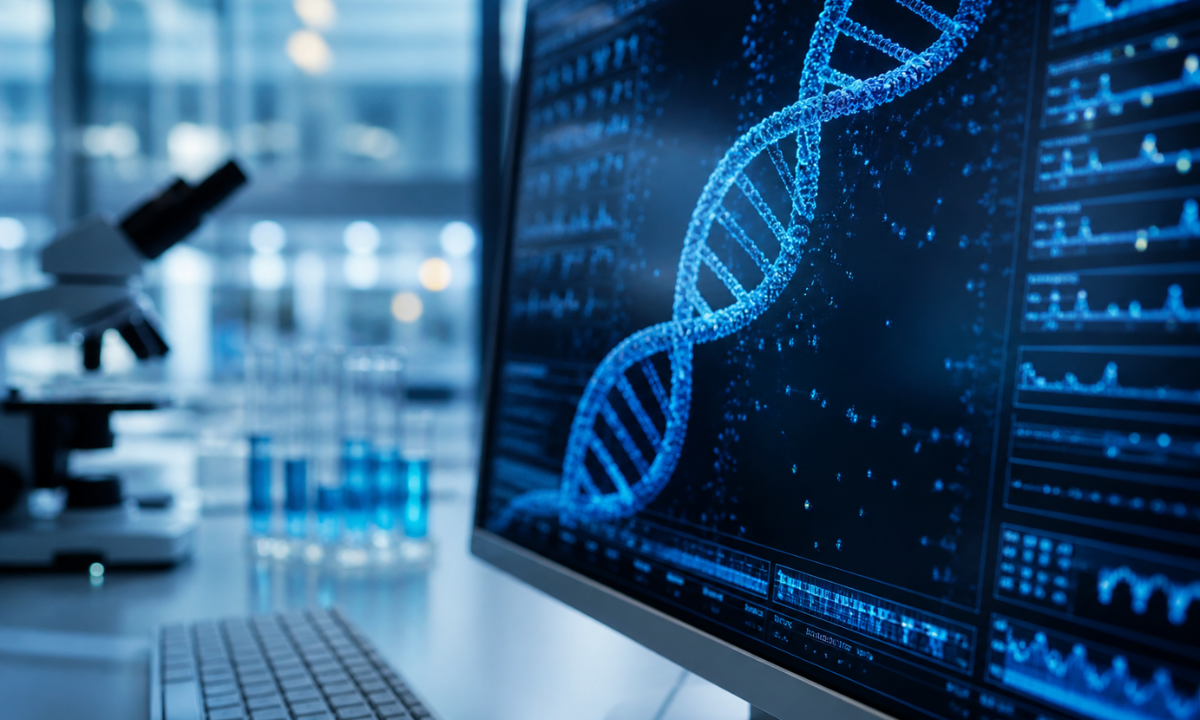
One of the most impactful breakthroughs in 2026 is precision medicine, which focuses on tailoring treatment based on the genetic makeup of both the patient and the tumour. Doctors now use advanced genomic testing to identify mutations that drive cancer growth, allowing them to select therapies that directly target those abnormalities.
This approach also helps address a common concern: Is breast cancer genetic? While not all breast cancers are inherited, about 5–10% are linked to genetic mutations such as BRCA1 and BRCA2. Identifying these mutations early enables proactive treatment plans, risk reduction, and even preventive care for family members.
2. Targeted Therapy: Smarter, More Effective Drugs
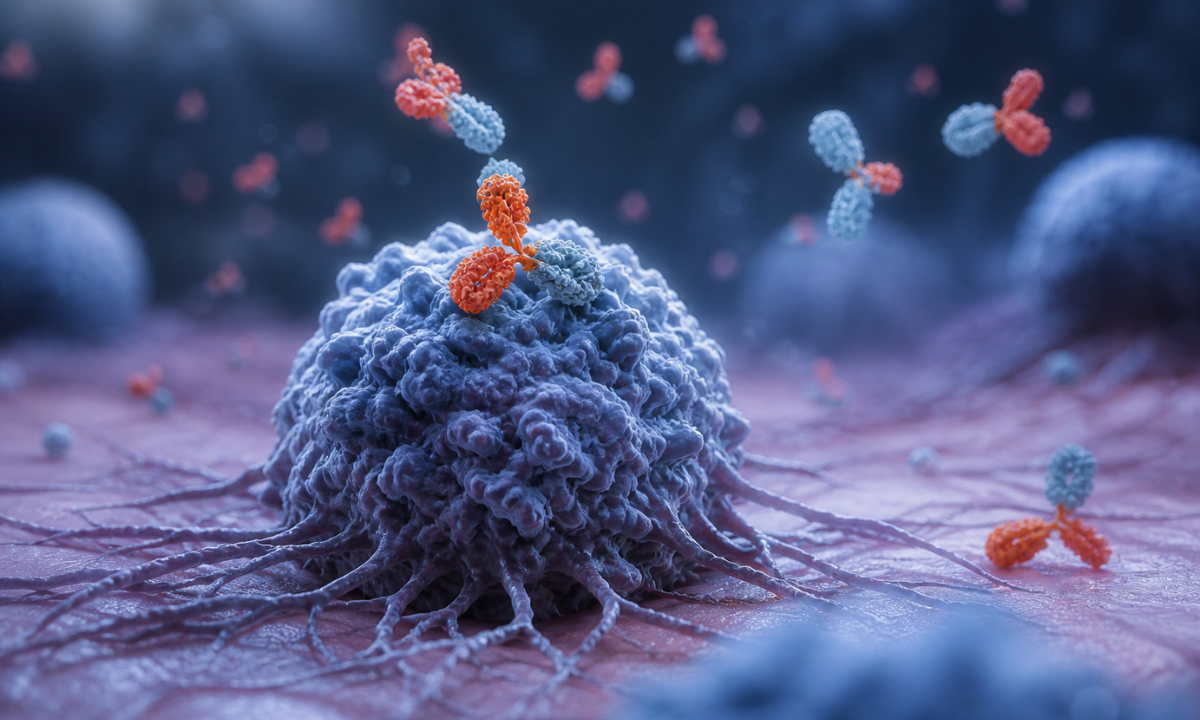
Targeted therapy has revolutionised the way doctors approach treatment for breast cancer. Unlike traditional therapies that affect both healthy and cancerous cells, targeted drugs specifically attack cancer cells based on their unique characteristics, such as protein expression or gene mutations.
Benefits of Targeted Therapy:
- Higher success rates in HER2-positive and hormone receptor-positive cancers
- Fewer systemic side effects compared to chemotherapy
- Ability to combine with other treatments for enhanced effectiveness
In many cases, targeted therapy has turned aggressive cancers into manageable chronic conditions, giving patients a significantly improved quality of life.
3. Immunotherapy: Boosting the Body’s Natural Defence
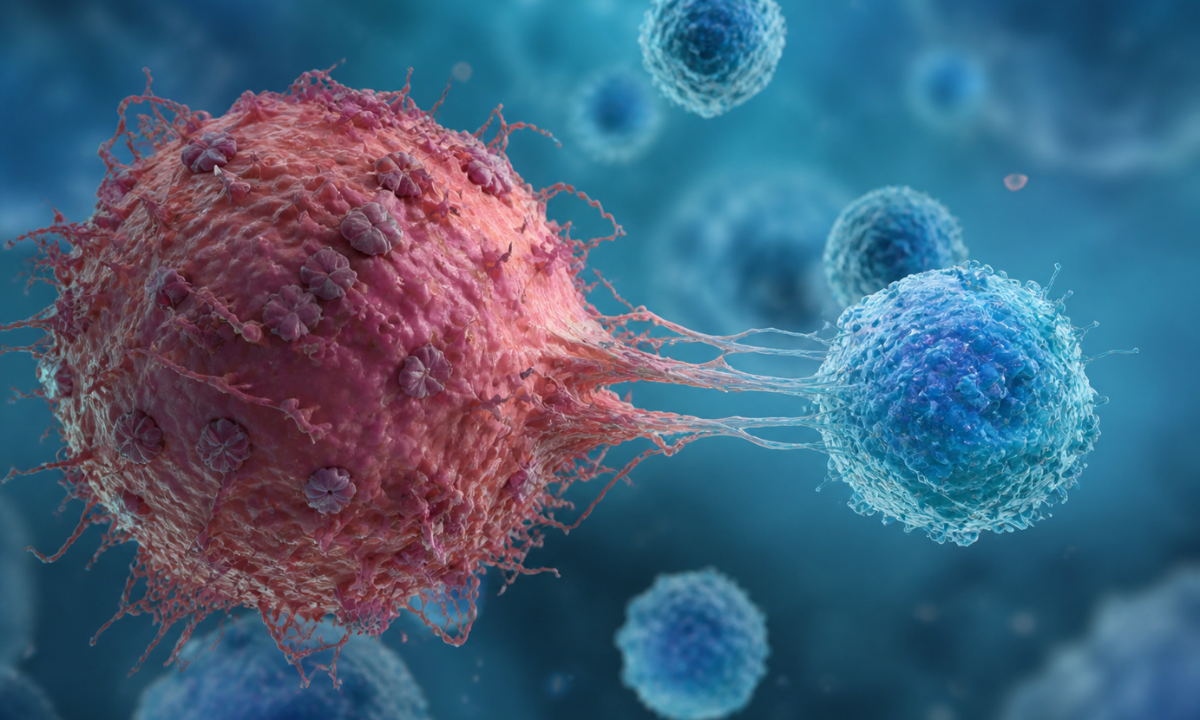
Immunotherapy is one of the most exciting developments in oncology. Instead of directly killing cancer cells, it empowers the body’s immune system to recognise and attack them more effectively. This is particularly beneficial for difficult-to-treat cancers like triple-negative breast cancer.
Why Immunotherapy is a Game-Changer:
- Activates immune cells to fight cancer naturally
- Offers long-term protection by creating immune memory
- Enhances outcomes when combined with chemotherapy
With the increasing availability of immunotherapy treatment in Bangalore, patients now have access to advanced treatments that were once limited to global research centres.
4. Advanced Chemotherapy: More Targeted, Less Toxic
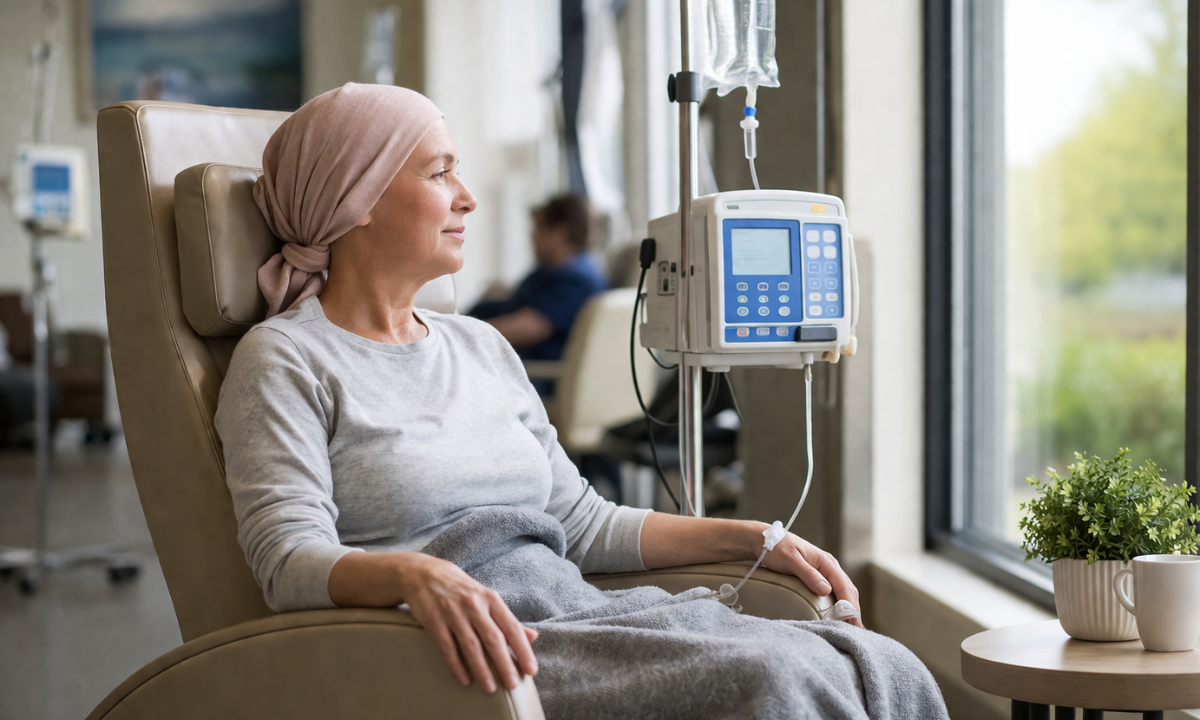
Chemotherapy remains a vital component of breast cancer treatment, but it has undergone significant improvements in recent years. Modern chemotherapy protocols are designed to maximise effectiveness while minimising side effects.
Doctors now use advanced drug combinations, dose-dense scheduling, and targeted delivery systems to improve outcomes. Patients undergoing chemotherapy treatment in Bangalore often experience fewer complications, such as nausea, fatigue, and hair loss, due to supportive care innovations.
Improvements in Chemotherapy:
| Feature | Earlier Approach | Now (2026) |
|---|---|---|
| Side Effects | Severe and prolonged | Better managed and reduced |
| Drug Delivery | Non-specific | Targeted and controlled |
| Patient Comfort | Limited | Significantly improved |
| Survival Outcomes | Moderate | Higher success rates |
5. Minimally Invasive Surgical Oncology
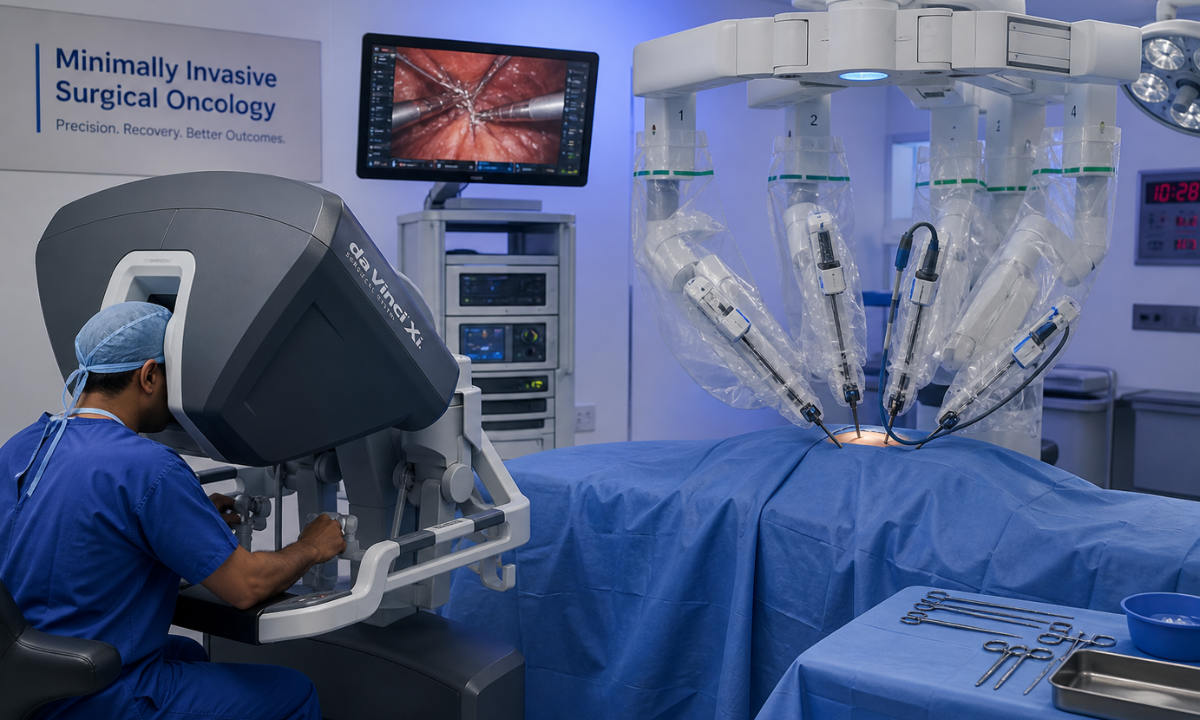
Advancements in surgical oncology have made breast cancer surgeries safer, more precise, and less physically taxing. Surgeons now use robotic assistance, 3D imaging, and real-time guidance to remove tumours with extreme accuracy.
Key Surgical Advancements:
- Breast-conserving surgeries that preserve appearance
- Sentinel lymph node biopsy to reduce complications
- Robotic-assisted procedures for precision
These innovations lead to shorter hospital stays, faster recovery, and improved emotional well-being, which is a crucial part of the healing journey.
6. Is Breast Cancer Curable at Stage 3?
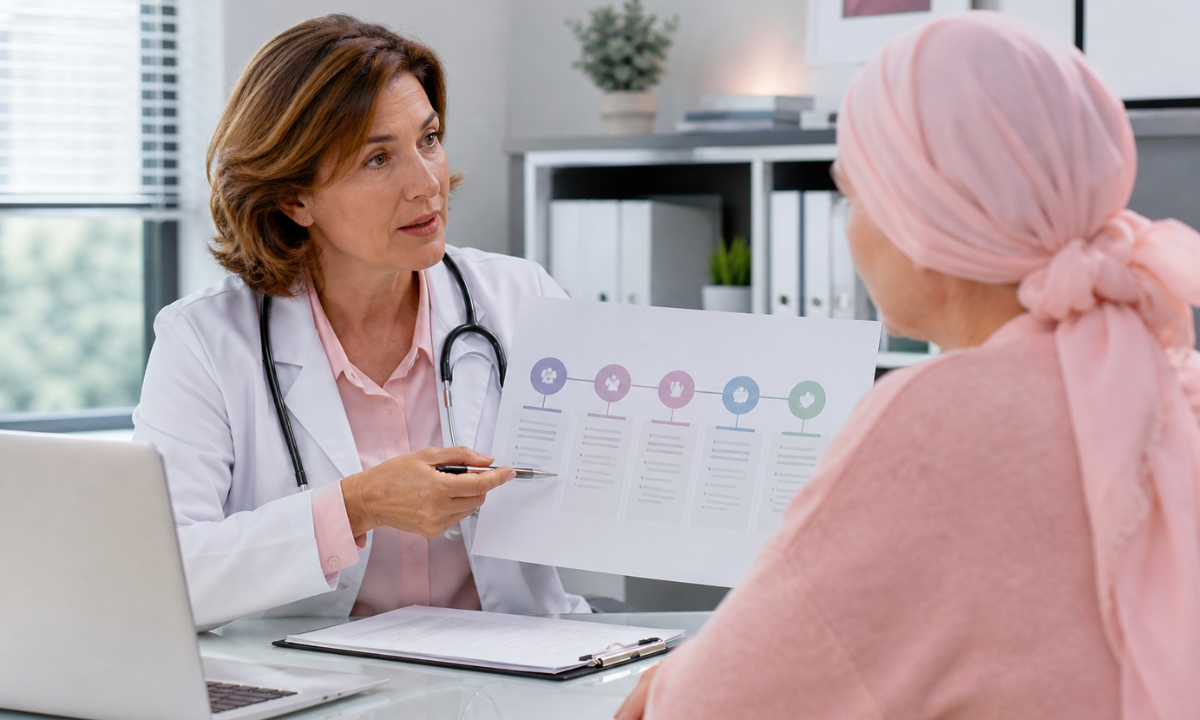
A question many patients ask is, ‘Is breast cancer curable at stage 3?’ While stage 3 is considered locally advanced, it is increasingly treatable with modern multi-disciplinary approaches.
Patients typically undergo a combination of therapies, including surgery, chemotherapy, radiation, and sometimes immunotherapy. Studies show that many stage 3 patients achieve long-term remission, especially when treatment begins early and is closely monitored.
Factors That Improve Outcomes:
- Early and accurate staging
- Access to advanced treatment technologies
- Personalised therapy plans
- Consistent follow-up care
With the right approach, stage 3 breast cancer is no longer seen as a dead end, but as a condition that can be actively managed and often overcome.
7. AI and Early Detection: Catching Cancer Sooner
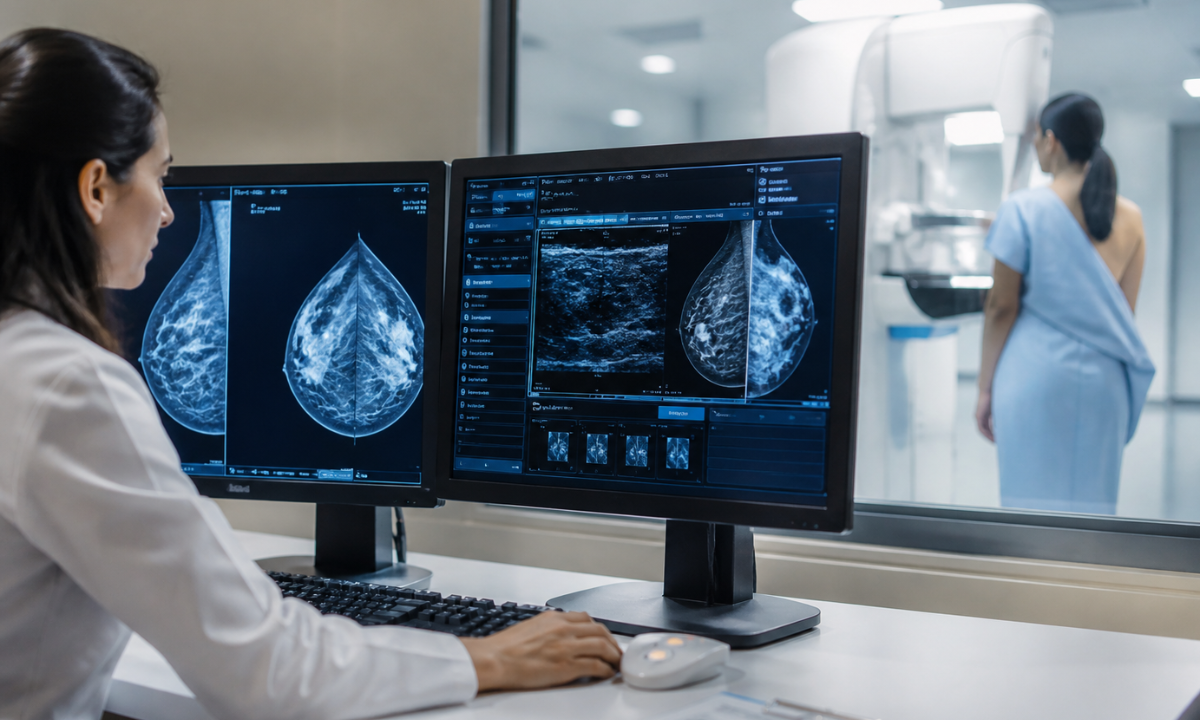
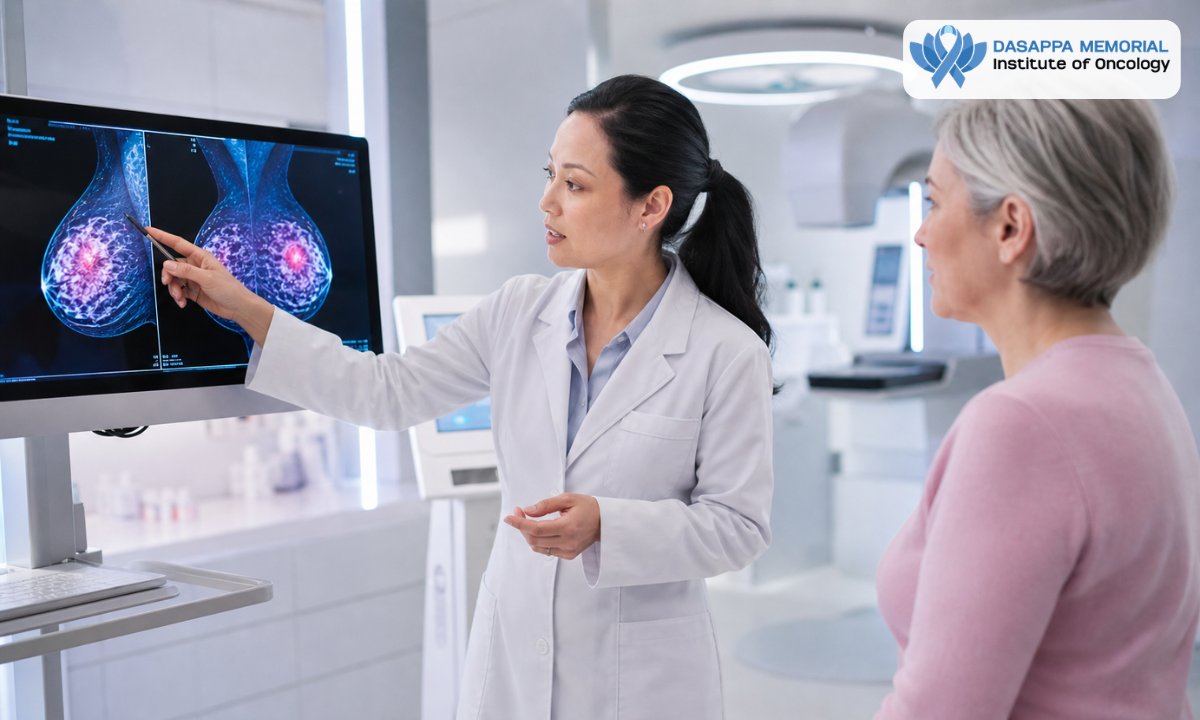
Artificial Intelligence (AI) is transforming how breast cancer is detected and diagnosed. AI-powered imaging tools can analyse mammograms and scans with remarkable accuracy, identifying even the smallest abnormalities.
Impact of AI in Breast Cancer Care:
- Detects cancer at earlier, more treatable stages
- Reduces diagnostic errors and false positives
- Speeds up treatment decisions
Early detection can increase survival rates by up to 90%, making AI one of the most powerful tools in modern oncology.
8. Hormone Therapy and Combination Treatments
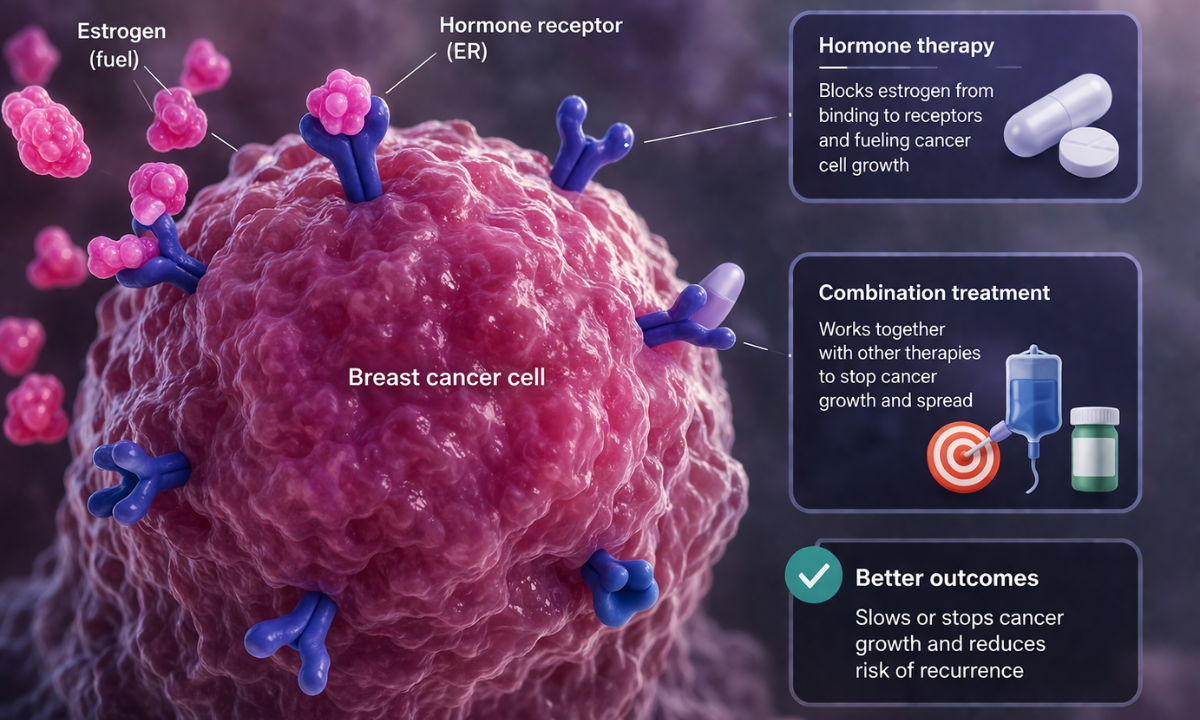
Hormone receptor-positive breast cancers respond well to hormone therapy, which blocks the hormones that fuel cancer growth. In 2026, these therapies are more refined and often used in combination with other treatments.
Combined Treatment Approach:
- Hormone therapy + targeted therapy for precision care
- Chemotherapy + immunotherapy for aggressive cancers
- Surgery + radiation for local control
This integrated strategy ensures that cancer is attacked from multiple angles, reducing the risk of recurrence and improving long-term outcomes.
9. Holistic Care: Beyond Just Treatment

Modern cancer care recognises that healing goes beyond physical treatment. Patients now receive comprehensive support that addresses emotional, nutritional, and psychological needs.
Holistic Support Includes:
- Personalised diet plans for recovery
- Mental health counselling to manage stress and anxiety
- Rehabilitation programs to regain strength
This approach not only improves recovery but also enhances the overall quality of life, helping patients return to normalcy faster.
10. Accessibility of Advanced Care in Bangalore
Bangalore has become a leading destination for advanced cancer treatment in India. With world-class infrastructure and experienced oncologists, patients can access the latest therapies without travelling abroad.
Choosing the best cancer hospital in Bangalore ensures:
- Access to advanced technology and treatments
- Multi-disciplinary expert teams
- Comprehensive and personalised care plans
This accessibility plays a crucial role in improving outcomes and ensuring timely intervention.
Final Thoughts
The journey through breast cancer is deeply personal, but the advancements in treatment for breast cancer in 2026 offer more hope than ever before. With innovations like precision medicine, AI-driven diagnosis, and combination therapies, patients today have access to safer, more effective, and more personalised care.
If you are seeking expert guidance, choosing a trusted cancer treatment hospital in Bangalore can make a life-changing difference. Institutions like Dasappa Cancer Hospital are committed to delivering compassionate, technology-driven care that empowers patients at every stage of their journey.
FAQs
1. Is breast cancer genetic?
Breast cancer is not always genetic, but about 5–10% of cases are linked to inherited gene mutations like BRCA1 and BRCA2. If you have a strong family history, your risk may be higher. Genetic testing helps identify these risks early, enabling preventive steps, closer screening, and more personalised treatment planning.
2. Is breast cancer curable at stage 3?
Stage 3 breast cancer is considered advanced but is often treatable and, in many cases, manageable long-term. With a combination of treatments such as chemotherapy, surgery, radiation, and targeted or immunotherapy, many patients achieve remission. Early intervention, personalised care, and consistent follow-ups play a crucial role in improving survival outcomes.
3. What is the most effective treatment for breast cancer in 2026?
There is no single “best” treatment for breast cancer in 2026, as care is highly personalised. Doctors often combine targeted therapy, immunotherapy, chemotherapy, and surgery based on the cancer type and stage. Precision medicine and genetic profiling help tailor treatments, ensuring higher effectiveness, fewer side effects, and better long-term survival rates.
4. Where can I get advanced cancer care in Bangalore?
Bangalore offers access to several advanced cancer care centres equipped with modern technology and experienced oncologists. Leading hospitals provide comprehensive services, including chemotherapy, immunotherapy, targeted therapy, and surgical oncology. Choosing a specialised cancer hospital ensures accurate diagnosis, personalised treatment plans, and holistic support throughout the patient’s recovery journey.