




Receiving a potential oncology diagnosis can feel overwhelming, but understanding the early warning signs is your most powerful tool. When it comes to endometrial malignancies, recognizing early uterine cancer symptoms can completely change a patient’s care trajectory.
As a premier Gynecological Cancer Treatment Hospital in Bangalore, Dasappa Cancer Hospital emphasizes that clinical awareness leads to early detection, which drastically improves treatment success. Uterine cancer, which most commonly manifests as endometrial cancer, begins in the endometrium of the inner cellular lining of the womb (uterus).
While any cancer discussion is understandably daunting, endometrial cancer is unique because it rarely develops in complete secrecy. Unlike malignancies that remain hidden deep within body cavities for years, uterine tumors typically broadcast clear, physical red flags during their initial cellular shifts.
Under the clinical guidance of Dr Pandu Dasappa, who brings over 27 years of dedicated expertise in surgical oncology, our mission is to translate complex medical realities into clear, actionable knowledge.
Demystifying the causes, recognizing the symptoms, and exploring modern, minimally invasive treatment pathways, patients and their families can face this journey with absolute clinical clarity, dignity, and confidence.
Medical Disclaimer
The clinical information presented in this comprehensive guide regarding uterine cancer, endometrial malignancies, symptoms, and therapeutic pathways is designed solely for educational and informational purposes. It must not be interpreted as definitive medical advice, a formal diagnosis, or a replacement for a professional clinical consultation. Every patient’s biological profile, cancer stage, and medical history are unique. If you are experiencing abnormal vaginal bleeding or pelvic discomfort, always consult immediately with a qualified gynecological oncologist or physician. Never delay seeking expert medical attention or disregard professional medical advice based on the contents of this article.
Uterine Cancer vs. Ovarian Cancer

When patients experience unusual pelvic discomfort or reproductive changes, it is incredibly common to confuse the different types of gynecological malignancies. At Dasappa Cancer Hospital, we frequently hear from anxious patients asking us to explain the clinical differences between uterine cancer vs ovarian cancer.
While both diseases develop within the female reproductive system, they behave entirely differently in terms of where they originate, how they grow, and most importantly, how they signal their presence to the patient. Understanding this anatomical boundary is critical because it dictates how quickly the cancer can be caught.
To provide absolute clarity, our oncology team utilizes the following clinical matrix:
| Clinical Feature | Uterine (Endometrial) Cancer | Ovarian Cancer |
|---|---|---|
| Origin Point | The endometrium (the inner cellular lining of the hollow womb/uterus). | The ovaries (the small, almond-sized glands that produce eggs) or the fallopian tubes. |
| The Warning Style | Loud and Visible: It directly alters the menstrual cycle or causes highly noticeable postmenopausal bleeding. | Silent and Vague: It typically disguises itself as mild gastrointestinal issues, like prolonged bloating or feeling full quickly. |
| Primary Diagnostic Tool | Transvaginal Ultrasound and Endometrial Biopsy (a quick outpatient tissue sample). | Pelvic Imaging, CA-125 Blood Tests, and Surgical Biopsy. |
| Typical Detection Phase | Often detected in Stage I, localized safely within the uterus. | Frequently not detected until Stage III or IV, after it has spread to the abdomen. |
The Silent vs. The Signaling Malignancy
The most critical takeaway from this comparison is the concept of visibility. Ovarian cancer is notoriously referred to as a silent disease because the ovaries float freely deep within the pelvic cavity; a tumor can grow significantly before pressing against other organs and causing pain.
Conversely, the uterus is a highly active, shedding organ. When cellular mutations (cancer) disrupt the fragile endometrial lining, the uterus responds by bleeding. This immediate physical signal is precisely why uterine cancer boasts a highly favorable early-detection rate compared to its ovarian counterpart.
Clinical Insight: Never dismiss an anatomical warning sign as just a hormonal phase. The very symptom that causes anxiety, unusual bleeding, is actually your body giving you a crucial head start to seek definitive surgical care.
Red Flags: Identifying the Symptoms of Uterine Cancer

The most significant advantage patients have when facing an endometrial malignancy is that the disease rarely remains hidden. Because the endometrium is a dynamic, active tissue layer, structural or cellular changes almost immediately disrupt its normal function.
Recognizing these uterine cancer symptoms early is the single most critical factor in achieving a complete, surgical cure.
Our diagnostic approach is highly vigilant. We strongly advise patients never to dismiss these physical signals as normal aging or standard hormonal fluctuations. The clinical red flags generally present differently depending on a patient’s menopausal status.
The Absolute Red Flag: Postmenopausal Bleeding
If you have gone through menopause (defined clinically as 12 consecutive months without a menstrual cycle), your endometrium should be inactive and thin.
- The Symptom: Any form of vaginal bleeding, spotting, or even a slight pinkish/watery discharge after menopause is highly abnormal.
The Clinical Action: Postmenopausal bleeding is the hallmark symptom of early-stage uterine cancer. Even if it is just a single drop of blood or it only happens once, it mandates an immediate diagnostic evaluation. While it can be caused by benign conditions like vaginal atrophy, it must be evaluated by a gynecological oncologist through a transvaginal ultrasound or endometrial biopsy to rule out malignancy.
Premenopausal and Perimenopausal Symptoms
For younger women who are still menstruating or transitioning through menopause, spotting the signs requires paying close attention to deviations from your normal cycle:
- Intermenstrual Bleeding: Bleeding or spotting that occurs completely outside of your normal menstrual window.
- Severe Cycle Changes: A sudden, drastic increase in menstrual flow (heavy bleeding) or periods that last significantly longer than your established biological baseline.
Unusual Discharge: A chronic, watery, or blood-tinged vaginal discharge that is not related to menstruation.
Advanced Progression Signs
If endometrial cancer is not detected during its initial localized phase, the tumor may grow larger or begin pressing against the uterine wall and adjacent pelvic organs. This advanced progression can trigger secondary symptoms, including:
- Persistent, dull pelvic pain or pressure just below the belly.
- Unexplained pain during sexual intercourse.
- Sudden difficulty urinating, or pain during urination (as the uterus presses against the bladder).
- Feeling an unusual mass or hard lump in the lower pelvic region.
The Dasappa Diagnostic Standard: You do not need to wait for multiple symptoms to appear before seeking help. A single instance of abnormal bleeding is enough to warrant a consultation. Early-stage endometrial cancer is highly treatable, and timely screening provides the exact clinical clarity needed to act decisively.
Prognosis and Staging: The Realities of Survival Rates

When a family is confronting an oncological diagnosis, understanding the prognosis is often the most pressing concern.
We at Dasappa Cancer Hospital believe that clarity is the best antidote to fear. Instead of looking at generalized, context-free statistics online, which often cause unnecessary panic, it is vital to understand that the uterine cancer survival rate is profoundly tied to how early the disease is staged and treated.
As endometrial cancer frequently signals its presence early through noticeable uterine cancer symptoms like abnormal bleeding, the vast majority of cases are diagnosed while the malignancy is strictly localized.
The Surgical Staging Roadmap
To determine the exact progression of the disease and plan the most effective treatment, surgical oncologists utilize the FIGO (International Federation of Gynecology and Obstetrics) staging system.
Here is a structural breakdown of how uterine cancer progresses and what the corresponding 5-year survival statistics look like when managed by an expert oncology team:
Understanding the Numbers in Context
Medical literature classifies survival probabilities into three broad, easily digestible categories based on how far the cells have traveled from their origin point:
1. Localized (Stage I): The cancer has not spread outside the body of the uterus.
When caught at this stage, the 5-year relative survival rate stands exceptionally high at approximately 95%. This is why immediate diagnostic intervention at the first sign of unusual bleeding is so heavily emphasized.
2. Regional (Stages II & III): The malignancy has spread to adjacent structures or regional lymph nodes within the pelvis.
The 5-year relative survival rate for regional endometrial cancer is roughly 70%. At this juncture, a combination of expert surgery and targeted therapy is deployed to clear the regional pathways.
3. Distant (Stage IV): The cancer has metastasized to distant organs.
While this stage presents a more complex clinical challenge, modern multi-modality management protocols, including immunotherapy and targeted molecular therapies, actively work to control the disease, ease symptoms, and significantly extend a meaningful quality of life.
Ultimately, these percentages highlight a singular, powerful reality: early clinical intervention saves lives.
You do not need to navigate these statistics alone. A statistical average cannot predict an individual patient’s trajectory, especially when their care is overseen by an experienced multidisciplinary tumor board that tailors treatment to the unique molecular profile of the tumor.
Uterine Cancer Management and Treatment
Once a definitive diagnosis is reached, the clinical focus immediately shifts from investigation to decisive action.
The landscape of uterine cancer management has evolved dramatically over the last decade, moving away from highly invasive, prolonged open surgeries toward precise, minimally invasive, and personalized therapeutic pathways.
Because endometrial tumors respond exceptionally well to modern medical intervention, the treatment options for uterine cancer are highly effective, especially when deployed by a multidisciplinary tumor board. Our treatment philosophy at Dasappa Cancer Hospital is anchored in surgical excellence combined with cutting-edge adjuvant therapies.
The Surgical Gold Standard: Minimally Invasive Excision
The cornerstone of almost all endometrial cancer treatment is the physical removal of the malignancy.
Under the expert guidance of Dr Pandu DaDrpa, our surgical oncology team prioritizes minimally invasive techniques to ensure comprehensive tumor removal while dramatically reducing patient recovery time, pain, and hospital stays.
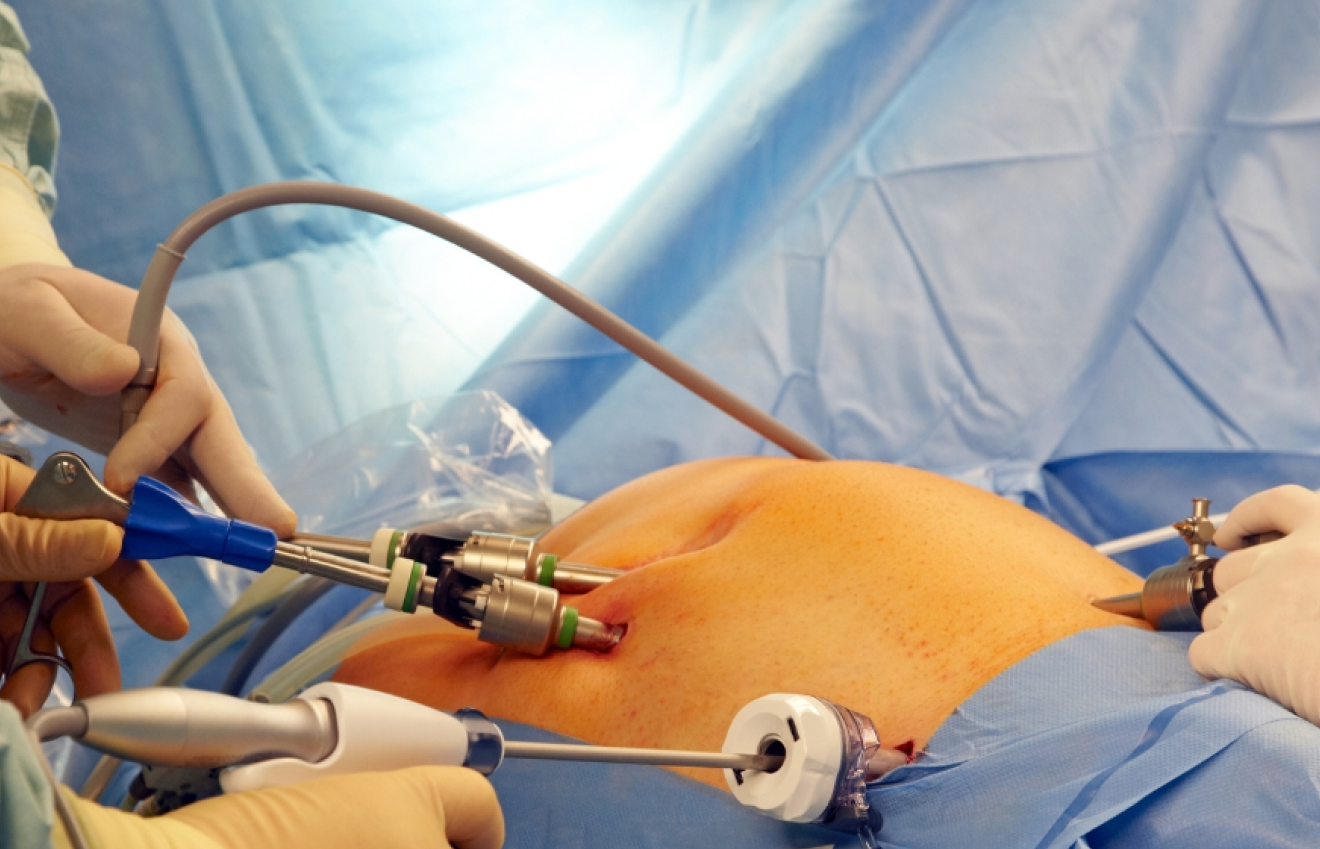
- Total Laparoscopic or Robotic Hysterectomy: Utilizing advanced robotic and laparoscopic technology, surgeons remove the entire uterus and cervix through tiny, keyhole incisions rather than a large abdominal cut.
- Bilateral Salpingo-Oophorectomy (BSO): In conjunction with a hysterectomy, the fallopian tubes and both ovaries are carefully removed. This is a crucial step to eliminate the body’s primary source of estrogen, a hormone that can actively fuel the growth of certain endometrial cancer cells.
- Sentinel Lymph Node Mapping: Instead of aggressively removing all pelvic lymph nodes (which can lead to chronic leg swelling known as lymphedema), our surgeons use specialized fluorescent dyes to identify and remove only the specific sentinel nodes that directly drain the uterus. This highly targeted approach accurately stages the cancer while preserving the patient’s lymphatic function.
Adjuvant Therapies: Securing the Margins
Following surgery, the excised tumor is sent to our in-house pathology lab for detailed histological and molecular grading. Based on these microscopic findings, our oncologists may recommend secondary (adjuvant) treatments to eradicate any remaining microscopic cells and prevent a recurrence:
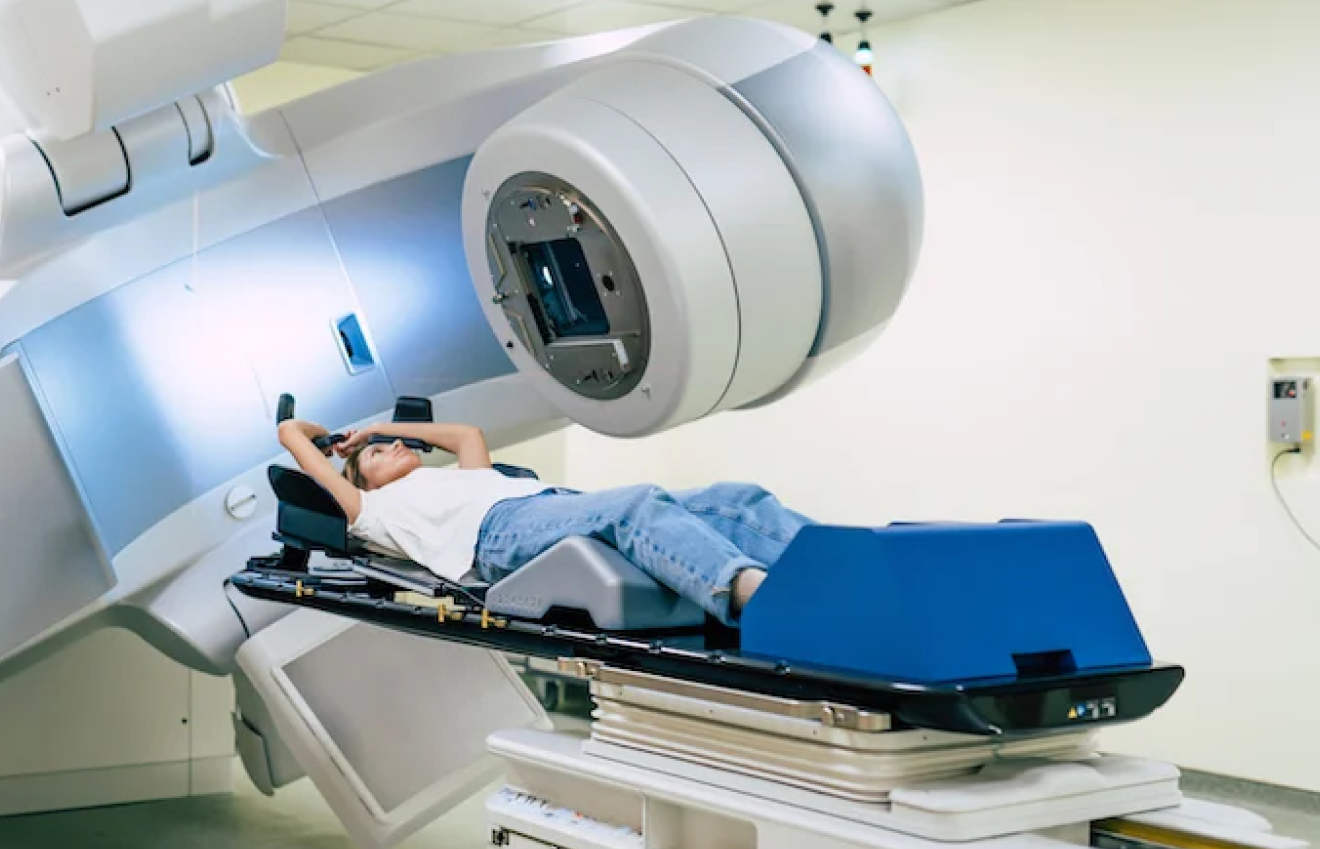
- Radiation Therapy: High-precision radiation delivered either externally (External Beam Radiation) or internally via a localized radioactive implant (Brachytherapy) is frequently used to sterilize the pelvic cavity and vaginal vault post-surgery.
- Chemotherapy: For aggressive or higher-stage tumors, personalized chemotherapy regimens are administered in our dedicated chemo ward to aggressively hunt down cancer cells that may have migrated beyond the pelvis.
- Targeted Therapy & Immunotherapy: The frontier of modern oncology lies in molecular profiling. By analyzing the tumor’s specific genetic mutations, we can deploy advanced targeted drugs that block the exact pathways cancer cells use to survive, or use immunotherapy to unmask the tumor, allowing the patient’s own immune system to recognize and destroy the malignancy.
Integrating state-of-the-art surgical precision with advanced systemic therapies, we ensure that every patient receives a robust, personalized defense against the disease, safeguarding both their life and their long-term well-being.
Why Choose Dasappa Cancer Hospital for Gynecological Oncology?
When navigating a complex condition like endometrial cancer, choosing the right treatment center is one of the most critical decisions a family will make. Comprehensive uterine cancer management requires a seamless blend of surgical expertise, state-of-the-art medical technology, and deeply compassionate patient care.
Dasappa Cancer Hospital has earned its reputation as the Best Cancer Treatment Hospital in Bangalore by offering specialized, all-inclusive oncology care under one roof. Families place their trust in our Basavanagudi facility because of our core clinical advantages:
- Decades of Surgical Mastery: Our hospital is founded and led by Dr Pandu Dasappa, a senior surgical oncologist with over 27 years of experience. His deep expertise in complex gynecological malignancies ensures that surgical staging and tumor removals are performed with the highest level of clinical precision.
- Pioneering Minimally Invasive Care: We specialize in advanced laparoscopic and robotic surgeries. By utilizing keyhole incisions for total hysterectomies and tumor excisions, we ensure our patients experience significantly less post-operative pain, minimal scarring, a lower risk of infection, and a much faster return to their daily routines.
- Super-Specialty Infrastructure: Our 75+ bed facility features cutting-edge modular operating theatres, an advanced intensive care unit (ICU), a dedicated chemotherapy ward, and modern in-house diagnostic imaging (including CT, MRI, and ultrasound). Every aspect of your care is managed within a single, secure environment.
- Ethical and Accessible Treatment: We believe that world-class medical care should never be a financial burden. Dasappa Cancer Hospital is widely recognized for providing transparent, highly affordable, and ethical treatment options. We also offer smooth insurance claim processing to support families during their time of need.
Fighting cancer requires more than just medical procedures. Our comprehensive care model includes dedicated pain and palliative management, specialized nutritional counseling, post-surgical physical rehabilitation, and emotional support services to help both patients and families cope with the journey.
Conclusion
A diagnosis of endometrial cancer is undeniably life-altering, but it is a challenge that can be met with an incredibly high rate of success. Because the disease frequently signals its presence early through clear indicators like abnormal bleeding, timely medical action gives patients the ultimate clinical advantage.
Partnering with a dedicated Best Cancer Hospital in Bangalore, you gain access to an experienced multidisciplinary team capable of tailoring advanced surgical and systemic therapies to your exact biological needs.
Do not ignore your body’s early warning signs. If you or a loved one is experiencing unusual symptoms or requires a definitive expert opinion, contact Dasappa Cancer Hospital today to schedule a comprehensive consultation.