



Lung Cancer – Symptoms, Stages, Diagnosis and Treatment Methods

Table of Contents

Often, lung cancer symptoms are mistaken for other, less serious illnesses. Because of this, many people ignore lung cancer symptoms until the cancer has reached its last stage, where we need more advanced and complicated treatment plans.

At the best cancer hospital in Bangalore, we strive to diagnose and treat lung cancer at its early stages so that the patient gets a speedy recovery and higher chances of survival.

So, how to diagnose lung cancer early? Let us explain lung cancer symptoms, stages, diagnosis and treatment methods in detail in this guide.

What is Lung Cancer?

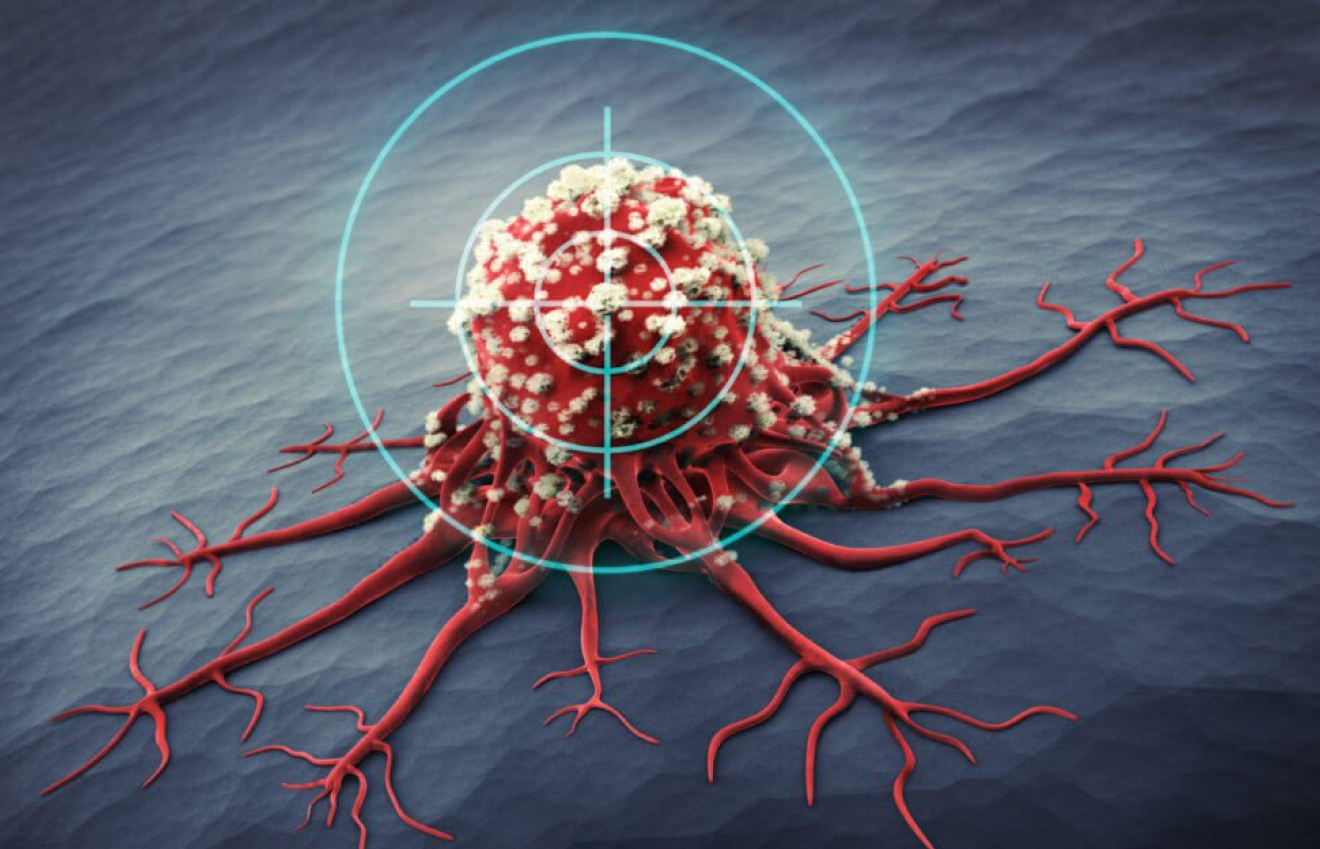
Lung cancer is the uncontrolled growth of abnormal cells in the lung tissues, usually the air passages; these abnormal cells disrupt lung function and form tumors in the lungs.

Types of Lung Cancer

The lung cancer classification is mainly of two types:

1. Non-Small Cell Lung Cancer

Non-small cell lung cancer is the most common type of lung cancer. It grows and spreads slowly, while not showing any symptoms until it has reached the last stage (metastasized).

2. Small Cell Lung Cancer

Small-cell cancer is a rare, fast-growing lung cancer.  It spreads to other parts of the body quickly and is hard to treat because it causes small tumors in the lungs. This type of cancer is usually seen in people who have a long history of tobacco use and smoking cigarettes.

Lung Cancer Causes and Risk Factors

Lung cancer is caused by the abnormal growth of cells that grow into tumors and disrupt the normal functioning of the lungs.

Some important factors that increase the risk of lung cancer are:

  • Smoking any kind of tobacco, including cigarettes, cigars and pipes, is the biggest risk factor.
  • Being exposed to second-hand tobacco smoke.
  • Being exposed to harmful substances like asbestos, uranium, radon, diesel exhaust, coal products and other toxins in the air.
  • Exposure to radiation
  • Family history of lung cancer.

List of Lung Cancer Symptoms

Some people may not experience symptoms in the early stages, but many of them who do experience symptoms may go through one or a few of these:

  • A persistent cough 
  • Chest pain and discomfort
  • Shortness of breath and hoarseness
  • Wheezing
  • Coughing up blood
  • Loss of appetite and fatigue
  • Unexplained weight loss
  • Shoulder pain and swelling in the face, neck, arms and upper chest.

If you or your loved one is experiencing any of these symptoms persistently, it’s better to visit the best lung cancer treatment hospital in Bangalore

Lung Cancer Stages

The lung cancer stages are divided into five stages; let me explain each stage. 

Stage 0: Cancer is small and very much treatable. It is present in the top lining of the lungs. It has not spread to the other lung or any other organs of the body.

Stage 1: The cancer tumor is small and is within the lung and has not spread to any other organs; symptoms start at this stage for many people.

Stage 2: Cancer is larger than stage 1 and has spread to nearby lymph nodes, but it is still localized and has not spread to any other organs.

Stage 3: Cancer has spread to the lymph nodes of the chest and other nearby organs, to the lungs. There is more than one tumor at this stage.

Stage 4: This is the advanced stage of lung cancer, and doctors call it metastasized cancer, where the cancer has spread to the other lung, heart and distant organs of the body. Many times, at this stage of lung cancer, it spreads even to the bones, and it is called lung cancer bone metastasis.

How to Diagnose Lung Cancer Early

Diagnosing a cancer includes many steps. First, you will visit a doctor who listens to your symptoms and checks your heartbeat and breathing. Since lung cancer symptoms are the same as many other less serious illnesses, the doctor then suggests a lung cancer blood test and a chest X-ray.

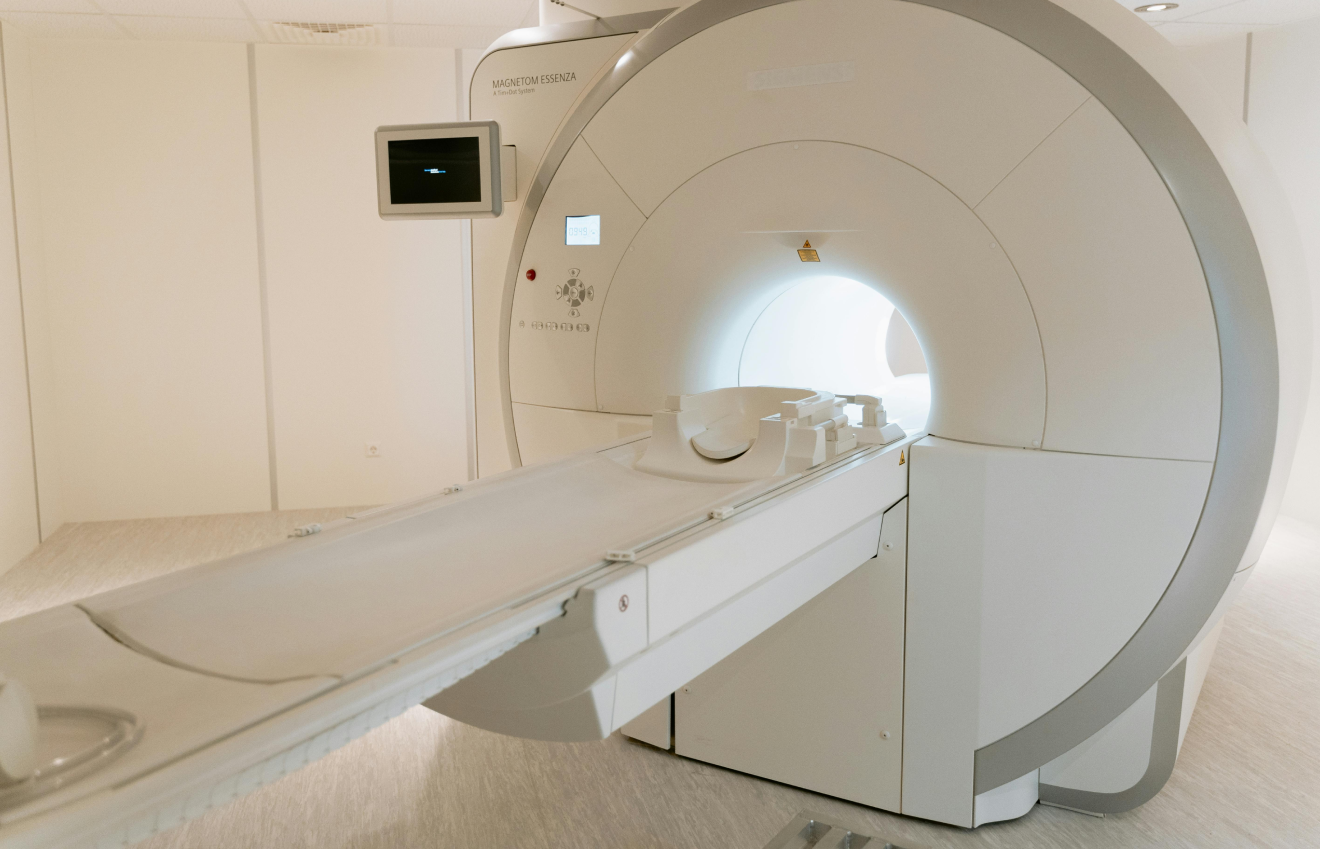
If the doctor suspects cancer, then they will ask you to go through the next stage of diagnosis, like a CT scan and then a biopsy. If the cancer is in later stages, then the doctor suggests that you undergo a PET/CT scan to see if the cancer has spread to other organs of the body.

Lung Cancer and Treatment

When it comes to lung cancer and treatment, the doctor decides on the treatment method after the diagnosis and understanding of the stage the cancer is at.

At the lung cancer treatment Bangalore hospital, the most common methods of treatment are lung cancer chemotherapy and surgery. 

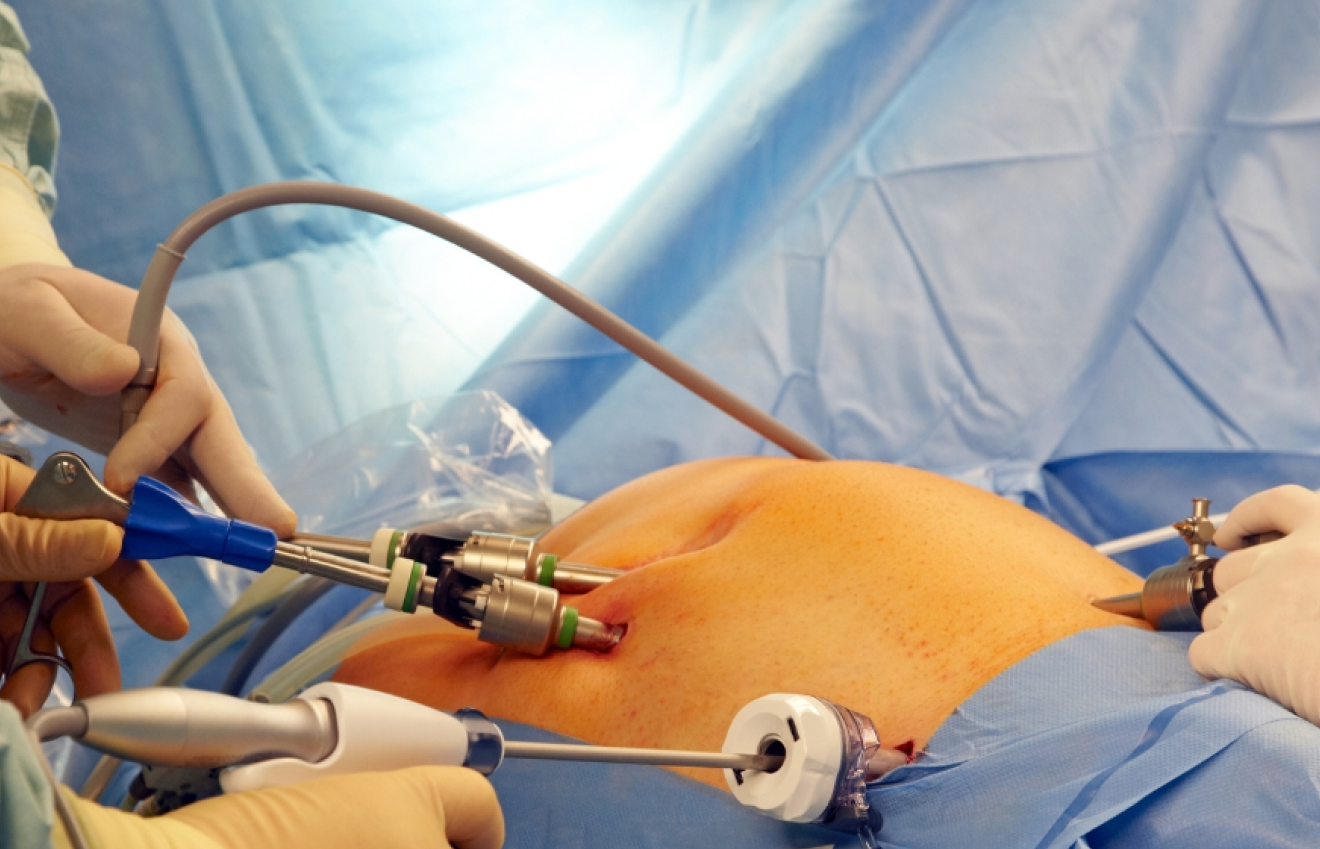
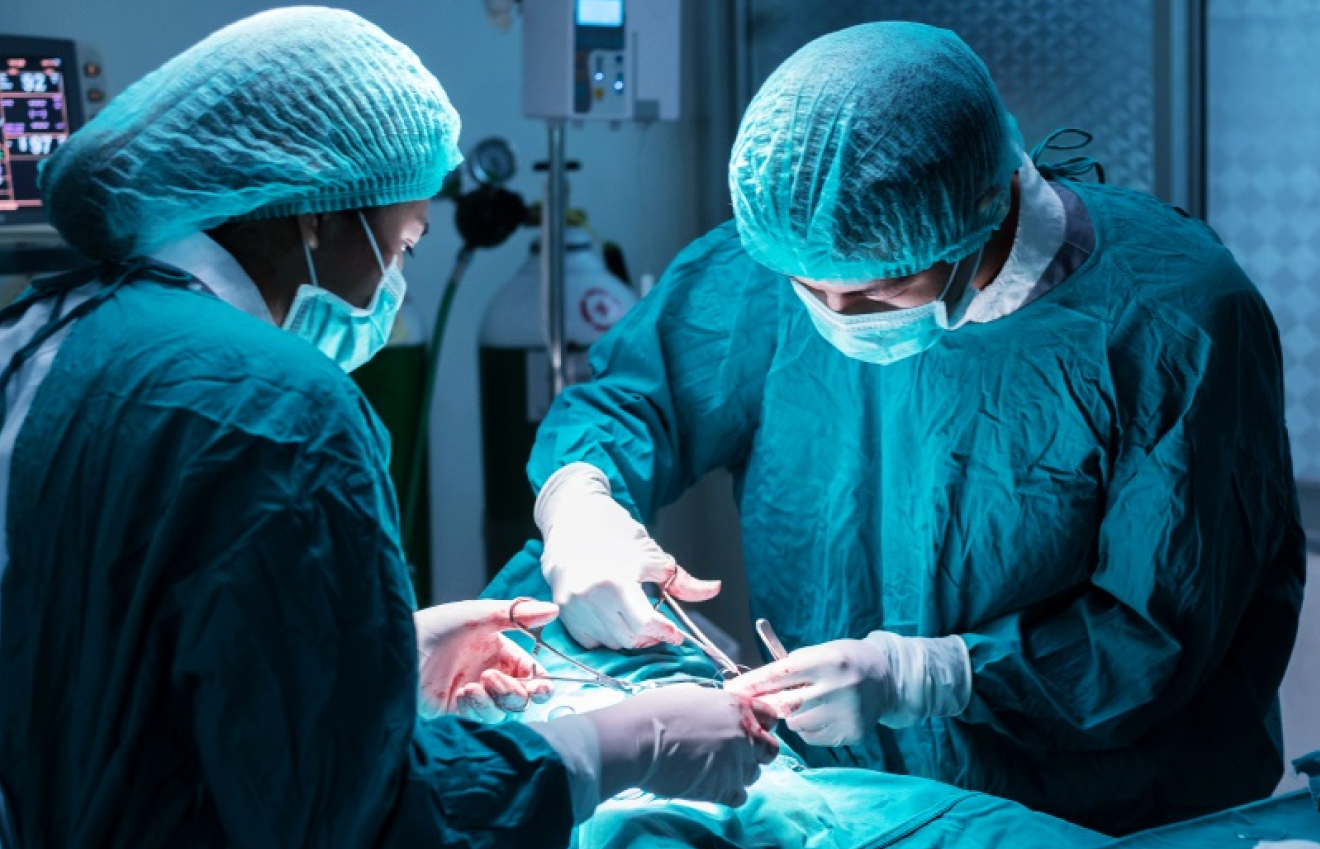
Usually, a surgical oncologist performs a surgery to remove the tumors and gives chemotherapy medicines to stop the further growth of cancer cells. 

Other types of lung cancer treatment methods include:

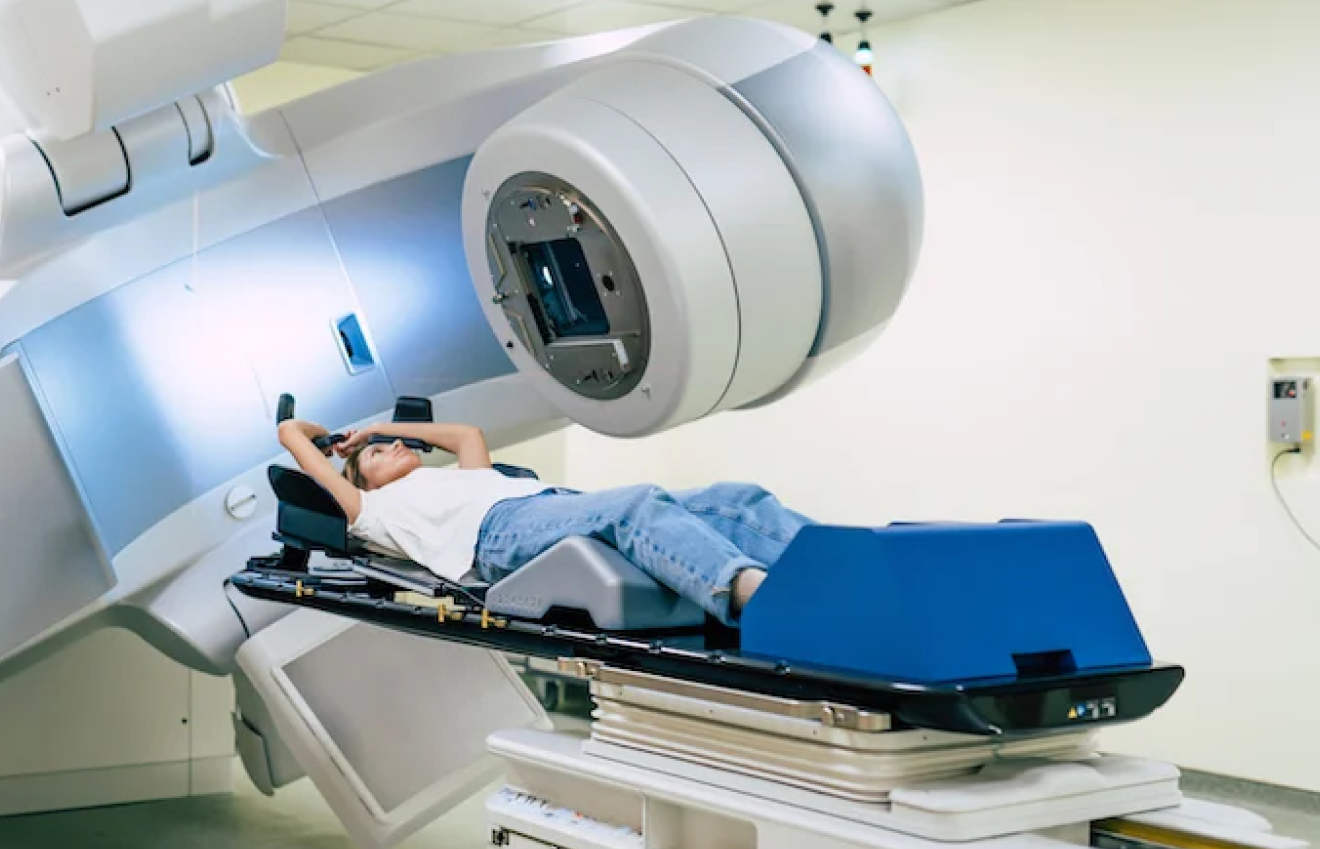
1. Radiation therapy: High-energy radiation beams are used to kill cancer cells in this treatment method. 

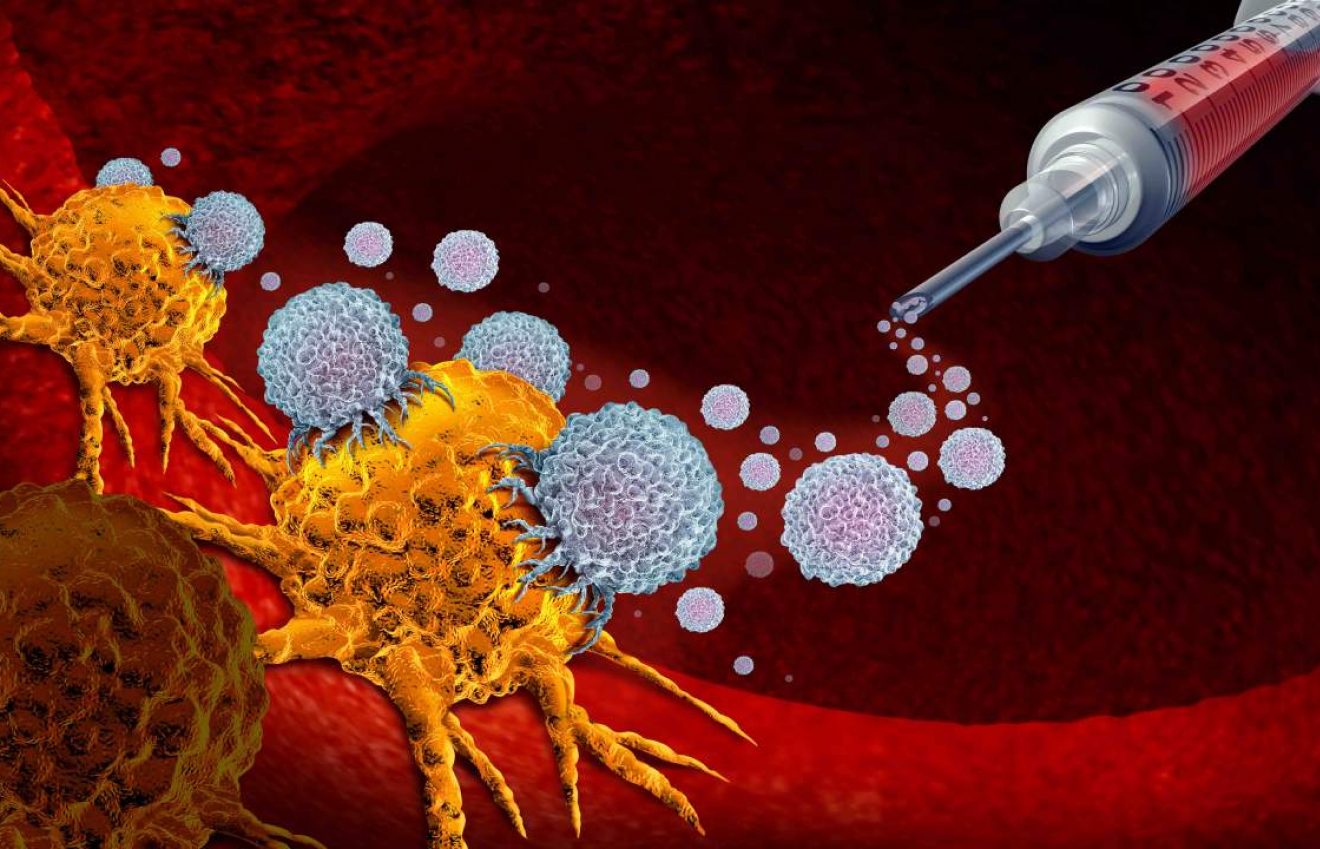
2. Immunotherapy: This method of cancer treatment helps your body’s immune system to identify cancer cells and destroy them. 

Cost of Lung Cancer Treatment in India

Lung cancer treatment in India costs depend on many factors, like the stage of the cancer at which treatment was started, because the more advanced the stage of the cancer, the more complicated the treatment.

Different diagnosis techniques used to diagnose cancer also add to the cost. Furthermore, the location and the expertise of the oncologist also influence the cost of cancer treatment.

Lung Cancer Best Hospital in Bangalore

If you are looking for the best cancer hospital in India, then Bangalore is the right place to be. Here in Dasappa Cancer Hospital, you can find the best surgical oncologist in Bangalore

Final Thoughts

Lung cancer is a serious illness, but with proper care, early diagnosis and advanced treatment, it can be managed more effectively. 

Many times, lung cancer symptoms are mistaken for other common illnesses, and by the time the cancer is finally diagnosed, it will be too late. This is why it is very important to consult a doctor when you have persistent symptoms. 

At Dasappa Cancer Hospital, which is often recognized as the best cancer hospital in Bangalore, you get complete care from cancer specialist Dr Pandu Dasappa. 

If you or a loved one notices any symptoms, don’t wait until it’s too late. Acting early against cancer not only improves the treatment success, but it also improves the quality of life.

Frequently Asked Questions

1. What are the first signs of lung cancer?

The first signs of lung cancer include a persistent cough, discomfort and pain in the chest, shortness and hoarseness of breath, along with other symptoms like fatigue and loss of appetite.

2. What are the main causes of lung cancer?

The main causes of lung cancer include smoking any kind of tobacco, exposure to secondhand smoke, and inhaling other toxins in the air for a prolonged period of time. 

3. What are the blood markers for lung cancer?

There is no single blood test that can definitively diagnose lung cancer, but certain tumor markers may help support diagnosis and monitor treatment response:

  • CEA (Carcinoembryonic Antigen) – often elevated in non-small cell lung cancer
  • CYFRA 21-1 – associated with squamous cell carcinoma
  • NSE (Neuron-Specific Enolase) – commonly elevated in small cell lung cancer
  • ProGRP – used in diagnosing and monitoring small-cell lung cancer

Blood tests are usually combined with imaging tests and a biopsy for an accurate diagnosis.

4. Which is the best hospital for lung cancer treatment?

The best cancer hospital for lung cancer treatment is the one that offers experienced medical, surgical and radiation oncologists along with advanced diagnostic facilities. Dasappa Cancer Hospital is recognized as the best cancer hospital in Bangalore.

5. What happens when lung cancer spreads to the bones?

When lung cancer spreads to the bones, it is called metastasized cancer; it is the last and most advanced stage of lung cancer, where the cancer has spread to other organs of the body. At this stage, treatment can be given to reduce the effects of the symptoms and improve the quality of life.

About The Author

Share With Your Network

Recent Posts

Book An Appointment