


How Does Chemotherapy Work in Cancer Treatment?

Table of Contents

In modern oncology care, chemotherapy treatment is one of the most trusted and widely used methods to fight cancer and slow its progression. When patients hear the word chemotherapy, it often brings fear and uncertainty, mainly because the process is not clearly understood.

Chemotherapy has advanced significantly over the years, becoming safer, more targeted, and better managed. 

At our best cancer hospital in Bangalore, chemotherapy is carefully planned so that cancer cells are attacked effectively while healthy cells are protected as much as possible.

When patients understand how chemotherapy actually works inside the body, it reduces anxiety and builds confidence, so let us explain it in a clear, simple, and reassuring way.

What Is Chemotherapy? (Chemotherapy Definition)

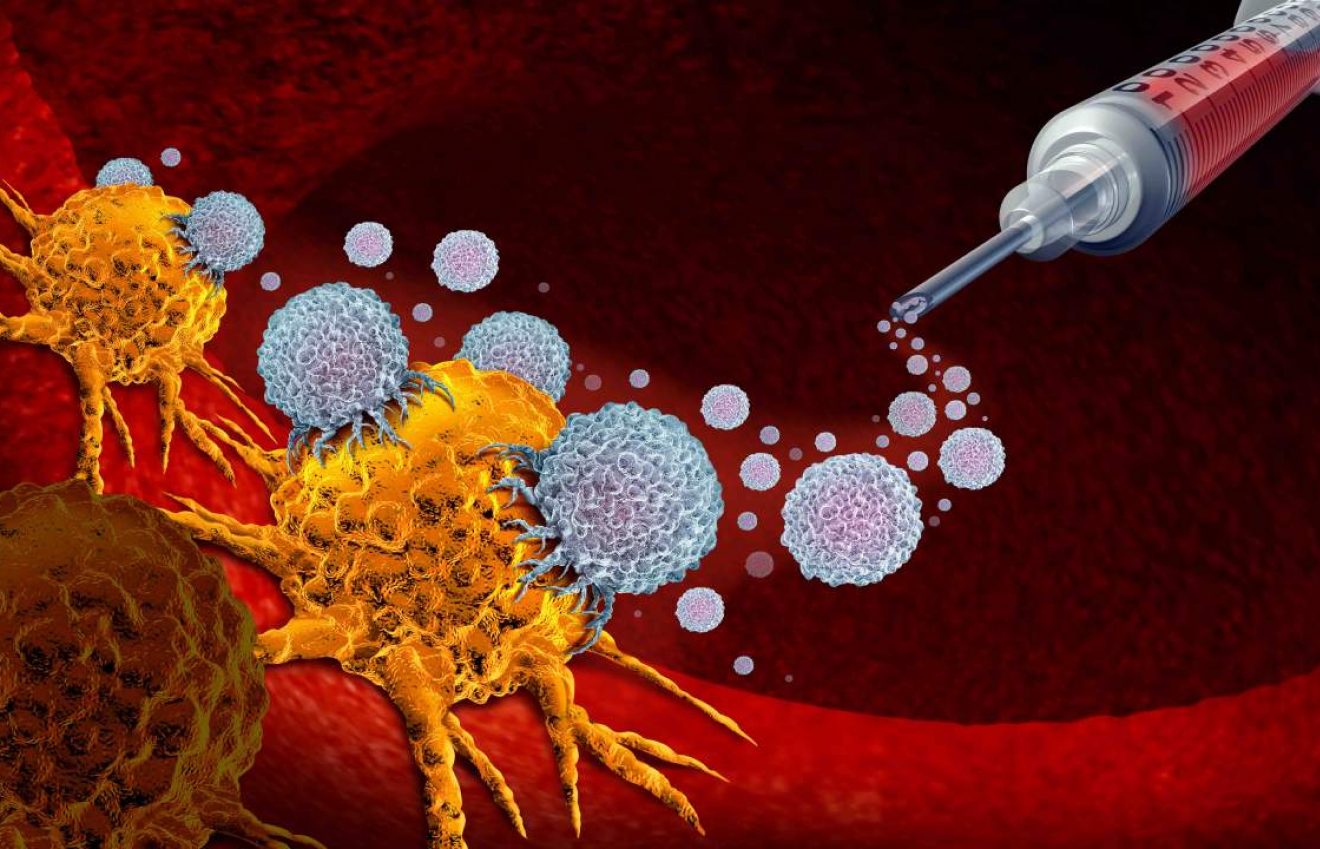
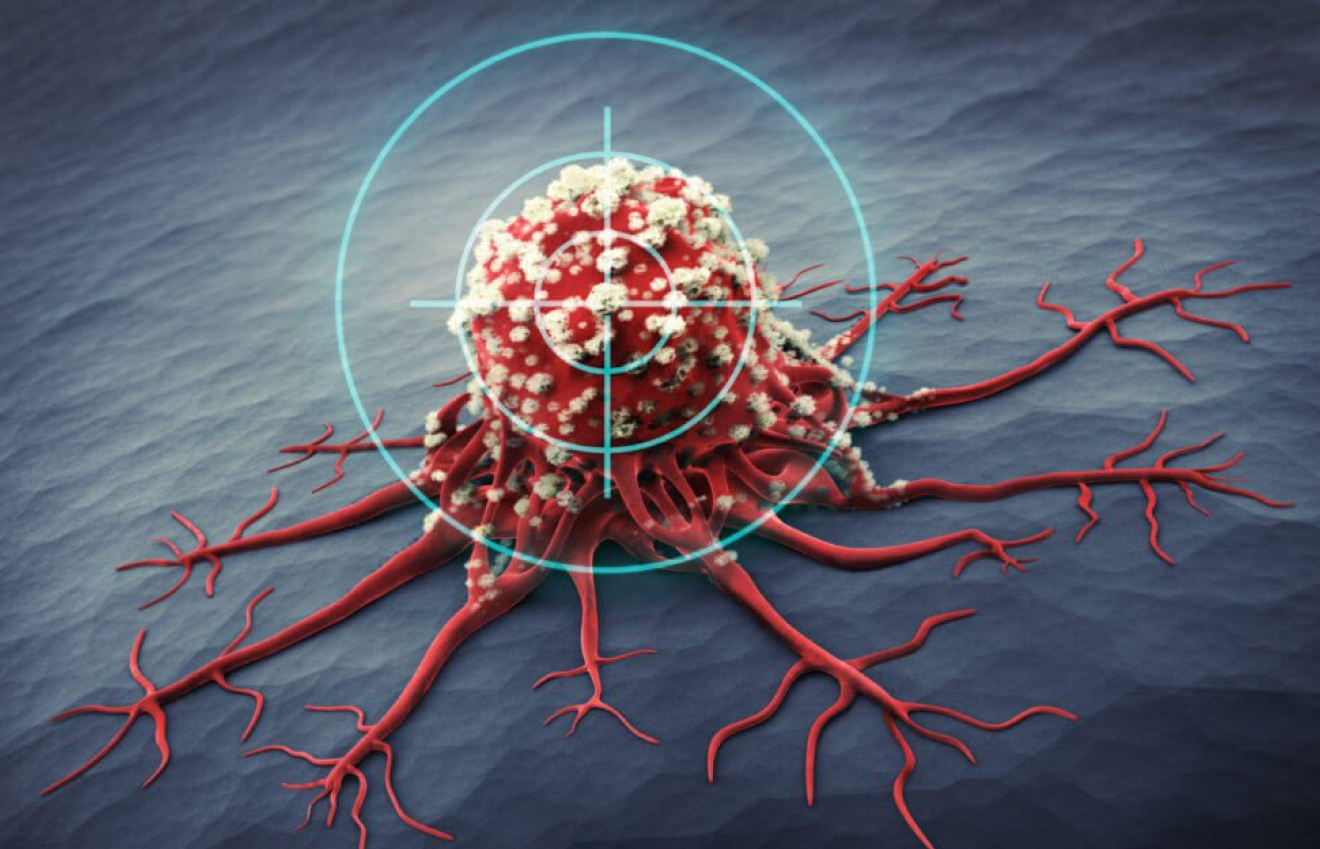
The basic chemotherapy definition refers to the use of powerful medicines that are designed to destroy cancer cells or stop them from multiplying. These medicines work because cancer cells grow faster and divide more uncontrollably than normal cells.

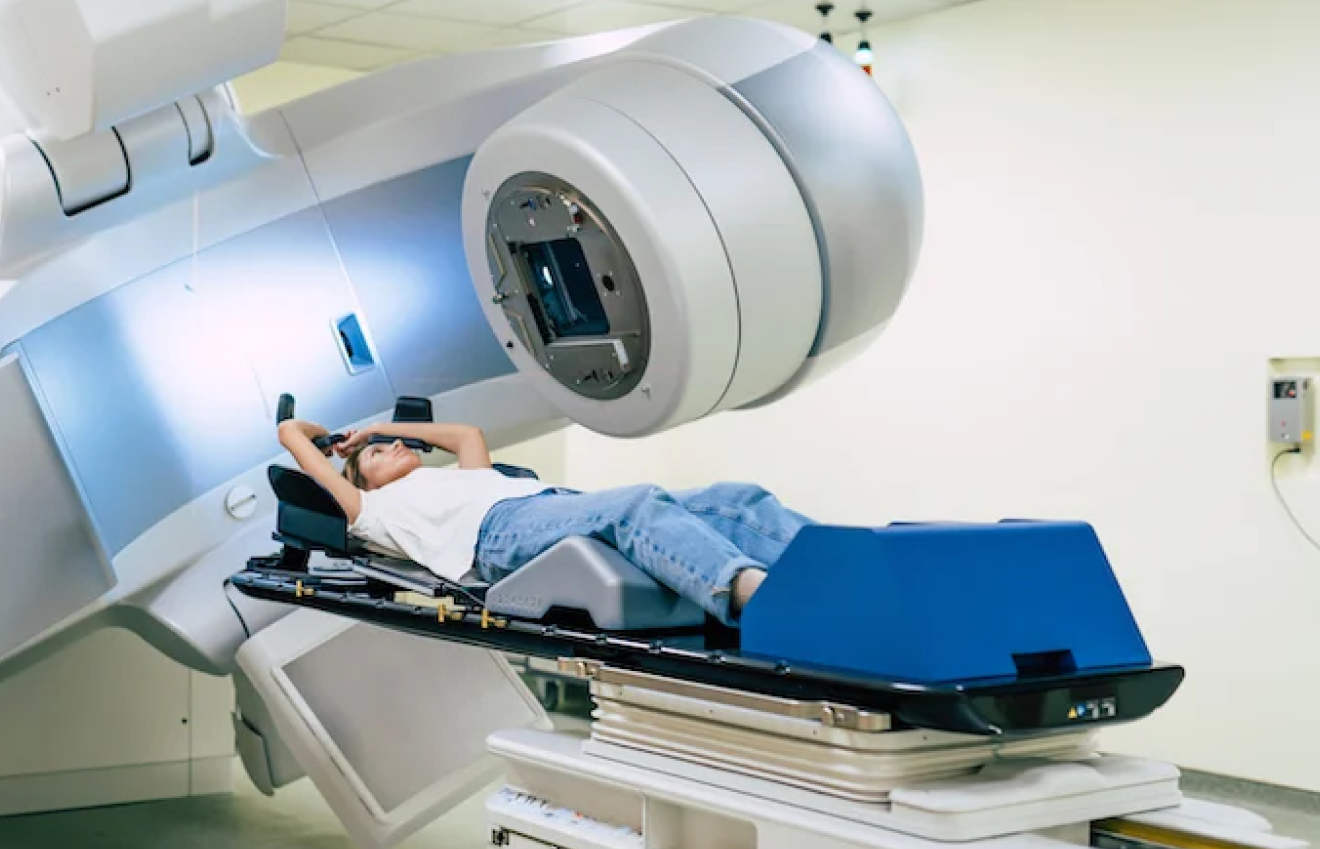
Chemotherapy is different from surgery or radiation. It is a systemic treatment, meaning it travels through the bloodstream and reaches cancer cells throughout the body.

This makes chemotherapy especially important when cancer has spread beyond one area or when doctors want to prevent cancer from returning.

How Does Cancer Treatment Chemotherapy Work?

Cancer treatment chemotherapy works by interrupting the cancer cell’s ability to grow and survive. Each chemotherapy medicine targets a specific stage of the cancer cell’s life cycle.

Some medicines damage the DNA inside cancer cells, preventing them from repairing themselves. Other drugs stop cancer cells from dividing, which eventually leads to their death.

While healthy cells can also be affected, they usually recover faster than cancer cells. Doctors use treatment cycles with rest periods to give the body time to heal between sessions.

Chemotherapy is recommended based on strong medical evidence and individual patient needs. It is not used only in late-stage cancer but also in early and intermediate stages.

Doctors may recommend chemotherapy to shrink tumors before surgery, making them easier to remove. In other cases, it is used after surgery to destroy microscopic cancer cells that scans may not detect.

In advanced cancers, chemotherapy helps control disease spread and relieve symptoms. At the best cancer hospital in Bangalore, oncologists carefully evaluate scans, test results, and patient health before recommending chemotherapy.

Understanding Chemotherapy Medicine and How It Works

There are many types of chemotherapy medicine, each designed to attack cancer in a specific way. Some medicines work by damaging cancer cell DNA, while others block the chemicals cancer cells need to grow.

Doctors may use a single drug or combine multiple medicines for better effectiveness. Combination therapy is often more successful because it attacks cancer cells from different angles.

The choice of chemotherapy medicine depends on the cancer type, stage, and how aggressive the disease is. This personalized approach improves outcomes and reduces unnecessary side effects.

How Is Chemotherapy Given to Patients?

Chemotherapy can be given through different methods depending on the medicine and treatment plan. The most common method is intravenous infusion, where the medicine is delivered directly into a vein.

Some chemotherapy medicines are taken orally as tablets or capsules. Others may be injected under the skin or into muscles.

Chemotherapy is usually given in cycles, followed by rest periods. These breaks allow the body to recover and prepare for the next cycle.

Chemotherapy Before and After Surgery

Many patients are advised to undergo chemotherapy before and after surgery, depending on their diagnosis. Both approaches play an important role in cancer management.

Chemotherapy before surgery, known as neoadjuvant chemotherapy, helps shrink tumors. This can make surgery less extensive and increase the chances of complete tumor removal.

Chemotherapy after surgery, called adjuvant chemotherapy, focuses on destroying any remaining cancer cells. This reduces the risk of cancer returning in the future.

Doctors decide the timing based on tumor size, stage, and treatment response.

Chemotherapy Medicine Price and Treatment Costs

The chemotherapy medicine price varies from patient to patient because treatment is highly individualized. There is no single cost that applies to all cancer cases.

The total cost depends on the type of chemotherapy medicine used, the number of cycles, and the treatment duration. Advanced medicines and combination therapies may increase costs but often provide better outcomes.

Hospitals usually guide patients clearly about expenses, insurance coverage, and financial planning. Transparency helps patients focus on recovery rather than financial stress.

What Side Effects Can Occur During Chemotherapy?

Chemotherapy affects individuals differently, depending on the medicines used and the patient’s health. Some people experience mild side effects, while others may feel more discomfort.

Common side effects include fatigue, nausea, hair loss, appetite changes, and reduced immunity. Most of these effects are temporary and manageable with supportive care.

Doctors monitor patients closely and adjust treatment if needed. With modern protocols, side effects are controlled more effectively than in the past.

How Do Doctors Monitor Chemotherapy Progress?

Monitoring is a critical part of chemotherapy treatment. Doctors regularly evaluate how the cancer is responding to therapy.

This is done through blood tests, imaging scans, and physical examinations. If the treatment is working well, it may continue as planned.

If the response is not as expected, doctors may adjust medicines or change the treatment approach. This ensures the best possible outcome for the patient.

Emotional and Mental Well-Being During Chemotherapy

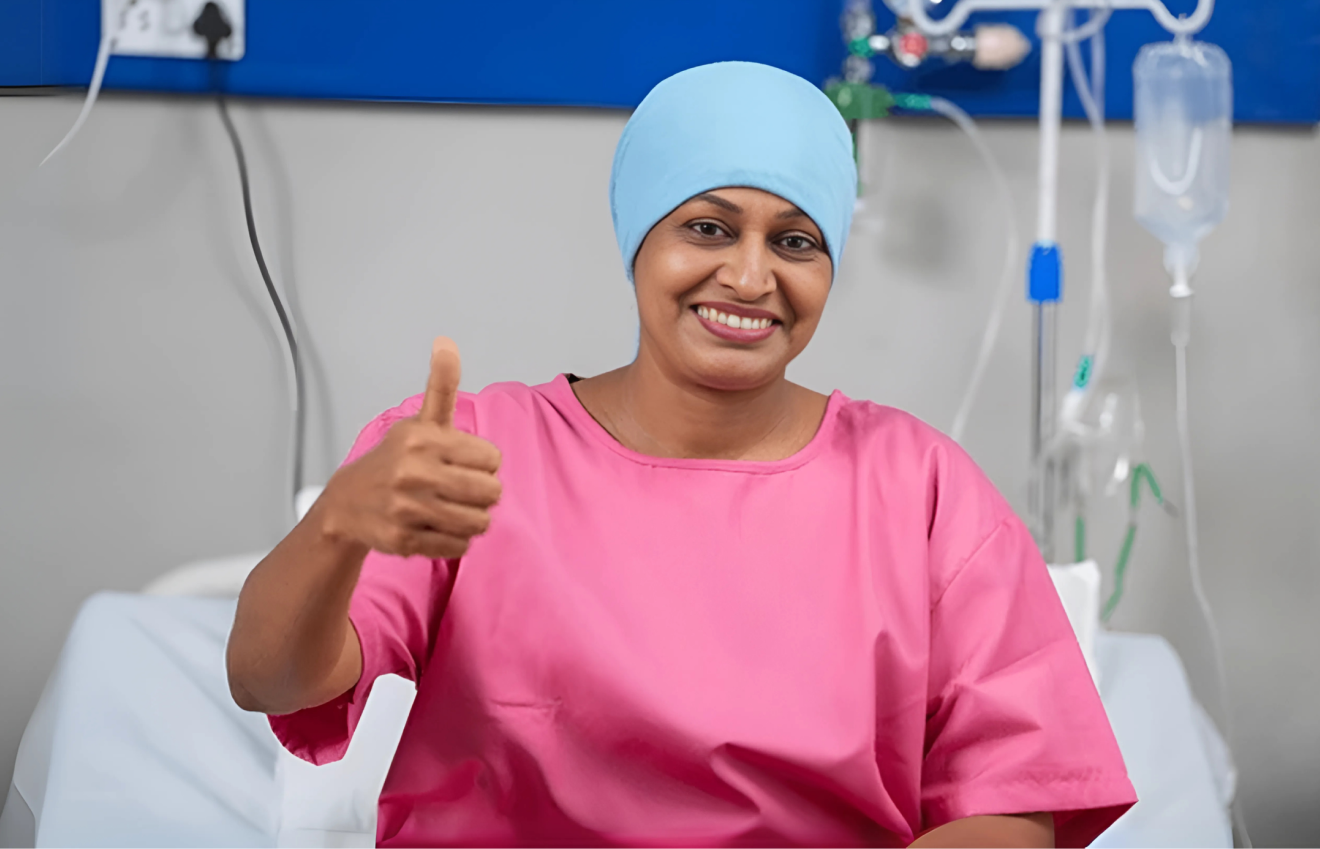
Chemotherapy impacts not just the body but also emotional health. It is normal for patients to feel anxious, tired, or emotionally overwhelmed.

Support from family, friends, counsellors, and healthcare teams plays a major role in recovery. A positive and supportive environment helps patients cope better during treatment.

We always encourage open communication with doctors and caregivers throughout the journey.

Final Thoughts

Chemotherapy remains a cornerstone of modern cancer care. When planned correctly, it can cure certain cancers, control disease progression, and improve quality of life.

At Dasappa Cancer Hospital, we combine medical expertise with compassionate, patient-focused care.

Choosing the best cancer hospital in Bangalore ensures access to advanced chemotherapy treatments, experienced oncologists, and personalized care that supports both physical and emotional well-being.

FAQs

1. Is chemotherapy always required for cancer treatment?

Not always. Chemotherapy depends on cancer type, stage, and treatment goals. Some patients may be treated with surgery or radiation alone.

2. How long does chemotherapy treatment usually last?

Chemotherapy duration varies from weeks to months, depending on cancer type, response to treatment, and individual patient factors.

3. Does chemotherapy completely cure cancer?

Chemotherapy can cure some cancers, control others, or relieve symptoms, depending on disease stage and biology.

4. Can chemotherapy be combined with other treatments?

Yes, chemotherapy is often combined with surgery, radiation therapy, immunotherapy, or targeted therapy for improved outcomes.

About The Author

Share With Your Network

Recent Posts

Book An Appointment