




Liquid Biopsy: The Blood Test That Detects Cancer Early

Table of Contents

Imagine detecting cancer through a simple blood test. This is the revolutionary promise of liquid biopsy technology transforming cancer diagnosis today. 

As specialists at a leading cancer hospital in Bangalore, we have witnessed how this non-invasive testing method is changing lives by catching cancer at its earliest, most treatable stages. 

What if a routine blood draw could reveal hidden cancers years before symptoms appear or traditional scans detect them? Continue reading to know more.

What Is Liquid Biopsy?

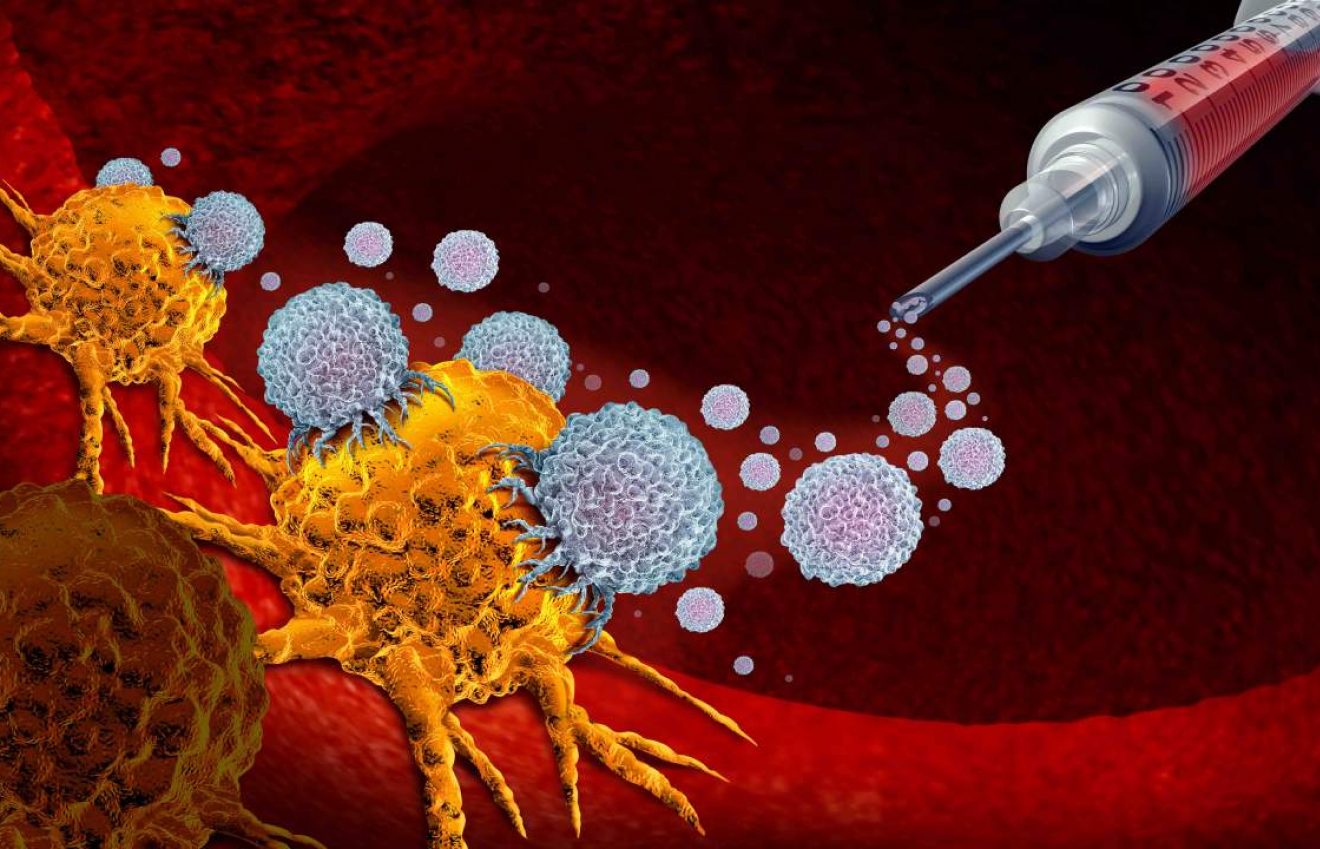
It’s a groundbreaking diagnostic technique that analyses tumor-derived materials circulating in your bloodstream. Unlike traditional biopsies requiring tissue samples through invasive procedures, liquid biopsies need only a blood sample.

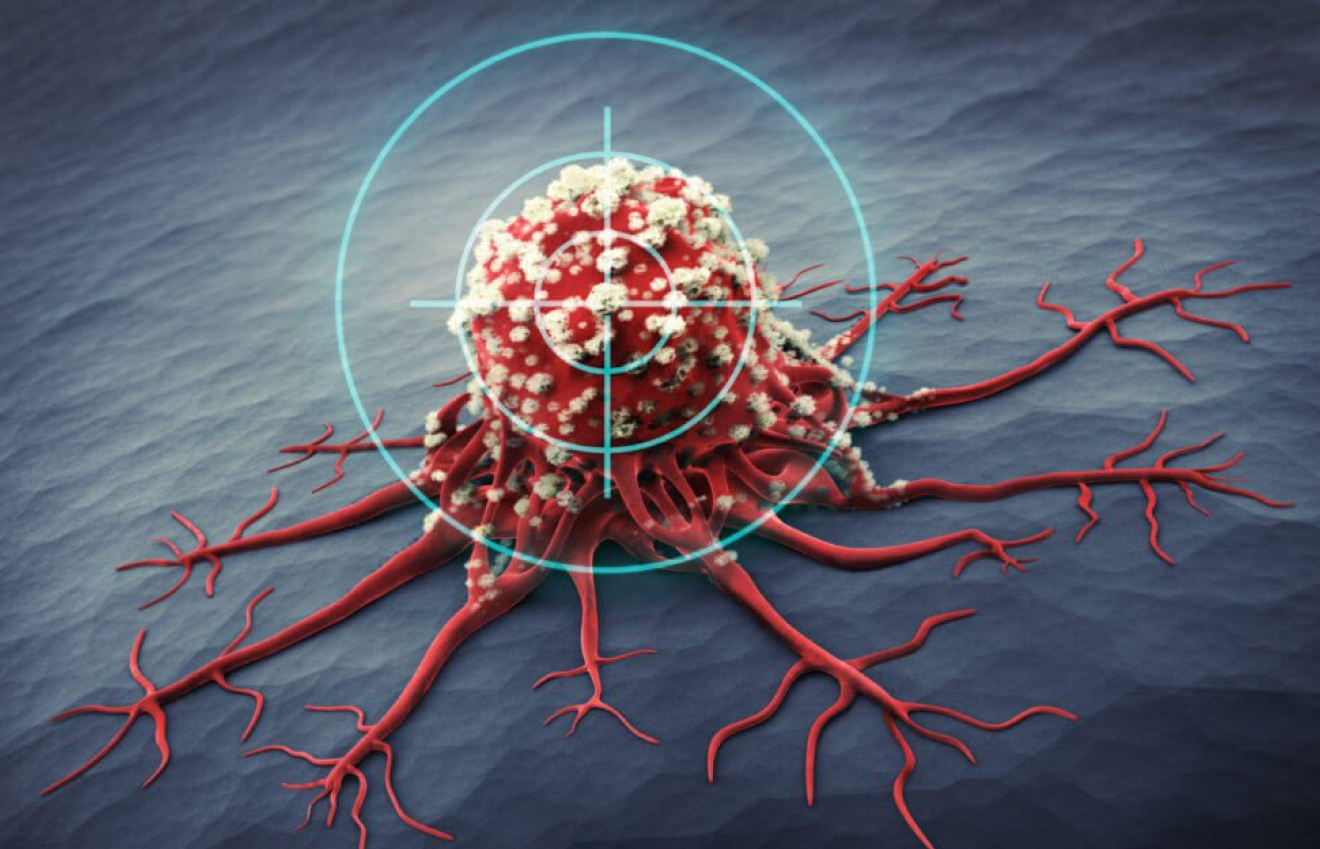
These tests detect circulating tumor cells (CTCs), circulating tumor DNA (ctDNA), and other cancer biomarkers floating freely in blood. This technology represents one of the most significant advances in cancer detection and monitoring in recent decades.

How Liquid Biopsy Works

Tumors constantly shed cells and DNA fragments into the bloodstream as they grow and develop. Liquid biopsy tests capture and analyze these microscopic cancer signatures using highly sensitive molecular techniques.

Advanced sequencing technologies identify specific genetic mutations and alterations characteristic of different cancer types. This process provides detailed information about your cancer’s genetic profile without surgical intervention.

Liquid Biopsy for Cancer Detection

Liquid biopsy for cancer detection offers unprecedented opportunities for early diagnosis when treatment is most effective. We can now identify cancer signals in the blood before tumors become visible on imaging scans.

This early detection capability is particularly valuable for high-risk individuals with family histories of cancer. Regular liquid biopsy screening can catch cancer at stage one rather than stage three or four.

At our cancer hospital in Bangalore, we have diagnosed cancers months earlier than conventional methods would have allowed. This head start significantly improves treatment outcomes and survival rates for our patients.

Liquid Biopsy in Cancer Management

Liquid biopsy in cancer extends beyond initial detection to comprehensive ongoing cancer management. We use these tests to monitor treatment response in real time without waiting for imaging scans.

Liquid biopsies reveal minimal residual disease after treatment, helping us determine if additional therapy is necessary. They also detect cancer recurrence months before symptoms develop or scans show visible tumors.

This continuous monitoring allows us to adjust treatment strategies promptly based on how the cancer responds. We can identify emerging drug resistance and switch therapies before cancer progresses significantly.

Liquid Biopsy Advantages Over Traditional Methods

The liquid biopsy advantages make this technology invaluable for modern cancer care. The most obvious benefit is the non-invasive nature: no surgery, no needles into organs, just a simple blood draw.

Patients avoid the risks, discomfort, and recovery time associated with traditional tissue biopsies. Results arrive faster, often within days rather than the weeks required for surgical biopsy processing.

Liquid biopsies can be repeated frequently without risk, enabling continuous cancer monitoring. They capture the complete heterogeneity of cancer by sampling tumor material from all sites simultaneously.

Traditional biopsies only sample one small tumor area, potentially missing important mutations. Liquid biopsies provide a comprehensive picture of cancer’s genetic landscape throughout the body.

Comparison FactorLiquid BiopsyTraditional Biopsy
InvasivenessNon-invasive blood drawRequires surgery/needle insertion
RiskMinimalBleeding, infection possible
Recovery TimeNoneDays to weeks
FrequencyCan repeat oftenLimited repetition
Tumor CoverageSamples all tumour sitesSingle location only
Results Timeline3-7 days1-2 weeks
Patient ComfortComfortableOften painful

Liquid Biopsy for Lung Cancer

Liquid biopsy for lung cancer has revolutionized how we diagnose and manage this challenging disease. Lung tumors are often difficult to access for traditional biopsies due to their location.

Liquid biopsies identify EGFR, ALK, ROS1, and other targetable mutations without risky lung tissue sampling. This is especially valuable for patients whose lung function is too compromised for a surgical biopsy.

We use liquid biopsies to monitor lung cancer patients during targeted therapy treatment. When resistance develops, the test reveals new mutations guiding us to alternative effective therapies.

Liquid Biopsy in Breast Cancer

Liquid biopsy in breast cancer provides crucial information for treatment selection and monitoring. We identify HER2 status, hormone receptor status, and specific mutations affecting therapy choices.

During treatment, liquid biopsies track whether breast cancer cells are decreasing as expected. After treatment completion, they detect recurrence before symptoms appear or imaging shows metastases.

This early recurrence detection allows immediate intervention when treatment is most likely to succeed. Patients gain peace of mind from regular monitoring without repeated invasive procedures.

Liquid Biopsy Bladder Cancer Applications

Liquid biopsy bladder cancer detection offers particular advantages for this disease, requiring frequent surveillance. Bladder cancer patients traditionally undergo repeated uncomfortable cystoscopy procedures for monitoring.

Liquid biopsy tests can reduce the frequency of invasive cystoscopies while maintaining surveillance effectiveness. Urine-based liquid biopsies detect bladder cancer DNA with high accuracy and patient comfort.

At our cancer hospital in Bangalore, we combine liquid biopsy with traditional methods for comprehensive bladder cancer care. This approach maximizes detection accuracy while minimizing patient discomfort significantly.

Who Should Consider Liquid Biopsy Testing

Ideal Candidates for Liquid Biopsy:

  • High-risk individuals with strong family cancer histories
  • Cancer patients monitoring treatment effectiveness
  • Patients are unable to undergo surgical biopsies safely
  • Individuals in cancer remission are watching for recurrence
  • Those with tumors in difficult-to-access locations
  • Anyone seeking early cancer detection screening
  • Patients needing frequent cancer monitoring

Current Limitations and Future Directions

We acknowledge that liquid biopsy technology continues evolving and isn’t perfect yet. Detection sensitivity for very early-stage cancers is still improving with ongoing research.

Not all cancer types shed detectable amounts of DNA into the bloodstream consistently. Insurance coverage remains variable, though this is improving as evidence supporting the technology grows.

Despite these limitations, liquid biopsy represents the future of cancer detection and monitoring. New tests in development promise even greater sensitivity and broader cancer type coverage.

Final Thoughts

Liquid biopsy technology is transforming cancer care from reactive to proactive, catching disease earlier than ever before. 

As a leading cancer hospital in Bangalore, Dasappa Cancer Hospital integrates liquid biopsy testing with comprehensive cancer care to give patients every possible advantage.

The ability to detect and monitor cancer through a simple blood test represents hope, convenience, and better outcomes for everyone.

Frequently Asked Questions

1. What is a liquid biopsy for?

A liquid biopsy detects cancer by analyzing tumor DNA, cells, and biomarkers in blood samples. It’s used for early cancer detection, monitoring treatment response, detecting recurrence, and identifying genetic mutations guiding therapy.

2. What is the success rate of liquid biopsy?

Success rates vary by cancer type and stage. Liquid biopsies detect 70-90% of advanced cancers and 40-60% of early-stage cancers. Detection sensitivity improves continuously as technology advances rapidly.

3. How accurate is the liquid biopsy?

Liquid biopsy accuracy ranges from 85% to 95% for detecting advanced cancers with high tumour burden. Specificity typically exceeds 99%, meaning false positives are rare. Accuracy improves with technological advancements and refinements.

4. Is a liquid biopsy painful?

No, liquid biopsy is not painful. It requires only a standard blood draw identical to routine blood tests. Patients experience minimal discomfort, just a brief needle stick with no recovery time needed.

5. Can a doctor tell if a tumor is cancerous by looking at it?

Doctors cannot definitively confirm cancer by visual inspection alone. While experienced physicians recognize suspicious features, definitive diagnosis requires biopsy analysis, examining cells under microscopy and conducting molecular testing for confirmation.

About The Author

Share With Your Network

Recent Posts

Book An Appointment