Undergoing Chemotherapy Treatment in Bangalore is a profound physical and emotional journey. While your medical oncology team focuses on eradicating malignant cells with advanced precision medication, there is another equally critical component of your recovery that happens entirely outside the hospital: your daily chemotherapy diet.
Many patients and caregivers initially view food merely as a source of basic energy or temporary comfort. However, during active oncology treatments, your nutritional intake transforms into a vital, strategic clinical partner.
A highly structured, thoughtful diet does much more than just satisfy hunger; it acts as an internal iological shield. Proper nutrition actively protects your healthy organs from treatment toxicity, drastically mitigates severe side effects like systemic nausea and extreme fatigue, and empowers your body to sustain its scheduled clinical timeline without dangerous interruptions or delays caused by low blood counts.
Navigating exactly what to eat and what to strictly avoid can feel overwhelming, especially when the patient’s taste preferences and digestive system are constantly shifting due to the medication.
To eliminate the daily guesswork and stress, we have broken down this complex nutritional journey into a clear, actionable roadmap spanning three distinct phases: how to effectively prepare your body before the first infusion, how to safely nurture it during the active cycles, and how to structurally rebuild your strength once the treatment is complete.
Medical Disclaimer
The dietary guidelines, phase breakdowns, and sample meal charts provided in this article are strictly for educational and informational purposes. They do not substitute for professional medical advice, formal nutritional counseling, or specialized clinical treatment. Chemotherapy side effects, immune system vulnerabilities, and absolute nutritional requirements vary drastically based on the specific oncology drugs administered and your unique biological profile. Always consult directly with your medical oncologist and a certified clinical dietitian before making any changes to your diet, particularly if you have co-existing medical conditions like diabetes or hypertension. Never ignore professional medical warnings or delay seeking urgent clinical care based on the contents of this guide.
Preparing Your Body (Before Chemotherapy Begins)
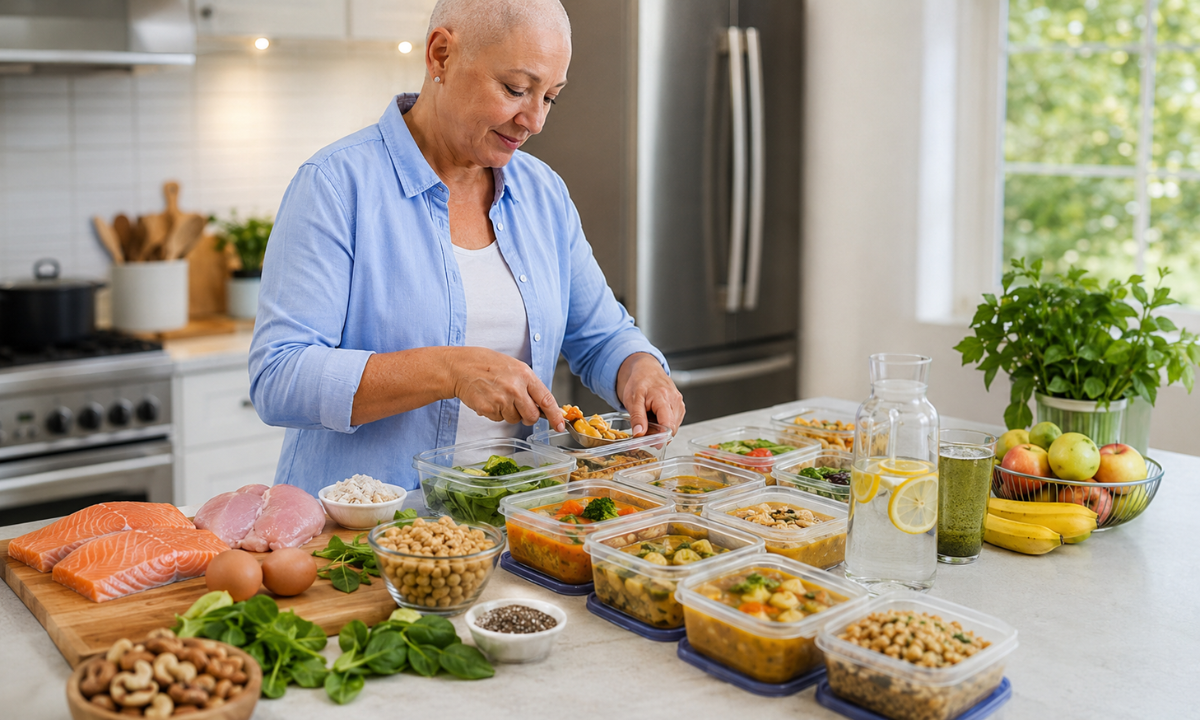
Think of the days and weeks leading up to your first infusion as your body’s essential “training phase.” When you start treatment with robust nutritional reserves and a strong baseline weight, you drastically reduce your risk of unexpected hospital admissions, severe fatigue, and treatment delays.
The primary goal during this phase is to build an internal armor of lean muscle and cellular hydration so your body has the raw materials it needs to repair itself once the medication is introduced.
Here is how you should structure your diet before stepping into the oncology ward:
1. Maximize High-Quality Protein Intake
Chemotherapy drugs are incredibly powerful, and as they break down malignant cells, they can also cause wear and tear on healthy tissues. Protein is the fundamental building block for cellular repair and immune defense. If you do not have enough protein stored in your body, the treatment can prematurely break down your existing muscle mass, leading to severe physical weakness.
What to Eat: Focus heavily on lean, easily digestible proteins. Incorporate eggs, skinless poultry, and fish (which also provides anti-inflammatory Omega-3 fatty acids). For plant-based diets, prioritize lentils, chickpeas, tofu, and a variety of nuts and seeds.
The Clinical Goal: Try to include a solid source of protein in every meal and snack. If you weigh 60kg, aim to safely consume at least 60 to 75 grams of high-quality protein daily during this prep phase.
2. Fortify Your Gut Microbiome
Chemotherapy can be particularly harsh on the digestive tract, often wiping out the “good” bacteria in your stomach, which leads to diarrhea and cramping. You can preemptively protect your digestive system by feeding your gut microbiome before treatment begins.
What to Eat: Load up on soluble fiber and complex carbohydrates. Oats, barley, brown rice, bananas, and apples are excellent choices. Soluble fiber helps maintain healthy gut bacteria and promotes the production of short-chain fatty acids that protect the intestinal lining.
3. Establish a Hydration Baseline
Dehydration is a leading cause of emergency room visits for patients undergoing active treatment. Do not wait until you feel thirsty or nauseous to start drinking water. Your cells need to be fully “plumped” and hydrated to help your kidneys effectively flush out the chemotherapy byproducts after your infusion.
The Strategy: Aim for 8 to 10 glasses of fluids a day. Aside from plain water, you can build your fluid reserves with clear, nutrient-rich bone broths, tender coconut water, and herbal teas (like ginger or chamomile).
4. The Practical Step: Build Your Freezer Stash
Your energy levels will likely be at their highest before treatment begins. Use this time strategically.
Cook large batches of mild, easily digestible meals like simple lentil soups, vegetable stews, and mild chicken broths and freeze them in small, single-serving containers. When treatment fatigue sets in and the smell of cooking becomes overwhelming, having a stockpile of safe, ready-to-heat meals is an absolute lifesaver for both the patient and the caregiver.
Taking control of your pre-treatment nutrition, you step into the hospital from a position of absolute physical strength.
Nurturing Your Body (During Chemotherapy)
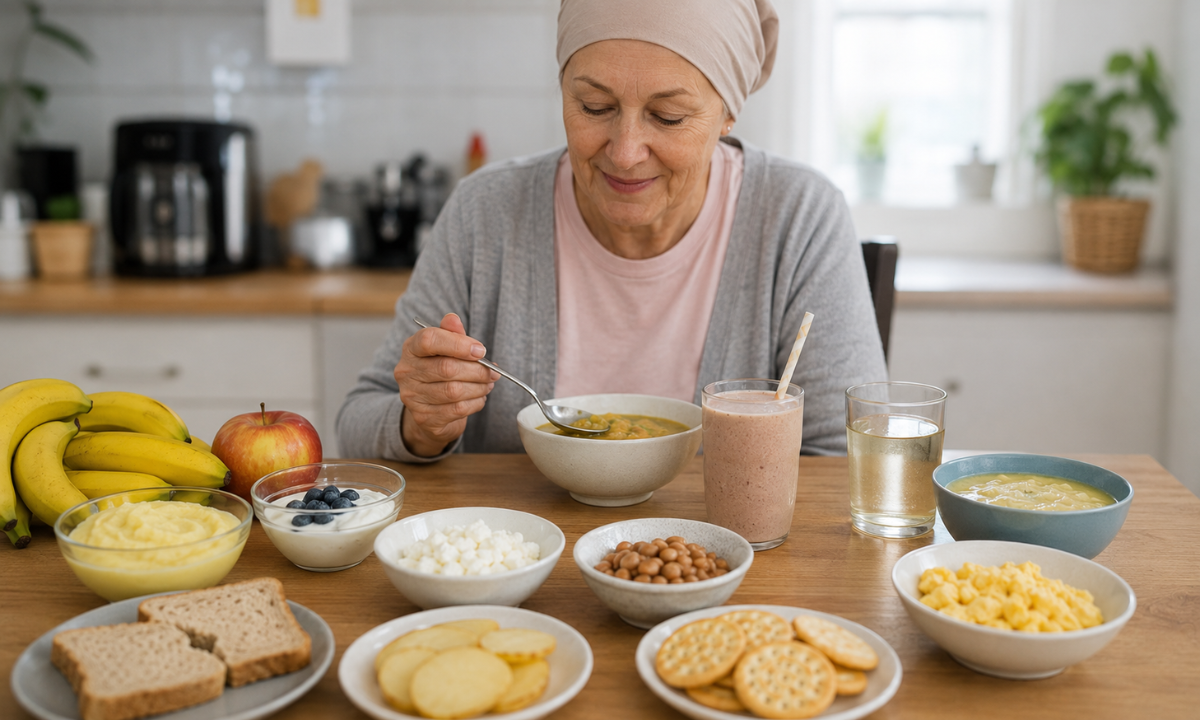
Once your active treatment cycles begin, your relationship with food will likely change. The medications circulating through your system can alter your taste buds, irritate your digestive lining, and trigger unpredictable waves of nausea.
During this phase, the strategy regarding chemotherapy and foods to eat must fundamentally shift from “building bulk reserves” to tactical symptom management. The goal is no longer eating large, traditional meals, but rather finding creative, gentle ways to sustain your energy and prevent severe weight loss.
Patients frequently ask their oncology teams, “Exactly what are the best foods to eat while on chemotherapy when simply looking at a meal makes me feel unwell?” The answer depends entirely on the specific side effect you are experiencing on any given day.
Here is how to adapt your diet to conquer the three most common treatment-induced hurdles:
1. Combatting Severe Nausea and Vomiting
When nausea strikes, an empty stomach actually makes the sensation much worse. Stomach acids have nothing to digest. The key is to keep a little bland food in your system at all times.
The Dietary Fix: Transition from three large meals to six or seven “micro-meals” spaced throughout the day. Focus entirely on dry, bland, and starchy carbohydrates. Crackers, plain toast, dry puffed rice, and plain boiled potatoes are excellent choices because they absorb excess stomach acid.
Pro-Tip: Hot foods emit strong aromas that can instantly trigger nausea. Serve your meals at room temperature or slightly chilled to minimize the smell.
2. Managing Mouth Sores (Mucositis)
Chemotherapy targets rapidly dividing cells, which unfortunately include the delicate mucous membranes lining your mouth and throat. This can make chewing and swallowing incredibly painful.
The Dietary Fix: Texture is everything. Switch to soft, pure, liquid-rich foods. Think thick smoothies, mashed potatoes, well-cooked plain oatmeal, soft scrambled eggs, and pureed lentil soups.
What to Strictly Avoid: Eliminate crunchy foods (like chips or hard toast) that can physically scratch the sores. Avoid anything highly acidic (tomatoes, citrus fruits) or spicy, as these will burn the compromised tissue. Cold foods, like fruit popsicles or chilled yogurt, can actually provide a soothing, numbing effect on painful gums.
3. Overcoming Metal Mouth (Taste Alterations)
Many patients develop a condition called dysgeusia, where food suddenly tastes like cardboard, overly bitter, or heavily metallic. This side effect alone can destroy a patient’s appetite.
The Dietary Fix: First, physically change how you eat: swap all metal silverware for high-quality plastic or bamboo utensils, and avoid drinking out of metal cans or thermoses.
Flavor Adjustments: If food tastes too sweet, add a few drops of lemon juice or a pinch of salt (provided you do not have mouth sores). If meat suddenly tastes bitter or metallic, switch your protein sources to mild alternatives like paneer (cottage cheese), tofu, beans, or eggs. Marinating foods in naturally sweet fruit juices can also help mask the chemical taste left by the drugs.
Actively listening to your body and adjusting your diet to match your daily symptoms, you can maintain your strength and keep your immune system functioning efficiently without forcing yourself through painful, uncomfortable meals.
Foods to Avoid & Sample Diet Chart
When undergoing active oncology cycles, your white blood cell count often plummets, leaving your immune system temporarily defenseless, a clinical condition known as neutropenia. During this vulnerable window, food safety transforms from a basic hygiene practice into a matter of critical clinical importance.
A single bacterial infection from improperly handled food can lead to severe complications and drastically delay your next treatment cycle.
High-Risk Infection Hazards: What to Strictly Avoid
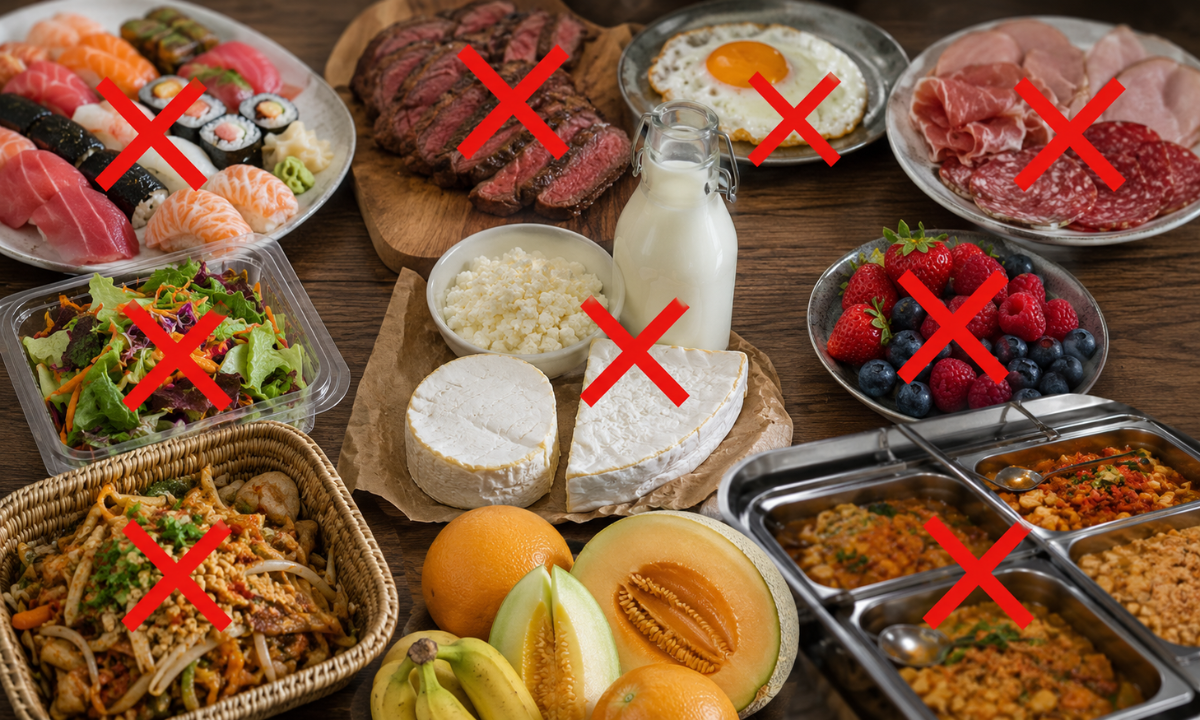
Understanding which chemotherapy foods to avoid is essential for protecting your compromised immune system. You must strictly eliminate any food items that carry a high risk of bacterial or fungal contamination:
- Raw or Undercooked Animal Proteins: Completely avoid sushi, rare steaks, runny or sunny-side-up eggs, and cold deli meats. All meats must be cooked until well-done and steaming hot.
- Unpasteurized Dairy: Avoid raw milk and artisanal, unpasteurized cheeses. Stick exclusively to commercially packaged, pasteurized dairy products.
- Unpeelable Raw Produce: While fresh fruits and vegetables are healthy, raw items that cannot be thoroughly washed and peeled (like raspberries, strawberries, or pre-packaged salad greens) pose a high bacterial risk. Stick to fruits with thick, protective skins (like bananas, oranges, and melons) or thoroughly cook your vegetables.
- Street Food and Buffets: Avoid any food that has been sitting out under heat lamps, handled by multiple people, or prepared in environments where cross-contamination is difficult to control.
Your Actionable Daily Blueprint
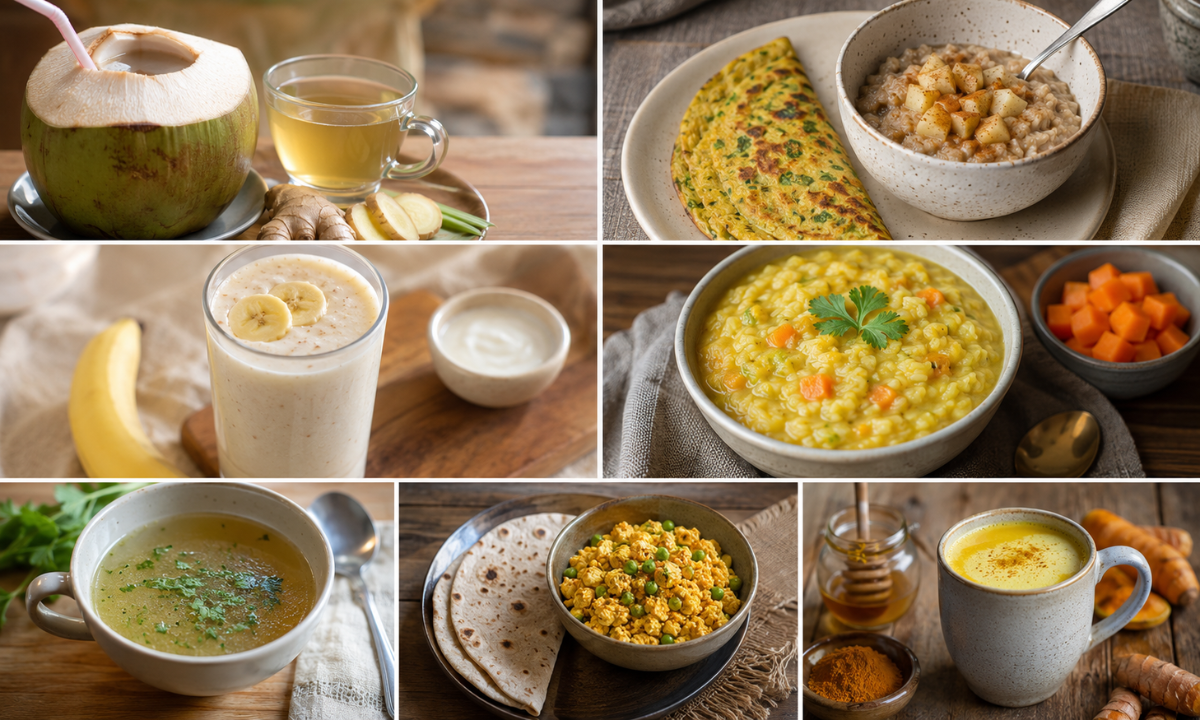
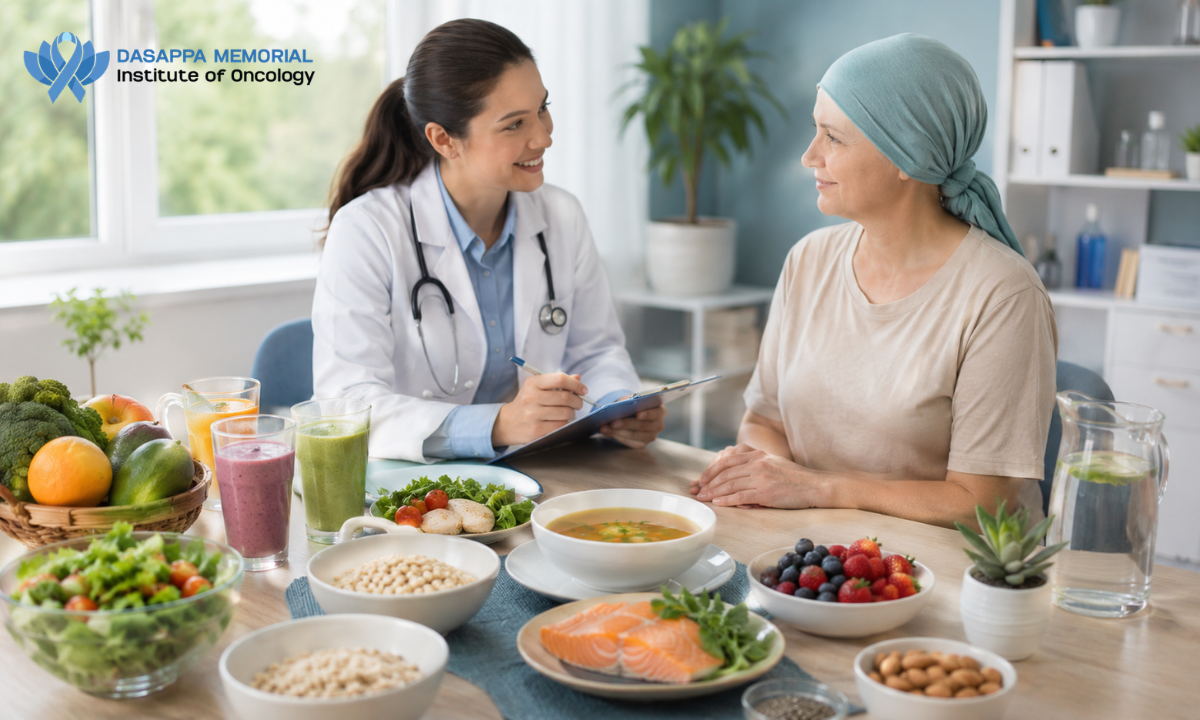
To help you manage nutrition safely and effectively at home, we have designed a sample chemotherapy patient diet chart tailored for comfort, safety, and energy sustainability. This chart focuses on small, frequent meals that are gentle on an Indian palate, ensuring maximum caloric intake with minimal digestive strain.
| Time of Day | Recommended Meal or Snack | Why It Helps Your Body |
|---|---|---|
| Early Morning (6:30 AM) | A glass of tender coconut water or mild ginger tea (without milk). | Hydrates the body immediately upon waking and naturally settles morning nausea before any solid food is introduced. |
| Breakfast (8:30 AM) | Soft, well-cooked Moong Dal Chilla (lentil pancake) or warm oatmeal cooked with stewed apples. | Provides highly digestible, plant-based protein and soluble fiber to protect the gut lining and provide sustained morning energy. |
| Mid-Morning (11:00 AM) | A thick smoothie with pasteurized yogurt and a peeled banana. | Delivers a dense concentration of calories and calcium that requires zero chewing, making it perfect if mouth sores are present. |
| Lunch (1:30 PM) | A bowl of warm, very soft Khichdi (rice and lentils) served with well-boiled carrots or pumpkin. | The ultimate comfort food. It is incredibly easy to swallow, heavily nutrient-dense, and highly unlikely to irritate a sensitive stomach. |
| Late Afternoon (4:00 PM) | A cup of clear, strained chicken broth or a mild vegetable/spinach soup. | Replenishes vital electrolytes (like sodium and potassium) lost through treatment-induced sweating or diarrhea. |
| Dinner (7:00 PM) | Soft Paneer Bhurji (crumbled cottage cheese) with a soft phulka (flatbread) or mashed potatoes. | Supplies high-quality protein essential for overnight cellular repair without sitting too heavily in the stomach before bedtime. |
| Before Bed (9:30 PM) | A warm cup of chamomile tea or pasteurized milk with a pinch of turmeric. | Promotes relaxation, aids in sleep, and utilizes the natural anti-inflammatory properties of turmeric to soothe the body. |
Important Note: This chart is a general blueprint. Always adjust spices and temperatures to your current tolerance levels. If a certain food triggers nausea or discomfort, skip it and focus only on what your body can comfortably accept that day.
Rebuilding Your Strength (After Chemotherapy)
Ringing the bell after your final chemotherapy session is a monumental emotional milestone, but the physical journey of recovery is just beginning.
Even though the active medication has stopped, your body is still processing the residual effects of the drugs. During this crucial post-treatment phase, your nutritional strategy shifts from “tactical symptom management” to “active systemic rebuilding.”
The goal now is to repair damaged tissues, restore a healthy digestive system, and naturally boost your depleted blood counts so you can safely return to your normal, vibrant lifestyle.
1. Accelerating Tissue and Muscle Repair
During treatment, your body likely utilized its own muscle reserves for energy, leading to noticeable weakness or weight loss. To rebuild that lost muscle and repair tissues damaged by the chemotherapy, you must maintain a consistently high intake of lean protein.
The Dietary Strategy: Now that your appetite is slowly returning and nausea is subsiding, you can reintroduce denser proteins. Incorporate whole eggs, grilled chicken, fish, robust lentil stews (dals), and paneer. Since your digestive tract is still recovering, continue to avoid heavily deep-fried meats or excessively spicy curries that might cause heartburn.
2. Restoring Your Gut Microbiome
Months of harsh medications, and often accompanying antibiotics, completely strip your digestive tract of its natural, healthy bacteria. Rebuilding this microscopic ecosystem is essential for long-term immune health and proper nutrient absorption.
The Dietary Strategy: Focus on a combination of probiotics (to introduce good bacteria) and prebiotics (to feed those bacteria).
- Probiotics: Safely introduce fermented foods like fresh, homemade yogurt (curd) and buttermilk (chaas). Ensure all dairy is fully pasteurized.
- Prebiotics: Feed the new bacteria with soluble fibers found in garlic, onions, slightly green bananas, oats, and apples.
3. Replenishing Your Blood Counts (Fighting Anemia)
It is incredibly common to finish chemotherapy with low red blood cell counts and depleted iron stores, leaving you feeling persistently sluggish and out of breath. You need to provide your bone marrow with the specific nutritional building blocks required to manufacture fresh, oxygen-rich blood.
The Dietary Strategy: Load your plate with iron-rich foods such as spinach, beetroot, jaggery, dates, and legumes.
The Absorption Trick: Plant-based iron (non-heme iron) is notoriously difficult for the body to absorb on its own. To unlock it, you must pair it with Vitamin C. Squeeze fresh lemon juice over your spinach soup, or eat a slice of orange alongside your morning bowl of dates and oats. (Note: Only reintroduce acidic citrus fruits once your mouth sores have completely healed).
4. Clearing Oxidative Stress
Chemotherapy creates a significant amount of oxidative stress and free radicals inside the body. To help your liver detoxify the residual chemicals and protect your newly formed healthy cells, introduce a rainbow of natural antioxidants.
The Dietary Strategy: Once your immune system (white blood cell count) has safely recovered and your oncologist gives you the green light to eat raw foods again, start incorporating brightly colored, thoroughly washed fresh fruits and vegetables. Berries, carrots, tomatoes, and leafy greens are packed with the vitamins and phytonutrients needed to flush out toxins and reduce lingering inflammation.
Actively focusing on these four rebuilding pillars, you provide your body with the exact biological tools it needs to transition out of survival mode and step confidently into long-term remission.
Why Choose Dasappa Cancer Hospital?
Navigating the complexities of chemotherapy is not a journey you should ever have to manage alone. At Dasappa Cancer Hospital, we believe that true healing requires a holistic approach that treats the entire patient, not just the diagnosis.
When searching for the Best Cancer Treatment Hospital in Bangalore, families trust our integrated care model that perfectly balances advanced medical treatments with compassionate, daily lifestyle support.
Under the expert leadership of Dr. Pandu Dasappa, our 75+ bed super-specialty facility provides an environment where every aspect of your recovery is meticulously managed. Here is what makes us the Best Cancer Hospital in Bangalore:
- Integrated Nutritional Counseling: Our dedicated clinical dietitians work side-by-side with your medical oncology team to design a personalized diet chart that evolves continuously with your specific treatment cycles, blood counts, and physical symptoms.
- Multidisciplinary Excellence: From renowned surgical and medical oncologists to specialized oncology nurses, our collaborative tumor board ensures your body is always strong enough to sustain the planned treatment protocols.
- Patient-Centric Infrastructure: We offer state-of-the-art, dedicated chemotherapy units designed specifically for maximum comfort, ensuring a highly sterile, calming, and safe environment during long infusion sessions.
Beyond precision medicine and meals, we provide dedicated psychological counseling, pain management, and palliative therapy to keep you mentally and emotionally resilient throughout your recovery.
Final Thoughts
Cancer treatments can often make you feel like you have lost control over your own body, but food is one of the most powerful tools you still command. By understanding how to strategically prepare your internal reserves, tactically manage side effects during active infusions, and intentionally rebuild your cellular strength post-treatment, you become an active participant in your own healing process. Remember that every small, nutrient-dense bite is a definitive step toward recovery.
Listen to your body, grant yourself grace on the difficult days, and lean heavily on the clinical experts at Dasappa Cancer Hospital to guide you safely through every phase of your journey to remission.