




What Is Stage 0 Breast Cancer: Diagnosis and Treatment Guide

Table of Contents

dasReceiving a mammary oncology diagnosis requires immediate clinical attention. For patients seeking comprehensive care, including advanced Gynecological cancer treatment in Bangalore, securing a complete evaluation at the Best Cancer Hospital in Bangalore is a critical medical priority.

When individuals ask exactly what stage 0 breast cancer is, specialized medical professionals identify a highly localized, pre-invasive cellular dysplasia. At this precise biological stage, abnormal malignant cells exist but remain strictly confined within the internal anatomical structure of the milk ducts.

This comprehensive medical guide details the foundational clinical concepts regarding pre-invasive breast disease. To ensure patients understand their exact physiological status, we will rigorously examine the following critical oncological areas:

  • The precise microscopic pathology that strictly differentiates Ductal Carcinoma In Situ from invasive mammary tumors.
  • The clinical presentation and diagnostic challenges associated with identifying localized cellular changes before physical symptoms manifest.
  • The exact surgical and targeted radiological protocols utilized by multidisciplinary oncology teams are utilized to permanently eradicate the abnormal tissue.

Understanding the exact biological parameters of a pre-invasive diagnosis provides patients with the precise data required to make highly informed clinical decisions.

Prioritizing routine mammographic diagnostic screenings, individuals maximize their probability of intercepting cellular abnormalities before the condition requires aggressive systemic medical intervention.

Medical Disclaimer

This article is provided strictly for educational purposes and does not constitute formal medical advice, diagnosis, or treatment. Always seek the advice of a qualified healthcare provider with any questions regarding a medical condition. Never disregard professional medical advice or delay in seeking it because of something you have read in this article.

What is stage 0 Breast Cancer?

Understanding stage 0 breast cancer

When patients and clinical professionals discuss exactly what stage 0 breast cancer is, they are primarily referring to a specific pathological condition formally designated as Ductal Carcinoma In Situ (DCIS).

To understand this diagnosis, it is necessary to examine the fundamental microscopic anatomy of the human mammary gland. The breast tissue contains lobules that synthesize milk and ducts that transport this fluid to the nipple. The interior walls of these functional ducts are lined with specialized epithelial cells. In a pre-invasive malignancy, these specific epithelial cells undergo genetic mutations, causing them to proliferate rapidly and abnormally.

To secure a Stage 0 diagnosis, pathologists must observe specific microscopic criteria within a biopsied tissue sample.

Microscopic Characteristics of Pre-Invasive Disease

  • The abnormal cellular proliferation occurs strictly within the internal lumen of the milk duct.
  • The malignant cells exhibit disorganized structural division and significant genetic irregularities compared to healthy epithelial cells.
  • The critical basement membrane, which serves as the structural boundary separating the duct from the surrounding fatty and connective breast tissue, remains completely intact.
  • No malignant cells have penetrated or structurally degraded this essential anatomical barrier.

This intact basement membrane is the absolute defining characteristic of a Stage 0 breast cancer diagnosis.

As the structural boundary is uncompromised, the condition is definitively categorized as “in situ,” meaning the abnormal growth remains precisely in its original biological location. This specific anatomical isolation dictates the immediate clinical reality for the patient.

Clinical Implications of an Intact Basement Membrane

  • The abnormal cells possess zero physical access to the localized lymphatic channels located outside the structural boundary of the duct.
  • The malignant cells cannot infiltrate the surrounding vascular networks or blood vessels.
  • Biological metastasis to regional lymph nodes or distant anatomical organs is physiologically impossible at this exact developmental stage.
  • The condition is considered highly curable due to this strict structural containment.

However, clinical oncologists mandate immediate intervention because this isolated state is not biologically permanent. If the medical team does not surgically excise the abnormal tissue, these cells will inevitably accumulate further genetic damage.

This continuous mutation process will eventually grant the cells the biological capacity to destroy the basement membrane, forcing the diagnosis to progress from a highly manageable pre-invasive condition into an invasive mammary carcinoma.

0 Stage Breast Cancer Symptoms

The primary clinical characteristic of Ductal Carcinoma In Situ is the profound absence of systemic physiological warning indicators.

When patients inquire about typical 0 stage breast cancer symptoms, oncologists must clarify that this specific biological phase is predominantly asymptomatic. As the malignant cells remain strictly confined within the interior of the milk duct, they do not interact with surrounding nerve endings, generate systemic inflammation, or physically compress adjacent anatomical structures.

Consequently, the biological triggers that typically produce localized pain, swelling, or physical discomfort remain entirely unactivated.

Despite this generally asymptomatic presentation, a highly localized cellular dysplasia can occasionally generate microscopic physical disruptions. While rare, patients and medical professionals must remain highly vigilant regarding any specific, localized sign of stage 0 breast cancer.

Rare Clinical Manifestations of Pre-Invasive Disease

Clinical ManifestationPhysiological MechanismDiagnostic Frequency
Palpable Micro-MassThe cellular proliferation within the duct becomes dense enough to form a tiny, physically detectable structural irregularity within the breast tissue.Highly rare, as most pre-invasive clusters are too small to feel manually.
Unilateral Nipple DischargeThe rapid cellular turnover within the duct produces biological fluid that exits through the nipple pore. This fluid is frequently clear or strictly blood-tinged.Uncommon, but it serves as a highly specific localized clinical indicator.
Areolar Epidermal ChangesA specific subset of disease known as Paget’s disease of the breast extends into the epidermis of the nipple, causing localized scaling, crusting, or erythema.Exceedingly rare clinical presentation of underlying ductal carcinoma.

These physical manifestations are exceptionally uncommon; relying on physical symptom manifestation is a highly flawed and unreliable diagnostic strategy for pre-invasive mammary disease. The vast majority of Stage 0 diagnoses are secured strictly through routine preventative digital mammography.

These advanced radiological screenings are explicitly designed to visualize microcalcifications. These tiny calcium deposits frequently represent the localized cellular necrosis associated with rapid, disorganized cellular turnover within the milk ducts.

Identifying these microcalcifications, radiologists intercept the disease process long before any physical symptoms have the biological capability to emerge.

Surgical and Targeted Interventions for Stage 0 breast cancer treatment

The primary oncological objective for managing pre-invasive mammary dysplasia is the complete physical eradication of the abnormal tissue while preventing any potential invasive recurrence.

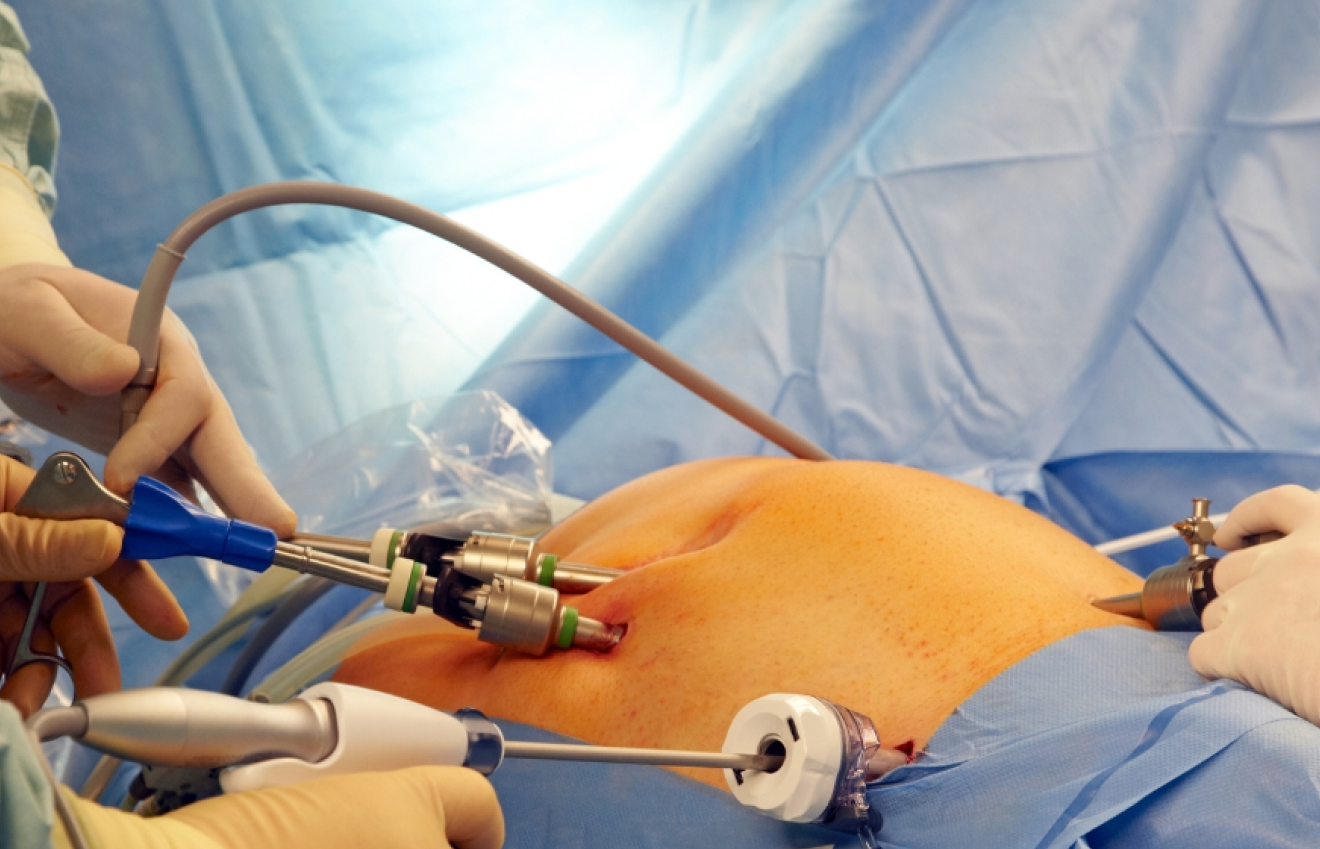
As the malignant cells lack the biological capacity to access the circulatory or lymphatic systems, systemic interventions such as intravenous chemotherapy are completely contraindicated. Instead, the definitive standard of care for stage 0 breast cancer treatment relies strictly on highly localized surgical extraction.

The multidisciplinary oncology team will recommend a specific surgical protocol based entirely on the precise anatomical distribution of the abnormal cells within the ductal network.

Surgical Excision Modalities for Pre-Invasive Disease

Surgical ModalityClinical ApplicationProcedural Mechanism
Lumpectomy (Breast Conserving Surgery)Localized pre-invasive clusters are confined strictly to a single anatomical quadrant of the breast.The surgical excision of the exact ductal segment containing the abnormal cells, along with a strictly measured perimeter of surrounding healthy tissue to ensure absolute margin clearance.
Simple Mastectomy (Total Mastectomy)Extensive disease spanning multiple quadrants or patient preference for absolute risk reduction.The complete surgical removal of the entire mammary gland structure, including the nipple and areola, eliminates the anatomical origin point for any future ductal mutations.

Selecting the appropriate surgical intervention requires a rigorous clinical evaluation of several specific biological and physiological variables. Clinical oncologists analyze the following parameters to ensure the chosen procedure guarantees total oncological clearance.

Clinical Variables Influencing Surgical Selection

  • Tumor Volume to Breast Ratio: The precise physical size of the abnormal cellular cluster relative to the total anatomical volume of the patient’s breast tissue.
  • Disease Distribution Pattern: The radiological confirmation of whether the cellular dysplasia is localized to one specific area or exhibits a multicentric distribution across multiple independent ductal networks.
  • Genetic Predisposition: The confirmed presence of specific high-risk genetic mutations, such as BRCA1 or BRCA2, which mathematically increase the statistical probability of future independent tumor development in either breast.
  • Margin Feasibility: The anatomical probability that the surgical oncologist can successfully extract the entire abnormal cluster with clear, healthy tissue margins without severely compromising the structural integrity of the breast.

Completely excising the abnormal epithelial cells before they possess the biological capacity to breach the basement membrane, these highly localized surgical interventions provide a definitive clinical resolution for the immediate pre-invasive threat.

Following the physical removal of the abnormal tissue, pathologists perform a rigorous microscopic evaluation of the surgical margins to definitively verify that zero malignant cells remain in the anatomical area.

Adjuvant Therapies and Radiation for Stage 0 Breast Cancer

Following the successful surgical extraction of the pre-invasive tissue, the multidisciplinary oncology team strictly evaluates the clinical necessity of adjuvant treatments.

The primary objective of these secondary therapeutic protocols is to definitively eradicate any remaining microscopic cellular abnormalities and precisely minimize the statistical probability of a localized disease recurrence.

For patients who undergo a breast-conserving lumpectomy, the surgical procedure physically removes the identifiable cluster of Ductal Carcinoma In Situ.

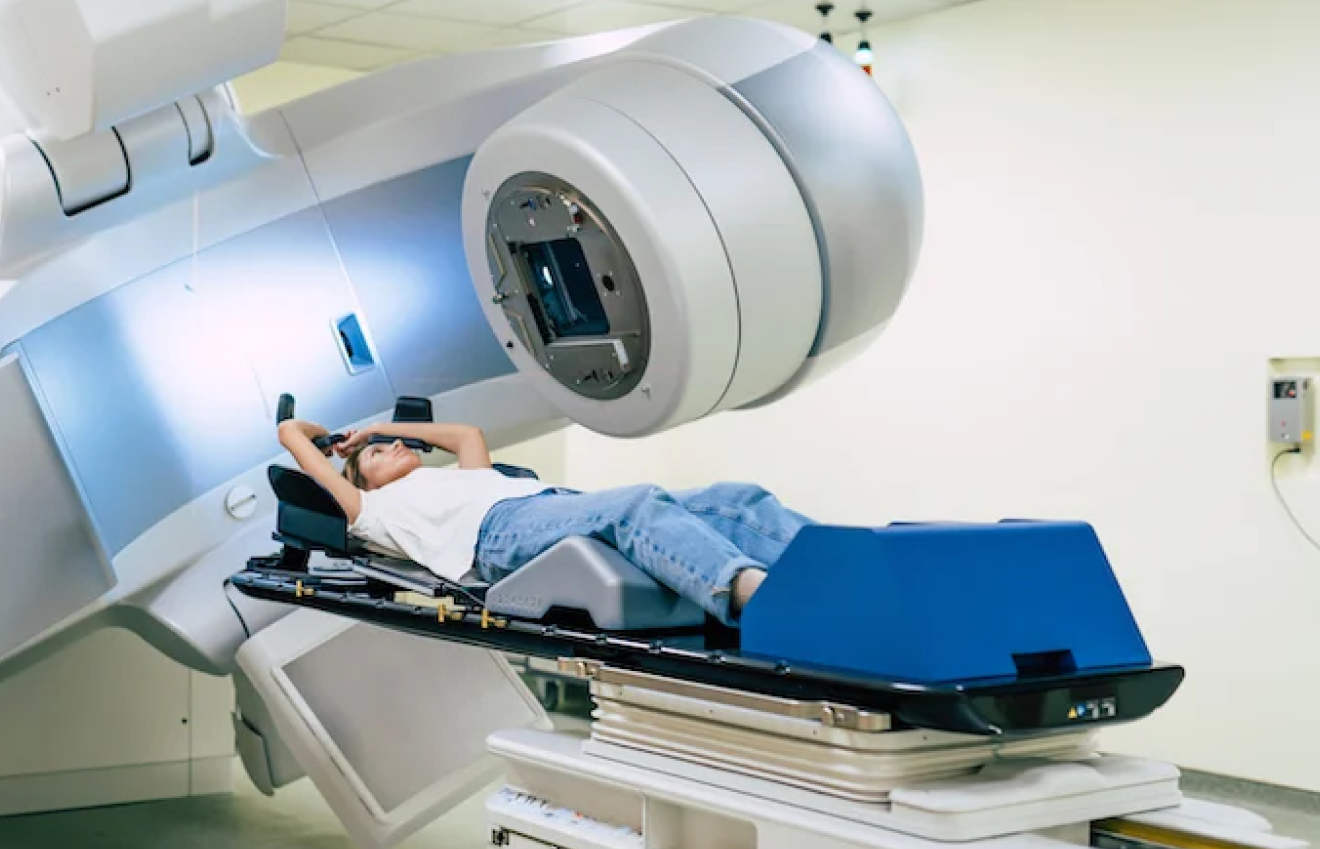
However, isolated microscopic malignant cells occasionally remain within the adjacent mammary tissue undetected by standard pathological margins. To completely neutralize this specific clinical risk, oncologists frequently prescribe radiation for stage 0 breast cancer. This highly targeted radiological intervention utilizes concentrated energy beams to induce severe, irreversible DNA damage within any remaining abnormal cells, permanently halting their biological replication cycle and initiating immediate cellular death.

Clinical radiation oncologists utilize specific delivery protocols based on the anatomical characteristics of the patient and the initial volume of the pre-invasive disease.

Targeted Radiological Intervention Protocols

Radiation ModalityClinical Delivery MechanismStandard Procedural Duration
Whole Breast Irradiation (WBI)Standardized external beam radiation was delivered uniformly across the entire affected mammary gland structure.Three to six weeks, consisting of daily outpatient clinical sessions.
Accelerated Partial Breast Irradiation (APBI)Highly concentrated radiation was delivered exclusively to the immediate anatomical surgical cavity, where the abnormal tissue was extracted.One to two weeks, utilizing localized external beams or temporary internal brachytherapy catheters.

Patients who elect to undergo a prophylactic simple mastectomy typically do not require these localized radiological therapies because the entire anatomical structure susceptible to ductal mutations has been completely surgically removed.

Beyond radiological management, the clinical pathology department conducts a highly specific receptor analysis on the excised abnormal tissue.

If the pre-invasive cells utilize systemic hormones to fuel biological growth, the diagnosis is formally classified as hormone receptor-positive. To manage this specific cellular characteristic and prevent independent future mutations, oncologists prescribe oral endocrine therapy.

Systemic Endocrine Therapy Classifications

  • Selective Estrogen Receptor Modulators (SERMs): Pharmacological agents, primarily Tamoxifen, that physically bind directly to the estrogen receptors on the cellular membrane.

This targeted blockade completely denies the abnormal cells the biological catalyst required for cellular proliferation.

  • Aromatase Inhibitors (AIs): Specialized medications, such as Anastrozole or Letrozole, are utilised exclusively for postmenopausal patients.

These pharmacological agents strictly inhibit the enzymatic synthesis of estrogen within the peripheral adipose tissues, thereby profoundly lowering the total systemic hormone baseline of the patient.

Strategically combining highly localized surgical extraction with these strictly targeted adjuvant therapies, the clinical oncology team maximizes the biological probability of permanent disease eradication and ensures the long-term physiological stability of the breast tissue.

Long-Term Prognosis of Stage 0 Breast Cancer Survival Rate

Following the successful completion of the prescribed surgical and radiological interventions, patients diagnosed with Ductal Carcinoma In Situ possess an exceptionally favorable clinical outlook.

As the malignant cells were structurally contained and physically extracted before breaching the basement membrane, the biological threat of systemic metastasis is permanently neutralized. Consequently, the formal stage 0 breast cancer survival rate ranks among the highest of all oncological diagnoses.

Clinical data compiled by premier global oncology databases establishes precise statistical parameters regarding patient longevity and disease-specific mortality following a Stage 0 diagnosis.

Long-Term Prognostic Statistical Data

Prognostic MetricStatistical ProbabilityClinical Context
5-Year Disease-Specific SurvivalGreater than 99%Patients are statistically highly unlikely to experience mortality directly attributed to the original DCIS diagnosis within the first five years post-treatment.
10-Year Disease-Specific SurvivalGreater than 98%The long-term physiological stability remains absolute for the vast majority of treated individuals.
Ipsilateral Recurrence RiskApproximately 5% to 15%The statistical probability of a new cellular abnormality developing in the same treated breast tissue over ten years is heavily mitigated by the use of targeted radiation.
Contralateral Disease RiskElevated BaselinePatients carry a mathematically higher risk of developing an independent, primary malignancy in the opposite, untreated breast compared to the general population.

While the localized survival rate approaches absolute certainty, the clinical diagnosis of pre-invasive mammary dysplasia permanently alters the patient’s long-term risk profile.

The primary oncological concern moving forward is not the original, successfully extracted tumor, but rather the statistical probability that the patient’s breast tissue remains biologically susceptible to future independent genetic mutations.

To proactively manage this ongoing physiological vulnerability, the multidisciplinary oncology team transitions the patient into a strict, lifelong clinical surveillance program.

Mandatory Post-Treatment Clinical Surveillance Protocols

  • High-Frequency Clinical Examinations: Patients must undergo comprehensive physical breast examinations conducted by a specialized oncologist every six to twelve months for the first five years following the initial surgical intervention.
  • Rigorous Radiological Monitoring: The scheduling of mandatory, high-resolution diagnostic mammograms every twelve months to continuously scan for the microscopic development of new calcifications or structural irregularities in either breast.
  • Endocrine Protocol Adherence: For patients prescribed systemic hormone modulators, continuous clinical monitoring is required to ensure absolute pharmaceutical compliance and to evaluate the patient for any potential secondary physiological side effects.
  • Genetic Counseling Escalation: Immediate referral to advanced genetic sequencing if the patient develops a secondary abnormality or if newly discovered familial medical history indicates the presence of a hereditary BRCA mutation.

This rigorous surveillance infrastructure ensures that if a secondary cellular mutation does occur, the clinical team possesses the diagnostic capability to intercept the abnormality at its earliest biological phase. By maintaining strict adherence to these monitoring protocols, patients secure their highly favorable prognosis and guarantee their long-term physiological stability.

Why Choose Dasappa Cancer Hospital

Selecting an oncology facility for the management of pre-invasive breast disease requires a strict commitment to diagnostic accuracy and tissue-preserving surgical precision.

Dasappa Cancer Hospital provides a premier clinical environment specifically engineered to intercept and eradicate mammary malignancies at their absolute earliest biological stages. Our multidisciplinary breast oncology boards operate strictly under international evidence-based guidelines, ensuring that every patient receives a highly customized, localized treatment protocol.

Several definitive clinical factors distinguish Dasappa Cancer Hospital as a leading institution for early-stage oncological intervention:

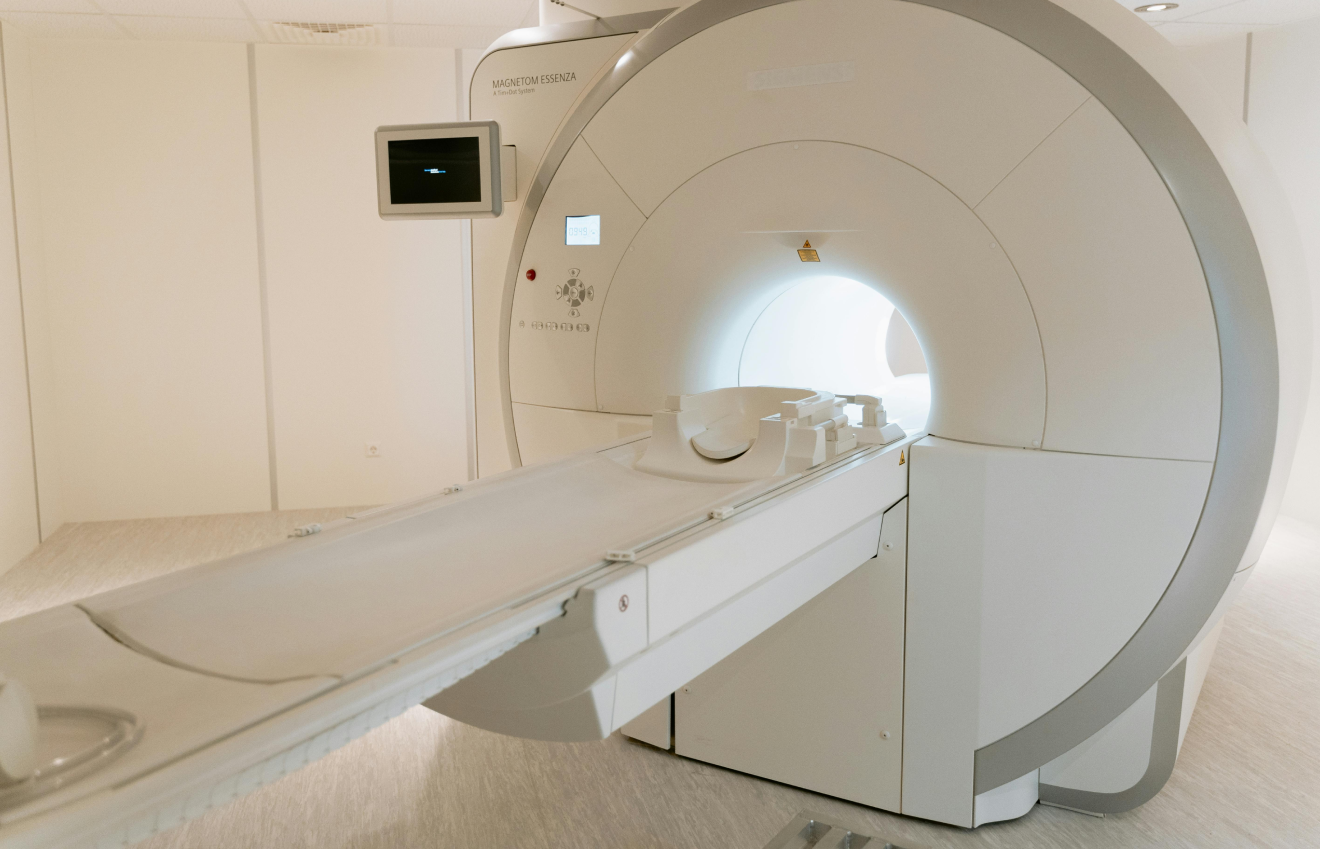
  • Advanced Diagnostic Imaging: Our facility is equipped with high-resolution digital mammography and targeted breast MRI technology, enabling our clinical radiologists to visualize microscopic ductal calcifications long before they form a palpable mass.
  • Precision Surgical Oncology: Our surgical departments specialize in breast-conserving lumpectomies, utilizing rigorous intraoperative margin assessments to ensure complete cellular clearance while strictly preserving maximum anatomical structure.
  • Targeted Radiological Infrastructure: We provide advanced linear accelerators capable of delivering both accelerated partial breast irradiation and whole breast protocols to permanently neutralize any localized recurrence risks.
  • Comprehensive Surveillance Programs: We establish rigorous, long-term clinical monitoring schedules, integrating advanced genetic counseling and routine imaging to guarantee your ongoing physiological stability.

Choosing Dasappa Cancer Hospital, patients guarantee that their pre-invasive diagnosis is managed utilizing the most advanced localized interventional technology available, completely prioritizing both permanent oncological eradication and the preservation of long-term physiological function.

Conclusion

A Stage 0 diagnosis of Ductal Carcinoma In Situ represents a highly favorable clinical scenario where the abnormal cellular growth is completely isolated and entirely curable. Because these microscopic cellular changes rarely produce physical symptoms, relying on physiological warning signs is a dangerous and highly flawed diagnostic strategy.

The biological reality dictates that waiting for a palpable mass or localized pain strictly allows the malignancy the time required to breach the basement membrane and become an invasive threat.

Do not allow microscopic cellular dysplasia the opportunity to progress into systemic disease. Prioritize your long-term physiological stability by adhering to routine preventative screening schedules. Contact the specialized breast oncology coordination team at Dasappa Cancer Hospital today to schedule your comprehensive diagnostic mammogram, secure your clinical baseline, and ensure any localized abnormalities are permanently eradicated at their earliest biological stage.

About The Author

Share With Your Network

Recent Posts

Book An Appointment