
Addressing severe national oncological statistics strictly requires immediate integration with elite medical infrastructure. Patients requiring highly specialized lung cancer treatment in Bangalore or advanced Gynecological cancer treatment in Bangalore must secure immediate clinical evaluation. At Dasappa Cancer Hospital, our dedicated surgical specialists provide unparalleled diagnostic clarity.
Finding a definitive Cancer Treatment Hospital in Bangalore directly guarantees rapid anatomical disease identification. Our premier medical facility operates strictly as the Best Cancer Hospital in Bangalore, aggressively prioritising early pathological detection.
Understanding the specific epidemiological data on the top 10 common cancers in India can significantly alter the national clinical trajectory and improve overall survival rates.
The national epidemiological landscape demonstrates massive statistical increases in aggressive cellular mutations across all primary demographics.
To successfully combat this massive biological threat, medical professionals strictly rely on rigorous statistical data and highly advanced population diagnostic protocols. The foundational medical strategy strictly requires analyzing the precise physiological distribution of these severe diseases across the subcontinent.
Clinical oncologists strictly mandate the following integrated epidemiological evaluations to optimize systemic population health.
- Continuous national surveillance of specific localized anatomical tissue mutations
- Strict structural mapping of regional environmental and genetic pathological triggers
- Rapid, highly precise demographic categorization to completely isolate highly vulnerable populations
- Continuous multidisciplinary medical board review to ensure massive public health data directly translates into highly effective clinical intervention
This highly comprehensive epidemiological guide directly addresses the specific clinical parameters, environmental triggers and precise genetic variables strictly responsible for the highest frequency malignancies currently threatening the national population.
Epidemiological Data: Top 10 Common Cancers in India
Analyzing national disease prevalence strictly requires evaluating objective statistical data provided by central medical authorities.
The National Cancer Registry Programme and global epidemiological observatories continuously monitor specific malignant mutations across the population. These medical registries definitively quantify the exact anatomical distribution of severe systemic diseases.
Clinical oncologists strictly utilize this specific statistical data to identify the precise biological threats currently overwhelming regional medical infrastructures.
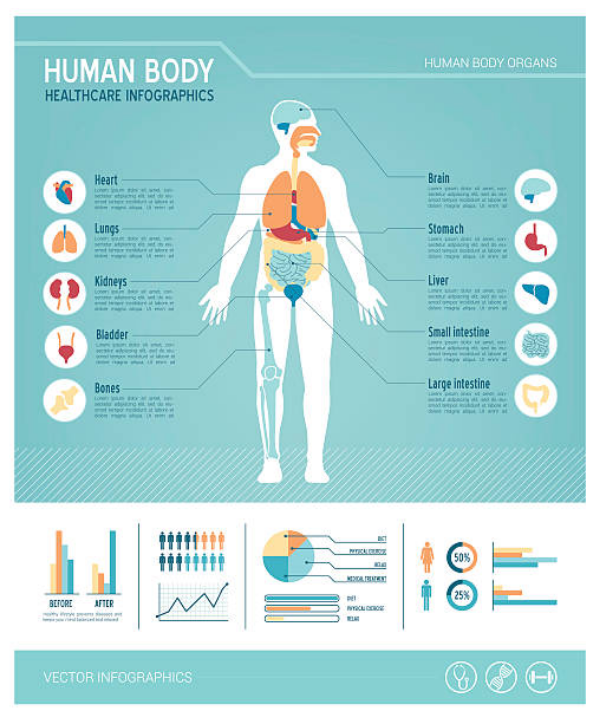
The accumulated clinical data definitively establish the top 10 common cancers in India, strictly based on annual diagnostic frequency. Medical professionals categorize these specific pathological mutations to prioritize national diagnostic resources.
- Breast Carcinoma: This specific cellular mutation represents the absolute highest frequency of malignancy nationwide. The pathology strictly originates within the glandular tissue and requires immediate advanced molecular screening.
- Oral Cavity Malignancies: These aggressive localized tumors dominate specific regional demographics. The pathology primarily develops within the mucosal lining strictly secondary to severe tobacco exposure.
- Cervical Carcinoma: This severe biological mutation develops directly within the lower uterine anatomical structures. Medical data strictly link this specific localized malignancy to high national demographic incidence.
- Pulmonary Malignancies: Severe structural cellular destruction within the primary respiratory organs represents a massive national medical burden. This specific pathology frequently spreads distantly within the physical body before localized medical diagnosis occurs.
- Esophageal Carcinoma: This highly aggressive cellular mutation develops directly within the primary digestive tube. The disease represents a leading national malignancy based on strict diagnostic case volume.
- Colorectal Malignancies: These specific biological mutations initiate within the deep mucosal lining of the lower gastrointestinal tract. The disease represents a highly prevalent national biological threat requiring strict continuous screening.
- Stomach Carcinoma: Microscopic cellular dysplasia within the upper digestive anatomy represents a critical regional diagnostic challenge. The pathology frequently remains undetected until deep anatomical tissue invasion strictly occurs.
- Ovarian Carcinoma: This severe structural mutation develops directly within the primary female reproductive glands. The specific anatomical location frequently prevents early biological detection.
- Pharyngeal Malignancies: This aggressive cellular mutation strictly targets the anatomical structures directly posterior to the primary oral cavity. The disease maintains a high statistical incidence across multiple male demographic registries.
- Prostate Carcinoma: This specific cellular mutation exclusively targets the male reproductive infrastructure. The disease maintains a significant statistical incidence across multiple male demographic registries.
By strictly identifying these exact anatomical malignancies, medical professionals can successfully implement highly targeted national diagnostic protocols.
This comprehensive epidemiological data provides the absolute clinical foundation strictly required to optimize early surgical intervention and improve long-term biological survival rates.
Female Physiological Vulnerability: Most Common Cancer in Women
Analyzing national epidemiological data reveals severe structural vulnerabilities strictly within female demographics. The absolute most common cancer in women involves highly aggressive cellular mutations developing directly within specific reproductive and glandular anatomies.
Medical professionals strictly prioritize advanced screening protocols to successfully identify these microscopic biological threats before massive systemic metastasis occurs.
Breast carcinoma represents the absolute primary oncological threat to the national female population. This specific pathology originates completely within the internal milk-producing glands or the structural anatomical ducts. Clinical oncologists attribute this massive disease prevalence to several distinct biological, genetic and environmental variables.
Clinical Variables Driving Glandular Malignancies
| Biological Variable | Physiological Mechanism | Clinical Vulnerability |
|---|---|---|
| Genetic Inheritance | Severe inherited structural mutations strictly within the specific BRCA gene sequences | Drastically increasing the lifetime probability of developing aggressive glandular cellular dysplasia |
| Endocrine Exposure | Prolonged continuous biological exposure to massive estrogen hormone levels | Accelerating abnormal cellular replication directly within the vulnerable breast tissue infrastructure |
| Radiological History | Previous high-dose medical radiation targeting the upper thoracic cavity | Causing direct physical damage to microscopic cellular DNA strictly initiates malignant transformation |
Cervical carcinoma represents the secondary massive biological threat strictly targeting female demographics. This highly aggressive cellular mutation develops exactly within the lower anatomical structural boundary of the primary uterus.
Unlike inherited genetic mutations, this specific pathology primarily requires an external viral pathogen to strictly initiate the microscopic tissue destruction.
Anatomical Progression of Cervical Pathology
| Pathological Phase | Biological Mechanism | Diagnostic Intervention |
|---|---|---|
| Viral Infection | Aggressive transmission of high-risk human papillomavirus directly into the mucosal cellular lining | Advanced molecular DNA screening strictly identifies the exact pathogenic viral strain |
| Cellular Dysplasia | The viral pathogen physically overwrites the internal biological DNA, completely halting natural cellular death | Routine microscopic tissue analysis identifies severe abnormal structural cellular changes |
| Malignant Invasion | The mutated cellular cluster physically breaches the deep biological basement membrane | Immediate surgical oncological extraction to prevent massive systemic anatomical spread |
Understanding these specific physiological vulnerabilities, clinical professionals can effectively implement highly targeted early diagnostic protocols. Securing immediate molecular screening directly protects the national female population from these severe, highly prevalent biological mutations.
Male Biological Demographics: Most Common Cancer in Men
Evaluating national epidemiological registries reveals distinct biological vulnerabilities directly impacting male populations. The most common cancer in men completely diverges from female anatomical pathology and heavily correlates with severe environmental chemical exposure.
Medical professionals definitively identify massive statistical incidence strictly involving the upper respiratory tract and primary pulmonary infrastructure. Clinical oncologists attribute this massive disease prevalence to highly specific behavioral and environmental variables, completely bypassing inherited genetic structural mutations.
Oral cavity malignancies represent the absolute primary oncological threat strictly targeting the national male demographic.
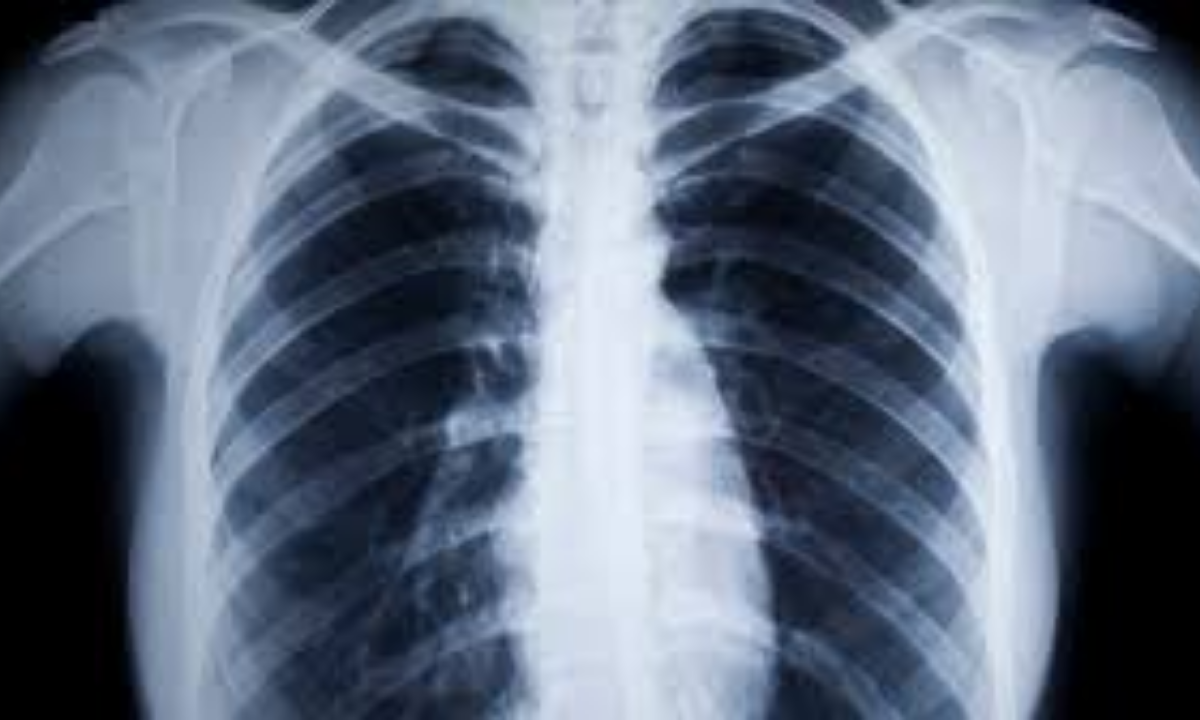
This specific pathology develops directly within the mucosal lining of the mouth and throat. Pulmonary malignancies represent the secondary massive biological threat requiring highly advanced radiological tracking. To accurately categorize these specific aggressive diseases, medical professionals utilize a strict environmental and physiological clinical matrix.
Clinical Matrix for Male Oncological Pathologies
| Anatomical Pathology | Primary Environmental Trigger | Biological Mechanism | Clinical Presentation |
|---|---|---|---|
| Oral Mucosal Carcinoma | Massive sustained exposure to smokeless tobacco compounds and highly abrasive betel nuts | Continuous chemical and mechanical destruction of the superficial mucosal barrier completely overrides standard cellular repair | Severe localized tissue ulceration rapidly developing massive structural rigidity |
| Pulmonary Alveolar Malignancy | Continuous inhalation of combustible toxic carbons and severe industrial atmospheric particulates | Microscopic inflammatory destruction of the deep respiratory tissue, forcing chaotic malignant replication to replace dead alveolar cells | Persistent severe respiratory hemorrhage and massive structural airway obstruction |
| Pharyngeal Cellular Dysplasia | Synergistic biological destruction caused by simultaneous heavy alcohol consumption and tobacco usage | Massive systemic cellular toxicity directly severely mutates regional lymphatic and mucosal DNA structures | Rapid structural narrowing of the upper digestive tube completely prevents normal physiological swallowing |
Delaying clinical evaluation when these specific environmental triggers remain continuously active guarantees massive systemic metastasis. Male patients strictly require routine specialized endoscopic and radiological screening to completely identify these exact cellular mutations before deep anatomical structural invasion occurs.
Strictly monitoring these high-risk environmental variables, clinical surgical oncologists can successfully implement localized extraction protocols before advanced systemic physiological failure initiates.
Primary Pathological Triggers: Most Common Cause of Cancer
Determining the exact biological mechanisms driving national epidemiological statistics strictly requires analyzing primary cellular triggers.
When patients ask about the most common cause of cancer, clinical oncologists do not cite a single biological variable. They definitively point toward a highly complex physiological intersection involving severe environmental toxicity, pathogenic viral transmission and inherited structural DNA mutations.
Understanding these specific pathological drivers provides the absolute foundational data strictly required for nationwide clinical prevention.
Clinical professionals universally categorize the primary systemic triggers based entirely on their specific method of cellular DNA destruction.
Environmental Chemical Toxicity Tobacco Consumption
Massive systemic exposure to highly toxic environmental chemicals represents the absolute leading physiological trigger for aggressive localized cellular mutations nationwide. Tobacco compounds strictly contain massive concentrations of biological carcinogens that directly annihilate microscopic cellular structures.
- Combustible Inhalation: Continuous exposure to vaporized toxic carbons physically damages the delicate internal pulmonary alveoli, forcing chaotic biological repair sequences that frequently result in massive malignant transformation
- Mucosal Absorption: Smokeless tobacco compounds continuously physically abrade the superficial oral mucosa while simultaneously injecting massive concentrated systemic carcinogens directly into the localized vascular infrastructure
- Systemic Circulation: Absorbs toxic chemicals, rapidly distributing throughout the entire biological system, directly initiating microscopic cellular dysplasia within the deep renal and lower gastrointestinal anatomies
Pathogenic Biological Transmission Viral Infections
Beyond severe environmental chemical exposure, specific infectious biological agents strictly initiate massive oncological pathology. Certain aggressive viral pathogens completely bypass standard cellular defenses and directly integrate their specific pathogenic genetic material into the host cellular DNA.
| Viral Pathogen | Targeted Anatomy | Strict Biological Mechanism |
|---|---|---|
| Human Papillomavirus | Lower female reproductive mucosa | The highly aggressive pathogen physically overwrites the internal biological DNA, completely halting standard physiological cellular death |
| Hepatitis Pathogens | Primary hepatic infrastructure | The bloodborne pathogens continuously attack internal liver structures, causing severe chronic inflammation that eventually forces massive biological structural malignant transformation |
| Epstein-Barr Virus | Systemic lymphatic networks | The specific pathogen strictly targets localized lymphatic structures, directly initiating severe, chaotic replication within the primary immune cellular infrastructure |
Inherited Structural Vulnerability Genetic Mutations
While environmental and pathogenic variables represent massive systemic threats, inherited biological vulnerabilities directly cause highly specific familial malignancies. Patients possessing these severe genetic structural errors inherit biological cells fundamentally lacking standard molecular repair mechanisms.
- BRCA Structural Mutations: Inherited errors within these specific biological gene sequences directly eliminate the primary cellular mechanism required for continuous DNA repair, radically increasing the probability of aggressive glandular cellular dysplasia
- Lynch Syndrome: This severe inherited biological condition strictly removes the specific cellular proteins required to correct microscopic genetic replication errors, directly causing aggressive early-onset lower gastrointestinal malignancies
Identifying these primary physiological and environmental triggers, medical professionals successfully implement highly targeted systemic prevention protocols.
Eliminating severe environmental chemical exposure and executing advanced viral vaccinations directly prevents the massive physiological cellular damage responsible for the highest frequency of national malignancies.
Why Choose Dasappa Cancer Hospital? Clinical Excellence at Dasappa Cancer Hospital
We at Dasappa Cancer Hospital recognize that managing highly prevalent national malignancies strictly requires elite, multidisciplinary medical infrastructure. Under the direct clinical leadership of Dr Pandu Dasappa, our specialized oncology team provides unparalleled medical intervention for complex cellular mutations.
When patients select our facility, they secure immediate access to the most advanced diagnostic and surgical technologies available. Our dedicated oncology departments provide several definitive clinical advantages for managing aggressive national pathologies:
- Advanced Diagnostic Infrastructure: We seamlessly integrate high-resolution molecular imaging, advanced molecular DNA screening, and digital endoscopic mapping to guarantee rapid, precise anatomical disease identification.
- Specialized Surgical Extraction: Our clinical surgical oncologists utilize highly precise robotic technology to execute complex, localized tumor resections while strictly preserving surrounding anatomical and physiological function.
- Multidisciplinary Tumor Boards: Every single malignant diagnosis undergoes rigorous structural review by our specialized medical, surgical, and radiation oncology experts to guarantee absolute clinical accuracy before authorizing any physical extraction or systemic therapy.
Choosing our specialized medical facility, you guarantee that your highly complex oncological evaluation is strictly managed by elite experts utilizing the most advanced medical technology available.
Conclusion
Understanding the specific epidemiological data and primary biological risk factors driving the top 10 common cancers in India completely alters the clinical trajectory of these severe diseases. Delaying clinical evaluation when facing severe environmental chemical triggers, viral pathogens, or inherited genetic vulnerabilities directly guarantees aggressive systemic disease progression. Recognizing your personal biological risks and securing immediate, advanced screening provides the absolute foundation for long-term physiological survival.
Patients requiring advanced diagnostic review, genetic molecular screening, or complex anatomical surgical extraction must secure an immediate clinical evaluation. Contact our specialized oncology coordination team at Dasappa Cancer Hospital today to establish your definitive medical trajectory, implement targeted preventative screening, and secure your long-term health.