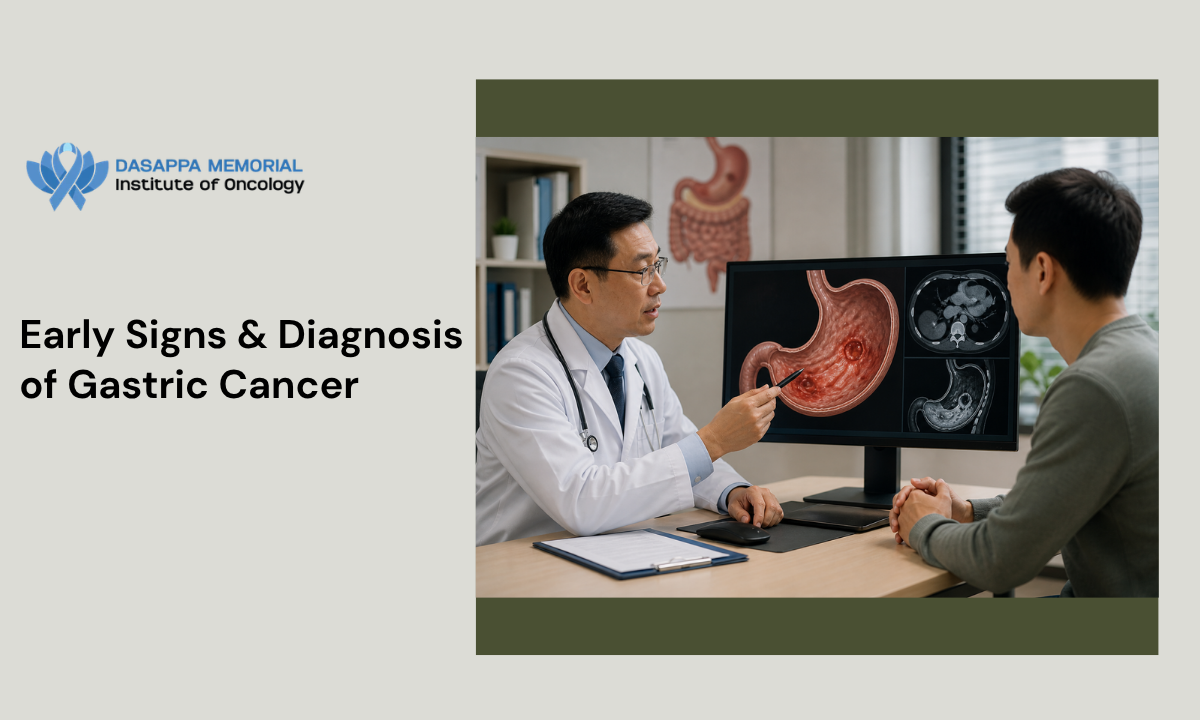
Evaluating severe undiagnosed gastrointestinal distress strictly requires immediate medical intervention. Securing an immediate clinical evaluation by a specialized Surgical Oncologist in Bangalore strictly determines the ultimate long-term biological outcome for the patient. At Dasappa Cancer Hospital, under the highly precise clinical direction of Dr Pandu Dasappa, patients receive unparalleled diagnostic clarity and immediate surgical intervention.
Finding a definitive Cancer Treatment Hospital in Bangalore guarantees immediate access to advanced endoscopic diagnostic infrastructure. Our elite medical facility functions directly as the Best Cancer Hospital in Bangalore by strictly prioritizing rapid malignant identification and immediate structural tissue evaluation.
Detecting the definitive early signs of gastric cancer completely alters the medical clinical trajectory and significantly improves overall biological survival rates.
Stomach malignancies frequently develop silently deep within the internal mucosal lining long before initiating severe physiological failure or massive anatomical obstruction. To successfully halt this specific localized cellular mutation before systemic metastasis occurs, medical professionals mandate continuous rigorous clinical surveillance and highly advanced diagnostic protocols.
The foundational medical strategy strictly requires the following integrated clinical steps:
- Immediate clinical identification of microscopic cellular dysplasia strictly preceding massive malignant tissue invasion
- Strict anatomical structural mapping of the internal gastrointestinal tissue utilizing advanced high-resolution digital endoscopy
- Rapid, highly precise surgical execution to completely eradicate the localized biological threat while preserving maximum gastrointestinal function
- Continuous multidisciplinary tumor board review to ensure every single cellular data point receives rigorous specialized oncological analysis
This highly comprehensive medical diagnostic guide directly addresses the specific clinical parameters strictly required to successfully identify and eliminate early-stage localized stomach malignancies before they threaten systemic physiological stability.
Defining the Pathology: What is Early Gastric Cancer
Answering the critical clinical question regarding what is early gastric cancer strictly requires analyzing microscopic anatomical boundaries.
Medical professionals do not define this specific pathology based entirely on the external physical size of the primary tumor. They strictly classify early gastric cancer by measuring the precise microscopic depth of malignant cellular invasion within the internal stomach wall.
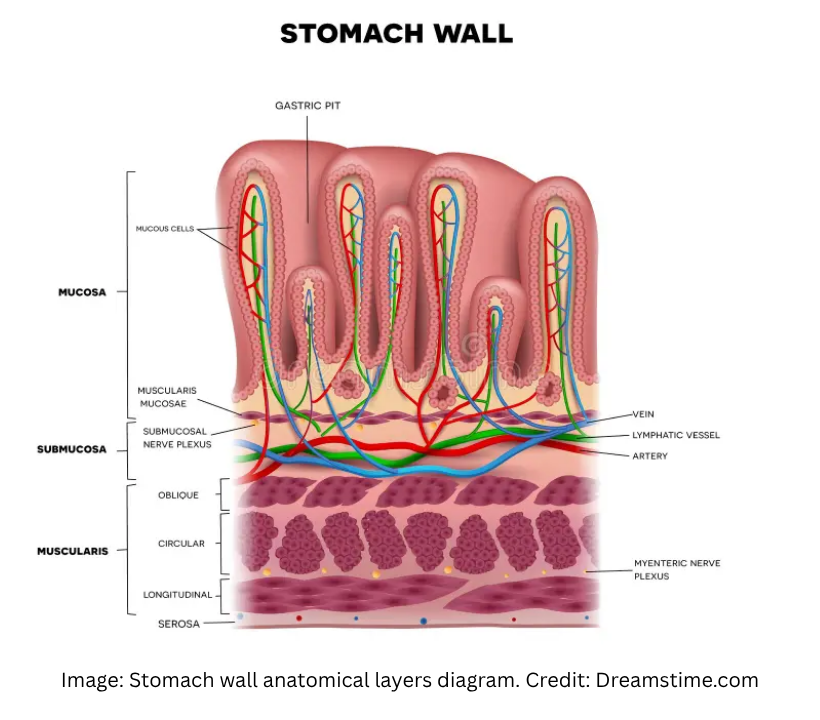
This precise structural measurement absolutely determines the immediate surgical protocol and dictates the long-term biological survival probability.
The human stomach wall consists of several distinct anatomical layers. Malignant cellular mutations universally originate within the innermost protective lining. To definitively classify the pathology as an early stage, the malignant cellular invasion must remain strictly confined to the superficial anatomical layers.
Anatomical Boundaries of Gastrointestinal Malignancies
- The Mucosa: This represents the absolute innermost superficial lining where cellular mutations initially develop and remain strictly confined during the earliest pathological stages
- The Submucosa: This represents the secondary supportive connective tissue layer located immediately beneath the primary mucosa
- The Muscularis Propria: This represents the deep, thick biological muscle layer, where malignant penetration immediately transitions the diagnosis from an early localized mutation to an advanced, severe systemic threat
When clinical pathologists examine biopsied tissue, they strictly evaluate these exact structural boundaries. If the microscopic malignant cells penetrate only the mucosa or the submucosa, the diagnosis strictly remains early gastric cancer.
This highly specific classification applies even if regional microscopic lymphatic spread has already occurred. By strictly identifying the disease before it physically breaches the deep muscularis propria, surgical oncologists can successfully execute highly targeted anatomical extractions.
Primary Biological Indicators: Early Signs of Gastric Cancer
Identifying the early signs of gastric cancer strictly requires recognizing subtle physiological shifts. The early mucosal cellular mutations frequently develop without triggering massive systemic physical alarms.
Medical professionals must rigorously analyze minute clinical data points to establish a definitive initial diagnosis before severe anatomical tissue invasion occurs.
To accurately detect these microscopic tissue disruptions, clinical oncologists categorize specific biological markers based entirely on their internal physiological mechanisms. This highly objective diagnostic approach eliminates standard clinical guesswork.
Clinical Classification of Early Gastrointestinal Pathology
| Clinical Marker | Physiological Mechanism | Diagnostic Evaluation |
|---|---|---|
| Microscopic Gastrointestinal Hemorrhage | Fragile vascular networks rapidly developing within the newly mutated mucosal tissue | Fecal occult blood testing strictly detects trace biological hemoglobin |
| Altered Gastric Motility | Early localized structural rigidness disrupts standard mechanical and physical digestion | Radiological motility tracking demonstrating delayed physiological stomach emptying |
| Persistent Dyspepsia | Microscopic disruption of standard mucosal acid regulation and internal cellular protection | Clinical measurement of continuous postprandial upper gastrointestinal distress |
| Chronic Mucosal Inflammation | Sustained biological cellular damage strictly preceding massive malignant transformation | Direct histological tissue biopsy establishes severe precancerous pathology |
When individuals exhibit these specific biological indicators, surgical oncologists mandate immediate advanced internal evaluation. The absolute absence of severe physical pain during the initial cellular mutation phase makes these objective clinical markers completely critical.
Delaying advanced diagnostic mapping until massive structural obstruction occurs directly guarantees advanced systemic disease progression. Elite medical professionals strictly rely on identifying these precise physiological deviations to execute successful localized surgical interventions.
Patient Physiological Experiences Early Symptoms of Gastric Cancer
Patients frequently misinterpret the initial physiological disruptions caused by localized stomach malignancies.
As the internal mucosal lining lacks concentrated sensory nerve endings, early localized mutations frequently develop without triggering massive immediate pain. However, as the cellular dysplasia expands and disrupts standard mechanical digestion, patients begin experiencing highly specific biological warning signs.
Recognizing these precise early symptoms of gastric cancer strictly dictates whether a patient secures a localized surgical extraction or faces severe systemic metastatic spread.
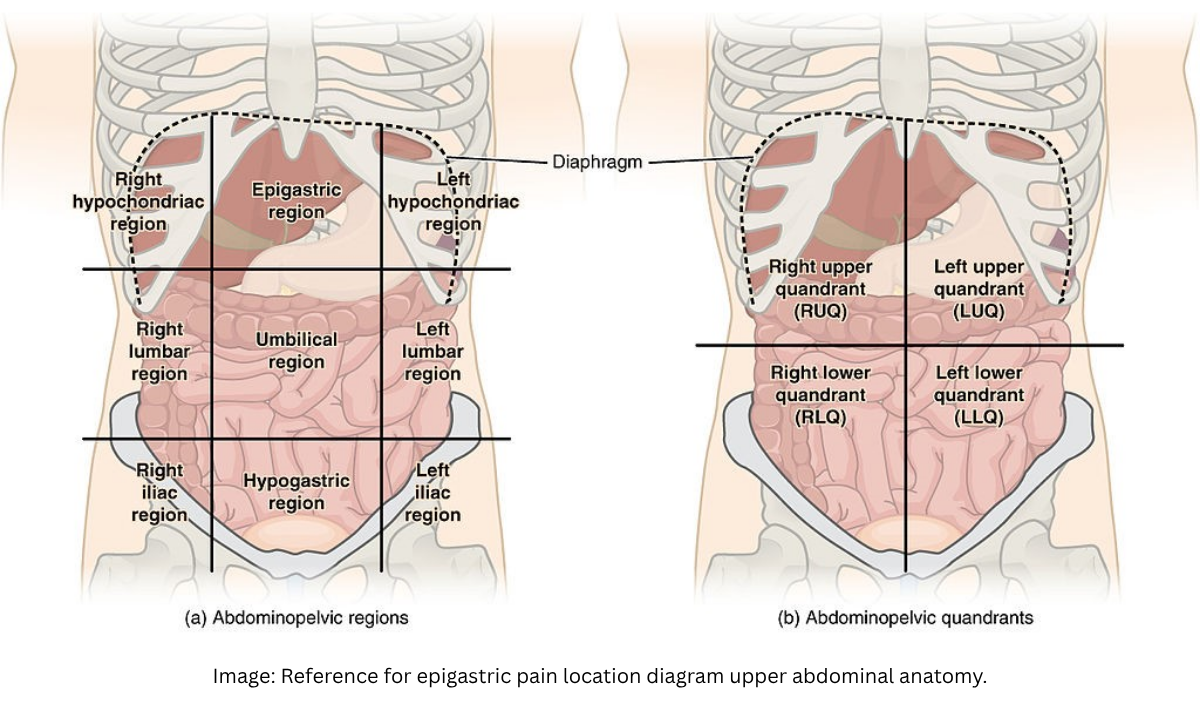
Clinical oncologists universally categorize the primary physiological distress signals into several distinct functional failures.
- Severe Epigastric Discomfort: Patients consistently report a dull, continuous visceral ache located strictly within the upper central abdominal quadrant, completely independent of food consumption
- Rapid Early Satiety: Microscopic structural rigidness within the stomach wall completely prevents standard anatomical expansion, causing patients to feel massive physical fullness after consuming minimal biological calories
- Unintentional Systemic Weight Loss: Severe mucosal inflammation directly impairs standard nutrient absorption, and massive malignant cellular replication forcefully consumes baseline physiological energy reserves
- Refractory Gastrointestinal Nausea: The localized tumor mass physically disrupts standard downward muscular contractions, forcing acidic biological fluids to remain stationary within the upper digestive tract
Primary care physicians frequently misdiagnose these specific physiological markers as standard benign gastritis or temporary peptic ulcer disease.
This dangerous diagnostic delay allows the microscopic cellular mutation to physically breach the deep muscularis propria. Patients experiencing these continuous unresolved physical symptoms strictly require immediate advanced clinical evaluation to absolutely rule out severe malignant pathology.
Advanced Diagnostic Methodologies: Endoscopic Evaluation
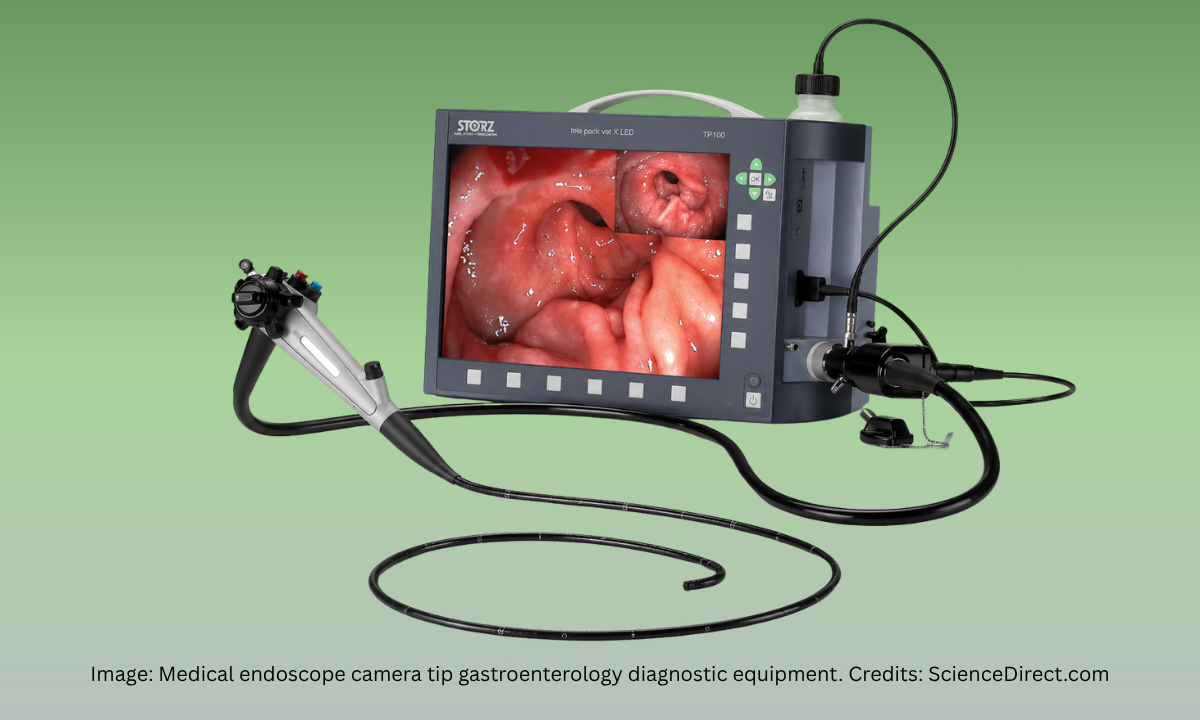
Identifying localized mucosal mutations strictly requires direct visual anatomical mapping. When clinical oncologists suspect early gastric cancer, they completely bypass standard external radiological imaging.
External scans lack the microscopic resolution strictly required to identify superficial cellular dysplasia. Medical professionals universally mandate advanced esophagogastroduodenoscopy to secure absolute diagnostic confirmation.
This highly precise optical procedure allows specialized surgical oncologists to visually evaluate the entire internal mucosal lining.
Standardized Endoscopic Execution Protocol
| Endoscopic Phase | Technological Execution | Clinical Objective |
|---|---|---|
| Optical Insertion | Introducing a highly flexible fiber optic camera directly through the oral cavity into the primary stomach chamber | Securing continuous high-resolution digital video of the internal gastrointestinal anatomy |
| Mucosal Illumination | Utilizing specialized narrow-band imaging to project distinct light frequencies directly onto the biological tissue | Enhancing the visual contrast of microscopic vascular networks strictly associated with early malignant cellular replication |
| Structural Evaluation | Systematically inflating the anatomical organ with compressed medical air to completely flatten the internal mucosal folds | Eliminating structural visual blind spots to ensure every microscopic biological surface undergoes rigorous visual inspection |
Visual identification alone cannot definitively confirm a malignant cellular mutation. When the optical camera identifies severe mucosal irregularities, the operating physician immediately extracts targeted physical tissue samples. This precise physical extraction provides the absolute biological data strictly required for laboratory analysis.
Clinical pathologists subject these extracted physical samples to rigorous microscopic evaluation before authorizing any surgical intervention.
Histological Tissue Analysis Parameters
| Histological Evaluation | Microscopic Target | Diagnostic Confirmation |
|---|---|---|
| Cellular Morphology | Analyzing the exact structural shape and physical size of individual mucosal cells | Identifying severe biological dysplasia, strictly defining early malignant transformation |
| Tissue Architecture | Evaluating the precise structural organization of the extracted mucosal glands | Confirming a complete structural chaotic breakdown, directly indicating aggressive localized tumor development |
| Invasion Depth | Measuring the exact physical microscopic penetration of the mutated cellular cluster | Definitely differentiating between early superficial mucosal disease and advanced deep muscular penetration |
Strictly combining advanced optical mapping with rigorous microscopic histological analysis, medical professionals secure absolute diagnostic certainty. This definitive clinical data directly dictates the subsequent localized surgical extraction protocol.
Why Choose Dasappa Cancer Hospital? Clinical Excellence at Dasappa Cancer Hospital
At Dasappa Cancer Hospital, we recognize that executing successful early gastric cancer treatment strictly requires elite surgical precision. Under the direct clinical leadership of Dr Pandu Dasappa, our specialized oncology team provides unparalleled medical intervention.
When patients select our facility, they secure direct access to the absolute Best Cancer Hospital in Bangalore. Our dedicated surgical departments provide several definitive clinical advantages for managing localized gastrointestinal malignancies.
- Advanced Surgical Extraction: Our specialized Surgical Oncologist in Bangalore utilizes highly precise robotic technology to execute complete mucosal resections while strictly preserving the surrounding anatomical digestive function
- Integrated Diagnostics: As a premier Cancer Treatment Hospital in Bangalore, we seamlessly combine advanced endoscopic mapping directly with rapid histological tissue analysis to eliminate diagnostic delays
- Multidisciplinary Management: Every single malignant diagnosis undergoes rigorous structural review by our specialized tumor board to guarantee absolute clinical accuracy before authorizing any physical extraction
Choosing our specialized medical facility guarantees that your highly complex gastrointestinal evaluation is strictly managed by elite surgical experts utilizing the most advanced extraction technology available within the metropolitan region.
Conclusion
Navigating early gastrointestinal mutations strictly requires immediate integration with advanced surgical infrastructure. Delaying clinical evaluation when experiencing the early symptoms of gastric cancer completely guarantees severe systemic disease progression. Recognizing the specific biological warning signs and securing immediate advanced endoscopic mapping provides the absolute foundation for long-term physiological survival.
Patients requiring advanced diagnostic review or complex anatomical extraction must secure an immediate clinical evaluation.
Contact our specialized surgical coordination team at Dasappa Cancer Hospital today to establish your definitive medical trajectory and completely eradicate your localized gastrointestinal malignancy.