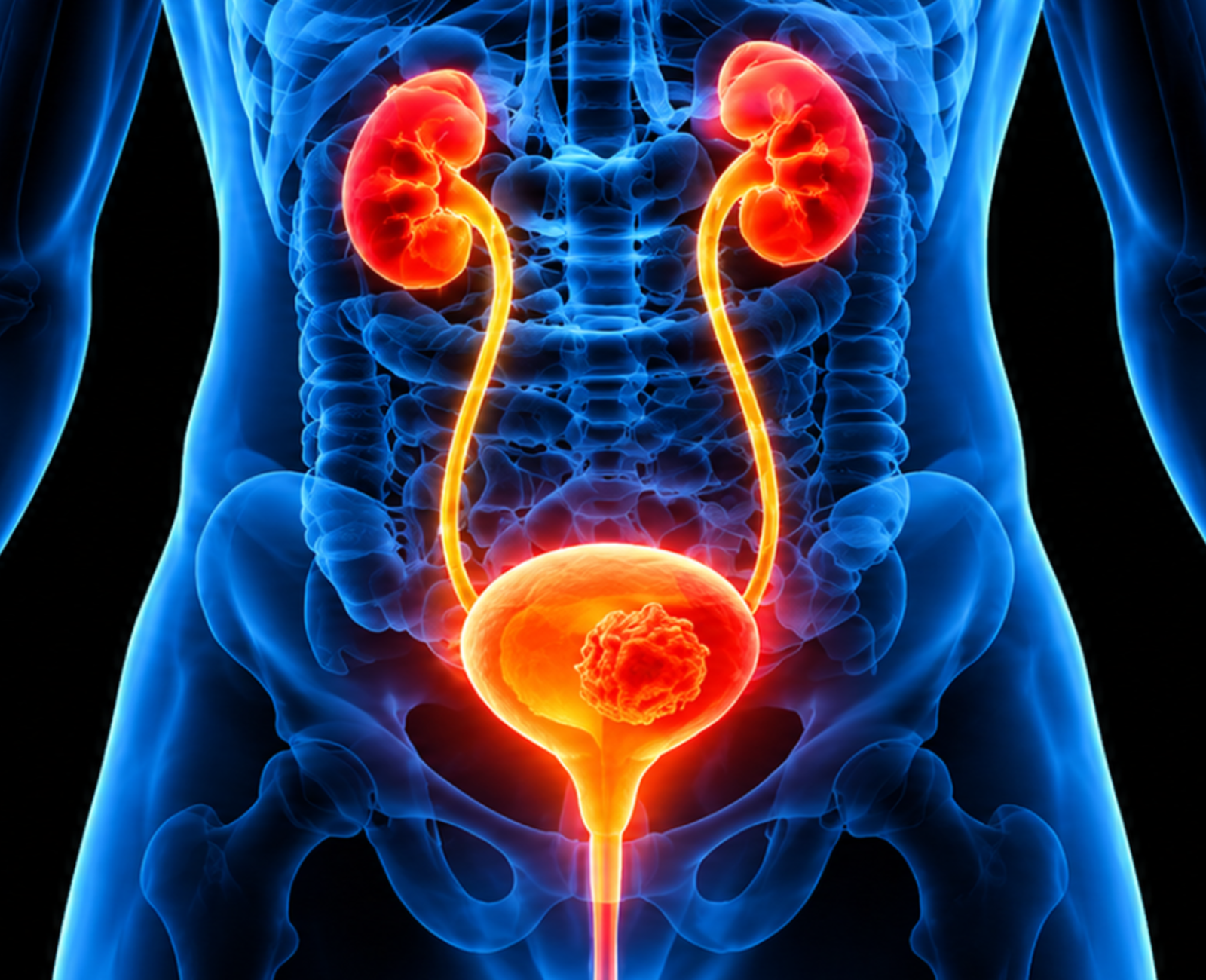


Bladder Cancer Treatment in Bangalore

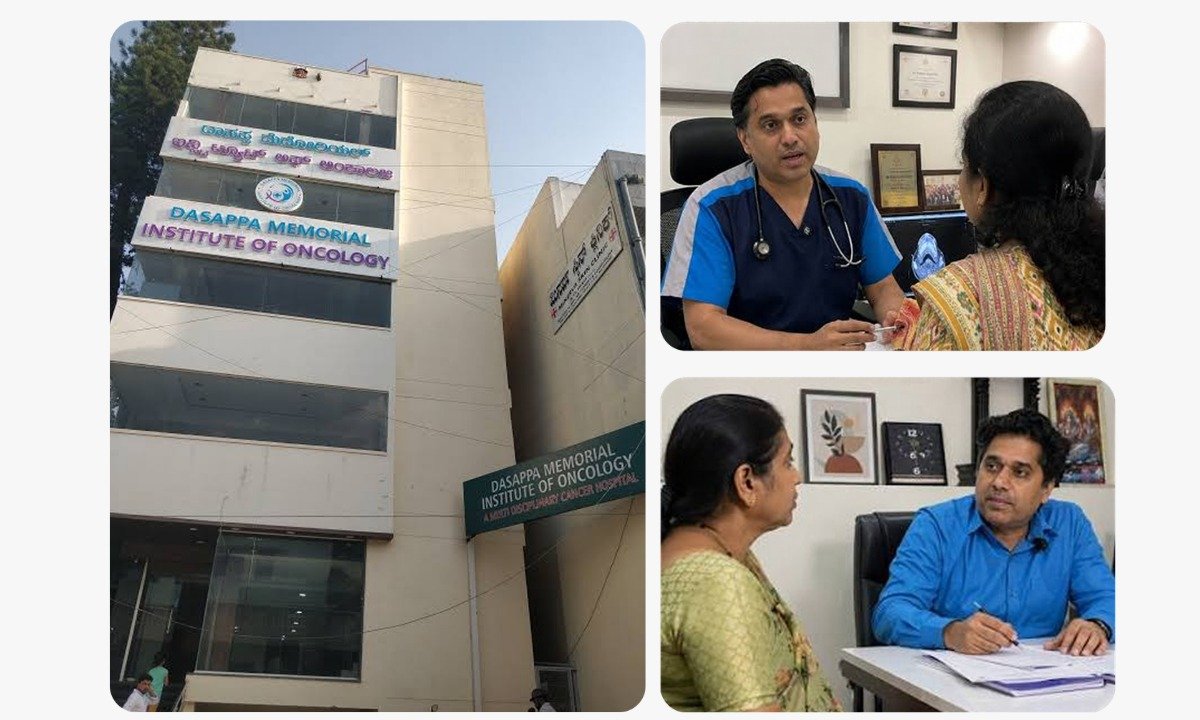
Bladder cancer is a highly treatable condition when it is detected early and managed by a specialist team. At Dasappa Cancer Hospital, we provide comprehensive bladder cancer treatment in Bangalore, combining precise diagnostic evaluation, specialist-led surgery, intravesical and systemic therapies, and long-term follow-up care.

Our oncology team plans every treatment based on the stage of the disease, whether the cancer is confined to the inner lining of the bladder or has invaded deeper layers, the type of bladder cancer, and the patient’s overall health. Decisions on bladder-preserving treatment versus more extensive surgery are made after careful discussion with the patient and family, with the aim of achieving the best possible clinical outcome and quality of life.

If you have been advised to consult a bladder cancer specialist, our team is here to support you through diagnosis, treatment, and recovery.

DMIO Rating

Book An Appointment Now

Kidney and Bladder Cancer Treatment in Bangalore, India

Bladder cancer is a highly treatable condition when it is detected early and managed by a specialist team. At Dasappa Cancer Hospital, we provide comprehensive bladder cancer treatment in Bangalore, combining precise diagnostic evaluation, specialist-led surgery, intravesical and systemic therapies, and long-term follow-up care.

Our oncology team plans every treatment based on the stage of the disease, whether the cancer is confined to the inner lining of the bladder or has invaded deeper layers, the type of bladder cancer, and the patient’s overall health. Decisions on bladder-preserving treatment versus more extensive surgery are made after careful discussion with the patient and family, with the aim of achieving the best possible clinical outcome and quality of life.

If you have been advised to consult a bladder cancer specialist, our team is here to support you through diagnosis, treatment, and recovery.

DMIO Rating Image
Book An Appointment Now

What Is Bladder Cancer?

Bladder cancer occurs when abnormal cells in the urinary bladder grow uncontrollably and form a tumour. The urinary bladder is a hollow organ located in the lower abdomen that stores urine before it is passed from the body. Most bladder cancers begin in the urothelial cells lining the inside of the urinary bladder

How Does Bladder Cancer Develop?

Changes in the DNA of urothelial cells can cause them to grow uncontrollably, forming a tumour. Over time, these tumours can either remain confined to the inner lining of the bladder or invade deeper layers, including the muscle wall, and eventually spread to nearby lymph nodes or distant organs.

Different Types of Bladder Cancer

  • Urothelial Carcinoma (Transitional Cell Carcinoma): The most common type, accounting for the majority of bladder cancers.
  • Squamous Cell Carcinoma: A less common type, often linked to chronic bladder irritation or long-standing infection.
  • Adenocarcinoma: A rare type that originates from glandular cells in the bladder.
  • Small Cell Carcinoma: A rare but aggressive type that typically requires combined treatment approaches.
  • Other Rare Types of Bladder Cancer: Include sarcomas and other uncommon tumours that require individualised treatment plans.

What Are the Early Symptoms of Bladder Cancer?

Many of the early symptoms of bladder cancer can be caused by other, less serious conditions. However, persistent symptoms should always be evaluated by a qualified specialist.

Blood in Urine (Haematuria)

Blood in the urine is the most common early sign of bladder cancer. It may be visible to the eye or detected only on a urine test. Even a single episode of blood in the urine should not be ignored.

Frequent Urination

A noticeable and persistent increase in how often you need to urinate, especially without any change in fluid intake, may be a warning sign.

Pain or Burning Sensation While Urinating

Pain, burning, or discomfort during urination, particularly when it is not caused by a urinary tract infection, should be medically evaluated.

Difficulty Passing Urine

A weak or interrupted urine stream, or difficulty emptying the bladder fully, can sometimes point to a bladder problem that requires further investigation.

Lower Back or Pelvic Pain

Persistent pain in the lower back or pelvis, especially on one side, may indicate a more advanced condition that needs prompt assessment.

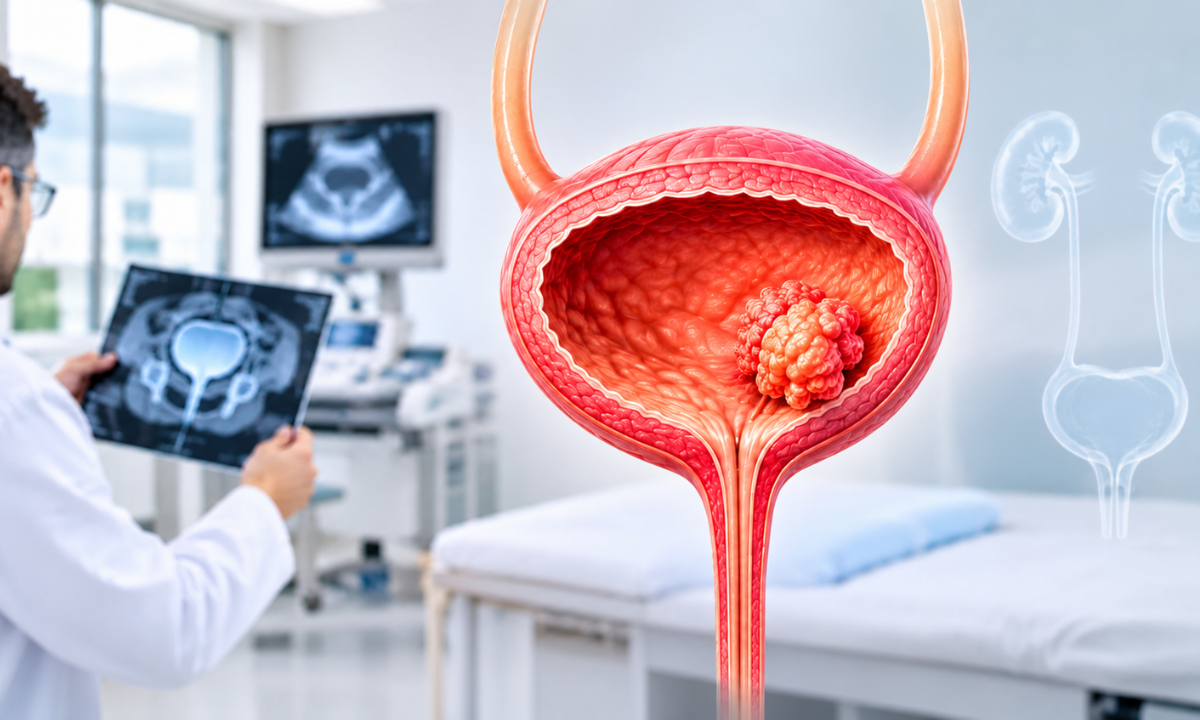
When Should You Consult a Bladder Cancer Specialist?

Pain, burning, or discomfort during urination, particularly when it is not caused by a urinary tract infection, should be medically evaluated.

What Are the Causes and Risk Factors of Bladder Cancer?

The exact cause of kidney cancer is not always known, but several risk factors have been linked to a higher likelihood of developing the disease.

Smoking and Tobacco Consumption

Smoking is the most significant risk factor for bladder cancer. Harmful chemicals from tobacco are filtered by the kidneys and accumulate in the urine, where they come into prolonged contact with the bladder lining.

Exposure to Industrial Chemicals

Long-term workplace exposure to certain chemicals used in dye, rubber, leather, textile, and paint industries has been linked to a higher risk of bladder cancer.

Increasing Age

Bladder cancer is more commonly diagnosed in older adults, although it can occur at any age.

Chronic Bladder Irritation

Long-standing urinary tract infections, bladder stones, or long-term catheter use can contribute to chronic irritation of the bladder lining, which may increase the risk of certain bladder cancer types.

Family History and Genetic Factors

A family history of bladder cancer or certain inherited genetic conditions can modestly increase risk.

How Is Bladder Cancer Diagnosed?

Accurate diagnosis is essential for planning the right treatment. Our team uses a combination of urine tests, imaging, and direct visual examination of the bladder.

Urine Tests and Urine Cytology

A urine sample can be tested for blood, infection, and abnormal cells that may suggest the presence of cancer. Urine cytology examines the sample under a microscope for cancer cells.

Ultrasound Scan for Bladder Cancer

An ultrasound can provide useful initial information about the bladder and nearby structures and may identify bladder wall thickening or a visible tumour. However, ultrasound alone cannot reliably rule out bladder cancer. When bladder cancer is suspected, cystoscopy remains the most useful diagnostic test.

Cystoscopy: Examining the Inside of the Bladder

Cystoscopy is a key diagnostic procedure in which a thin, flexible instrument with a camera is passed into the bladder through the urethra. This allows the specialist to directly view the bladder lining and identify any abnormal areas.

Biopsy and Histopathology

If an abnormal area is seen, a small tissue sample can be taken for laboratory examination to confirm the diagnosis and determine the type and grade of cancer.

CT Scan and MRI for Bladder Cancer

Cross-sectional imaging helps assess how deeply the cancer has invaded the bladder wall, whether it has spread to lymph nodes, and whether other organs are involved.

How Is the Stage of Bladder Cancer Determined?

Staging depends on how deeply the tumour has grown into the bladder wall, whether the muscle layer is involved, and whether the cancer has spread beyond the bladder. Determining whether a cancer is non-muscle-invasive or muscle-invasive is one of the most important steps in planning treatment.

Different Stages of Bladder Cancer

Treatment decisions depend heavily on the stage of the disease, as well as the patient’s overall health and bladder function.
Stage 0: Non-Invasive Bladder Cancer

The cancer is confined to the innermost lining of the bladder and has not grown into deeper tissue. Treatment usually involves transurethral surgery, often followed by intravesical therapy.

Stage 1: Cancer in the Connective Tissue

The cancer has grown into the layer of tissue beneath the bladder lining but has not reached the muscle wall.

Stage 2: Muscle-Invasive Bladder Cancer

The cancer has invaded the muscle layer of the bladder wall. Treatment is more intensive at this stage and usually involves a combination of approaches.

Stage 3: Cancer Spreading Beyond the Bladder

The cancer has grown through the muscle wall and into surrounding tissues or nearby organs such as the prostate, uterus, or vagina.

Stage 4: Advanced or Metastatic Bladder Cancer

The cancer has spread to distant lymph nodes or other organs such as the lungs, liver, or bones. Treatment focuses on systemic therapies combined with supportive care.

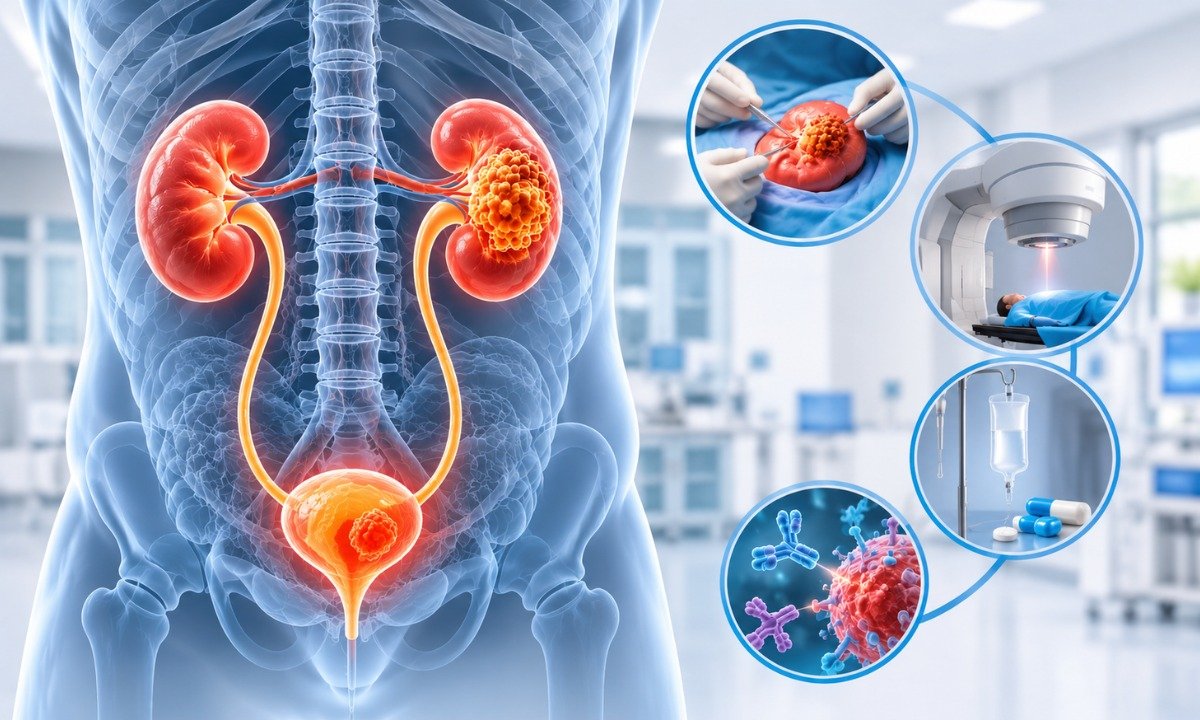
Bladder Cancer Treatment Options at Dasappa Cancer Hospital

Our bladder cancer treatment approach is personalised for every patient, with treatment plans developed after multidisciplinary review.

TURBT Surgery

TURBT removes the bladder tumour through the urethra without external cuts. It is the first treatment for non-muscle-invasive bladder cancer and also confirms the stage.

Intravesical Therapy

Chemotherapy or BCG medicine is placed directly into the bladder through a catheter after TURBT to reduce the risk of bladder cancer recurrence.

BCG Immunotherapy

BCG uses a weakened bacterium to trigger an immune response inside the bladder. It is among the most effective options for high-risk non-muscle-invasive bladder cancer.

Partial Cystectomy

Only the tumour-containing part of the bladder is removed, preserving the rest and its function. Suitable only in specific clinical situations.

Radical Cystectomy

Complete bladder removal may be recommended for muscle-invasive bladder cancer. Nearby organs (prostate or reproductive organs) and lymph nodes are typically removed too.

Ileal Conduit Diversion

A piece of intestine forms a passage carrying urine from the ureters to an abdominal opening, where it is collected in an external pouch.

Neobladder Surgery

A new internal bladder is created from intestine and connected to the urethra, allowing the patient to pass urine in a more natural way.

Continent Diversion

An internal reservoir is created from intestine, with an abdominal opening that the patient empties using a catheter at regular intervals.

Chemotherapy

Systemic chemotherapy may be given before surgery to shrink the tumour, after surgery to reduce recurrence, or as the main treatment for advanced bladder cancer.

Immunotherapy

Immune checkpoint inhibitors are an important option for advanced or metastatic bladder cancer, especially when chemotherapy is unsuitable or has stopped working.

Radiation Therapy

Radiation, often combined with chemotherapy, supports bladder-preserving treatment in selected muscle-invasive cases. It can also help control symptoms in advanced disease.

Targeted Therapy

Targeted therapies act on specific molecular features of the tumour and are available for selected patients whose tumour characteristics match treatment criteria.
How Is Bladder Cancer Treatment Decided?

Treatment decisions depend heavily on the stage of the disease, as well as the patient’s overall health and bladder function.
Treatment Based on Cancer Stage

The stage of the cancer is the single most important factor in treatment planning. Non-muscle-invasive bladder cancer is usually managed with TURBT and intravesical therapy, while muscle-invasive disease requires more extensive treatment.

Treatment Based on Muscle Involvement

The depth of invasion into the bladder wall is a key factor in treatment planning. When the muscle layer is affected, treatment typically becomes more intensive, and the discussion shifts towards whether radical surgery or combined chemoradiation is the better option for that patient.

Bladder-Preserving Treatment vs Bladder Removal

For some patients with muscle-invasive bladder cancer, a combination of TURBT, chemotherapy, and radiation can preserve the bladder. For others, radical cystectomy offers the best chance of long-term control.

Importance of Multidisciplinary Cancer Care

Bladder cancer is best managed by a team that includes urological surgeons, medical oncologists, radiation oncologists, radiologists, and pathologists working together.

What Is the Cost of Bladder Cancer Treatment in Bangalore?

The cost of bladder cancer treatment in Bangalore varies widely based on the stage of the disease, the treatment plan, and the facilities required. Our patient coordinators can provide a clear, personalised estimate after the initial assessment.

TURBT Surgery Cost

TURBT typically requires a short hospital stay, and the cost depends on the extent of the procedure and the room category selected.

Cystectomy Surgery Cost

Radical cystectomy is a more extensive procedure that involves a longer hospital stay, reconstruction, and intensive post-operative care.

Chemotherapy and Immunotherapy Cost

Systemic treatment costs depend on the specific medicines used, the number of cycles required, and the duration of therapy.

Factors Affecting Bladder Cancer Treatment Cost

  • Cancer stage
  • Type of surgical procedure
  • Length of hospital stay
  • Medicines and treatment cycles
  • Diagnostic investigations
  • Reconstruction and follow-up care

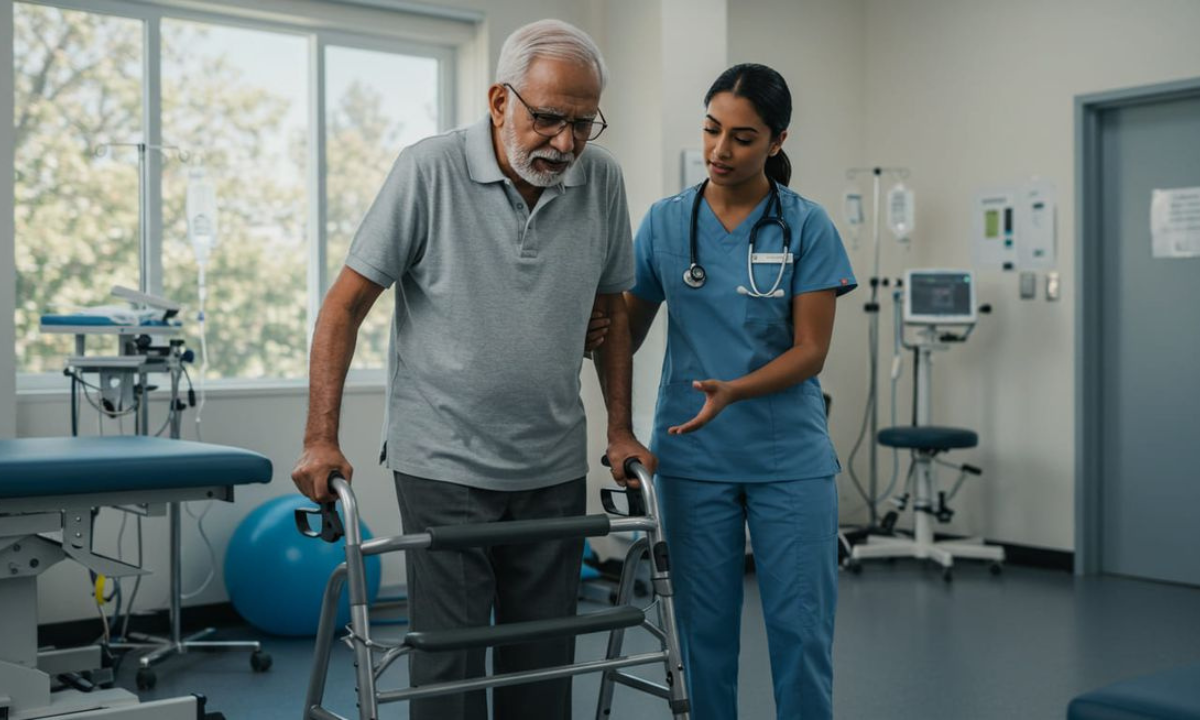
Recovery and Life After Bladder Cancer Treatment

Recovery After TURBT

Most patients recover quickly after TURBT and are able to return home within a short hospital stay. Mild urinary symptoms may be present for a few days and typically settle with time and appropriate care.

Recovery After Bladder Removal Surgery

Recovery after radical cystectomy is longer and involves careful monitoring in hospital, gradual return to oral feeding, and guided mobilisation. Full recovery can take several weeks to months, depending on individual factors.

Managing Urinary Diversion and Neobladder

Our team provides detailed guidance on managing the chosen urinary diversion, including stoma care for an ileal conduit, bladder training for a neobladder, and catheter use for continent diversions.

Diet and Lifestyle After Treatment

A balanced diet, adequate hydration, avoiding smoking, and following medical advice help support long-term recovery and overall health.

Regular Follow-Up and Monitoring

Bladder cancer has a tendency to recur, which is why regular follow-up with cystoscopy, imaging, and urine tests is an important part of long-term care.

Consult Our Experts

Consult Our Experts

Check Doctor s Availability and Book Appointment Online

Why Choose Dasappa Cancer Hospital for Kidney Cancer Treatment in Bangalore?

As a dedicated bladder cancer hospital in Bangalore, Dasappa Cancer Hospital offers a complete range of diagnostic and treatment services in one location.

  • Experienced oncology team with expertise across surgical and medical treatment
  • Personalised treatment planning after multidisciplinary review
  • Surgical oncology expertise in both bladder-preserving and bladder-removal procedures
  • Chemotherapy services delivered in a dedicated day-care setting
  • Radiation oncology services available for suitable patients
  • Modern diagnostic infrastructure, including cystoscopy and cross-sectional imaging
  • Patient-focused care with clear explanations at every stage
  • Rehabilitation and supportive care alongside active treatment
Expert Oncology Team

Expert Oncology Team

Advanced Facilities

Advanced Facilities

Holistic Support

Holistic Support

Bangalore’s Trusted Choice

Bangalore’s Trusted Choice

Expert Oncology Team

Advanced Facilities

Holistic Support

Bangalore’s Trusted Choice

Consult Dasappa Cancer Hospital for Kidney Cancer Treatment in Bangalore

If you or a loved one has been diagnosed with kidney cancer or is being investigated for suspected kidney disease, early consultation with a kidney cancer specialist in Bangalore can make a meaningful difference to treatment outcomes. Our team is committed to providing accurate diagnosis, clear explanations of all available treatment options, and compassionate care at every stage of the journey. Visit Dasappa Cancer Hospital in Basavanagudi, Bangalore, or reach out to our appointment desk to schedule a consultation.

Testimonials

What do our patients say?

Meet Our Doctors

Dr. Pandu Dasappa | Best Cancer Hospital in Bangalore | Dasappa Cancer Hospital

Dr. Pandu Dasappa Top Cancer Surgeon

Founder & Chief Surgical Oncologist

The journey of Dasappa Cancer Hospital began with a vision to make world-class cancer care accessible, ethical, and compassionate for all. We believe that timely diagnosis, the right treatment from medical oncologist, and an empathetic approach are the cornerstones of transforming outcomes for patients and their families.

At Dasappa Cancer Hospital, we see healthcare excellence as a continuous journey. With the dedication of our expert team of oncologists, the trust placed in us by our patients, and the unwavering support of the community, we remain committed to advancing cancer treatment and delivering care that truly makes a difference.
Read More About

Read More About – “Dr Pandu Dasappa“

Recent Blogs

Frequently Asked Questions About Bladder Cancer Treatment

What are the first warning signs of bladder cancer?

Blood in the urine is the most common warning sign, followed by frequent urination, pain or burning while passing urine, difficulty emptying the bladder, and lower back or pelvic pain. Blood in the urine should always be evaluated by a qualified specialist, even if it occurs only once.

Is bladder cancer curable?

Bladder cancer is often curable when diagnosed at an early, non-muscle-invasive stage and treated promptly. The chances of cure depend on the stage, grade, and type of cancer, as well as the patient’s overall health.

What is the best treatment for bladder cancer?

The most suitable treatment depends on the stage, the depth of invasion, and the patient’s health. Non-muscle-invasive bladder cancer is usually treated with TURBT and intravesical therapy, while muscle-invasive disease may require radical surgery or bladder-preserving chemoradiation.

Can bladder cancer be treated without removing the bladder?

Yes, in many cases. Non-muscle-invasive bladder cancer is managed without bladder removal. For selected patients with muscle-invasive disease, a combination of TURBT, chemotherapy, and radiation can also preserve the bladder.

What is TURBT surgery?

TURBT is a procedure in which a specialist passes an instrument through the urethra to remove a tumour from the bladder. It is both a diagnostic and therapeutic procedure and is often the first treatment for non-muscle-invasive bladder cancer.

Is TURBT a major surgery?

TURBT is considered a minimally invasive procedure. It does not require any external incisions, and most patients recover quickly with only a short hospital stay.

What is BCG treatment for bladder cancer?

BCG is a form of intravesical immunotherapy in which a weakened bacterium is placed into the bladder to stimulate an immune response that targets cancer cells. It is one of the most effective treatments for high-risk non-muscle-invasive bladder cancer.

When is bladder removal necessary?

Complete bladder removal is usually considered for muscle-invasive bladder cancer, for high-risk non-muscle-invasive cancer that has not responded to other treatments, and in selected advanced cases.

Can someone live normally after bladder removal?

Yes. With the right urinary diversion and appropriate support, most patients can return to a full and active life after bladder removal. Our team provides detailed training and follow-up to help patients adjust.

How much does bladder cancer treatment cost in Bangalore?

The cost varies based on the stage, the type of surgery or systemic treatment required, the length of hospital stay, and follow-up needs. Our team can provide a personalised estimate after the initial consultation.

Does bladder cancer spread quickly?

This depends on the type and grade of the tumour. Low-grade non-muscle-invasive cancers tend to grow slowly, while high-grade and muscle-invasive cancers are more aggressive and can spread if not treated promptly.

Which doctor treats bladder cancer?

A urological surgeon with oncology expertise, a uro-oncologist, or a surgical oncologist typically manages the surgical aspects of bladder cancer. A medical oncologist manages chemotherapy and immunotherapy, and a radiation oncologist delivers radiation therapy when required.

How often is cystoscopy needed after bladder cancer treatment?

Follow-up cystoscopy is a routine part of bladder cancer care because of the risk of recurrence. The schedule depends on the stage and grade of the original tumour and will be guided by your specialist.

Is Dasappa Cancer Hospital easy to reach from across Bangalore?

Yes. Our hospital is located in Basavanagudi, which is centrally connected to Jayanagar, JP Nagar, BTM Layout, Banashankari, and the wider Bangalore area.

Do you provide cashless treatment for bladder cancer under health insurance?

We work with most major health insurance providers and offer cashless treatment wherever applicable. Our insurance desk can confirm your coverage before admission.

Can I get a second opinion on my bladder cancer diagnosis?

Yes. We welcome patients who want a second opinion on their diagnosis or treatment plan. Please bring all previous scans, biopsy slides, cystoscopy reports, and medical records to your consultation.

Where in Bangalore?

Visit us at Dasappa Cancer Hospital for advanced cancer care
Cancer prevention, screening, and advanced treatment at one location in Bangalore.

Book An Appointment