

Kidney cancer is one of the most treatable urological cancers when it is diagnosed early and managed by an experienced oncology team. At Dasappa Cancer Hospital, we provide comprehensive kidney cancer treatment in Bangalore, combining accurate diagnostic evaluation, specialist-led surgical care, and personalised medical oncology for every patient.
Our cancer specialists plan treatment based on the stage of the disease, the size and location of the tumour, kidney function, and the patient’s overall health. Whether the treatment plan involves kidney-preserving surgery, complete removal of the affected kidney, targeted therapy, or immunotherapy, each decision is made with the aim of achieving the best possible clinical outcome while protecting the patient’s long-term quality of life.
If you or a family member has been advised to consult a kidney cancer specialist, our team is here to guide you through every stage of diagnosis, treatment, and recovery.


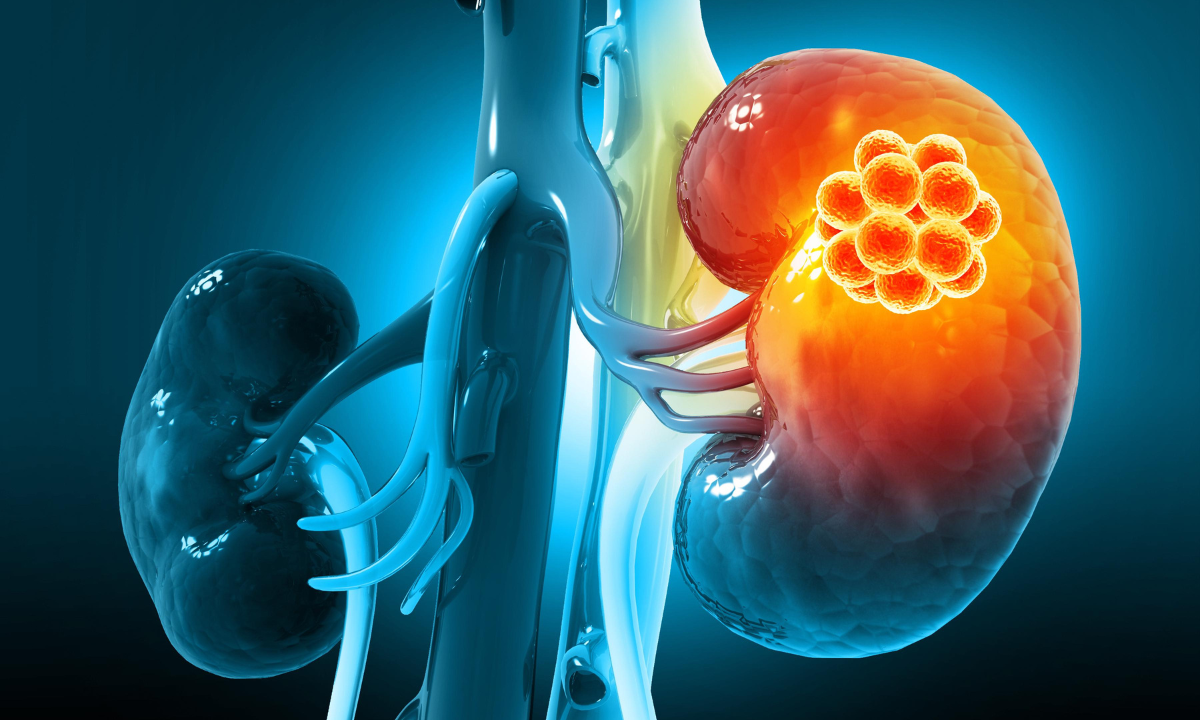
Kidney cancer, also called renal cancer, develops when abnormal cells in one or both kidneys begin to grow in an uncontrolled way, eventually forming a tumour. The kidneys are two bean-shaped organs located on either side of the spine, just below the rib cage. They play a vital role in filtering waste from the blood, balancing fluids and electrolytes, and producing hormones that regulate blood pressure and red blood cell production.
When a tumour develops in the kidney, it can interfere with these functions and, if left untreated, may spread to nearby tissues or distant organs.
Most kidney cancers begin in the small tubes inside the kidney that filter blood and produce urine. Changes in the DNA of these cells can cause them to multiply abnormally, forming a mass. In many cases, early-stage kidney cancer causes no noticeable symptoms, which is why it is often detected incidentally during scans performed for unrelated conditions.
Early-stage kidney cancer often causes no symptoms at all. When symptoms do appear, they are usually a sign that the tumour has grown large enough to affect nearby structures or kidney function. Recognising these signs early can lead to earlier diagnosis and better treatment outcomes.

Blood in the urine is one of the most common warning signs. It may appear bright red or cause the urine to look pink, brown, or cola-coloured. In some cases, the blood is only visible under a microscope.

A dull, persistent ache on one side of the lower back or in the flank area that does not resolve with rest may indicate a kidney problem that requires evaluation.

Losing weight without changes in diet or activity can be an early warning sign of several cancers, including kidney cancer.

A low-grade fever that comes and goes without any clear infection, along with ongoing tiredness, may be linked to underlying disease.

A reduced appetite, combined with low haemoglobin levels, may point to a tumour affecting the body's ability to maintain healthy blood cell counts.

Any episode of blood in the urine, unexplained flank pain, or persistent symptoms that cannot be explained by common causes should be evaluated by a qualified specialist. Early consultation can make a significant difference to treatment options and long-term outcomes.


The exact cause of kidney cancer is not always known, but several risk factors have been linked to a higher likelihood of developing the disease.
Carrying excess weight is associated with hormonal changes that can increase the risk of several cancers, including kidney cancer.
Long-standing, poorly controlled hypertension has been linked to an increased risk, although the exact mechanism is still being studied.
A family history of kidney cancer, or inherited conditions such as von Hippel-Lindau disease and hereditary papillary renal carcinoma, can increase risk.
Occupational exposure to substances such as cadmium, trichloroethylene, and some industrial solvents has been linked to higher kidney cancer risk.
Thoracic oncologists, surgeons, and lung specialists work together for complete care.

Accurate diagnosis is the foundation of effective treatment. Our team uses a combination of imaging, laboratory tests, and, when needed, biopsy to confirm the diagnosis, assess the extent of the disease, and plan the most appropriate treatment.
An ultrasound is often the first imaging test used when a kidney problem is suspected. It can help identify whether a mass is a simple cyst or a solid tumour that requires further investigation.
A contrast-enhanced CT scan is the most commonly used investigation for evaluating kidney tumours. MRI may be recommended when a more detailed view of soft tissues is needed, when contrast cannot be used, or when the tumour’s relationship to major blood vessels needs to be assessed.
Urine analysis can detect blood, abnormal cells, or signs of infection that support further investigation.
A biopsy involves removing a small sample of tissue from the kidney to examine under a microscope. It is not needed in every case. It is usually recommended when imaging findings are uncertain, when a non-surgical treatment is being considered, or when the diagnosis will influence the next step in care.
Staging describes how far the cancer has spread. It is based on the size of the tumour, whether it has grown beyond the kidney, whether lymph nodes are involved, and whether the cancer has spread to distant organs such as the lungs, liver, or bones.
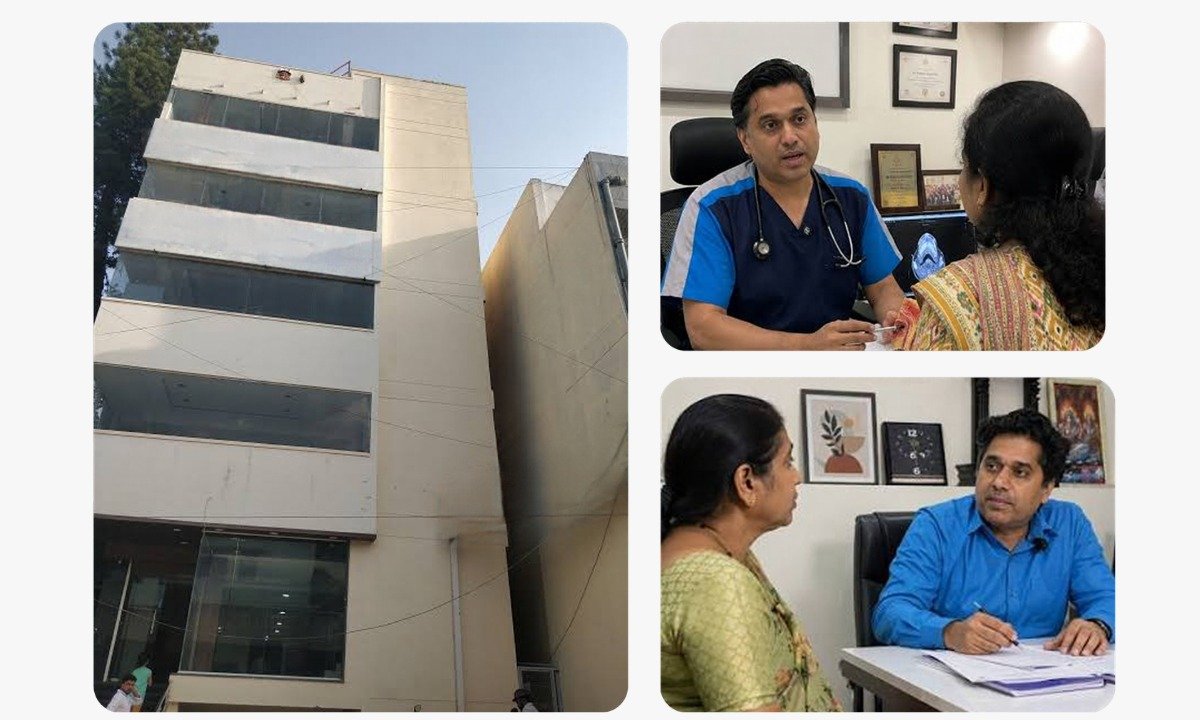
If you or a loved one has been diagnosed with kidney cancer or is being investigated for suspected kidney disease, early consultation with a kidney cancer specialist in Bangalore can make a meaningful difference to treatment outcomes. Our team is committed to providing accurate diagnosis, clear explanations of all available treatment options, and compassionate care at every stage of the journey. Visit Dasappa Cancer Hospital in Basavanagudi, Bangalore, or reach out to our appointment desk to schedule a consultation.

Treatment decisions depend heavily on the stage of the disease, as well as the patient’s overall health and kidney function.
The tumour is small, limited to the kidney, and generally measures up to 7 centimetres. Surgery, often kidney-preserving, is the usual recommendation and offers very good outcomes.
The tumour is larger than 7 centimetres but still confined to the kidney. Surgery remains the primary treatment, and ongoing monitoring is typically advised after surgery.
The cancer has grown into nearby tissues, major veins, or regional lymph nodes. Treatment usually involves surgery, often followed by additional therapy depending on the pathology findings.
The cancer has spread to distant organs. Treatment at this stage typically focuses on systemic therapy, including targeted therapy and immunotherapy, with surgery considered in selected situations.

Our kidney cancer treatment approach is built around personalised planning, with each case reviewed to identify the most suitable combination of surgical and medical therapies.

In a partial nephrectomy, only the tumour and a small margin of surrounding tissue are removed, leaving the rest of the kidney intact. This approach helps preserve kidney function and is often suitable for smaller, localised tumours.

Radical nephrectomy involves removing the entire affected kidney, and sometimes nearby lymph nodes or the adrenal gland. It is typically recommended for larger tumours or when the tumour's location makes partial removal unsuitable.

Laparoscopic surgery is a minimally invasive approach performed through a few small incisions. It generally allows for less post-operative pain, a shorter hospital stay, and quicker recovery compared with traditional open surgery.

Targeted therapy uses medicines designed to block specific molecules that help cancer cells grow and spread. It is most commonly used for advanced or metastatic kidney cancer.

This treatment uses medicines that help the body's own immune system recognise and attack cancer cells. It has become an important treatment for advanced kidney cancer and is often used alone or in combination with targeted therapy.

Radiation therapy is not used as a primary curative treatment for localised renal cell carcinoma, which is generally managed with surgery. It may be considered in selected situations, including oligometastatic disease, or for palliation of symptoms caused by cancer that has spread to the bones or brain.

For small kidney masses in older patients or those with other serious health conditions, close monitoring with periodic scans may be a safer option than immediate surgery. The treating specialist will discuss when this approach is appropriate.

The cost of kidney cancer treatment in Bangalore depends on several factors, and we encourage patients to speak with our team for a clear, personalised estimate based on their specific situation.
The cost of surgery varies depending on whether a partial or radical nephrectomy is performed, the surgical approach used, and the length of hospital stay required.
Medical treatment costs depend on the specific drugs used, the number of cycles required, and the duration of therapy.
Our patient coordinators can walk you through an itemised estimate once an initial consultation and diagnostic review have been completed.
Most patients are encouraged to begin gentle movement soon after surgery, as early mobilisation helps reduce the risk of complications. Pain is managed with appropriate medication, and the care team monitors kidney function, blood pressure, and overall recovery closely.
The length of hospital stay depends on the type of surgery performed. Minimally invasive procedures generally require a shorter stay than open surgery. Most patients return to light daily activities within a few weeks.
Following kidney surgery, a balanced diet, adequate hydration, and avoidance of smoking and excessive alcohol help support long-term kidney health. Our team provides tailored advice based on each patient’s clinical status.
Regular follow-up visits with imaging and blood tests are essential to monitor recovery, assess kidney function, and detect any signs of recurrence early.


The journey of Dasappa Cancer Hospital began with a vision to make world-class cancer care accessible, ethical, and compassionate for all. We believe that timely diagnosis, the right treatment from medical oncologist, and an empathetic approach are the cornerstones of transforming outcomes for patients and their families.
Read More About – “Dr Pandu Dasappa“


Check Doctor s Availability and Book Appointment Online
Blood in the urine, persistent pain in the side or lower back, unexplained weight loss, ongoing fatigue, and a low-grade fever that comes and goes are among the most common early warning signs. Many early kidney cancers cause no symptoms and are detected incidentally on scans performed for other reasons.
Kidney cancer is often curable when diagnosed at an early stage and treated with appropriate surgery. The chances of a cure depend on the stage, the type of kidney cancer, the patient’s overall health, and how well the cancer responds to treatment.
There is no single best treatment for every patient. The most suitable option depends on the stage, tumour size, kidney function, and overall health. Surgery is the main treatment for localised kidney cancer, while systemic therapies are used for advanced disease.
Yes, in many cases. A partial nephrectomy removes only the tumour and preserves the rest of the kidney. This approach is often suitable for smaller tumours.
Partial nephrectomy removes only the tumour and a small margin of healthy tissue. Radical nephrectomy removes the entire kidney, and sometimes nearby tissues. The choice depends on the size and location of the tumour, and the function of the other kidney.
Some discomfort is expected after any surgery, but pain is well controlled with modern pain management techniques. Minimally invasive surgery generally causes less post-operative pain than open surgery.
Most patients return to light daily activities within two to four weeks after minimally invasive surgery, and may take longer after open surgery. Full recovery depends on the type of procedure and individual health factors.
Yes. We welcome patients seeking a second opinion on their diagnosis or treatment plan. Please bring all previous scans, biopsy reports, and medical records to your consultation.
Traditional chemotherapy is not the standard treatment for most kidney cancers. Advanced kidney cancer is more commonly treated with targeted therapy and immunotherapy.
Immunotherapy has become an important treatment for advanced kidney cancer and has shown meaningful benefit for many patients, particularly when used in combination with targeted therapy.
The cost varies based on the stage, type of surgery, medicines, length of hospital stay, and follow-up requirements. Our patient coordinators can provide a personalised estimate after the initial consultation.
Yes. If left untreated, kidney cancer can spread to the lungs, bones, liver, or brain. Early diagnosis and timely treatment reduce the risk of spread.
A urologist with oncology expertise, a surgical oncologist, or a uro-oncologist is typically involved in diagnosing and surgically managing kidney cancer. A medical oncologist manages systemic therapy for advanced disease.
Routine health check-ups that include an abdominal ultrasound can sometimes detect kidney tumours before any symptoms appear. If you have risk factors such as a strong family history, discuss appropriate screening with your doctor.
Yes. Our hospital is located in Basavanagudi, a central area of Bangalore that is well connected to Jayanagar, JP Nagar, BTM Layout, Banashankari, and other parts of the city.
Routine health check-ups that include an abdominal ultrasound can sometimes detect kidney tumours before any symptoms appear. If you have risk factors such as a strong family history, discuss appropriate screening with your doctor.
Yes. We welcome patients seeking a second opinion on their diagnosis or treatment plan. Please bring all previous scans, biopsy reports, and medical records to your consultation.
WhatsApp us