When we hear the term cancer treatment, it can feel overwhelming, but knowing how it works can bring hope and clarity.
At its core, cancer treatment is about controlling, managing, or completely removing cancer cells using various medical methods.
Each treatment plan is unique. It depends on the type, stage, and location of the cancer, as well as the patient’s overall health and response to therapy.
At our cancer hospital in Bangalore, our goal is to make this complex journey easier to understand and follow.
In this blog, we will explore various cancer treatment types, their stages, and the step-by-step process of the entire cancer treatment process. Keep reading to discover how modern medicine is turning cancer treatment into a story of survival and strength.
What Is Cancer Treatment?
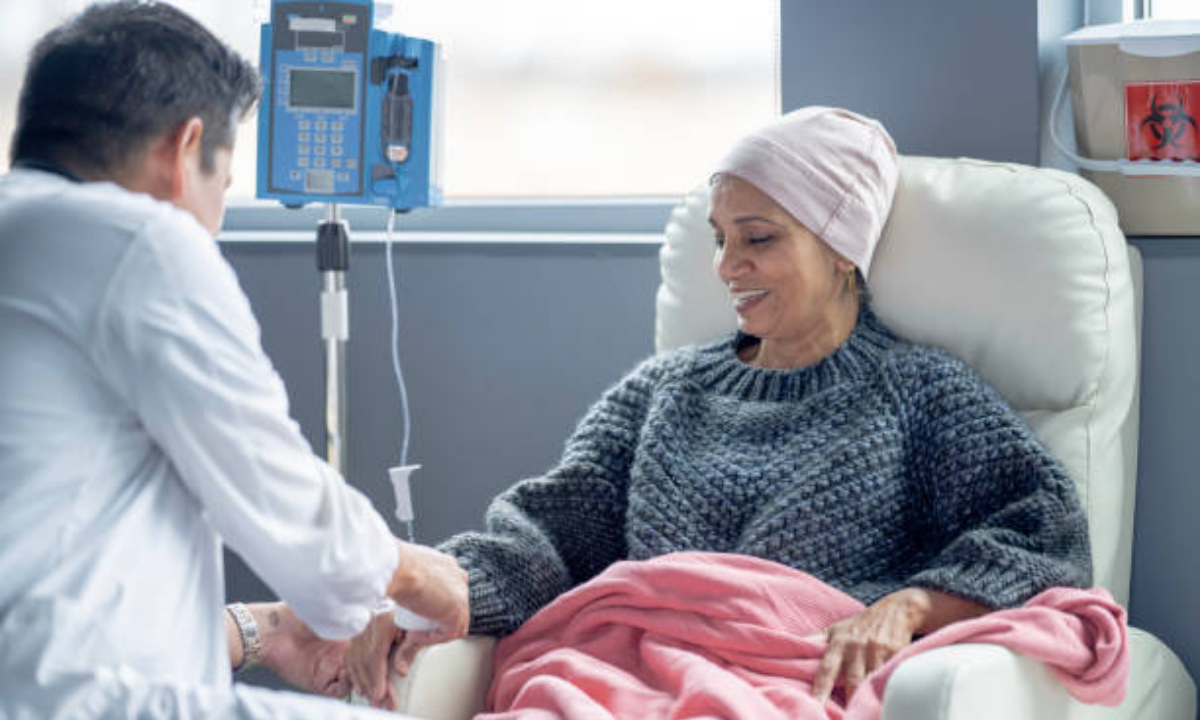
Cancer treatment refers to the use of medical procedures, drugs, or therapies designed to eliminate or control the growth of cancer cells.
Depending on the type and severity of cancer, doctors may use one or more treatment methods in combination to achieve the best results.
Understanding the Cancer Treatment Process
The cancer treatment process usually follows a clear and structured pathway. Here’s a simple breakdown:
| Step | Description |
|---|---|
| 1. Diagnosis | Detecting cancer through scans, biopsies, and blood tests. |
| 2. Staging | Determining how far the cancer has spread (Stage I–IV). |
| 3. Treatment Planning | Doctors decide on suitable therapies like surgery, chemotherapy, or radiation. |
| 4. Treatment | Active phase: includes medications, surgery, or therapy sessions. |
| 5. Monitoring | Regular follow-ups to track response and manage side effects. |
| 6. Recovery & Support | Rehabilitation, counseling, and nutrition support for long-term healing. |
Understanding these steps helps patients feel more in control and informed throughout their journey.
Cancer Treatment Stages
Cancer is often classified into four main stages, each determining the right treatment path.
| Stage | Details |
|---|---|
| Stage I | Cancer is small and limited to one area. Early detection leads to high recovery chances. |
| Stage II | Cancer has grown but hasn’t spread extensively. Combination therapies may be used. |
| Stage III | Cancer has spread to nearby tissues or lymph nodes. Aggressive treatment is often required. |
| Stage IV | Cancer has metastasized to other organs. Focus shifts to managing symptoms and improving quality of life. |
We always emphasize early screening because identifying cancer in its initial stage significantly improves the success rate of any cancer treatment.
Common Cancer Treatment Types
There are several types of cancer treatment available today, each playing a different role in recovery. Let’s understand the most common ones.
Cancer Treatment Surgery
Surgery is one of the oldest and most effective cancer treatment types. It involves physically removing the tumor and surrounding tissue to stop cancer from spreading.
It’s often the first line of treatment when the cancer is localized and hasn’t spread to other parts of the body.
Tip: Post-surgery care is as crucial as the procedure itself. Proper rest, nutrition, and follow-up visits help speed up recovery.
Cancer Treatment Chemotherapy
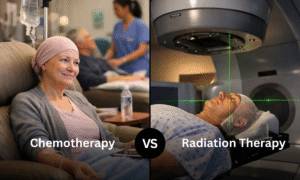
Chemotherapy uses strong cancer treatment medication to destroy fast-growing cancer cells. These drugs can be taken orally or through IV infusions.
Although it can cause side effects like fatigue and nausea, chemotherapy remains one of the most powerful tools to shrink tumors and prevent recurrence.
Tip: Staying hydrated and eating small, frequent meals can ease chemotherapy side effects.
Cancer Treatment by Radiation
Cancer treatment with radiation uses high-energy rays to target and destroy cancer cells. It’s precise, non-invasive, and often used after surgery or chemotherapy to kill remaining cells.
Modern radiation machines ensure minimal damage to surrounding healthy tissues, making this one of the safest and most advanced treatment forms available at our cancer hospital in Bangalore.
Cancer Treatment with Stem Cells
Stem cell therapy helps restore blood-forming stem cells that are destroyed during high-dose chemotherapy or radiation. It’s especially effective in treating blood cancers like leukemia and lymphoma.
This approach allows the body to regenerate healthy cells and improve immunity after intense treatment.
Cancer Treatment Medication
Apart from chemotherapy drugs, targeted and immunotherapy medications are now used to block cancer cell growth and boost the body’s defense system.
These medicines work at the molecular level, attacking cancer cells without harming normal ones, reducing side effects and improving results.
Combination Therapies
In many cases, doctors recommend a mix of different cancer treatment types. For instance:
| Combination | Purpose |
|---|---|
| Surgery and Chemotherapy | Remove the tumor and eliminate the remaining cancer cells. |
| Radiation and Chemotherapy | Shrink tumors before surgery or destroy residual cells after surgery. |
| Targeted and Immunotherapy | Strengthen immune response while blocking cancer growth. |
This combined approach ensures higher success rates and better long-term outcomes.
Emotional and Mental Health Support
Cancer treatment is not just a physical journey; it’s emotional, too. Counseling, patient support groups, and family involvement play a major role in recovery.
At our best cancer hospital in Bangalore, we believe healing is complete only when the mind and body both recover.
Recovery and Lifestyle Tips
Recovering from cancer treatment takes time, but small steps can make a big difference.
Tips for Better Recovery:
- Eat a balanced diet rich in proteins, fruits, and vegetables.
- Get enough rest and manage stress with meditation or breathing exercises.
- Stay active with gentle exercises like walking or yoga.
- Follow your doctor’s medication and check-up schedule strictly.
- Keep a positive mindset; emotional well-being boosts physical healing.
Final Thoughts
Understanding cancer treatment types and their process helps patients make informed decisions and face the journey with confidence. Whether it’s cancer treatment by radiation, chemotherapy, or surgery, early diagnosis and expert care make all the difference.
At Dasappa Cancer Hospital, we combine advanced technology with compassionate care to support patients at every step of recovery. If you are looking for the best cancer hospital in Bangalore, we are here to guide you with expertise and empathy because healing deserves nothing less than the best.
Frequently Asked Questions (FAQs)
1. What are the main types of cancer treatment?
The main types include surgery, chemotherapy, radiation therapy, targeted therapy, immunotherapy, and stem cell transplant, depending on the cancer type and stage.
2. How long does cancer treatment take?
Treatment duration varies from weeks to months, depending on cancer type, stage, and response to therapy. Each treatment plan is personalized.
3. Does radiation therapy hurt?
No, radiation therapy is painless. You may feel mild fatigue or skin irritation, but these effects are temporary and manageable.
4. Can cancer be cured completely?
Yes, if detected early and treated promptly, many types of cancer can be cured or managed successfully with modern therapies.
5. What should I eat during cancer treatment?
Eat nutritious foods like lean proteins, fruits, and whole grains. Avoid processed foods and stay hydrated throughout treatment.