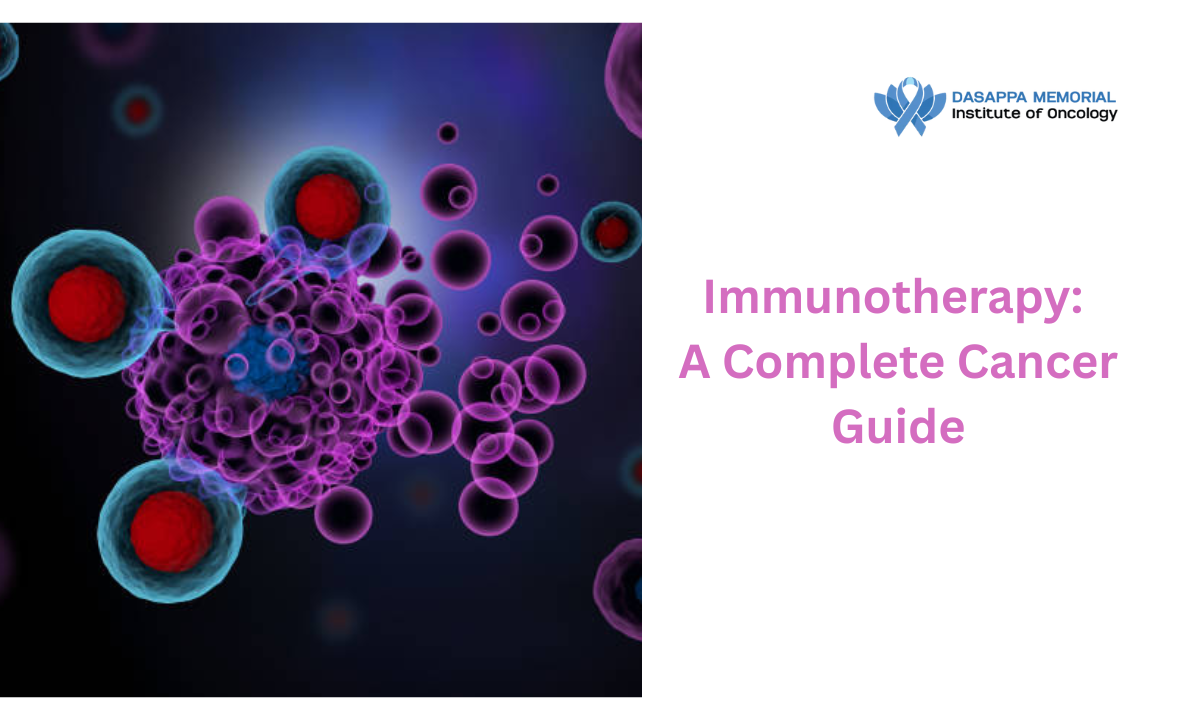
Immunotherapy in cancer represents a groundbreaking shift in how we approach cancer treatment today. Unlike traditional methods that directly target cancer cells, this innovative approach empowers your own immune system to recognize and destroy cancer cells.
As medical science advances, we have witnessed remarkable success stories in which patients have achieved remission through immunotherapy. Whether you are exploring treatment options or seeking advanced care at our cancer hospital in Bangalore, understanding this revolutionary therapy can help you make informed decisions about your health journey.
Understanding Immunotherapy Meaning
Immunotherapy refers to a type of biological therapy that uses substances made from living organisms to treat diseases. In cancer care, it trains your immune system to identify cancer cells as foreign invaders.
Your immune system naturally fights infections and diseases. However, cancer cells often disguise themselves to avoid detection, allowing them to grow unchecked.
Immunotherapy removes these disguises or strengthens your immune response. This targeted approach helps your body’s natural defenses work harder and smarter against cancer.
Immunotherapy of Cancer: How It Works
Immunotherapy of cancer operates through several sophisticated mechanisms. Some treatments mark cancer cells so your immune system can find and destroy them more easily.
Others boost your immune cells, giving them extra strength to fight cancer. Checkpoint inhibitors remove the “brakes” that cancer cells put on your immune system.
Some immunotherapies introduce lab-made immune system proteins into your body. These proteins act like reinforcements, helping your natural defenses mount a stronger attack.
How Is Immunotherapy Done?
How immunotherapy is done depends on the specific treatment type and cancer stage. Most immunotherapy treatments are administered through intravenous (IV) infusions directly into your bloodstream.
The treatment sessions typically occur at outpatient facilities, allowing you to return home the same day. Some immunotherapies come as oral pills or capsules that you can take at home.
Treatment schedules vary widely; some patients receive weekly doses, while others may have treatments every few weeks. Your oncologist designs a personalized schedule based on your cancer type and overall health.
At a leading cancer hospital in Bangalore, medical teams monitor your response closely through regular check-ups and imaging tests.
Common Immunotherapy Drugs
Immunotherapy drugs include several categories, each working differently to fight cancer. Checkpoint inhibitors like pembrolizumab (Keytruda) and nivolumab (Opdivo) are among the most widely used today.
CAR T-cell therapy involves modifying your own immune cells in a laboratory before reinfusing them. Monoclonal antibodies like rituximab target specific proteins on cancer cells.
Cytokines such as interleukins and interferons boost your immune system’s overall function. Cancer vaccines help your immune system recognize and attack cancer cells more effectively.
Each drug serves specific purposes, and oncologists often combine them with other treatments for maximum effectiveness.
Immunotherapy Treatment Process
Immunotherapy treatment begins with comprehensive testing to determine if you’re a suitable candidate. Biomarker testing examines your tumor’s genetic makeup to predict treatment response.
Before starting treatment, we assess your overall health and discuss potential side effects. During treatment, you’ll have regular appointments for medication administration and monitoring.
Blood tests and imaging scans help track how well the treatment is working. The treatment duration varies—some patients need a few months, while others continue for years.
Your medical team adjusts the treatment plan based on how your body responds and any side effects you experience.
Immunotherapy Benefits Worth Knowing
Immunotherapy benefits extend beyond traditional cancer treatments in several remarkable ways. It can be effective against cancers that don’t respond to chemotherapy or radiation.
The treatment often causes fewer severe side effects compared to conventional therapies. Some patients experience long-lasting responses even after treatment ends, as the immune system maintains its cancer-fighting ability.
Immunotherapy can work throughout your body, reaching cancer cells wherever they hide. For certain cancers, it has dramatically improved survival rates and quality of life.
The targeted nature means healthy cells suffer less collateral damage during treatment.
Finding Immunotherapy Treatment in Bangalore
Immunotherapy treatment in Bangalore has become increasingly accessible with advanced cancer care facilities. The city hosts several specialized centres equipped with options in immunotherapy.
These hospitals employ experienced oncologists trained in the latest immunotherapy protocols. Advanced laboratories provide essential biomarker testing to guide treatment decisions.
Patients benefit from multidisciplinary teams including medical oncologists, radiologists, and supportive care specialists. Bangalore’s healthcare infrastructure ensures access to the newest FDA-approved immunotherapy drugs.
Many facilities offer comprehensive cancer care under one roof, from diagnosis through treatment and follow-up care.
Tips for Immunotherapy Success
| Tip | Why It Matters |
|---|---|
| Stay hydrated | Helps your body process medications and reduces side effects |
| Maintain good nutrition | Supports immune function and overall health |
| Report side effects promptly | Early intervention prevents complications |
| Keep all appointments | Regular monitoring ensures treatment effectiveness |
| Rest adequately | Your body needs energy to fight cancer |
Final Thoughts
Immunotherapy has transformed cancer treatment, offering hope to patients who previously had limited options. As research continues, we’re discovering new applications and improving existing treatments.
The journey through cancer treatment requires expert guidance, advanced facilities, and compassionate care. Dasappa Cancer Hospital combines all these elements to provide comprehensive immunotherapy services tailored to each patient’s unique needs.
If you’re considering immunotherapy or seeking a second opinion, consulting with specialists at a trusted cancer hospital in Bangalore is your first step. Early consultation and proper evaluation ensure you receive the most appropriate and effective treatment for your specific cancer type.
Frequently Asked Questions
1. What stage of cancer is immunotherapy used for?
Immunotherapy can be used across various cancer stages, from early-stage to advanced metastatic cancers. It’s particularly beneficial for stage 3 and stage 4 cancers. The suitability depends on cancer type, biomarker status, and individual patient factors determined through comprehensive testing.
2. Can you recover from stage 4 cancer?
Yes, recovery from stage 4 cancer is possible, though outcomes vary by cancer type and individual circumstances. Immunotherapy has enabled some patients with advanced cancers to achieve complete remission or long-term disease control. Early intervention and personalized treatment plans significantly improve chances of positive outcomes.
3. How successful is immunotherapy for cancer?
Immunotherapy success rates vary by cancer type, with response rates ranging from 15% to 50% or higher for certain cancers. Some patients achieve complete remission, while others experience tumor shrinkage or stabilization. Factors like biomarker presence, cancer type, and overall health influence treatment effectiveness and outcomes.
4. Which cancers does immunotherapy treat?
Immunotherapy effectively treats melanoma, lung cancer, kidney cancer, bladder cancer, head and neck cancer, and certain lymphomas. It’s also approved for cancers with specific genetic features like microsatellite instability-high (MSI-H) or high tumor mutational burden (TMB-high), regardless of cancer origin location.