Modern cancer treatment has evolved dramatically over the past decade, offering patients more hope and better outcomes than ever before.
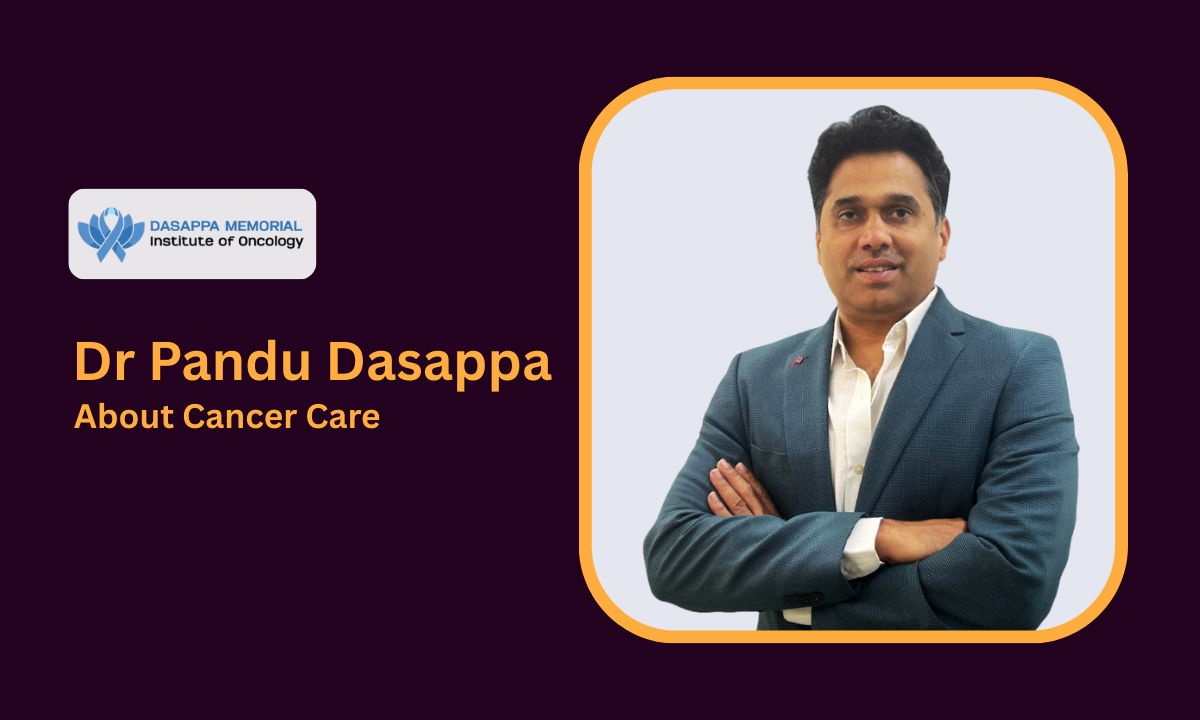
As an oncologist practicing in Bangalore for many years, I, Dr Pandu Dasappa, have witnessed firsthand how personalized treatment approaches transform lives. At the best cancer treatment hospital in Bangalore, we combine advanced medical technology with compassionate care to deliver optimal results.
But what does modern cancer treatment really involve, and how do we determine the best approach for each individual?
My Approach to Cancer Care
As an oncologist, my philosophy centres on treating the person, not just the disease. Cancer affects every aspect of a patient’s life, including physical, emotional, social, and financial factors.
When patients come to me, they’re often overwhelmed with information, scared about the future, and unsure where to begin. I believe in spending time to understand each patient’s unique situation, medical history, and personal preferences.
Clear communication is essential; I make sure patients and families understand their diagnosis, treatment options, and what to expect.
Knowledge empowers patients to actively participate in their care decisions, which often leads to better outcomes.
Understanding Cancer Treatment Options
Cancer treatment involves multiple modalities that can be used alone or in combination, depending on cancer type and stage.
Cancer Treatment Surgery
Cancer treatment surgery remains one of the most effective methods for removing solid tumors when caught early.
Surgical oncology has advanced significantly with minimally invasive techniques that reduce recovery time and complications.
For many early-stage cancers, surgery alone can be curative, especially when combined with careful surveillance.
Modern surgical approaches include laparoscopic procedures, robotic surgery, and organ-sparing techniques that preserve function.
Cancer Treatment Chemotherapy
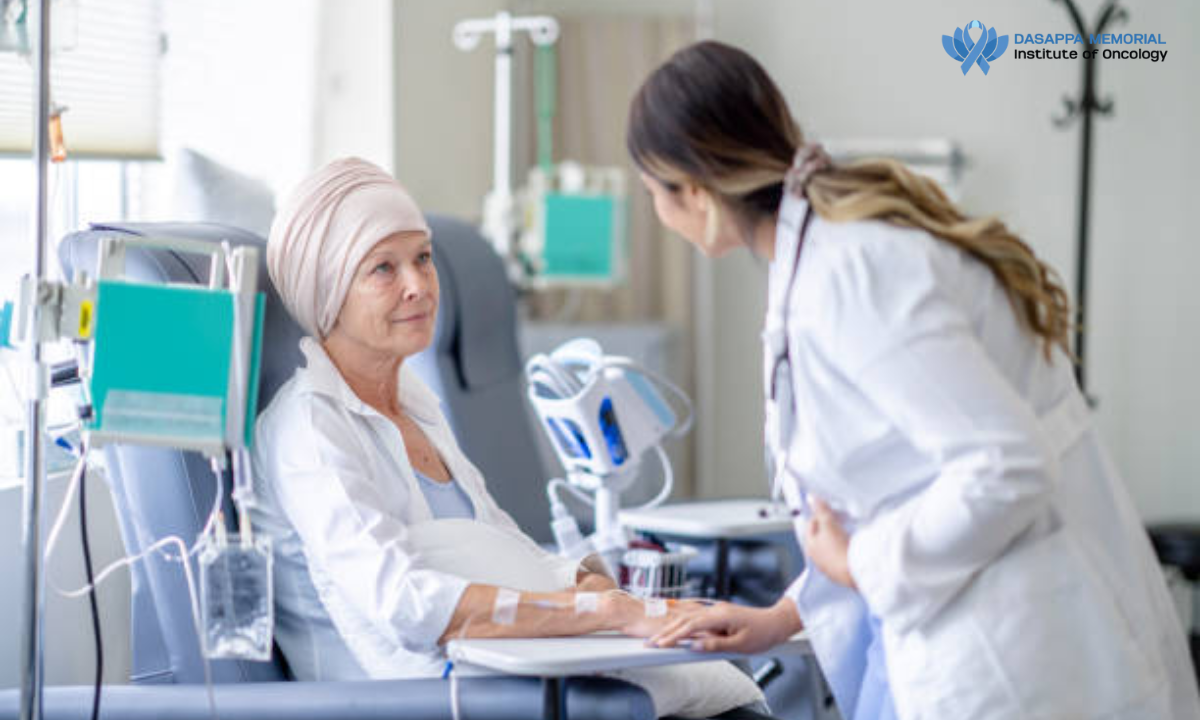
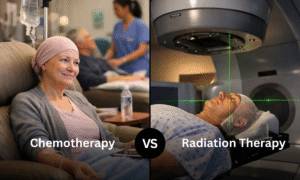
Chemotherapy uses powerful drugs to kill cancer cells throughout the body.
This systemic treatment is particularly valuable for cancers that have spread or are at high risk of spreading.
Chemotherapy can be given before surgery to shrink tumors, after surgery to eliminate remaining cells, or as primary treatment.
Modern chemotherapy protocols are more effective and better tolerated than older regimens thanks to improved supportive care.
We now have excellent medications to prevent nausea, manage fatigue, and address other side effects.
Cancer Treatment Targeted Therapy
Cancer treatment targeted therapy represents a revolutionary approach that attacks specific molecular changes in cancer cells.
Unlike chemotherapy, which affects all rapidly dividing cells, targeted therapy focuses specifically on cancer cell vulnerabilities.
These treatments often have fewer side effects because they spare normal, healthy cells.
Genetic testing of tumors helps identify which patients will benefit most from specific targeted therapies.
This precision medicine approach continues to expand treatment options for many cancer types.
Immunotherapy and Radiation Therapy
Immunotherapy harnesses the body’s own immune system to fight cancer more effectively.
This approach has transformed treatment for cancers that were previously difficult to manage, offering dramatic and long-lasting responses.
Radiation therapy uses high-energy beams to destroy cancer cells in specific areas with precision techniques like IMRT.
Modern radiation delivers precise treatment while protecting surrounding healthy tissue.
Determining Your Treatment Plan
When a patient comes to me, we begin with a comprehensive evaluation and staging.
I consider multiple factors when developing treatment recommendations:
- Cancer type and subtype based on pathology
- Stage and extent of disease spread
- Tumour characteristics, including molecular markers
- Patient’s overall health and other medical conditions
- Treatment goals and personal preferences
At the best cancer treatment hospital in Bangalore, we utilize multidisciplinary tumor boards where specialists collaborate on complex cases.
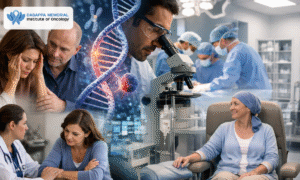
This team approach ensures patients benefit from diverse expertise in surgical oncology, medical oncology, and radiation oncology.
The Importance of Support Services
Cancer treatment extends beyond medical interventions to encompass comprehensive supportive care.
Nutritional counselling helps patients maintain strength during treatment and manage dietary challenges.
Pain management specialists ensure comfort throughout the treatment journey.
Counselling and support groups address the emotional and psychological impact of cancer.
These support services are integral to achieving the best possible outcomes and quality of life.
What Patients Should Expect
1. Initial Consultation
During your first visit, I take time to review all medical records, imaging, and test results thoroughly.
We discuss your diagnosis, answer questions, and begin outlining potential treatment approaches.
2. Treatment Planning and Ongoing Care
Once we complete staging, I present personalized treatment recommendations, discussing benefits, risks, and alternatives.
Throughout treatment, regular follow-ups allow me to monitor my response and manage any side effects promptly.
After completing primary treatment, surveillance continues with periodic scans and examinations.
Tips for Cancer Patients
- Be Your Own Advocate: Don’t hesitate to ask questions, seek second opinions, and express your concerns openly.
- Maintain Open Communication: Keep your medical team informed about any new symptoms or side effects you experience.
- Focus on What You Can Control: Maintain healthy nutrition, stay as active as possible, and prioritise sleep and stress management.
- Build Your Support Network: Lean on family, friends, and support groups; you don’t have to face this journey alone.
Final Thoughts
My mission as an oncologist is to provide each patient with the highest quality, most personalized cancer care possible. The field of cancer treatment continues to advance rapidly, offering new hope to patients facing this diagnosis.
At Dasappa Cancer Hospital, I am committed to delivering comprehensive, compassionate care that addresses all aspects of the cancer journey. Choosing the best cancer treatment hospital in Bangalore means finding a facility where medical excellence meets genuine human connection.
I believe every patient deserves access to advanced treatments delivered with empathy, respect, and unwavering support.
If you or a loved one is facing cancer, remember that you are not alone; our entire team is here to guide you toward the best possible outcome.
Frequently Asked Questions
Q1: How do you decide which cancer treatment is right for me?
Treatment selection depends on type, stage of cancer, molecular characteristics, overall health, and personal preferences. We conduct comprehensive testing and present evidence-based options tailored to your situation, discussing benefits and risks to help you make informed decisions.
Q2: Can different cancer treatments be combined?
Yes, combination therapy often provides better results. We may combine surgery with chemotherapy or pair radiation with targeted therapy sequentially. The specific combination depends on your cancer type, stage, and treatment goals.
Q3: How long does cancer treatment typically last?
Treatment duration varies based on cancer type and stage. Surgery takes one day plus recovery, chemotherapy spans 3-6 months, and some treatments continue for years. I provide specific timelines for your plan.
Q4: What should I do to prepare for cancer treatment?
Maintain good nutrition, stay active, organise your support system, and arrange practical matters. Complete pre-treatment tests on schedule, follow medication instructions, and prepare questions for your medical team about expectations.