




Understanding cancer staging is one of the most important steps in determining the right treatment approach for any patient diagnosed with cancer.
When you receive a cancer diagnosis, the first question that comes to mind is often about how serious it is and what treatment options are available.
At the Best Cancer Hospital in Bangalore, we believe that knowledge empowers patients to make informed decisions about their health and treatment journey.
The staging process involves multiple tests, consultations, and careful evaluation by a team of specialists.
But what exactly does ‘staging’ mean, and why does it matter so much for your treatment plan? Let us explain.
What Is Cancer Staging?

Cancer staging and grading are systems that doctors use to describe how much cancer is in your body and where it is located.
Staging helps us understand whether the cancer is small and localized or has spread to other parts of the body.
This information is crucial because it determines which treatment options will work best for you.
Think of staging as creating a detailed map of your cancer’s journey through your body.
Different types of cancers behave differently, which is why staging is customized based on the specific cancer type.
For example, breast cancer staging differs from lung cancer staging because these cancers have different patterns of spread.
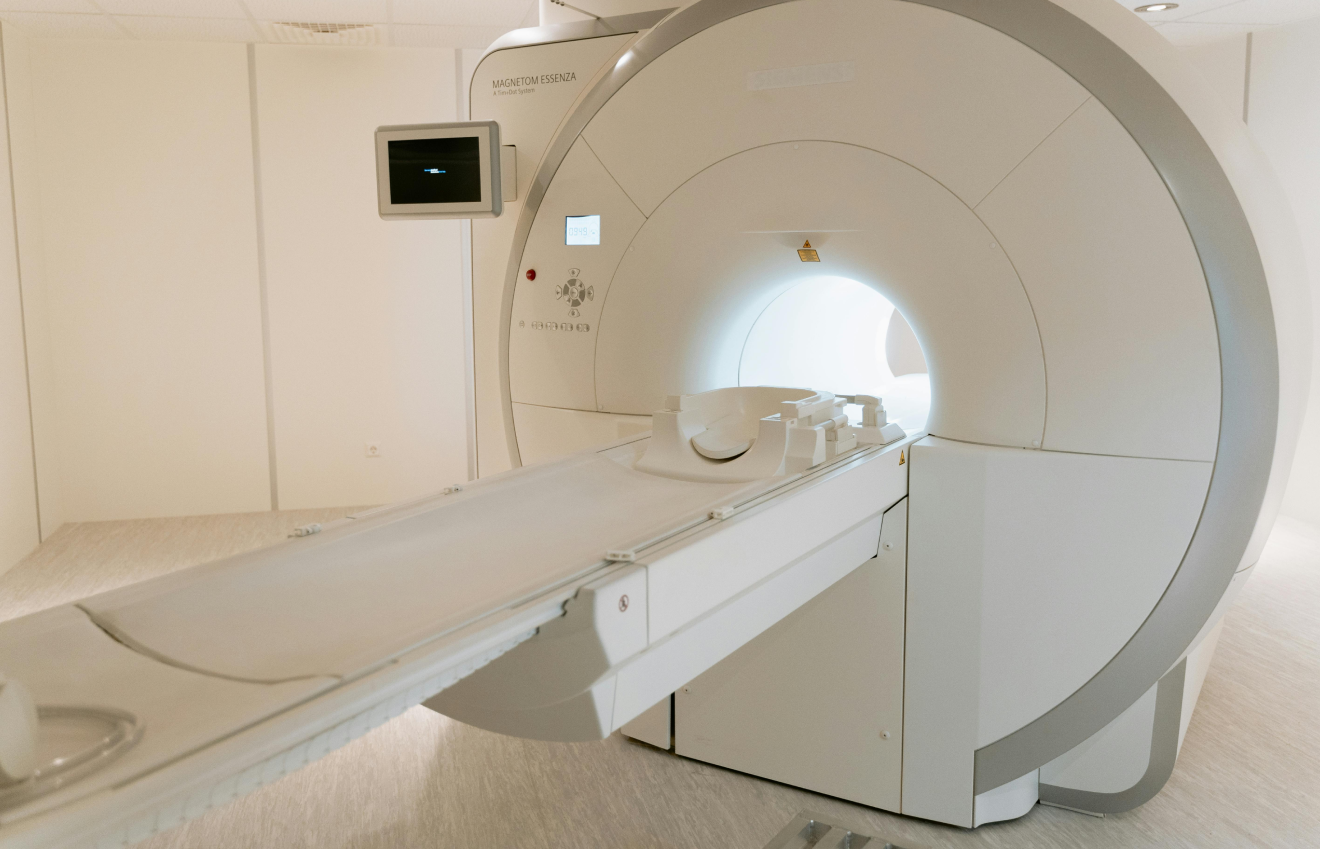
We use various diagnostic tools, including imaging scans, biopsies, blood tests, and physical examinations, to determine the accurate stage.
Understanding TNM Staging
The most common staging system used worldwide is called TNM staging.
This internationally recognized system provides a standardized way for doctors across the globe to communicate about cancer cases.
TNM staging looks at three main components:
- T (Tumor): How large is the primary tumor, and has it grown into nearby tissues?
- N (Nodes): Has the cancer spread to nearby lymph nodes?
- M (Metastasis): Has the cancer spread to distant organs or parts of the body?
Doctors assign numbers or letters to each category to create a complete picture of the cancer’s extent.
For example, T1N0M0 would indicate a small tumor with no lymph node involvement and no distant spread.
The T classification ranges from T0 (no evidence of tumor) to T4 (large tumor or one growing into nearby structures).
N classification goes from N0 (no lymph node involvement) to N3 (extensive lymph node spread).
M is simpler: M0 means no distant spread, while M1 indicates metastasis to distant organs.
The Five Stages Of Cancer
Cancer is typically classified into five stages of cancer, ranging from Stage 0 to Stage 4.
Each stage represents a different level of cancer progression and requires different treatment approaches.
- Stage 0: Also called carcinoma in situ, where abnormal cells are present but haven’t spread beyond their original location. These cells haven’t invaded deeper tissues yet, making this the most treatable stage.
- Stage 1: Cancer is small and localized to where it started, with no spread to lymph nodes. Treatment at this stage often involves surgery alone with very high success rates.
- Stage 2: Cancer is larger than Stage 1 but still localized or has minimal spread to nearby lymph nodes.
- Stage 3: Cancer is larger and has spread to nearby lymph nodes or tissues, but not to distant organs. This stage requires more aggressive combination treatments, but can still be managed effectively.
- Stage 4: Cancer has spread to distant organs, also known as metastatic or advanced cancer. While more challenging to treat, many stage 4 cancers can be controlled with modern therapies.
Each stage requires a different treatment approach, which is why accurate staging is so important.
What Is Cancer Grading?
While staging tells us how far cancer has spread, cancer grading tells us how aggressive the cancer cells look under a microscope.
A pathologist examines tissue samples from your biopsy to determine the grade.
Grading is usually done on a scale from 1 to 3 or 1 to 4:
- Grade 1: Cells look almost normal and tend to grow slowly.
- Grade 2: Cells look moderately abnormal with faster growth.
- Grade 3 or 4: Cells look very abnormal and tend to grow quickly.
Both staging and grading together help doctors at the Best Cancer Hospital in Bangalore create the most effective treatment plan for each patient.
A low-stage, high-grade cancer might need aggressive treatment, while a higher-stage, low-grade cancer might be managed differently.
Why Early Detection Of Cancer Matters
Early detection of cancer significantly improves treatment outcomes and survival rates.
When cancer is caught in its earliest stages, treatment is often simpler, less invasive, and more successful.
Stage 1 cancers have survival rates exceeding 90% for many cancer types.
This is why regular screenings and being aware of warning signs are so important.
Symptoms like unexplained weight loss, persistent pain, unusual lumps, or changes in bowel or bladder habits should never be ignored.
Other warning signs include persistent cough, difficulty swallowing, unusual bleeding, or sores that don’t heal.
Regular screening tests like mammograms, colonoscopies, and Pap smears can detect cancer before symptoms appear.
Early detection doesn’t just save lives; it also reduces treatment costs and preserves quality of life.
Treatment Options Based On Staging
Once we determine the stage and grade of cancer, we can discuss treatment options tailored to your specific situation.
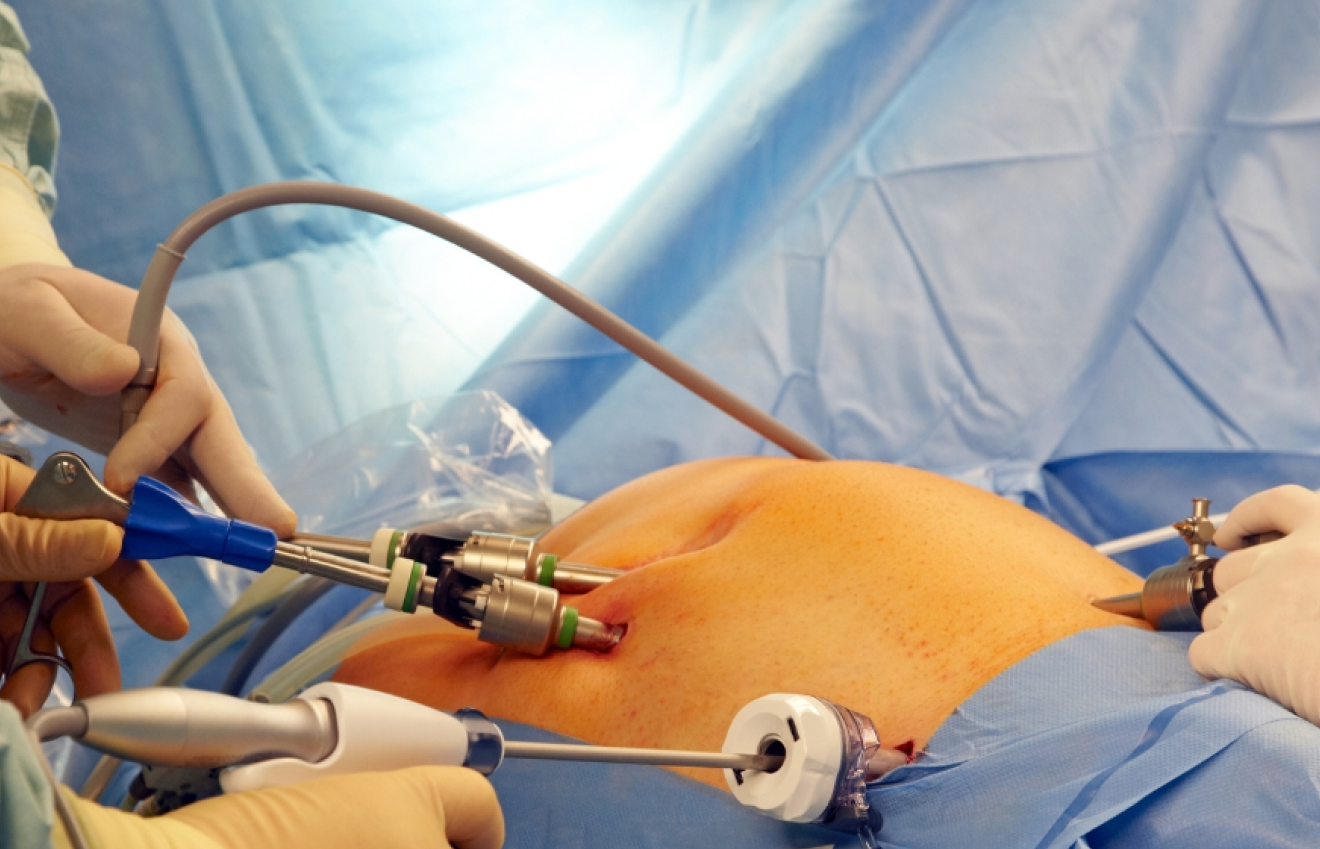
- Surgery: Often the first choice for early-stage cancers to remove the tumor completely. For localized cancers, surgery alone may be curative with careful follow-up monitoring.
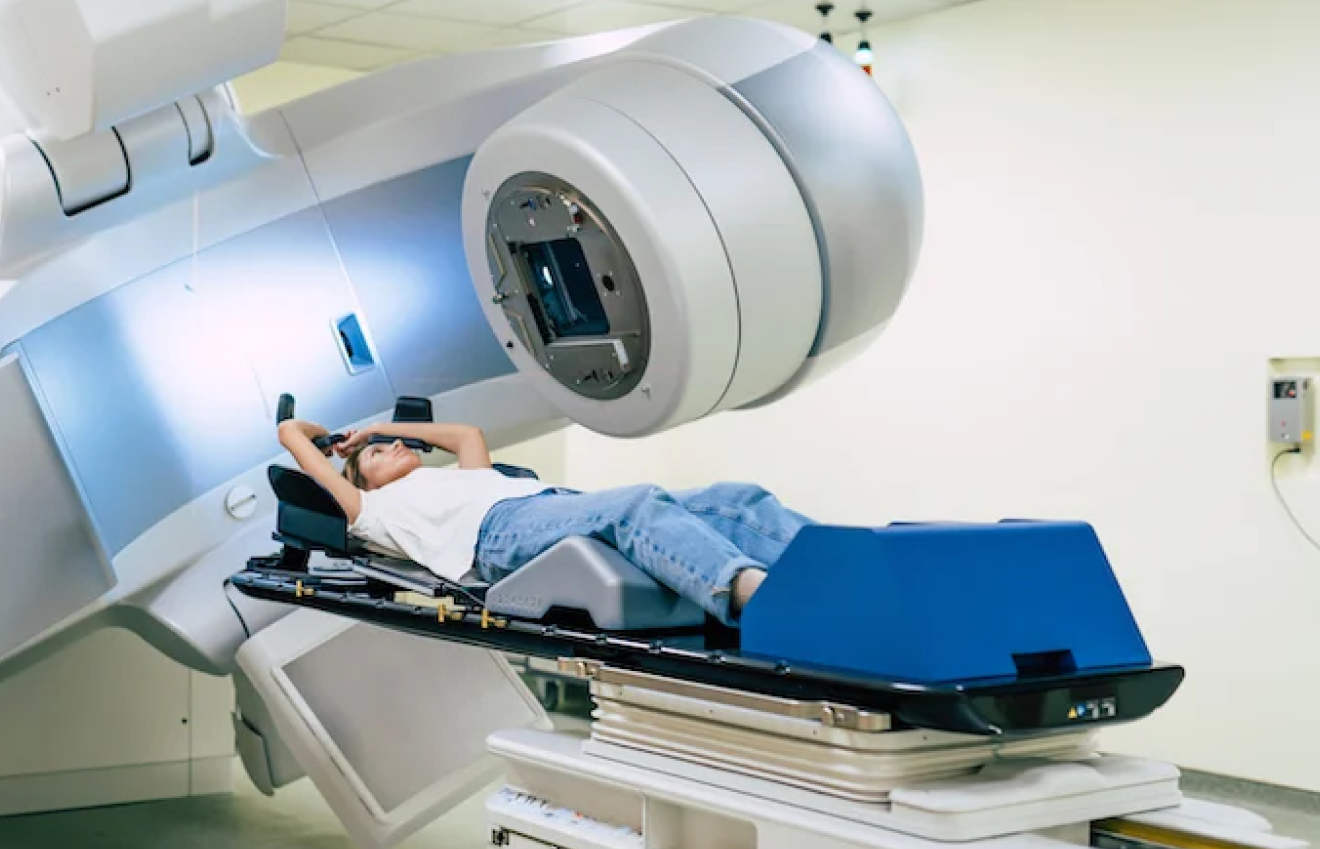
- Radiation Therapy: Uses high-energy rays to destroy cancer cells and can cure or control cancer effectively. It may be used before surgery to shrink tumors or after surgery to eliminate remaining cancer cells.
- Chemotherapy: Uses drugs to kill cancer cells throughout the body, especially for advanced stages. Chemotherapy can be given before surgery to shrink tumors or after surgery to prevent recurrence.
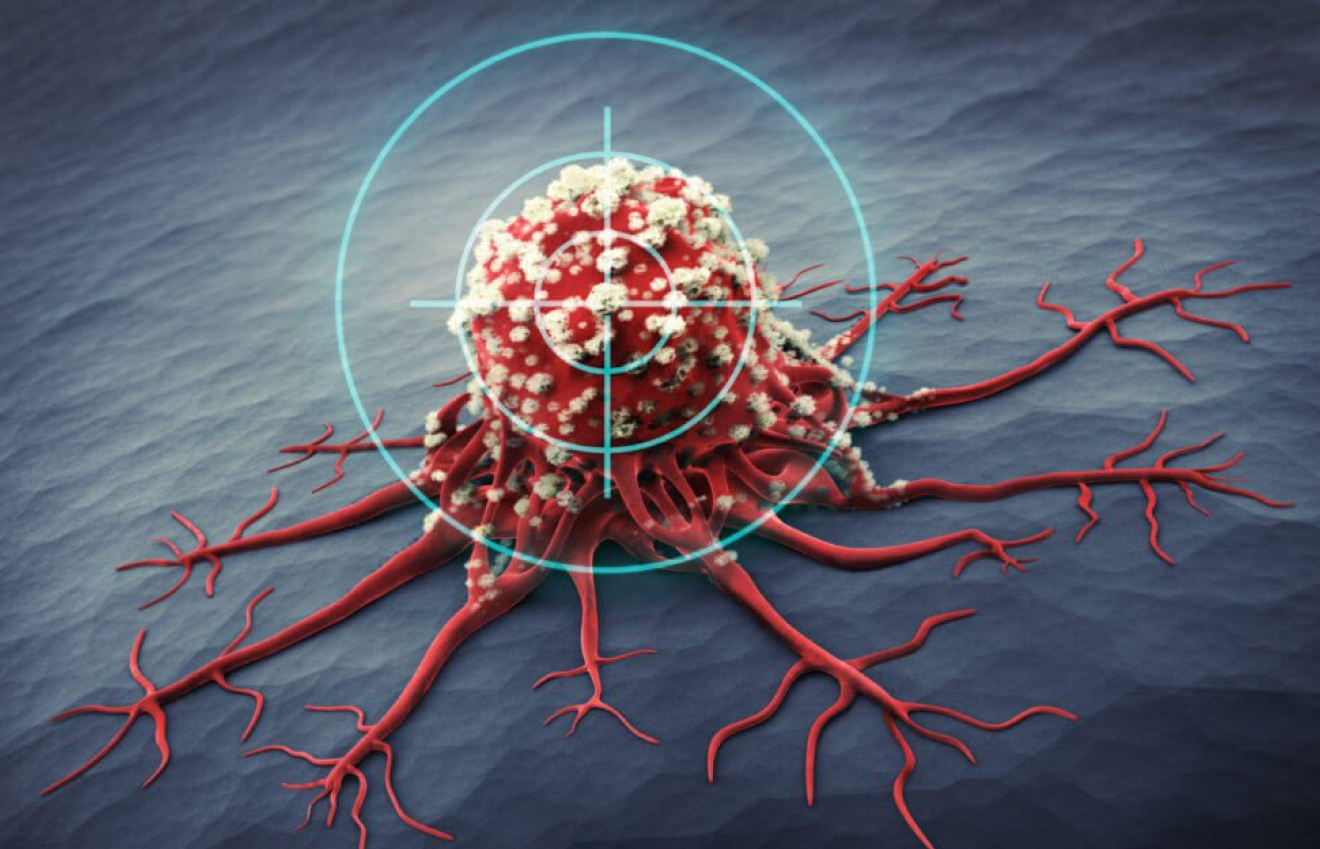
- Targeted Therapy: Attacks specific cancer cells with minimal damage to normal cells. These treatments are designed based on genetic testing of your tumor’s specific characteristics.
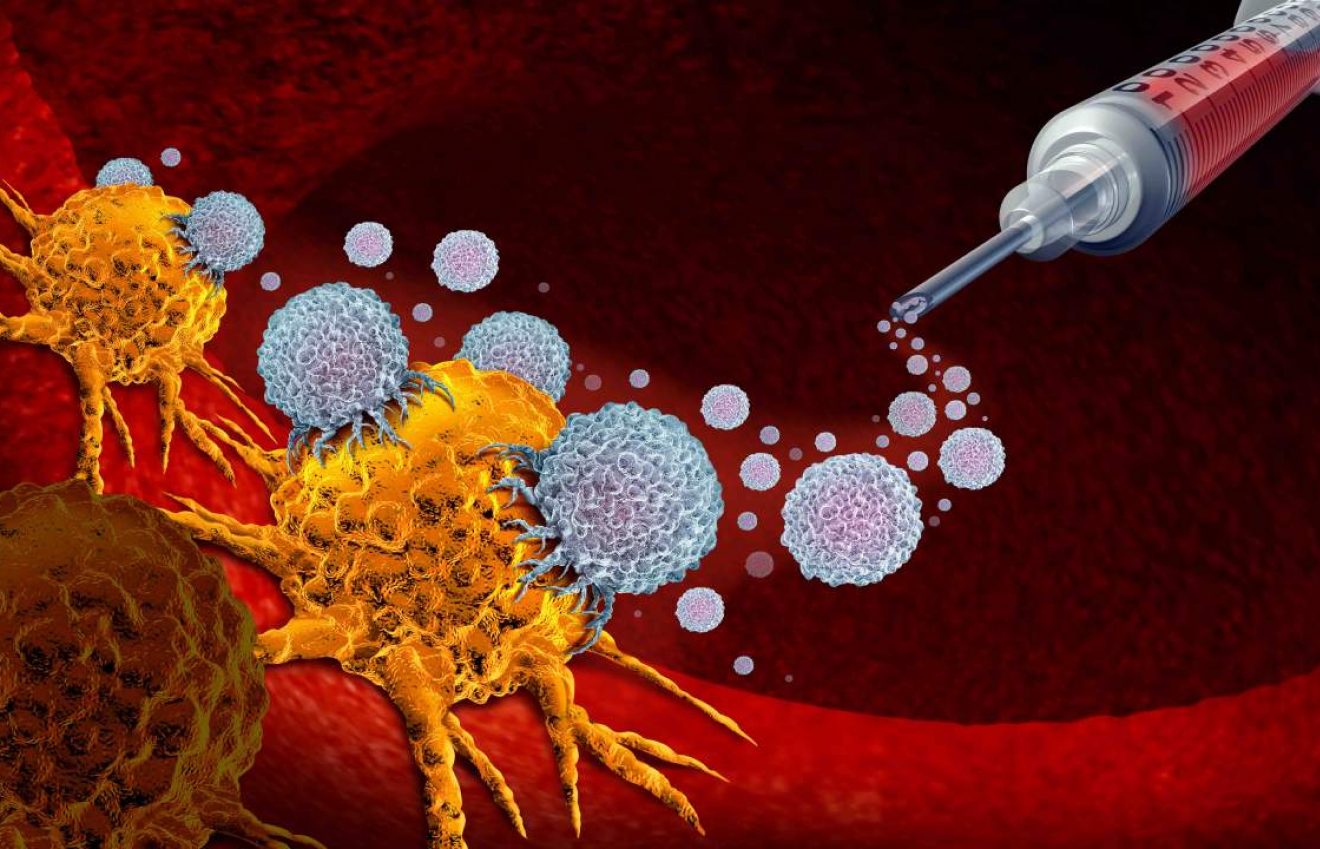
- Immunotherapy: Helps your immune system fight cancer more effectively. Immunotherapy treatment has shown remarkable success in cancers that were previously difficult to treat.
The treatment plan is always personalised based on the specific cancer type, stage, grade, and the patient’s overall health.
We also consider your age, other medical conditions, and personal preferences when designing your care plan.
Managing Treatment Side Effects
Cancer treatment can cause side effects, but modern medicine offers many ways to manage them effectively.
Common side effects include fatigue, nausea, hair loss, and appetite changes.
We provide supportive care medications to prevent or minimise these effects.
Nutritional support helps maintain strength during treatment, which improves outcomes.
Pain management is a priority, with multiple options available to keep you comfortable.
Finding the Right Care
Choosing the best cancer hospital in Bangalore means finding a facility with experienced oncologists, advanced diagnostic tools, and comprehensive treatment options.
Look for hospitals that offer multidisciplinary care, where different specialists work together on your case.
Access to the latest technology for accurate staging and modern treatment methods makes a significant difference.
Patient support services, including counselling and nutrition guidance, are equally important for the complete healing journey.
The best cancer hospitals maintain international accreditations and follow evidence-based treatment protocols.
Final Thoughts
Understanding cancer staging and grading helps remove some of the fear and uncertainty that comes with a cancer diagnosis.
At Dasappa Cancer Hospital, we are committed to providing clear information, accurate diagnosis, and compassionate care to every patient.
Remember that cancer staging is not a prediction of your future; it’s a tool that helps us choose the best treatment path for you.
With advances in medical technology and treatment options, many patients successfully overcome cancer at all stages.
If you or a loved one needs cancer care, seek consultation at a trusted facility where expertise meets compassion.
Frequently Asked Questions
Q1: What are cancer stages and grades?
Cancer stages describe how much cancer is in the body and where it has spread, from Stage 0 to Stage 4. Cancer grades describe how abnormal the cancer cells look under a microscope and how quickly they’re likely to grow and spread.
Q2: Can Blood Tests Detect Cancer?
Some blood tests can detect certain cancer markers or abnormal substances produced by cancer cells. However, most cancers require imaging tests, biopsies, or other diagnostic procedures for definitive diagnosis. Blood tests alone cannot usually confirm or rule out cancer completely.
Q3: How Long From Stage 1 To Stage 4 Cancer?
The progression time varies greatly depending on cancer type, grade, and individual factors. Some aggressive cancers progress in months, while slow-growing cancers may take years. Early detection and treatment can prevent or slow progression significantly, making regular screenings crucial.
Q4: What Is TNM Staging In Cancer?
TNM staging is an international system that evaluates three components: T (tumor size and local spread), N (lymph node involvement), and M (metastasis to distant organs). Each component receives a number or letter to create a complete staging classification.
Q5: What Are The Three Components Of Cancer Staging?
The three main components are tumor characteristics (size and local invasion), lymph node involvement (regional spread), and metastasis (distant spread). Together, these factors determine the overall stage and help guide treatment decisions for the best possible outcomes.
Q6: Can Radiation Therapy Cure Cancer?
Yes, radiation therapy can cure certain cancers, especially when caught early and localized. It’s often used as primary treatment or combined with surgery and chemotherapy. The success depends on cancer type, stage, location, and individual patient factors, including overall health.