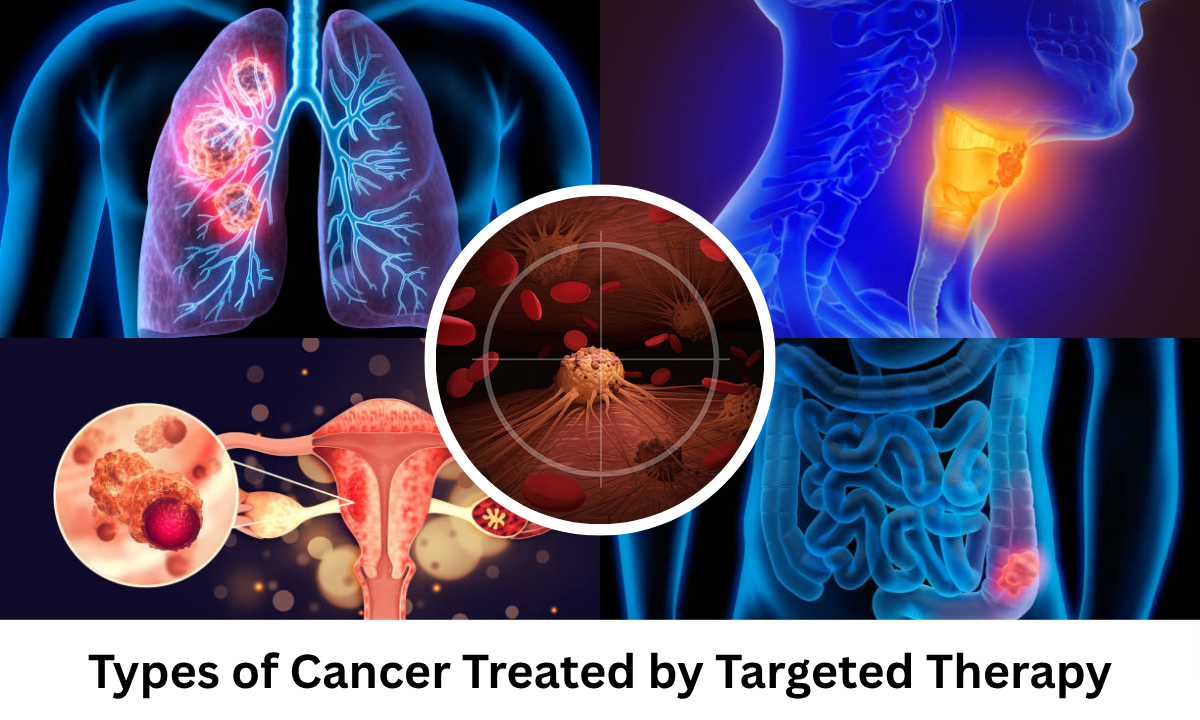
Types of cancer that respond to targeted therapy have expanded significantly in recent years, offering new hope to patients worldwide. Unlike traditional treatments, targeted therapy for cancer works by identifying and attacking specific molecules within cancer cells, causing minimal damage to healthy tissues.
At our cancer hospital in Bangalore, we have witnessed remarkable improvements in patient outcomes through these precision treatments. But which cancers can actually benefit from this revolutionary approach? Let’s understand.
Understanding Targeted Therapy
Targeted therapy represents a breakthrough in cancer treatment. We use specialized drugs that target specific proteins, genes, or tissue environments that contribute to cancer growth and survival.
These medications work differently from chemotherapy. They block the growth and spread of cancer by interfering with specific molecules involved in tumor progression.
Types of Cancer Treated with Targeted Therapy
1. Lung Cancer Treatment
Lung cancer patients often benefit greatly from targeted therapy. We target mutations like EGFR, ALK, and ROS1 that drive cancer growth in non-small cell lung cancer.
These therapies have transformed lung cancer from a challenging diagnosis into a manageable condition for many patients. The precision of treatment reduces side effects while improving survival rates.
2. Breast Cancer Treatment
Breast cancer targeted therapies focus on HER2-positive tumors and hormone receptor-positive cancers. Drugs like trastuzumab and pertuzumab have revolutionized HER2-positive breast cancer treatment.
Hormone-positive breast cancers respond well to CDK4/6 inhibitors and PI3K inhibitors. These medications offer patients extended progression-free survival with a better quality of life.
3. Colorectal Cancer Treatment
Colorectal cancer with specific genetic mutations responds to targeted therapy. We look for KRAS, NRAS, and BRAF mutations before recommending treatment options.
Drugs targeting EGFR and VEGF pathways have shown significant success. Patients experience tumor shrinkage and improved survival rates compared to traditional chemotherapy alone.
4. Head and Neck Cancer Treatment
Head and neck cancer treatment has advanced with targeted therapies targeting EGFR. Cetuximab, combined with radiation or chemotherapy, improves outcomes for patients with squamous cell carcinomas.
These treatments are particularly effective for recurrent or metastatic cases. We’ve seen patients achieve longer remission periods at the best cancer hospital in Bangalore.
5. Ovarian Cancer Treatment
Ovarian cancer treatment utilizes PARP inhibitors for BRCA-mutated cancers. These medications prevent cancer cells from repairing their DNA, leading to cell death.
Bevacizumab, which targets blood vessel formation, also shows promise. Patients with advanced ovarian cancer benefit from these maintenance therapies after initial treatment.
6. Thyroid Cancer Treatment
Thyroid cancer treatment includes targeted therapies for advanced or radioactive iodine-resistant cases. We use drugs targeting RET, BRAF, and VEGFR mutations.
These medications help control disease progression when traditional treatments fail. Patients maintain a better quality of life while managing their condition effectively.
7. Pancreatic Cancer Treatment
Pancreatic cancer treatment incorporates targeted therapy for specific genetic mutations. BRCA mutations and NTRK gene fusions respond to particular targeted medications.
Though challenging to treat, we’re seeing improved outcomes with combination approaches. Early genetic testing helps identify candidates for these precision treatments.
8. Other Cancers
Kidney cancer, leukemia, lymphoma, and melanoma also respond to targeted therapies. Each cancer type requires specific molecular testing to identify targetable mutations.
We continuously evaluate new targeted drugs entering clinical practice. The field evolves rapidly, offering patients more options than ever before.
Benefits of Targeted Therapy
- Targeted therapy offers several advantages over traditional treatments. We observe fewer side effects because these drugs specifically attack cancer cells.
- Patients often tolerate treatment better and maintain their daily activities. The precision approach means better outcomes with improved quality of life.
- Treatment can be personalized based on tumor genetics. This individualized approach maximizes effectiveness while minimizing unnecessary toxicity.
The Importance of Genetic Testing
Genetic testing identifies which patients will benefit from targeted therapy. We recommend comprehensive molecular profiling for eligible cancer patients.
Testing reveals specific mutations, protein expressions, and genetic alterations. Results guide treatment decisions and predict responses to specific medications.
Treatment Planning
At Dasappa Cancer Hospital, we combine expertise with advanced technology to create personalized treatment plans. Our multidisciplinary team evaluates each case thoroughly before recommending targeted therapy.
We consider tumor characteristics, genetic profile, overall health, and treatment goals. This comprehensive approach ensures optimal outcomes for our patients.
Final Thoughts
The landscape of cancer treatment continues to evolve, with targeted therapy leading the way. Types of cancer once considered difficult to treat now have effective treatment options available.
At our best cancer hospital in Bangalore, we remain committed to bringing the latest targeted therapies to our patients. We believe in precision medicine that treats cancer while preserving quality of life.
If you are considering targeted therapy, consult with oncology specialists who understand these complex treatments. The right approach can make all the difference in your cancer journey.
Frequently Asked Questions
1. Which cancers are treated with targeted therapy?
Targeted therapy treats lung, breast, colorectal, ovarian, thyroid, pancreatic, and kidney cancers; melanoma; leukemia; lymphoma; and head and neck cancers with specific genetic mutations or protein expressions.
2. At what stage is targeted therapy used?
Targeted therapy can be used at various stages, including early-stage, advanced, metastatic, or recurrent cancer, depending on molecular testing results and specific cancer type characteristics.
3. Which is better, chemo or targeted therapy?
Neither is universally better; effectiveness depends on cancer type, stage, and genetic profile. Targeted therapy typically causes fewer side effects but works only for specific mutations.
4. How long can you stay on targeted therapy?
Duration varies by cancer type and individual response. Some patients continue for months to years, while others use it as maintenance therapy or until progression occurs.