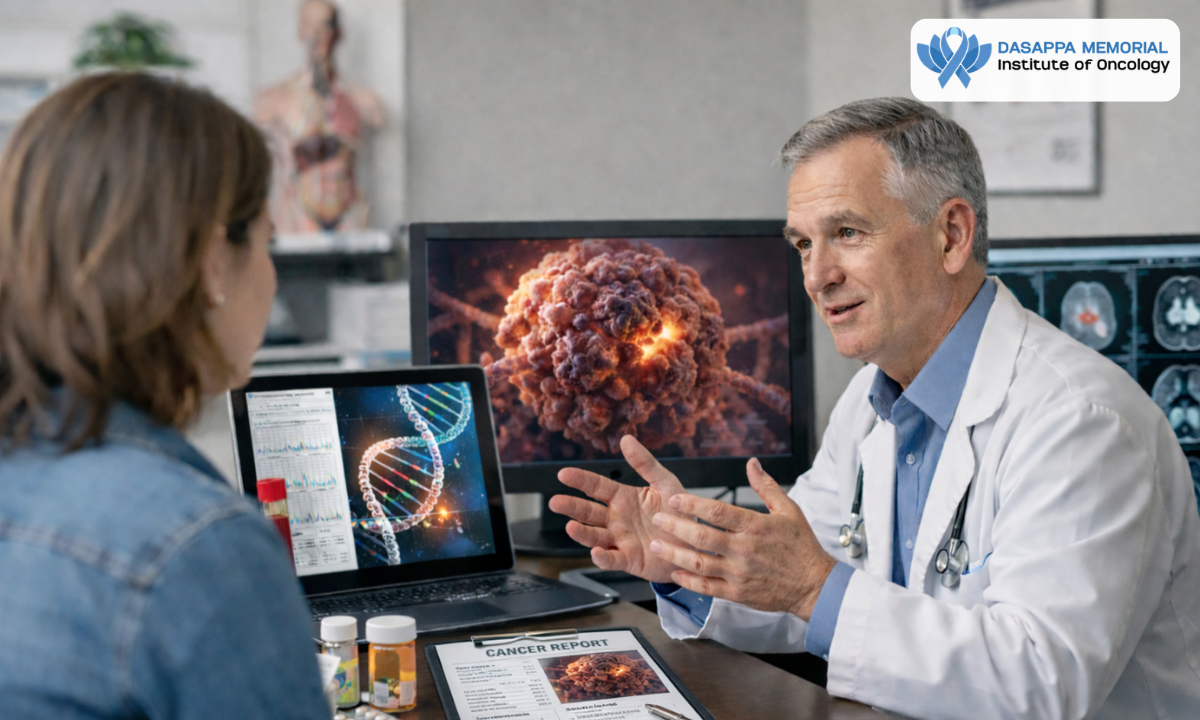
What if your cancer treatment could be designed specifically for you, rather than based on general guidelines? Today, this is becoming possible by understanding tumor biomarkers and genetic mutations, which reveal what is happening inside the cancer at a deeper level.
In the leading cancer treatment hospital in Bangalore, doctors are using these insights to create more personalised and effective treatment plans.
In this blog, we will explore how these scientific markers are transforming cancer care and why they are becoming essential in every treatment journey.
Key Points at a Glance
- Cancer treatment is becoming more personalised than ever
- Tumor biomarkers help identify how a cancer behaves
- Genetic mutations guide targeted and precise therapies
- Understanding these factors improves treatment success
- Early testing can reduce unnecessary treatments
- Modern cancer care focuses on accuracy, not assumptions
What Are Tumor Biomarkers?
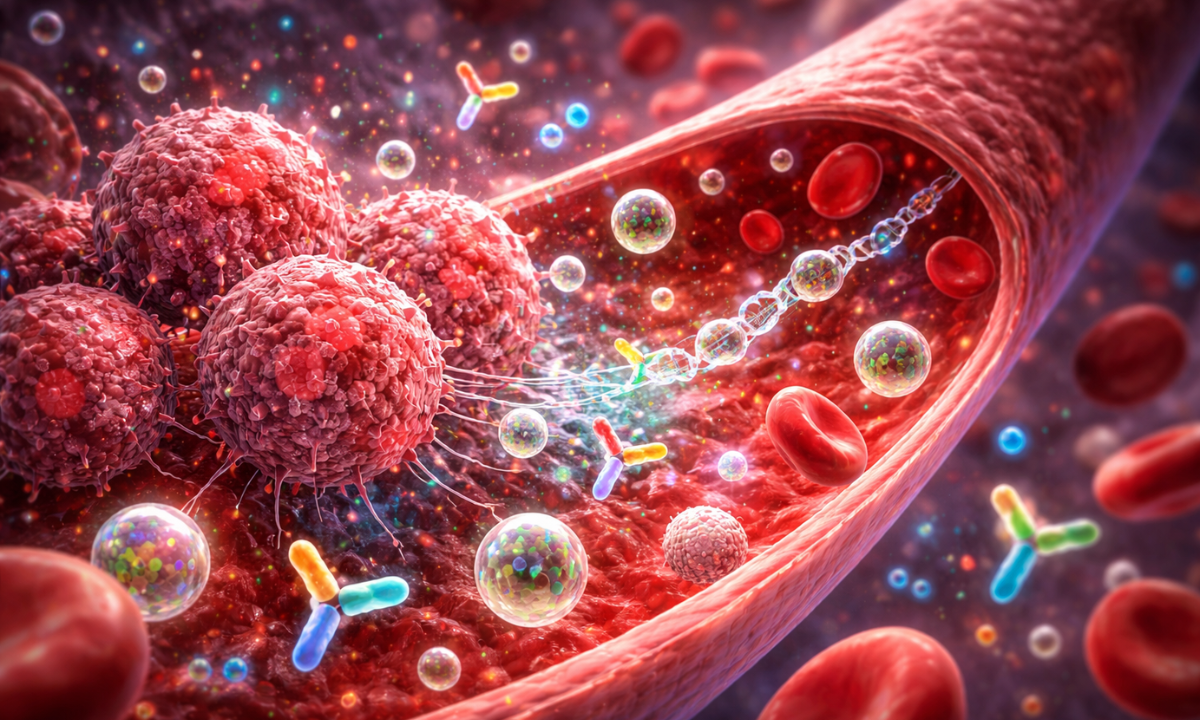
Let’s begin with a simple definition of tumor markers. Tumor biomarkers are substances found in the body that can indicate the presence of cancer. These can be proteins, genes, or other molecules produced by cancer cells or by the body in response to cancer.
We use these markers to detect cancer, monitor its progress, and understand how it may respond to treatment. In simple terms, they act like signals that guide doctors in making better decisions.
Tumor Markers Table: Common Examples
Here is a simple tumor markers table to help you understand better:
| Tumor Marker | Associated Cancer Type | Purpose |
|---|---|---|
| PSA | Prostate Cancer | Screening and monitoring |
| CA-125 | Ovarian Cancer | Track treatment response |
| CEA | Colon Cancer | Detect recurrence |
| HER2 | Breast Cancer | Guide targeted therapy |
These tumor markers examples show how different cancers have specific indicators that help in diagnosis and treatment planning.
Understanding Genetic Mutations
Now, let’s look at the gene mutations definition in simple words. Genetic mutations are changes or errors in the DNA sequence that can cause normal cells to become cancerous.
These changes are a key part of genetic mutations in humans and can happen due to lifestyle, environmental exposure, or even randomly. By identifying these mutations, we can better understand how the cancer behaves.
Types of Genetic Mutations
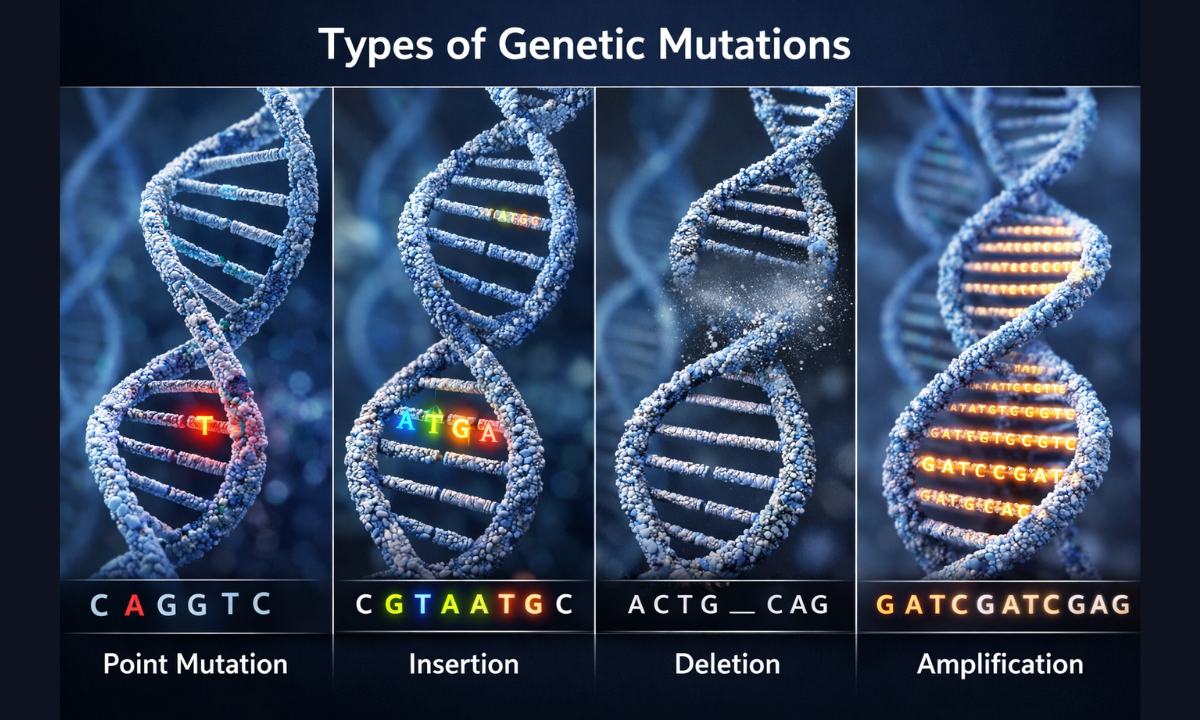
Image suggestion: Diagram showing mutation types (insertion, deletion, point mutation, amplification)
There are different types of genetic mutations, and each one affects the body differently.
Common Types:
| Mutation Type | Description | Impact |
|---|---|---|
| Point Mutation | Change in a single DNA base | Can alter protein function |
| Insertion | Extra DNA added | Disrupts normal cell activity |
| Deletion | Loss of a DNA segment | May remove important genes |
| Amplification | Extra copies of genes | Leads to rapid cancer growth |
Understanding these types helps us choose the right treatment approach.
How Tumor Biomarkers Shape Cancer Treatment
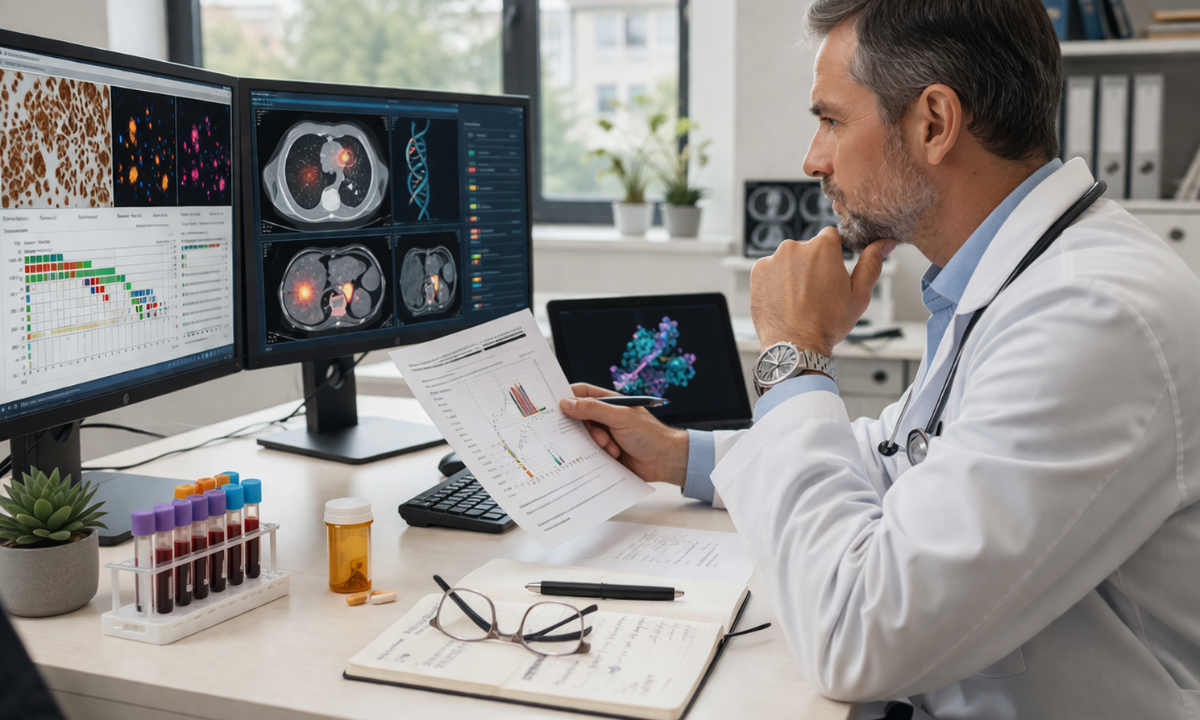
When we identify tumor biomarkers, we get a clearer picture of how aggressive the cancer is. This helps doctors decide whether to use surgery, chemotherapy, radiation, or targeted therapy.
For example, if a tumour shows a specific biomarker, we can use drugs that directly target that marker. This makes treatment more effective and reduces unnecessary side effects.
Biomarkers also help us monitor how well the treatment is working over time and whether any changes are needed. In some cases, they can even predict the chances of recurrence, allowing doctors to plan follow-up care more effectively. This level of precision ensures that patients receive the right treatment at the right time.
Role of Genetic Mutations in Treatment Planning
Genetic mutations play an equally important role in modern cancer care. They help us understand which treatments will work best for a patient.
For instance, certain mutations respond well to targeted drugs, while others may require a different approach. This is why two patients with the same cancer type may receive completely different treatments.
In addition, identifying these mutations can help doctors avoid treatments that are unlikely to work, saving valuable time and reducing side effects. It also allows us to explore advanced options like immunotherapy or clinical trials, especially in complex or resistant cases. Over time, tracking these mutations can help adjust treatment as the cancer evolves.
Comparison: Traditional vs Modern Cancer Treatment
| Traditional Approach | Modern Approach |
|---|---|
| Based on tumour location | Based on biomarkers and mutations |
| Same treatment for many patients | Personalised treatment plans |
| Trial-and-error method | Data-driven decisions |
| Higher side effects | More targeted, fewer side effects |
This shift is making cancer care more precise and effective.
Real-Life Example
Let’s imagine two patients with breast cancer.
- Patient A has a HER2-positive tumor
- Patient B has a HER2-negative tumor
Patient A can benefit from targeted therapy designed for HER2, while Patient B may need a different treatment. Without biomarker testing, both patients might receive the same treatment, which may not be effective for one of them.
Benefits of Using Tumor Biomarkers and Genetic Mutations
When we combine tumor biomarkers and genetic mutations, we unlock several benefits:
- Personalised care: Treatment is tailored to the patient
- Better outcomes: Higher chances of success
- Reduced side effects: Avoid unnecessary treatments
- Faster decisions: Clear direction for doctors
- Improved monitoring: Track progress more accurately
Tips for Patients and Families
If you or your loved one is undergoing cancer treatment, here are some simple tips:
- Ask about biomarker testing
- Understand your diagnosis clearly
- Discuss personalised treatment options
- Choose experienced specialists
- Stay updated on new treatment methods
Taking an active role can improve both confidence and outcomes.
Final Thoughts
Cancer care is no longer just about identifying where the tumour is located. Today, understanding tumor biomarkers and genetic mutations allows us to treat cancer in a more precise and personalised way. This approach not only improves outcomes but also gives patients more confidence in their treatment journey.
If you are looking for expert and advanced care, choosing the right cancer treatment hospital in Bangalore is essential. At Dasappa Cancer Hospital, we focus on combining modern technology with compassionate care to provide the best possible treatment for every patient.
Frequently Asked Questions
1. Are tumor biomarkers present in all cancers?
Tumor biomarkers are not present in every type of cancer, but they are commonly found in many major cancers such as breast, lung, and prostate cancer.
These markers play an important role in diagnosis, monitoring treatment response, and detecting recurrence. However, their usefulness depends on the cancer type and stage, and doctors carefully decide when biomarker testing will provide meaningful guidance for treatment planning.
2. Are genetic mutations inherited?
Some genetic mutations in humans are inherited from parents and may increase the risk of developing certain cancers. However, many mutations are acquired over time due to factors like ageing, lifestyle habits, or environmental exposure.
Testing helps identify whether a mutation is inherited or developed later, which is important for both treatment decisions and understanding potential risks for family members.
3. How are tumor biomarkers tested?
Tumor biomarkers are tested using different methods depending on the cancer type. Common approaches include blood tests, tissue biopsies, and advanced laboratory techniques like molecular testing.
In some cases, a liquid biopsy using blood can detect biomarkers without invasive procedures. These tests are generally safe, quick, and play a crucial role in diagnosing cancer and guiding personalised treatment strategies.
4. Do these tests improve survival rates?
Yes, testing for tumor biomarkers and genetic mutations can significantly improve survival rates in many cases. By identifying the exact characteristics of the cancer, doctors can select treatments that are more targeted and effective. This reduces trial-and-error approaches, avoids unnecessary side effects, and ensures timely intervention. As a result, patients often experience better outcomes and improved quality of life during treatment.