
Understanding the cost of cancer treatment in India is essential for patients and their families planning their healthcare journey and making informed decisions.
Cancer treatment involves multiple components, and expenses can vary significantly based on several factors, including the type of cancer, its stage, and the chosen treatment approach.
When you are facing a cancer diagnosis, financial concerns shouldn’t add to your stress, which is why choosing the right cancer surgery hospital in Bangalore matters.
But what exactly determines these expenses, and how can you prepare financially for the road ahead? Let us explain
Key Factors Affecting Treatment Expenses

1. Cancer Type and Stage
Different cancers require different treatment approaches, which directly impacts financial requirements.
Early-stage cancers typically require less investment than advanced-stage cancers, which require multiple treatment modalities.
Lung cancer treatment varies based on whether it’s small-cell or non-small-cell lung cancer and its stage.
Similarly, stomach cancer treatment expenses depend on tumor location, size, and whether surgery is possible.
Treatment for kidney cancer and brain tumor cases each has unique requirements based on complexity and duration.
2. Treatment Modality
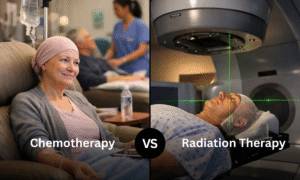
Surgery, chemotherapy, radiation therapy, targeted therapy, and immunotherapy each have different financial structures.
Cancer surgery cost in India includes surgeon fees, hospital charges, anaesthesia, and postoperative care.
Chemotherapy investment varies based on drug types, cycles needed, and administration method.
3. Hospital Type and Location
A multi-speciality cancer hospital offers comprehensive care under one roof with modern facilities.
Government hospitals typically charge less than private facilities, though wait times may be longer.
Metropolitan cities like Bangalore generally have higher expenses but offer access to the latest technology and experienced specialists.
4. Doctor’s Expertise and Treatment Duration
Experienced oncologists may charge higher fees but often deliver better outcomes, reducing long-term expenses.
Longer treatment durations naturally increase expenses through repeated hospital visits, tests, and medication cycles.
Understanding Cancer Surgery Investment
Cancer surgery cost in India is often a significant component of treatment expenses.
Preoperative requirements include diagnostic tests, imaging scans, blood work, and anaesthesia consultations.
Surgical fees cover the surgeon’s expertise, operating room charges, and equipment used during the procedure.
Hospital stay includes room charges, nursing care, medications, and postoperative monitoring.
At a reputed cancer surgery hospital in Bangalore, these expenses are transparently communicated upfront, allowing families to plan accordingly.
Minimally invasive surgical techniques may require more initial investment but often reduce recovery time and hospital stays.
Additional Treatment Components
1. Diagnostic Tests and Medications
Regular blood tests, imaging scans (CT, MRI, and PET), and biopsies are necessary throughout treatment.
Beyond chemotherapy drugs, you’ll need supportive medications for managing side effects.
2. Supportive and Follow-up Care
Nutritional support, physiotherapy, counselling, and rehabilitation services are essential for recovery.
Cancer care doesn’t end with treatment; regular monitoring appointments continue for years afterwards.
Financial Assistance Options
1. Health Insurance Coverage
Most health insurance policies cover cancer treatment, but coverage limits and exclusions vary.
Review your policy carefully to understand what’s covered, co-payment requirements, and claim procedures.
2. Government Schemes
Several government programmes provide financial assistance:
- Ayushman Bharat covers up to 5 lakh rupees for eligible families
- State-specific schemes offer additional support
- Public hospitals provide subsidized treatment options
3. Hospital Payment Plans
Many hospitals, including the leading cancer surgery hospital in Bangalore, offer flexible payment plans.
These allow you to spread expenses over time, making treatment more accessible.
4. NGOs and Charitable Organizations
Numerous organizations provide financial assistance for cancer patients who cannot afford treatment.
Research available options and apply early to increase chances of receiving support.
Practical Tips for Managing Expenses
1. Get Multiple Opinions
Consulting different oncologists helps you understand treatment options and compare expenses.
A multi-speciality cancer hospital can provide comprehensive consultations across different specialities.
2. Consider Generic Medications
Generic versions of chemotherapy drugs are significantly more affordable than branded versions with similar effectiveness.
3. Plan Your Treatment
Understanding the complete treatment plan upfront helps you budget and arrange finances accordingly.
4. Maintain Complete Documentation
Keep all medical records, bills, and receipts organized for insurance claims and tax benefits.
5. Explore Clinical Trials
Some hospitals conduct clinical trials that may provide access to cutting-edge treatments at reduced or no expense.
Why India Is a Preferred Destination
India offers world-class cancer care at a fraction of the cost compared to Western countries.
The cancer surgery cost in India is typically 60-80% lower than in the US or UK for comparable quality.
This financial advantage, combined with experienced oncologists and advanced facilities, makes India attractive for medical tourism.
English-speaking staff, shorter wait times, and cultural familiarity make Indian hospitals accessible to international patients.
Final Thoughts
While cancer treatment costs in India can seem overwhelming initially, understanding the factors and planning helps manage finances effectively.
At Dasappa Cancer Hospital, we are committed to providing transparent information and helping families explore all available financial options.
Choosing the right cancer surgery hospital in Bangalore means finding a facility that balances excellent medical care with reasonable financial requirements.
Don’t let financial concerns prevent you from seeking timely treatment; explore all assistance options and payment plans available.
Early treatment not only improves outcomes but also often reduces overall expenses by preventing disease progression and complications.
Frequently Asked Questions
Q1: What Is The Cost Of Cancer Treatment In Bangalore?
Cancer treatment expenses in Bangalore vary widely depending on cancer type, stage, and treatment modality. Private hospitals charge more than government facilities but offer shorter wait times and advanced technology. Specific expenses vary based on individual circumstances, treatment complexity, and duration of care required.
Q2: What Happens If I Have Cancer And Can’t Afford Treatment?
Government schemes like Ayushman Bharat, state health programmes, and charity organizations provide financial assistance for cancer patients. Many hospitals offer payment plans and subsidized treatment options. NGOs and patient welfare funds also help cover treatment expenses for eligible patients who cannot afford care.
Q3: Can You Live A Normal Life After Chemo?
Yes, most patients return to normal activities after completing chemotherapy, though recovery time varies. Some may experience lasting side effects, but many resume work, hobbies, and social activities. Regular follow-ups, healthy lifestyle choices, and supportive care help maintain quality of life post-treatment and long-term wellness.
Q4: How Much Does Chemo Cost Without Insurance?
Chemotherapy expenses without insurance in India vary significantly depending on drug type and cancer. Complete treatment usually requires multiple cycles over several months. Government hospitals offer significantly subsidized rates, and some pharmaceutical companies provide patient assistance programmes for expensive drugs to make treatment more accessible.