‘Bone metastasis’ is a word that can instantly create fear and confusion, and I completely understand why so many patients and families ask me the same question again and again: “Can it really be cured?” When cancer spreads to the bones, the journey feels overwhelming, but the truth is more hopeful and nuanced than most people realise.
With today’s medical advances, many people live longer, more comfortable lives even after a diagnosis of bone involvement. Stay with me till the end, because the answer is not just about a cure; it’s about control, quality of life, and new possibilities.
Medical Disclaimer
The information provided in this blog is intended for general awareness and educational purposes only. It is not a substitute for professional medical advice, diagnosis, or treatment. Every cancer case is unique, and treatment decisions should always be made in consultation with a qualified oncologist or healthcare professional. If you or a loved one is experiencing symptoms or has been diagnosed with cancer or bone metastasis, please seek personalised medical guidance from a specialised cancer care provider.
Key Points at a Glance
- Bone metastasis happens when cancer spreads from another organ to the bones
- A complete cure is rare, but long-term control is often possible
- Early diagnosis makes treatment more effective
- Breast cancer and Lung cancer are common causes
- Modern options like Immunotherapy, Radiation therapy, and Targeted therapy have improved outcomes
- Pain relief and mobility improvement are major treatment goals
- Choosing the right care team and hospital matters greatly
What Is Bone Metastasis?
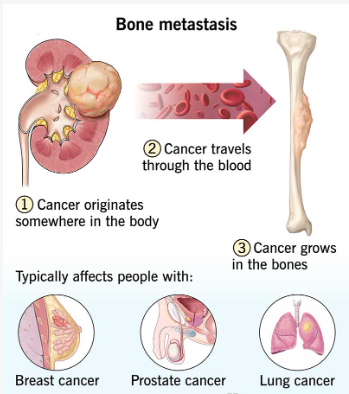
Bone metastasis occurs when cancer cells break away from the original tumour and travel to the bones. These cancer cells settle in the bone tissue and start growing. Weakening the bone structure over time. This condition is also known as osseous metastatic disease, and it is different from primary bone cancer.
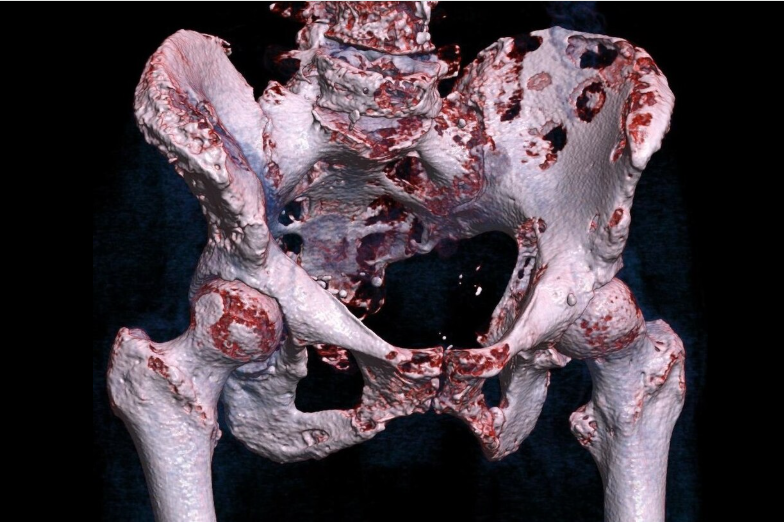
I often explain it this way: the cancer didn’t start in the bone, but the bone became a new home for it. The most commonly affected bones include the spine, pelvis, ribs, skull, and long bones of the arms and legs. Understanding this difference is important because treatment depends largely on where the cancer originated.
Can Bone Metastasis Be Cured?
This is the hardest question, and I always answer it honestly and gently. In most cases, a complete bone metastasis cure is not possible with current medical science. However, that does not mean treatment is useless or ineffective.
Many patients live for years with controlled disease, minimal pain, and a good quality of life. Doctors focus on slowing cancer growth, relieving symptoms, preventing fractures, and helping patients stay active.
In a few select cases, especially when metastasis is limited, aggressive treatment can lead to long-term remission.
How Does Bone Metastasis Develop?
Cancer cells spread through the bloodstream or lymphatic system. Once they reach the bones, they interfere with normal bone remodelling. This leads to either bone breakdown or abnormal bone formation.
| Type of Bone Damage | What Happens | Common Symptoms |
|---|---|---|
| Osteolytic | Bone breaks down | Pain, fractures |
| Osteoblastic | Abnormal bone growth | Stiffness, pain |
| Mixed | Both processes occur | Severe discomfort |
This imbalance is what causes pain, weakness, and other complications. Knowing the type helps doctors plan better treatment.
Cancers Most Commonly Linked to Bone Metastasis
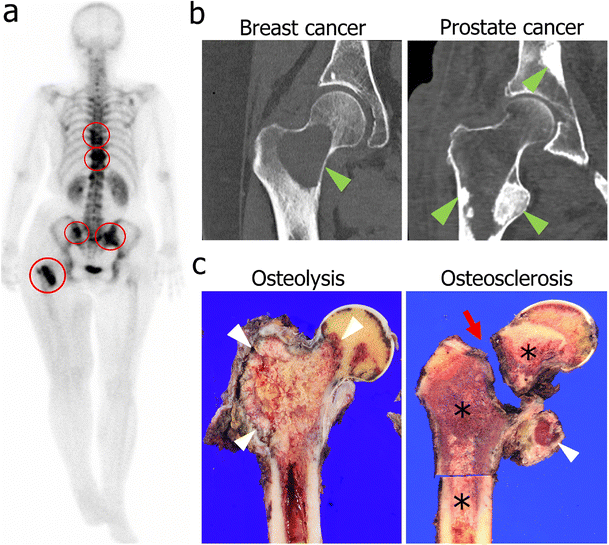
Clinical representation of bone metastasis
Certain cancers have a higher tendency to spread to the bones. I see this pattern repeatedly in clinical settings.
| Primary Cancer | Likelihood of Bone Spread |
|---|---|
| Breast cancer | Very common |
| Lung cancer | Common |
| Prostate cancer | Very common |
| Kidney cancer | Moderate |
| Thyroid cancer | Moderate |
Breast cancer and Lung cancer patients often undergo regular bone scans because early detection can make a huge difference in outcomes.
Symptoms You Should Never Ignore
Bone metastasis symptoms may start subtly and worsen over time. Many patients initially dismiss them as normal body aches.
Common symptoms include:
- Persistent bone pain, especially at night
- Frequent fractures with minor injury
- Swelling or tenderness in bones
- Numbness or weakness if the spine is involved
If pain doesn’t improve with rest or painkillers, it needs immediate medical attention. Early evaluation can prevent serious complications.
Bone Metastasis vs Bone Cancer Stages
People often confuse bone metastasis with advanced bone cancer stages. Let me simplify this
| Condition / Stage | Meaning | Common Symptoms | Treatment Approaches |
|---|---|---|---|
| Bone metastasis | Cancer spreads to the bones from another organ (breast, lung, prostate, etc.). | Persistent bone pain, fractures, weakness, spinal pain, nerve compression | Radiation therapy, targeted therapy, immunotherapy, chemotherapy, bone-strengthening drugs, and pain management |
| Bone cancer – Stage 0 | Early-stage primary bone cancer, low-grade and confined to one bone | Mild pain, swelling, tenderness, sometimes no symptoms | Surgery to remove the tumour, close monitoring, and limited chemotherapy in selected cases |
| Bone cancer – Stage 1 | High-grade cancer is still limited to one bone | Increasing pain, swelling, and reduced movement | Surgery combined with chemotherapy, sometimes radiation therapy |
| Bone cancer – Stage 2 | Cancer is present in multiple areas of the same bone | Severe pain, visible swelling, restricted movement, weakness | Aggressive surgery, chemotherapy, and possible radiation therapy |
| Bone cancer – Stage 3 | Cancer spreads to nearby organs, usually the lungs | Bone pain, breathing difficulty, fatigue | Surgery, chemotherapy, targeted therapy, radiation therapy |
| Bone cancer – Stage 4 | Cancer spreads to distant organs or other bones | Severe pain, fractures, weight loss, weakness | Systemic therapies (chemotherapy, immunotherapy, targeted therapy), radiation, palliative care |
While ‘bone cancer 3rd stage‘ and ‘bone cancer 4 stage’ refer to primary bone tumours, metastasis is secondary. Treatment strategies are therefore very different.
Diagnosis: How Doctors Confirm Bone Metastasis
Diagnosis involves a combination of imaging and tests. No single test gives the full picture.
| Test | Purpose |
|---|---|
| Bone scan | Detects abnormal bone activity |
| PET-CT | Identifies active cancer spread |
| MRI | Checks spinal and nerve involvement |
| Biopsy | Confirms cancer type |
I always encourage patients to ask questions during diagnosis. Understanding what each test shows reduces anxiety and builds trust in the treatment plan.
Treatment Goals for Bone Metastasis
Treatment is personalized and goal-oriented. Doctors look beyond just killing cancer cells.
The main goals include:
- Controlling cancer growth
- Relieving pain and discomfort
- Preventing fractures and spinal compression
- Improving mobility and independence
Even when cure is not possible, meaningful improvement is absolutely achievable.
Role of Radiation Therapy
Radiation therapy is one of the most effective treatments for bone metastasis pain. It works by damaging cancer cells in the bone and reducing inflammation.
Benefits include:
- Rapid pain relief
- Strengthening weakened bones
- Preventing further damage
In many cases, patients feel relief within a few weeks. Radiation is often combined with other therapies for better results.
Targeted Therapy: Precision Treatment
Targeted therapy focuses on specific genetic or molecular features of cancer cells. Unlike chemotherapy, it spares most healthy cells.
| Benefit | Why It Matters |
|---|---|
| Precision | Attacks cancer directly |
| Fewer side effects | Better tolerance |
| Long-term control | Slows disease progression |
Targeted therapy for treating cancer has transformed outcomes, especially in cancers like breast and lung cancer with known mutations.
Immunotherapy and Bone Metastasis
Immunotherapy helps the body’s immune system recognize and destroy cancer cells. It has shown promising results in advanced cancers.
Patients with lung cancer and melanoma often respond well to immunotherapy. While not suitable for everyone, it can dramatically extend survival in selected cases. Doctors evaluate biomarkers to decide eligibility.
Medications That Strengthen Bones
Certain drugs protect bones and reduce complications. These are often overlooked but extremely important.
| Medication Type | Purpose |
|---|---|
| Bisphosphonates | Reduce bone breakdown |
| Denosumab | Strengthens bone structure |
| Calcium & Vitamin D | Supports bone health |
These medications lower fracture risk and improve daily comfort.
Pain Management: Living Comfortably Matters
Pain control is not optional; it is essential. I always remind patients that suffering is not a requirement of treatment.
Pain relief options include:
- Oral pain medications
- Nerve blocks
- Radiation therapy
- Physiotherapy
Good pain management allows patients to sleep better, move freely, and maintain dignity.
Lifestyle Tips for Patients with Bone Metastasis
Small daily choices can make a big difference.
Helpful tips:
- Use supportive footwear to avoid falls
- Avoid heavy lifting
- Follow a calcium-rich diet
- Stay gently active with guidance
I have seen patients regain confidence simply by learning how to move safely.
Emotional and Mental Health Support
Living with bone metastasis affects the mind as much as the body. Anxiety and fear are very real.
Talking to counselors, joining support groups, and involving family members helps tremendously. Emotional strength often improves physical resilience. Healing is not only medical; it’s deeply human.
Choosing the Right Cancer Care Center
Advanced cancer needs advanced care. Access to multiple treatment options under one roof makes treatment smoother.
A specialised cancer treatment hospital in Bangalore offers integrated oncology, pain care, imaging, and rehabilitation. Experience matters when decisions are complex.
Final Thoughts
Living with bone metastasis is challenging, but it is not the end of hope. With modern treatments like immunotherapy, radiation therapy, and targeted therapy, patients can live longer and better.
Choosing the best cancer hospital in Bangalore can make a real difference in outcomes and peace of mind. I have seen how compassionate, advanced care at places like Dasappa Cancer Hospital helps patients move from fear to confidence, one step at a time.
Frequently Asked Questions
1. How do you slow down bone metastases?
Bone metastases can be slowed by treating the original cancer with therapies such as targeted therapy, immunotherapy, chemotherapy, and hormone therapy. Medications like bisphosphonates or denosumab help protect bones and reduce damage. Radiation therapy also plays a key role in controlling tumor growth within bones.
2. What stage of cancer does bone metastasis occur?
Bone metastasis usually occurs in advanced or stage 4 cancer, when cancer has spread beyond its original site. However, in some cancers like breast or prostate cancer, bone spread may be detected earlier with routine scans. The stage depends on the primary cancer, not just bone involvement.
3. What is the best treatment for metastatic bone pain?
Radiation therapy is considered the most effective treatment for metastatic bone pain, as it directly targets cancer cells in the bone. Pain-relieving medications, bone-strengthening drugs, and nerve blocks are often used together for better relief. A combination approach gives the best comfort.
4. What treatment options are available to manage bone metastasis?
Management includes radiation therapy, targeted therapy, immunotherapy, chemotherapy, hormone therapy, and bone-strengthening medications. Surgery may be used to stabilize bones at risk of fracture. Treatment plans are personalized based on cancer type, spread, and overall health.
5. Does early detection of bone metastasis improve treatment outcomes?
Yes, early detection significantly improves treatment outcomes by allowing timely intervention before complications occur. Early treatment helps reduce pain, prevent fractures, and slow disease progression. It also gives patients more treatment options and a better quality of life.
Reference:
1. https://my.clevelandclinic.org/health/diseases/bone-metastasis
Image source:
1. https://my.clevelandclinic.org/health/diseases/bone-metastasis