
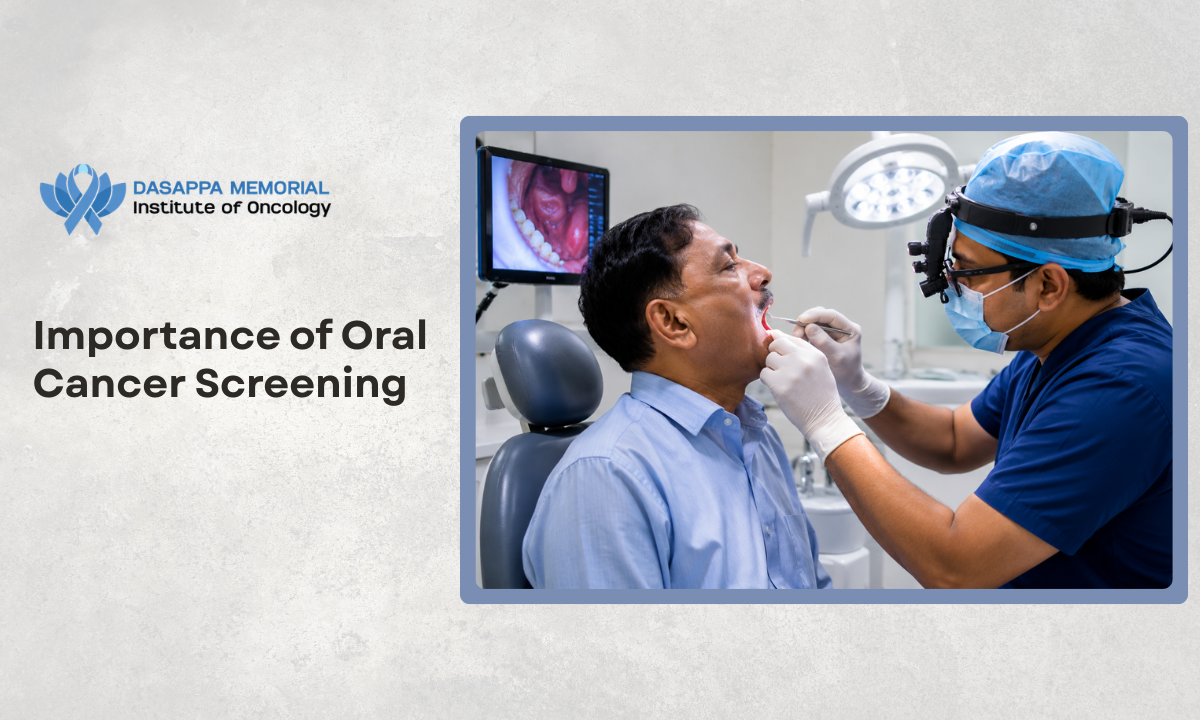
When most people schedule a standard dental checkup, they are only thinking about preventing cavities and maintaining a bright smile. However, sitting in the dentist’s chair provides a critical opportunity for early tumor detection. A routine oral cancer screening takes only a few minutes but serves as the absolute first line of defense against a highly aggressive disease.
During this quick visual and physical exam, your dentist can spot dangerous cellular changes in your mouth, tongue, and throat long before you ever feel physical pain.
Catching these microscopic abnormalities early is the single most important factor in securing a successful recovery.
If a suspicious lesion is found, seeking immediate care at the Best Cancer Treatment Hospital in Bangalore ensures that you receive an accurate diagnosis without delay. By choosing the Best Cancer Hospital in Bangalore, you gain direct access to specialized oncologists who can evaluate the physical findings and create a highly effective treatment plan before the condition ever has the chance to spread.
Let us explore the main triggers of this disease and how you can actively protect your oral health.
Medical Disclaimer
The information provided in this article is strictly for educational purposes and does not replace professional medical advice, formal diagnosis, or specialized clinical treatment. Always consult directly with a qualified dentist or oncologist regarding your specific physical symptoms, health concerns, and screening eligibility. Never ignore medical warnings or delay seeking professional care based on the contents of this guide.
Understanding the Primary Triggers

To effectively protect your mouth and throat, you must understand exactly what triggers malignant cellular changes. A single cause of oral cancer is rarely responsible for the disease. Instead, it is usually a combination of lifestyle choices and environmental exposures that slowly damage the healthy DNA inside your mouth over time.
Identifying these specific risk factors helps you take immediate action to protect your cellular health.
- Heavy Tobacco Use: Whether it is smoking cigarettes, smoking cigars, or chewing smokeless tobacco, this remains the absolute highest risk factor. Tobacco products constantly bathe your oral tissues in aggressive and highly toxic chemicals that rapidly destroy healthy cells.
- Excessive Alcohol Consumption: Drinking heavily, regularly, severely dehydrates your oral tissues and weakens your cellular walls. When combined with tobacco use, alcohol acts as a dangerous solvent that allows cancer-causing chemicals to penetrate deep into your mouth and throat.
- The Rising Threat of HPV: The human papillomavirus is quickly becoming a leading trigger for tumors found in the back of the throat and the base of the tongue. This common viral infection can silently alter your cellular structure and cause aggressive tumor growth even in younger patients who have never used tobacco or alcohol.
- Prolonged Sun Exposure: Many people forget that the lips are highly vulnerable to solar radiation. Constant and unprotected exposure to ultraviolet rays from the sun can easily trigger malignant cellular changes directly on your lower lip over time.
By understanding these specific triggers, you can accurately evaluate your own personal risk level. Taking deliberate steps to minimize your daily exposure to these harmful elements is the most effective way to maintain a healthy mouth and prevent dangerous tumors from forming in the future.
Identifying the Red Flags
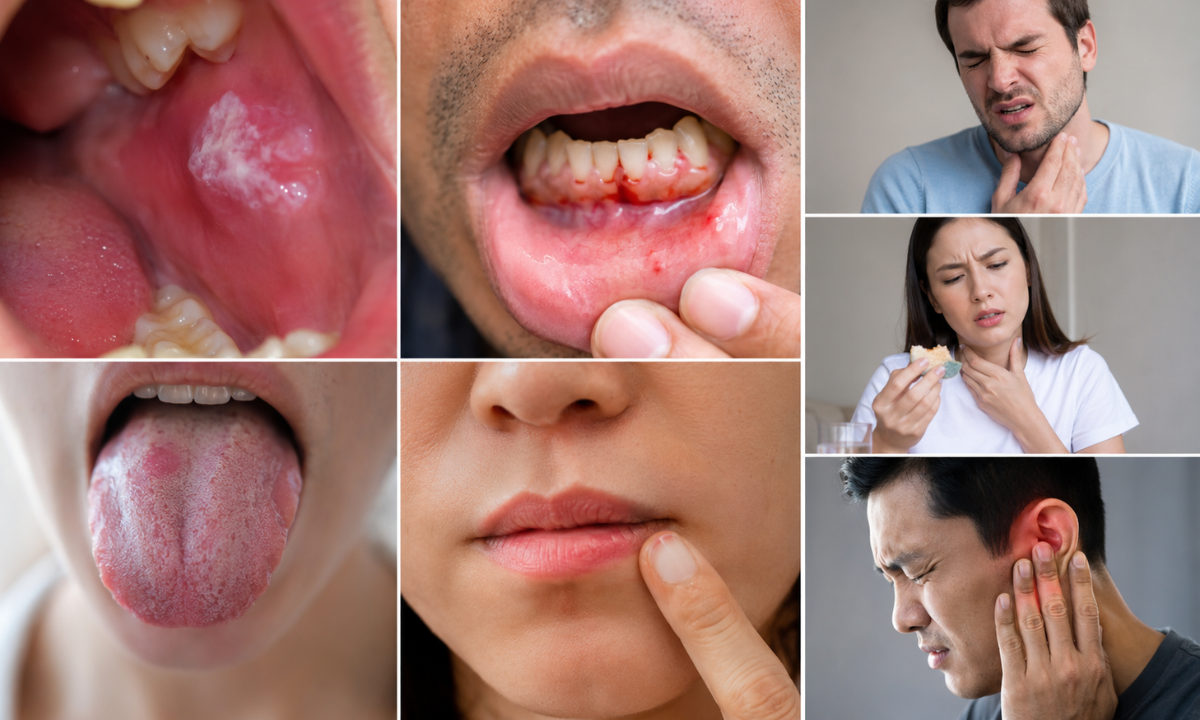
Because you use your mouth every single day to eat and speak, it is relatively easy to notice when something feels wrong. The key to early detection is knowing exactly which physical changes require immediate medical attention. Paying close attention to the early signs of oral cancer can drastically improve your chances of a full recovery because it allows your doctor to treat the condition before it spreads to your lymph nodes or neck.
The first step in protecting yourself is recognizing the visual changes that occur on the surface of your oral tissues.
- Discolored Patches: Finding bright red or stark white patches anywhere on your gums, tongue, or the lining of your cheeks is a major warning sign.
- Unexplained Bleeding: Healthy gums should not bleed constantly. If you experience random and unprovoked bleeding in your mouth without any recent trauma, it requires a professional examination.
- Strange Lumps or Bumps: Developing thick and hard spots or rough, crusty areas on your lips or inside your cheeks often indicates abnormal cellular growth.
Checking your mouth in the mirror regularly helps you notice these physical changes before they ever become painful or severe.
As the condition progresses, the symptoms often shift from visual changes to painful physical sensations. We have categorized these specific warnings to help you understand exactly when to take action.
| Stage of Development | Physical Warning Signs | Required Patient Action |
|---|---|---|
| Early Indicators | Small, painless sores that refuse to heal. Minor voice changes or a sudden and persistent hoarseness. | Schedule a thorough visual screening with your dentist within two weeks. |
| Moderate Progression | Noticeable pain while chewing or swallowing. A constant feeling that something is permanently caught in your throat. | Book an evaluation with a specialized doctor immediately. |
| Advanced Spread | Severe jaw pain. Unexplained numbness in your tongue or lips. Loosening of adult teeth without any obvious dental disease. | Visit a dedicated oncology hospital for comprehensive diagnostic testing. |
Beyond what you can visually see, you must also pay close attention to the internal physical sensations inside your mouth and throat.
- Difficulty Swallowing: If eating your normal meals suddenly becomes painful or if food constantly feels stuck in your lower throat, you need an immediate clinical evaluation.
- Persistent Numbness: A sudden and unexplained loss of feeling in your lower lip, tongue, or facial muscles is a strong indicator of nerve damage caused by a hidden growing tumor.
- Chronic Ear Aches: Many people do not realize that persistent pain in one ear without any actual hearing loss or ear infection is a common sign of a tumor located in the back of the throat.
You should never ignore persistent physical discomfort in your head or neck area. Always seek a professional medical evaluation if any of these unusual sensations last longer than fourteen days.
Spotting the Difference in Sores
One of the most common reasons patients delay seeking medical care is simple confusion over a new spot in their mouth. Understanding the exact difference between a mouth ulcer and oral cancer is critical for knowing when to wait and when to call a doctor immediately. Both conditions can look surprisingly similar at first glance, but they behave in entirely different ways over time.
Here is exactly how you can tell the difference between a harmless canker sore and a dangerous malignant lesion.
- Initial Pain Levels: A standard mouth ulcer is usually extremely painful the very moment it appears, making it very difficult to eat or drink hot liquids. A malignant tumor often starts as a completely painless spot that you might only notice by accident while brushing your teeth.
- The Healing Timeline: A harmless canker sore will peak in pain for a few days and completely disappear on its own within two weeks. A dangerous cancerous lesion will absolutely never heal on its own and will actually continue to grow larger over time.
- Physical Texture: Standard mouth ulcers are usually flat with a soft white center and a bright red border. A malignant sore typically feels thick and hard to the touch, and it may bleed easily when you accidentally brush against it with your tongue or a toothbrush.
- Response to Medication: Over-the-counter numbing gels and standard mouthwashes will quickly soothe a normal ulcer and speed up the natural healing process. These same treatments will have absolutely zero physical effect on a cancerous growth.
Learning to spot these specific differences empowers you to make smart decisions about your daily oral health. If you ever find a painless spot or a strange bump that refuses to heal completely after fourteen days, you must stop waiting and schedule a professional clinical evaluation right away.
The Power of Public Knowledge
The simple truth about this disease is that it is highly treatable when it is caught early. Because the inside of the mouth is so easy to examine visually, the survival rates are incredibly high for patients who act quickly. The biggest challenge that oncologists face today is a general lack of widespread public education. Spreading genuine awareness of oral cancer is absolutely critical for saving lives in our community.
When people understand the specific risk factors and know exactly what physical changes to look for, they stop ignoring the early warning signs. This vital knowledge completely changes the way people approach their dental visits. Instead of simply waiting for a dentist to find a problem by accident, educated individuals actively request a thorough physical screening during their standard dental cleanings.
Empowering the public with the right information, we can make early detection a normal part of routine healthcare and drastically reduce the number of severe cases diagnosed each year.
Why Choose Dasappa Cancer Hospital? Taking Control of Your Oral Health
While routine clinical screenings are essential, the best way to protect yourself is through the active prevention of oral cancer. You have the power to drastically reduce your personal risk by making smart and deliberate daily choices.
Here are the most effective steps you can take every single day to maintain a perfectly healthy mouth.
- Eliminate Tobacco Products: Quitting all forms of smoking and chewing tobacco is the single most powerful step you can take to stop dangerous cellular damage in your mouth and throat.
- Maintain Rigorous Dental Hygiene: Brushing your teeth twice a day and flossing regularly removes harmful bacteria and prevents the chronic gum inflammation that can weaken your cellular walls over time.
- Eat a Nutrient-Dense Diet: Filling your daily diet with fresh fruits and crisp vegetables provides your body with essential vitamins and antioxidants that help repair damaged cells.
- Limit Alcohol Intake: Keeping your alcohol consumption to a minimum protects your sensitive oral tissues from severe dehydration and dangerous chemical absorption.
Committing to these protective daily habits serves as your absolute strongest shield against this aggressive disease. By combining a healthy lifestyle with regular dental visits, you take proactive control of your long-term health and ensure your mouth remains fully functional for years to come.
Conclusion
Finding a suspicious and non-healing spot in your mouth can be a highly stressful experience, but you do not have to face it alone. Dasappa Cancer Hospital is completely dedicated to providing the precise and compassionate oncological care you need.
Our specialized team uses the most advanced diagnostic tools available today to evaluate your oral health and deliver perfectly accurate answers fast. If you have noticed a strange bump, an unusual color change, or a painless sore that simply refuses to heal after two weeks, do not wait for the physical pain to start.
Contact our expert team today for a comprehensive clinical evaluation and secure absolute peace of mind for your future.