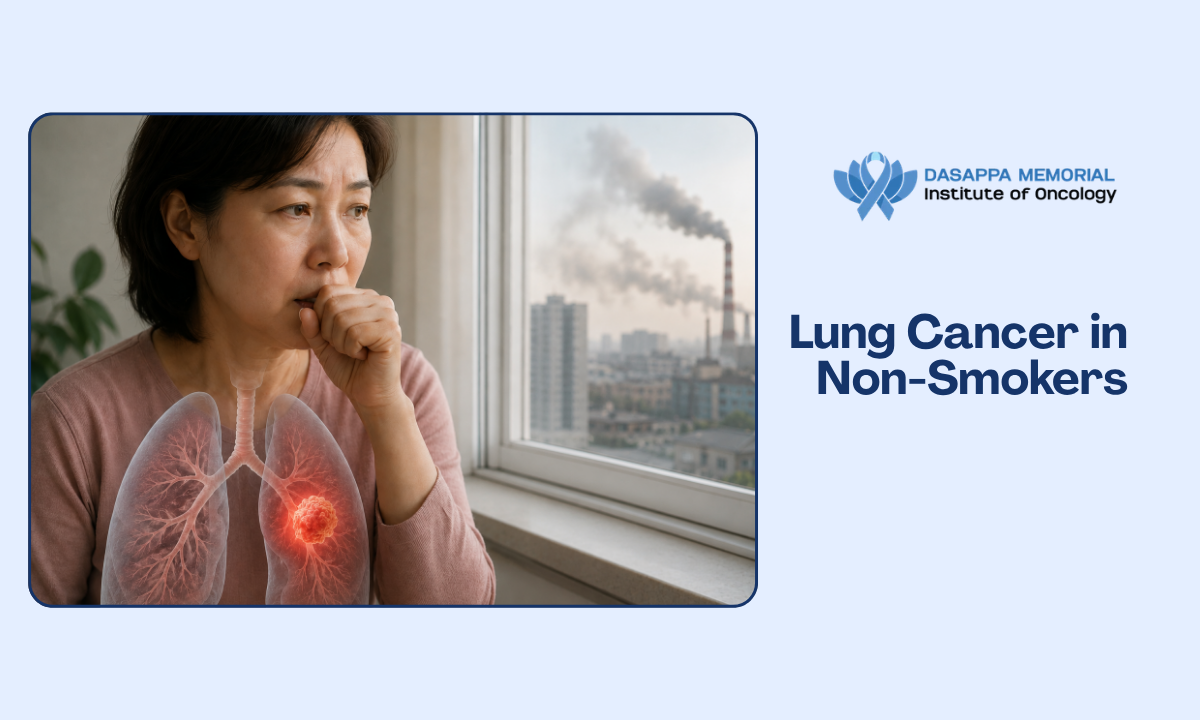
When people think about respiratory tumors, they almost always associate the condition with a lifetime of smoking cigarettes.
However, a significant percentage of patients diagnosed with this aggressive disease have never touched a tobacco product in their lives. The rising incidence of lung cancer among non-smokers highlights the urgent need to look beyond traditional risk factors and understand the hidden environmental and genetic triggers that cause cellular damage.
Recognizing these invisible threats, individuals can take proactive steps toward prevention and seek early medical intervention. If you or a loved one is facing a complex diagnosis, securing advanced Lung Cancer Treatment in Bangalore is the most critical step for a positive outcome. By trusting the Best Cancer Hospital in Bangalore, you gain access to specialized oncologists who understand the unique biology of tumors in patients who do not smoke.
Let us explore the hidden causes of this disease and how you can protect your long-term respiratory health.
Medical Disclaimer
The information provided in this article is strictly for educational purposes and does not replace professional medical advice, formal diagnosis, or specialized clinical treatment. Always consult directly with a qualified doctor or oncologist regarding your specific physical symptoms, health concerns, and screening eligibility. Never ignore medical warnings or delay seeking professional care based on the contents of this guide.
Hidden Environmental Triggers
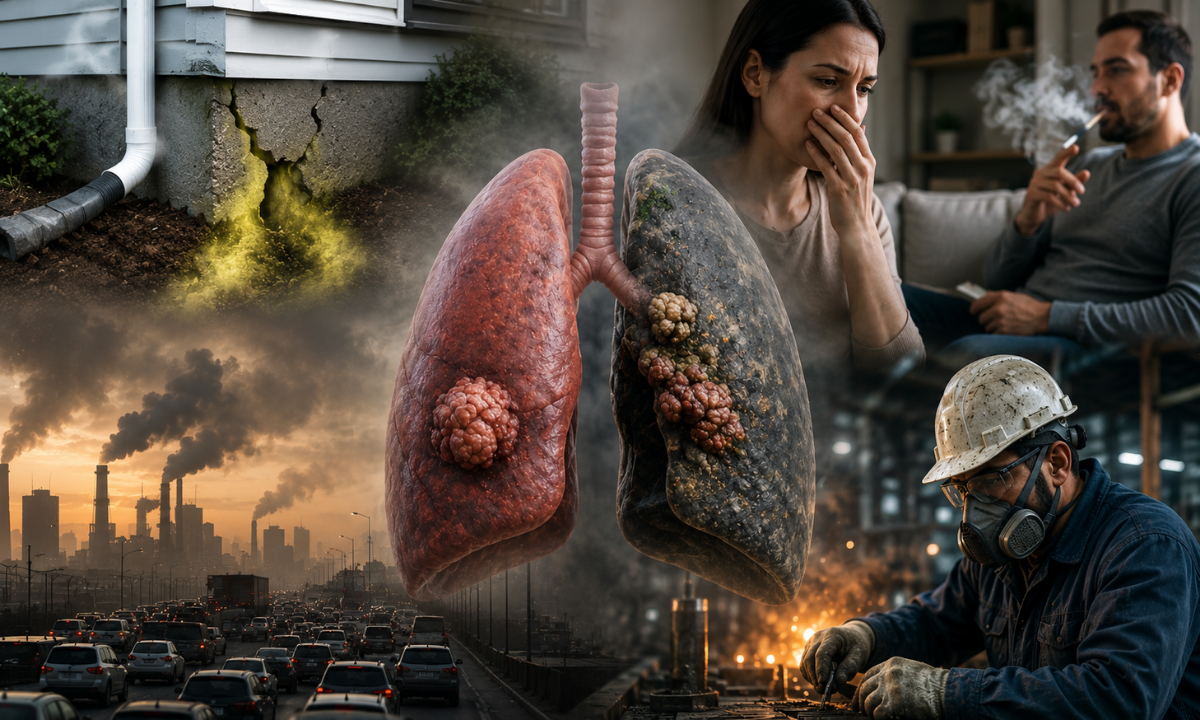
When you remove tobacco from the equation, you have to look at the invisible elements we breathe every single day.
Your lungs are constantly exposed to the outside world. Even if you maintain a perfectly healthy lifestyle, certain environmental hazards can silently damage your respiratory cells over years or decades. This prolonged exposure creates microscopic inflammation and cellular changes that eventually lead to abnormal tumor growth.
Understanding these invisible triggers is the most effective way to protect your long-term health.
- Naturally Occurring Radon Gas: This is the leading cause of respiratory tumors in people who do not smoke.
Radon is a completely invisible, odorless, and tasteless radioactive gas that naturally rises from the soil and decaying rock beneath our feet. It often seeps through foundation cracks and gets trapped inside poorly ventilated homes or office buildings. Because you cannot see or smell it, people can breathe in high levels of this dangerous gas for decades without ever knowing it.
- The Impact of Secondhand Smoke: Living or working closely with someone who smokes puts your lungs at severe risk. Secondhand smoke contains the same toxic chemicals and cancer-causing agents as direct smoke.
When you constantly inhale this residual smoke in enclosed spaces like homes or cars, it heavily damages your healthy lung tissue over time.
- Microscopic Air Pollution: As cities grow, so does the concentration of fine particulate matter in the air we breathe. This includes thick vehicle exhaust, heavy industrial smog, and indoor pollution from certain types of cooking fuels.
These microscopic particles are small enough to travel deep into your lower lungs, causing chronic inflammation that can eventually trigger malignant cell growth.
- Toxic Workplace Exposures: Certain professions expose workers to highly dangerous airborne chemicals daily. Long term exposure to industrial materials like microscopic asbestos fibers, arsenic, chromium, and heavy diesel exhaust significantly increases your risk of developing lung complications later in life.
After identifying these specific environmental factors, medical specialists can accurately determine the root cause of the cellular damage and help you immediately minimize your daily exposure.
Genetic Mutations and Cellular Changes
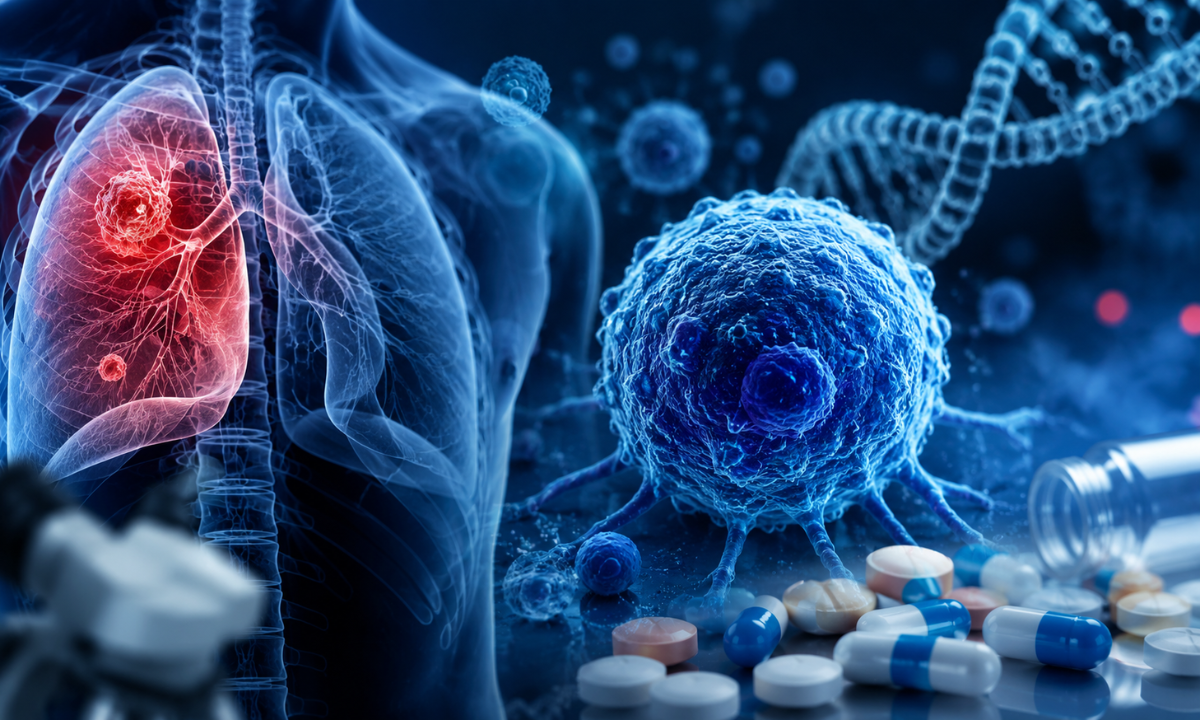
When a person who does not smoke develops a respiratory tumor, the underlying biology of the disease is fundamentally different from that of a tobacco-related cancer. In a healthy body, your genes act as an instruction manual telling your cells exactly when to grow and when to stop.
However, hidden environmental damage or inherited factors can cause these genetic instructions to misfire. This creates specific driver mutations that act like a broken switch, getting stuck in the on position and forcing the cells to multiply rapidly.
Because the biology is different, these tumors often contain distinct genetic markers that doctors can identify through advanced laboratory testing.
- EGFR Mutations: This is the most frequent genetic target found in patients who have never smoked. It often appears in women and individuals of Asian descent. These specific tumors respond exceptionally well to targeted oral medications called EGFR inhibitors instead of traditional chemotherapy.
- ALK Rearrangements: This specific genetic change occurs frequently in younger patients who do not have a history of tobacco use. Tumors with this mutation require specialized ALK inhibitor drugs to stop their growth. These advanced medications are highly effective and can even reach tumors that have spread to the brain.
- ROS1 Alterations: While this is a rare mutation, it almost exclusively affects younger people who have never smoked. When doctors identify this specific genetic marker, they can use highly targeted therapies that shrink the tumor rapidly with success rates often exceeding seventy percent.
Identifying these exact genetic changes is a critical step in modern oncology. Pinpointing the specific mutation driving the cancer, specialists at a premier facility can bypass standard chemotherapy and use precision medicine to attack the tumor directly.
Identifying the Warning Signs

Because tumors in patients who have never smoked often grow slowly in the outer edges of the lungs, identifying the physical red flags early can be incredibly challenging. Many people mistake the initial signs for a lingering cold, a minor respiratory infection, or just standard seasonal allergies. However, learning to recognize specific lung cancer symptoms for non-smokers is vital for securing a fast and accurate medical evaluation.
The early symptoms lung cancer non-smokers experience often differ slightly from the severe hacking cough commonly seen in heavy tobacco users. To help you monitor your respiratory health accurately, we have categorized the warning signs from early indicators to advanced lung cancer symptoms.
| Stage of Development | Specific Physical Warning Signs | When to Seek Medical Attention |
|---|---|---|
| Early Indicators | A new dry cough that lasts longer than three weeks and does not respond to standard cold medicine. Unexplained shortness of breath during routine daily activities. | Visit a specialist if these issues persist for more than a month without any clear underlying illness. |
| Moderate Progression | A constant dull ache in the chest, back, or shoulders that worsens when you laugh or take a deep breath. Coughing up rust-colored phlegm or small amounts of blood. | Book an immediate clinical evaluation to rule out serious structural damage to the airways. |
| Advanced Spread | Unexplained and severe bone pain. Sudden chronic headaches, dizziness, or noticeable swelling around your face and neck. | Go to an advanced medical facility immediately for comprehensive diagnostic imaging. |
As these tumors can remain silent for so long, understanding exactly when to seek help is critical. While there are currently no universal medical guidelines regarding lung cancer screening for non-smokers who do not have a strong family history, taking your physical symptoms seriously can save your life.
You should pay close attention to the following persistent issues:
- The Lingering Dry Cough: This is the most common early warning sign. If you have a cough that changes in tone or refuses to go away after a few weeks, it requires a professional evaluation.
- Unexpected Fatigue and Weight Loss: Tumors consume a massive amount of your body’s energy. If you are losing weight rapidly without changing your diet or feeling constantly exhausted, it is a major clinical red flag.
- Frequent Lung Infections: If you find yourself repeatedly suffering from bronchitis or pneumonia that simply will not clear up, an underlying tumor may be blocking your airways and trapping bacteria inside your lungs.
Monitoring these changes and discussing them immediately with an experienced oncologist ensures that you do not lose precious time. Catching these subtle indicators before they progress allows for a much wider range of treatment options and significantly improves long-term outcomes.
Why Choose Dasappa Cancer Hospital? The Dasappa Cancer Hospital Advantage
Facing a complex diagnosis requires a medical team that understands the unique nature of your condition. Dasappa Cancer Hospital stands as a premier destination for advanced oncological care. Founded by the esteemed Dr Pandu Dasappa, our facility is entirely dedicated to providing precise, compassionate, and highly effective treatment tailored to the specific biology of your disease.
We utilize the latest advancements in modern medicine to deliver exceptional patient outcomes.
- Advanced Genetic Profiling: We do not rely on a generic approach to treatment. Our facility performs comprehensive genetic sequencing on tumor tissue to pinpoint the exact cellular mutations driving your specific disease.
- Specialized Surgical Oncology: Our highly trained surgical department specializes in precise, minimally invasive procedures. This advanced surgical approach safely removes abnormal growths while actively preserving as much of your healthy respiratory tissue as possible.
- Personalized Targeted Therapy: By understanding the precise genetic makeup of your tumor, our specialized oncologists can deploy the latest targeted medications. These advanced drugs attack the cancer cells directly without subjecting your entire body to the harsh side effects of traditional chemotherapy.
Choosing the right medical partner makes a monumental difference in your recovery journey. By combining cutting-edge technology with unwavering patient support, our dedicated team ensures you receive the most sophisticated and effective care available today.
Conclusion
Finding a respiratory tumor in its earliest stages drastically increases your overall survival rate and opens the door to far more effective treatment options. You do not have to wait for chronic pain or a persistent cough to prioritize your long-term health. If you know you have been exposed to high levels of radon gas, constant secondhand smoke, or hazardous workplace chemicals, taking proactive steps is your strongest defense.
We highly encourage individuals with high-risk environmental exposures to contact our expert team today and ask about lung cancer screening for non-smokers at our facility. Getting a comprehensive clinical evaluation allows you to take complete control of your respiratory health and secure absolute peace of mind for your future.