


When a patient sits in an oncologist’s office and hears their treatment plan, a common wave of confusion sets in. “My aunt had breast cancer and only got radiation. Why do I need chemotherapy?” “Is one stronger than the other?” “Which one has fewer side effects?”
It is natural to view Chemo Vs Radiation as a choice between two competing options, like choosing between surgery and medication.
However, in the world of Oncological Treatment, this is a misconception.
They are not competitors; they are different tools in the same toolbox, each designed for a specific job.
The Best Way to Visualize It:
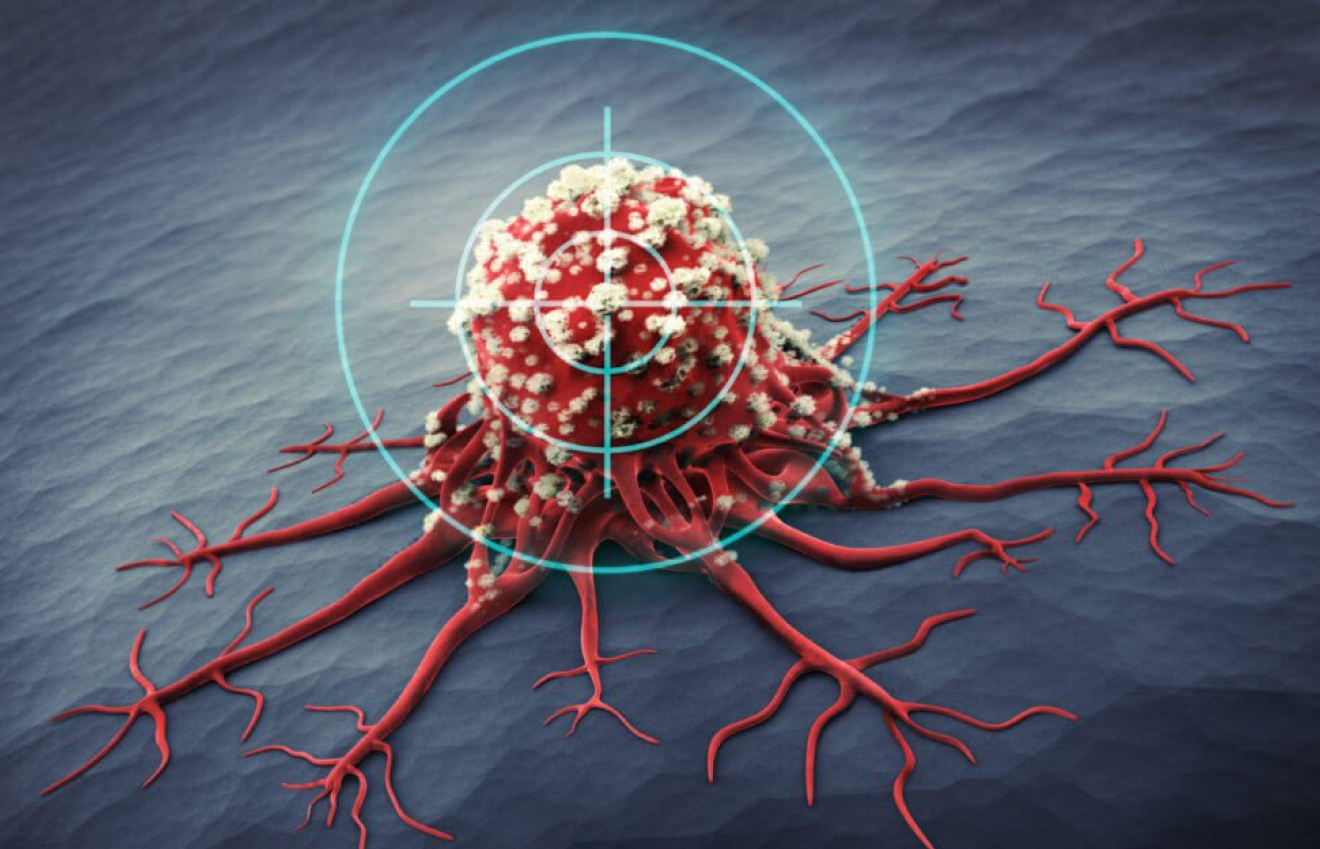
- Radiation Therapy is the Sniper. It is a local treatment. It aims a high-energy beam at a specific target (the tumor) to destroy it without touching the rest of the body.
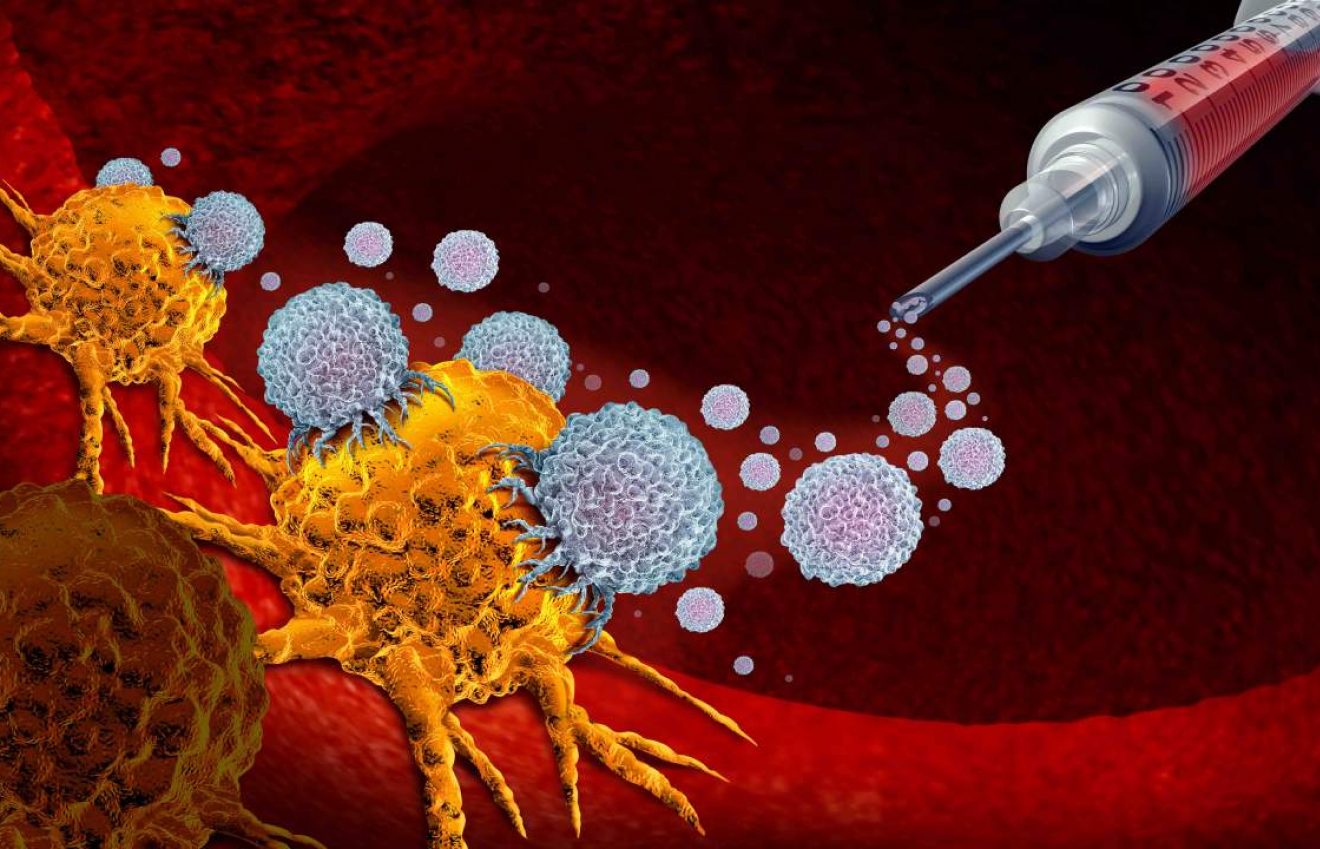
- Chemotherapy is the Cleaner. It is a systemic treatment. It travels through your entire bloodstream to hunt down cancer cells that may have escaped the main tumor and are hiding elsewhere in the body.
We often hear patients ask, “Which one is better?” The honest answer is: neither is “better. The right choice depends entirely on where the cancer is and how it behaves.
In this guide, we will break down the Key Differences in Oncological Treatment, helping you understand why your doctor chose your specific path—and why sometimes, using both together is the best strategy for a cure.
Medical Disclaimer
The information provided in this blog, including comparisons between Chemo Vs Radiation Therapy, is for general educational purposes only and does not constitute medical advice.
- Every cancer case is unique. Treatment plans involving Chemotherapy or Radiation Therapy (or both) are highly individualized based on the type, stage, and genetic profile of the tumor.
- Do not use this article to diagnose yourself or second-guess your oncologist’s prescription without a proper consultation.
Always seek the advice of a qualified healthcare provider or the Tumor Board at Dasappa Cancer Hospital with any questions you may have regarding your specific medical condition or treatment options, we are always with you whenever you need any help.
The Core Distinction: Systemic vs. Local
The Golden Rule of Oncology.
To understand the difference between Chemo Vs Radiation, you must first understand the two different ways cancer can exist in the body.
Cancer is either Localized (stuck in one place, like a tumor in the breast) or Systemic(microscopic cells floating in the blood, potentially spreading elsewhere).
Because the disease behaves in two ways, we need two different types of weapons.
A. Chemotherapy
Treating the whole body to save a life.
Think of your bloodstream as a highway system that connects every organ in your body. Chemotherapy utilizes this highway.
Whether you swallow a chemo pill or receive an IV infusion, the drug enters your blood. It travels from your head to your toes.
It hunts for fast-dividing cells anywhere they might be hiding. If a microscopic cancer cell has broken off from the main tumor and is floating near your liver, chemotherapy will find it and kill it.
Because it goes everywhere, it affects healthy cells that also divide fast—like your hair follicles (hair loss) and your stomach lining (nausea). This is why chemotherapy side effects are often felt “all over.”
Chemotherapy is like putting chlorine in a swimming pool. It circulates through the entire pool to ensure all the bacteria are gone, not just the ones you can see.
B. Radiation Therapy: The “Local” Precision Strike
Treating the tumor to save the organ.
Radiation Therapy (or Radiotherapy) is the exact opposite. It is intensely focused.
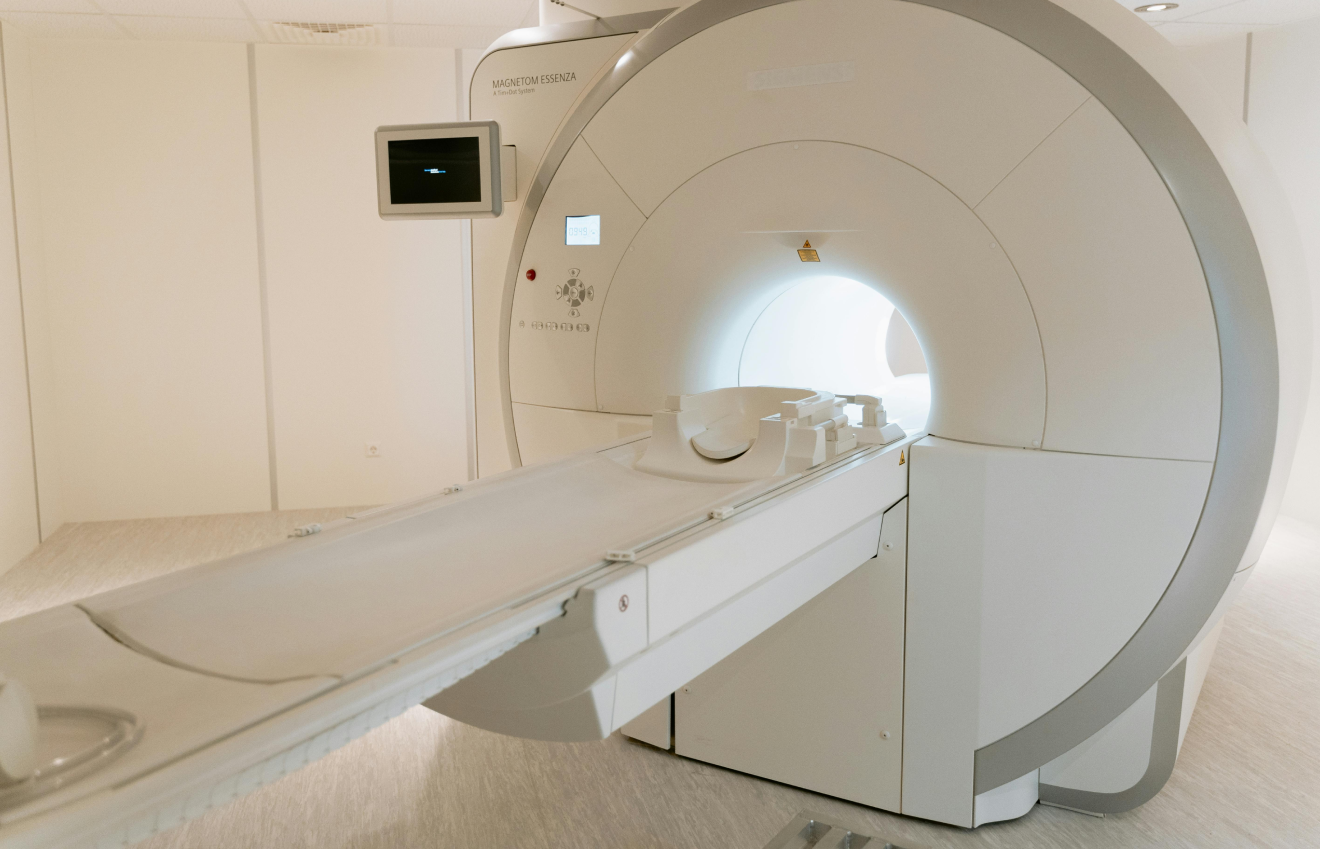
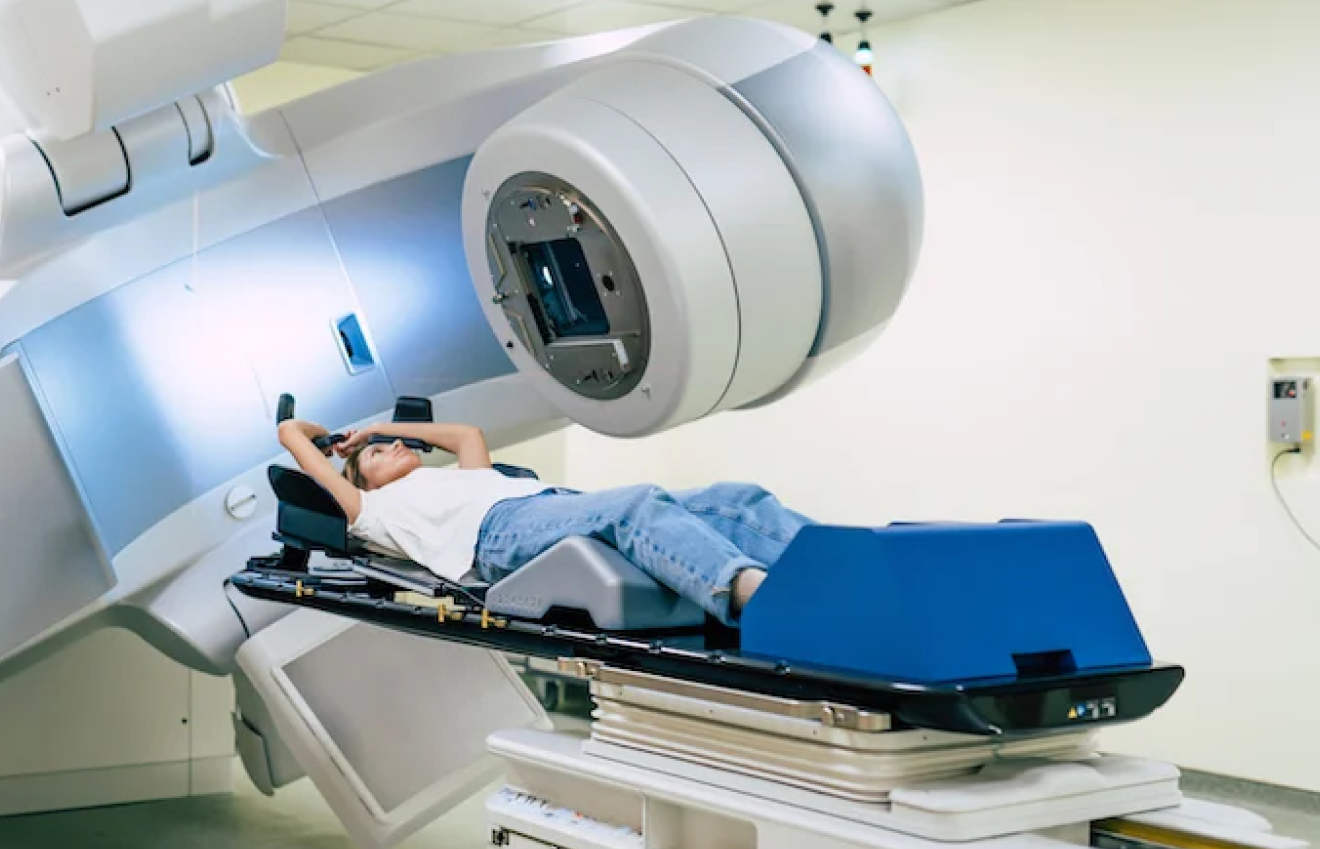
We use a massive machine called a LINAC (Linear Accelerator) to aim a high-energy beam of X-rays or protons at the specific tumor site.
To destroy the DNA of the cancer cells in that exact spot. The beam is shaped to match the tumor’s 3D profile perfectly.
If you are getting radiation for lung cancer, your big toe gets zero radiation. Your hair will not fall out (unless the radiation is aimed at your head).
It cannot kill cancer cells that have traveled outside the beam’s target area. If the cancer has spread to a different organ, radiation to the original tumor won’t help that distant spread.
Radiation is like using a laser to remove a specific stain on a shirt. It cleans that one spot perfectly, but it doesn’t touch the rest of the fabric.
Comparison Table: The Biological Difference
| Feature | Chemotherapy (Systemic) | Radiation Therapy (Local) |
|---|---|---|
| The Reach | Whole Body: Travels through the bloodstream to every organ. | Targeted: Affects only the specific area where the beam is aimed. |
| Delivery Method | IV Infusion (Drip) or Oral Pills. | External Machine (LINAC) or Internal Seeds (Brachytherapy). |
| Primary Target | Fast-dividing cells (Cancer + Hair + Gut). | DNA of cells within the target field. |
| Best Used For… | Cancers that have spread (Metastasis) or blood cancers (Leukemia). | Solid tumors (Breast, Prostate, Brain) that are contained in one area. |
| Side Effects | Widespread: Fatigue, Nausea, Hair Loss, Low Immunity. | Site-Specific: Skin redness (like a sunburn) at the target area. |
Clinical Insight: This distinction is why doctors often use both.
Let’s consider this example: A patient removes a breast tumor (Surgery). They get Radiation to sterilize the breast tissue (Local) AND Chemotherapy to kill any invisible cells floating in the blood (Systemic). This is the “Belt and Suspenders” approach to a cure.
Chemotherapy

The “Cleaner” that patrols the entire body.
If you imagine cancer cells as weeds in a garden, surgery pulls out the big weed, but Chemotherapy is the weed killer you spray over the entire garden to catch the tiny seeds you can’t see.
How It Actually Works: Cancer cells have one major flaw: they don’t know when to stop dividing. Normal cells divide only when needed; cancer cells divide uncontrollably.
Chemotherapy drugs are designed to hunt for rapidly dividing cells. When they find one, they damage its DNA so it cannot copy itself, causing the cell to die.
A. The Delivery: It’s Not Just an IV Drip

Many patients picture being stuck in a hospital bed with a needle in their arm for hours. While that is common, modern Oncological Treatment offers more freedom.
- Intravenous (IV): The standard method. The drug goes directly into a vein.
- Pro Tip: If you have “bad veins,” ask your Dasappa doctor about a Chemo Port. It’s a small coin-sized device placed under the skin of your chest. We plug the IV into the port (no pain!), sparing your arms from constant needle sticks.
- Oral Chemo (The “Pill”): For cancers like Colon or Lung, we now have high-strength chemotherapy pills (like Capecitabine) that you can take at home with a glass of water.
- Intrathecal: For Leukemia, we sometimes inject the drug into the spinal fluid to protect the brain.
B. The Rhythm: Understanding Cycles

Chemotherapy is never given all at once. It is given in Cycles. Why? Because we need to kill the cancer without killing you.
- The Attack Phase: You receive the drug (Day 1). It kills cancer cells, but it also lowers your White Blood Cell count (immunity).
- The Rest Phase: You get a break (e.g., 21 days) to let your healthy cells recover.
- The Repeat: Once your body is strong again, we hit the cancer with another dose before it can regrow.
Visualizing the Chemo Calendar (Sample 21-Day Cycle)
| Day 1: The Infusion | Days 2–5: | Days 7–14 | Days 15–21: The Recovery |
|---|---|---|---|
| You go to the Day Care Centre. You get the drug via IV. You feel fine (thanks to anti-nausea meds). | The steroids wear off. You might feel fatigue or “flu-like.” This is when most patients rest at home. | Your immunity is at its lowest (Nadir). You must avoid crowds and raw food to prevent infection. | Your blood counts bounce back. Energy returns. You feel almost normal again—just in time for the next cycle. |
C. The Collateral Damage (Why Hair Falls Out)

Remember, chemotherapy targets fast-dividing cells. Unfortunately, your body has some healthy cells that also divide fast:
- Hair Follicles: Result -> Hair Loss (Alopecia).
- Stomach Lining: Result -> Nausea or Diarrhea.
- Bone Marrow: Result -> Low Immunity (Neutropenia).
The Good News: Normal cells are smart—they can repair themselves. Cancer cells are stupid—they cannot. Once the chemo stops, your hair grows back, and your stomach heals, but the cancer stays dead.
Radiation Therapy (The Invisible Beam)

Surgery without a knife.
If Chemotherapy is the “poison” that travels everywhere, Radiation Therapy is the “sniper” that never misses.
Many patients are terrified of radiation because of old myths about “burning” or “becoming radioactive.” The Reality: Modern radiation is closer to receiving an X-ray than a burn.
You lie on a table, a machine moves around you, and you feel absolutely nothing.
A. The Mechanism: How Light Kills Cancer

Radiation uses high-energy particles (photons or protons) to penetrate the body and destroy the DNA of cancer cells.
When the beam hits the tumor, it breaks the DNA strands inside the cancer cells.
The cancer cell tries to divide but realizes its “instruction manual” (DNA) is shredded. It collapses and dies.
We use a machine called a Linear Accelerator (LINAC). It has “leaves” (Multileaf Collimators) that open and close to shape the beam exactly to the shape of your tumor—millimeter by millimeter.
B. The Process

Unlike Chemo (which is often once every 3 weeks), Radiation is usually a daily commitment.
- Step 1: The Simulation (The Map): Before treatment starts, you will have a “Simulation Day.” We take a CT scan to map your body.
- Step 2: The Tattoos: We might place 3 tiny permanent dots (tattoos) on your skin. These ensure we line you up in the same millimeter every single day.
- Step 3: The Treatment: You come in Monday through Friday.
- Time on Table: 10–15 minutes.
- Time “Zapping”: Only 1–2 minutes.
- Pain Level: Zero. It feels exactly like getting a chest X-ray.
C. The Two Types: Outside vs. Inside

Most people get “External Beam” radiation, but there is another way.
Table: External vs. Internal Radiation
| Feature | External Beam (EBRT) | Internal Radiation (Brachytherapy) |
|---|---|---|
| What is it? | A machine aims beams through your skin to the tumor. | We place radioactive “seeds” or wires inside the tumor. |
| Best For… | Breast, Lung, Brain, Head & Neck cancers. | Prostate, Cervical, and Uterine cancers. |
| Radioactive? | NO. Once the machine is off, no radiation remains in your body. You can hug your kids immediately. | YES (Temporarily). While the seeds are active inside you, you may need to stay in a shielded room for a few days. |
| Hospital Stay | Outpatient (Go home daily). | Inpatient (Usually 1–2 days). |
The Dasappa Advantage: We use IGRT (Image-Guided Radiation Therapy).
Tumors move. If you breathe, your lungs move. If your bladder is full, your prostate moves.
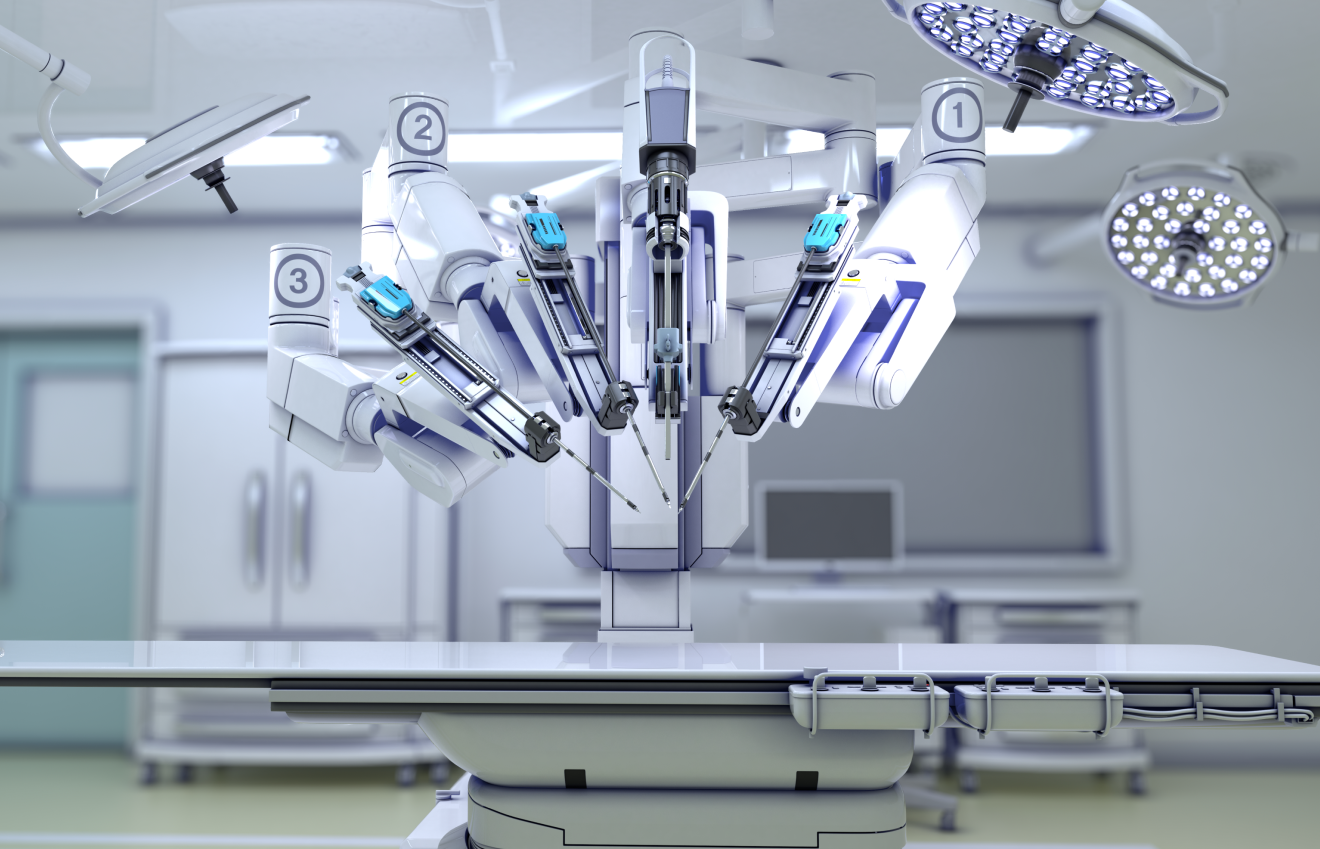
The Solution: Our machine takes a mini-scan before every single treatment. If the tumor has shifted by 2mm, the robotic table adjusts itself automatically. This ensures we hit cancer, not your healthy organs.
Side Effects & Logistics
What to expect when you go home.
The fear of treatment is often worse than the treatment itself. Patients hear horror stories and assume the worst. The truth is, Chemo Vs Radiation side effects are very different because of the “Systemic vs. Local” rule we discussed earlier.
A. The Side Effect “Lottery”
- Chemotherapy (The Shotgun): Because it travels everywhere, it affects cells that divide fast. This is why you lose hair (fast-growing cells) and get nausea (stomach lining cells).
- Radiation (The Sniper): You generally only have side effects where the beam hits. If you are getting radiation on your breast, you will not lose the hair on your head.
Table: Side Effects Comparison
| Feature | Chemotherapy | Radiation Therapy |
|---|---|---|
| Hair Loss | Yes (Often Total). Affects scalp, eyebrows, and lashes. | No (Unless treating the head). Only affects the specific area being treated (e.g., chest hair). |
| Skin Changes | Dryness, rashes, or brittle nails all over the body. | “Sunburn” Effect. The skin only at the treatment spot may turn red, peel, or itch. |
| Nausea/Vomiting | Common. Because chemo irritates the stomach lining and the brain’s “vomit centre.” | Rare. Unless we are radiating the stomach or brain directly. |
| Fatigue | “The Crash.” Hits hard a few days after infusion, then you recover. | “The Slow Drain.” You feel fine at first, but get more tired each week (cumulative effect). |
| Immunity | Low. The risk of infection (Neutropenia) is high. You must avoid crowds. | Normal. Usually, it does not affect your immune system significantly. |
B. The Logistics: Time Commitment
This is often the deciding factor for patients who are still working.
- Chemotherapy
- You might come to the hospital once every 3 weeks.
- The Day: It’s a long day (4–6 hours). You get blood tests, see the doctor, and get the infusion.
- The In-Between: You are at home for the next 20 days recovering.
- Radiation
- You come to the hospital every single day (Monday to Friday) for 5 to 7 weeks.
- The Day: It is super fast. You are in and out in 30 minutes. You can often drive yourself and go straight to work afterwards.
- The Weekend: You get Saturdays and Sundays off to let your healthy cells repair.
Other Side Effects
- Chemo Brain: Many patients report a mental fog or forgetfulness during chemo. It usually clears up after treatment ends.
- Radiation Fibrosis: Years later, the tissue where you got radiation might feel slightly stiffer or “woody” due to scar tissue.
Concurrent Chemoradiation
Why choose one when you can use both to win?
A common fear patients express is: “My doctor ordered both Chemo AND Radiation. Does this mean my cancer is really bad?”
The Answer: Not necessarily. In modern oncology, using both treatments simultaneously—called Concurrent Chemoradiation (CCRT)—is often the “Gold Standard” for curing cancers of the Head & Neck, Lung, and Cervix.
A. The Logic: 1 + 1 = 3 (Synergy)
We don’t just use them together to “do more.” We use them because they help each other work better. This is called Radiosensitization.
Chemotherapy drugs (like Cisplatin) act as a “sensitizer.” They slip into the cancer cell’s DNA and prevent it from repairing itself.
When the Radiation beam hits that weakened cell a few hours later, the DNA shatters completely.
The radiation becomes more effective than it would have been alone. The chemo makes the tumor “soft,” and the radiation delivers the “knockout punch.”
B. The Order of Operations
Sometimes, we don’t give them at the same time. The sequence matters.
- Neoadjuvant (Chemo BEFORE Surgery/Radiation):
- Goal: To shrink a giant tumor so the surgeon can remove it easily.
- Adjuvant (Chemo AFTER Surgery/Radiation):
- Goal: To “mop up” any microscopic cells left behind.
- Concurrent (Chemo WITH Radiation):
- Goal: To maximize the killing power (Synergy). This is the most aggressive approach.
C. The Reality Check: It Is Tougher
We must be honest: receiving both treatments at once is harder on the body.
- Side Effects: You get the nausea of chemo plus the skin irritation of radiation.
- Nutritional Challenge: For throat cancer patients, swallowing becomes very painful.
The Dasappa Support: This is why our Nutritionists and Pain Specialists are involved from Day 1. We know it’s a steep mountain to climb, but the view from the top (a potential cure) is worth it.
Why Choose Dasappa Cancer Hospital for Your Oncology Treatment?
Precision, Technology, and Compassion under one roof.
Deciding between Chemo Vs Radiation or knowing exactly when to combine them is not just a medical decision; it is a complex mathematical calculation.
It requires analyzing your tumor’s unique genetics, your body’s specific anatomy, and your overall health profile.
This is why patients trust Dasappa, a leading Cancer hospital in Bangalore, for their care.
We do not believe in a one-size-fits-all approach. Here is what sets us apart:
- The Multidisciplinary Tumor Board: Your treatment plan is never decided by a single doctor. Our board brings together Medical Oncologists (the chemo experts), Radiation Oncologists (the beam experts), and Surgical Oncologists (the anatomy experts). They debate and discuss your case to design a Precision Treatment Plan that offers the highest survival chance with the lowest side effects.
- Advanced Technology: From high-precision LINAC machines for radiation to the latest Immunotherapy protocols, we offer world-class technology at an affordable cost.
- Holistic Care: We treat the person, not just the disease. Our team includes nutritionists, pain specialists, and psychologists to support you through every step of the journey.
When you are looking for the Best cancer treatment hospital in Bangalore, you need a partner who combines aggressive science with compassionate care. That is the Dasappa promise.
Conclusion
In the battle against cancer, there is no “better” treatment. There is only the right treatment for you.
- Chemotherapy is the systemic guardian. It patrols your entire body like a security team, hunting down microscopic cells that might be hiding in the blood or distant organs.
- Radiation Therapy is the precision sniper. It obliterates the visible tumor where it stands, sparing the healthy tissue around it.
- Together, they often form a formidable defense that has turned what were once fatal diseases into curable, manageable conditions.
Do Not Guess with Your Health. Understanding the nuances of your treatment plan is the first step toward healing. If you are confused about your options or simply want a second opinion on a complex Oncological Treatment plan, let the experts guide you toward the best possible outcome.