

The moment a doctor utters the word “Cancer,” the world seems to stop. For every patient and their family, a diagnosis is an emotional earthquake.
Fear, confusion, and a flood of questions—”Why me?”, “Is it curable?”, “What happens next?” can be paralyzing. But amidst this storm, there is a powerful truth: Cancer is not a single battle; it is a strategic campaign.
In the last decade, the landscape of oncology has shifted dramatically.
Treatment for cancer patients is no longer a “one-size-fits-all” approach of harsh chemicals.
Today, we have entered the era of Precision Oncology, where doctors can analyze the genetic blueprint of your specific tumor and craft a weapon designed to target only that mutation.
From early-stage surgical cures to breakthrough immunotherapies that turn an Advanced Cancer Cure into a reality for many, the options are more effective and less toxic than ever before.
We believe that knowledge is the first step to survival. This guide is your roadmap.
We will walk you through the journey from the initial shock of diagnosis to the cutting-edge therapies that are redefining what it means to live with and beyond cancer.
Step 1: Precision Diagnosis (The Blueprint)

Measure twice, cut once.
The most critical step in your entire Cancer Care Journey happens before a single drop of medicine is given.
In the past, a diagnosis was simple: “Lung Cancer” or “Breast Cancer.”
Today, that is not enough. We now know that “Lung Cancer” is actually a collection of 20+ different diseases, each driven by a unique genetic mutation.
If you treat the wrong mutation with the wrong drug, the treatment will fail.
This is why at Dasappa Cancer Hospital, we follow a rigorous Precision Diagnosis Protocol:
A. The Tissue Diagnosis (Biopsy)
We cannot treat what we cannot see under a microscope. A biopsy involves taking a small sample of the tumor.
- Core Needle Biopsy: A thin needle extracts a cylinder of tissue (least invasive).
- Excision Biopsy: The surgeon removes the entire lump (often used for lymph nodes).
- Liquid Biopsy (The New Standard): A simple blood test that detects floating cancer DNA. This is a game-changer for patients who are too weak for surgery.
B. The Molecular Profiling (The “Fingerprint”)
Once we have the tissue, we don’t just look at it; we analyze its DNA. This is called Next-Generation Sequencing (NGS). We search for specific “Driver Mutations”—the engine that is driving the cancer’s growth.
- Example: In Breast Cancer, we check for HER2 or ER/PR receptors.
- Example: In Lung Cancer, we check for EGFR or ALK mutations.
Why This Matters: If you have an EGFR mutation, standard chemotherapy might not work well. But a targeted pill could shrink the tumor by 80%. This is the power of Oncological Treatment based on genetics.
C. The Staging (The Map)
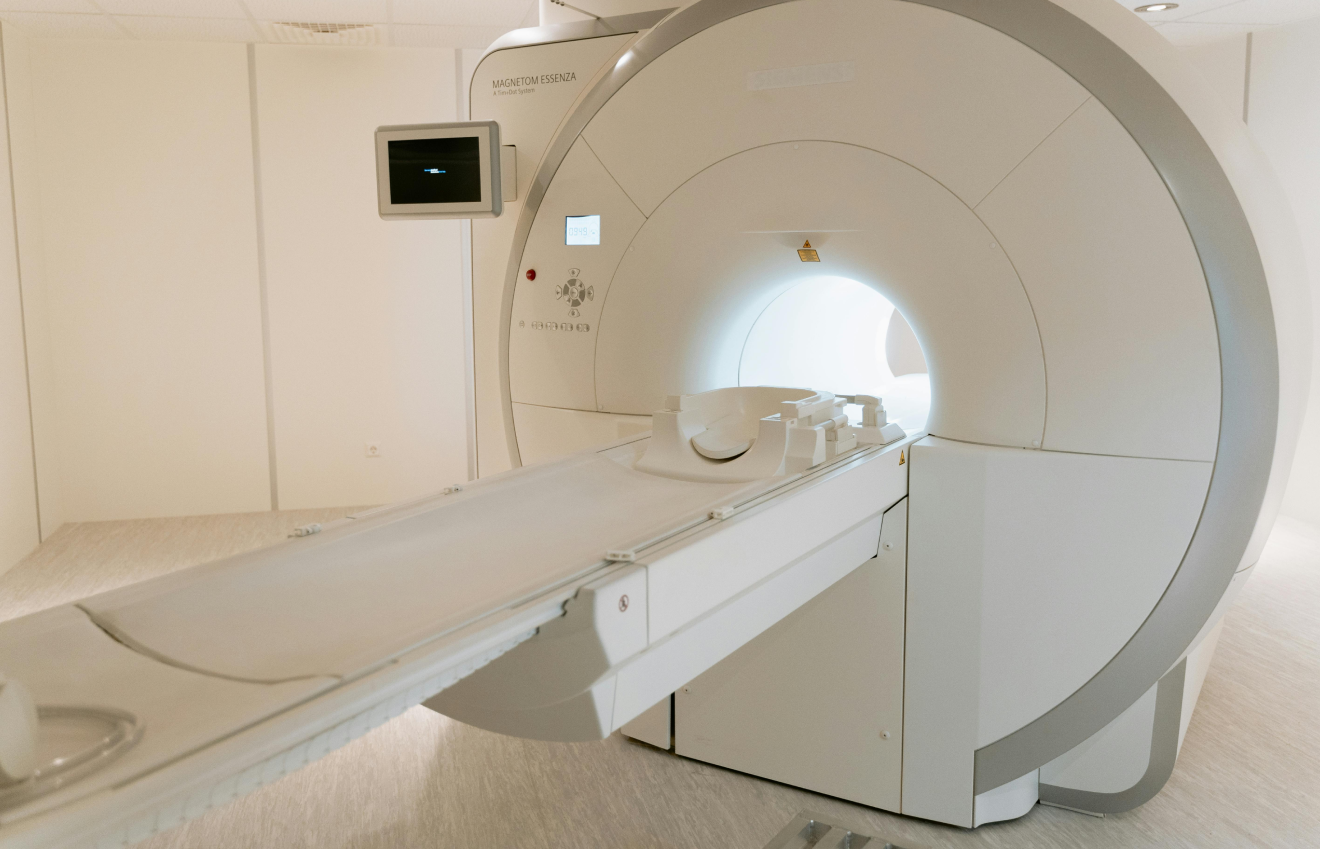
Finally, we determine “How much cancer is there?” using PET-CT scans. We use the TNM System:
- T (Tumor): How big is it?
- N (Node): Has it reached the lymph nodes?
- M (Metastasis): Has it spread to other organs?
| Old School Diagnosis | Modern Precision Diagnosis |
|---|---|
| “You have Lung Cancer.” | “You have Stage III Adenocarcinoma of the Lung with an EGFR mutation.” |
| Treatment: Everyone gets the same chemotherapy. | Treatment: You get a specific Targeted Therapy pill. |
| Outcome: Hit or Miss. | Outcome: Higher chance of Advanced Cancer Cure or long-term control. |
The Dasappa Difference: We do not rely on a single opinion. Every complex case is reviewed by our Multidisciplinary Tumor Board—a team of surgeons, medical oncologists, and radiologists who debate and decide the Best cancer treatment protocol for you.
Step 2: The Three Pillars of Active Treatment

Once the “Precision Diagnosis” is complete, we build your battle plan. Rarely does a patient receive just one type of treatment.
Most Cancer Patient Treatment Options involve a “Multimodal Approach”—combining surgery to remove the visible tumor, and medicine to kill the invisible cells. At Dasappa Cancer Hospital, we utilize three primary pillars:
A. Surgery: The Gold Standard for Solid Tumors
If the cancer is localized (in one place), surgery is often the best chance for a complete cure.
- Curative Resection: Complete removal of the tumor and a margin of healthy tissue (to ensure no cells are left behind).
- Organ Preservation: In the past, breast cancer meant removing the whole breast (Mastectomy). Today, we perform Oncological Treatment that saves the organ (Lumpectomy) whenever possible.
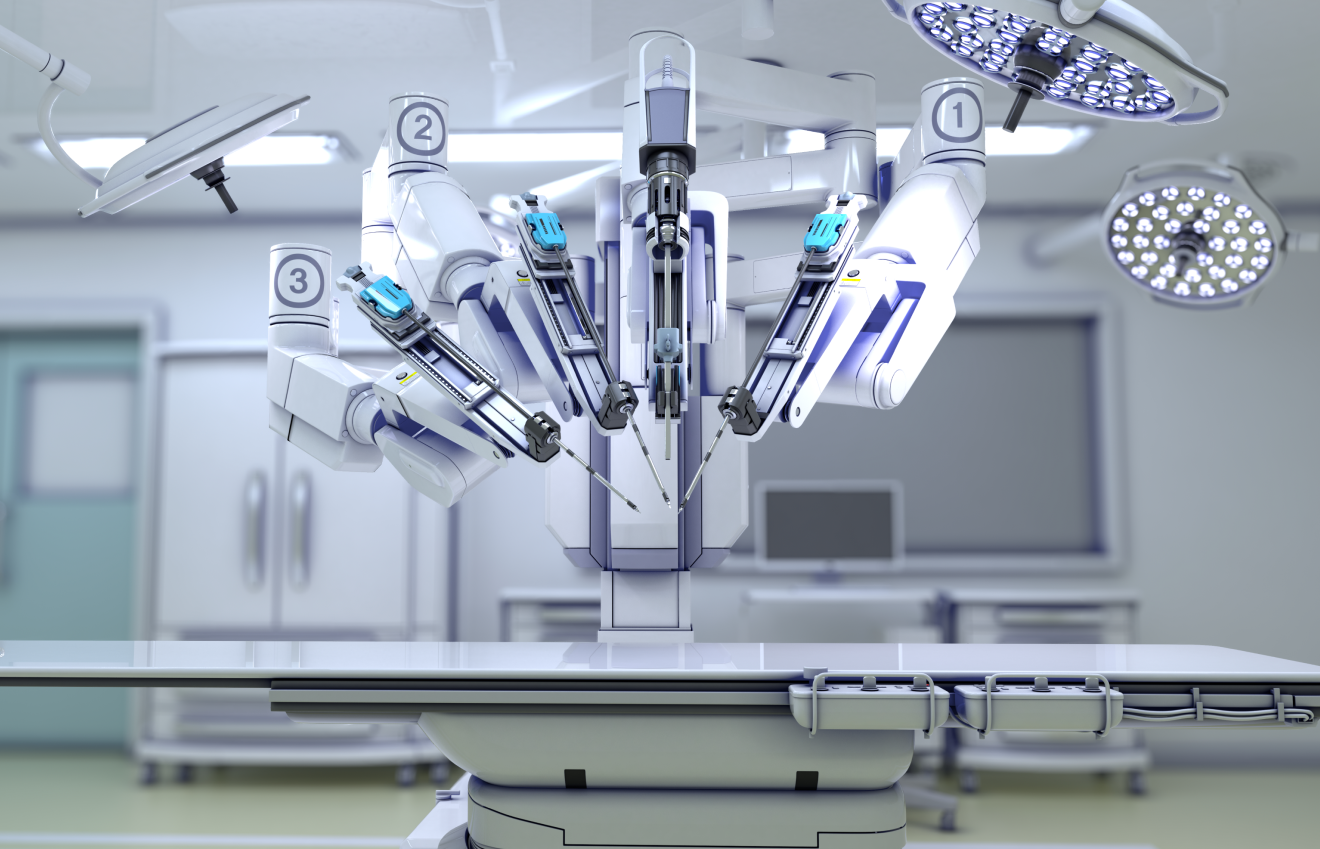
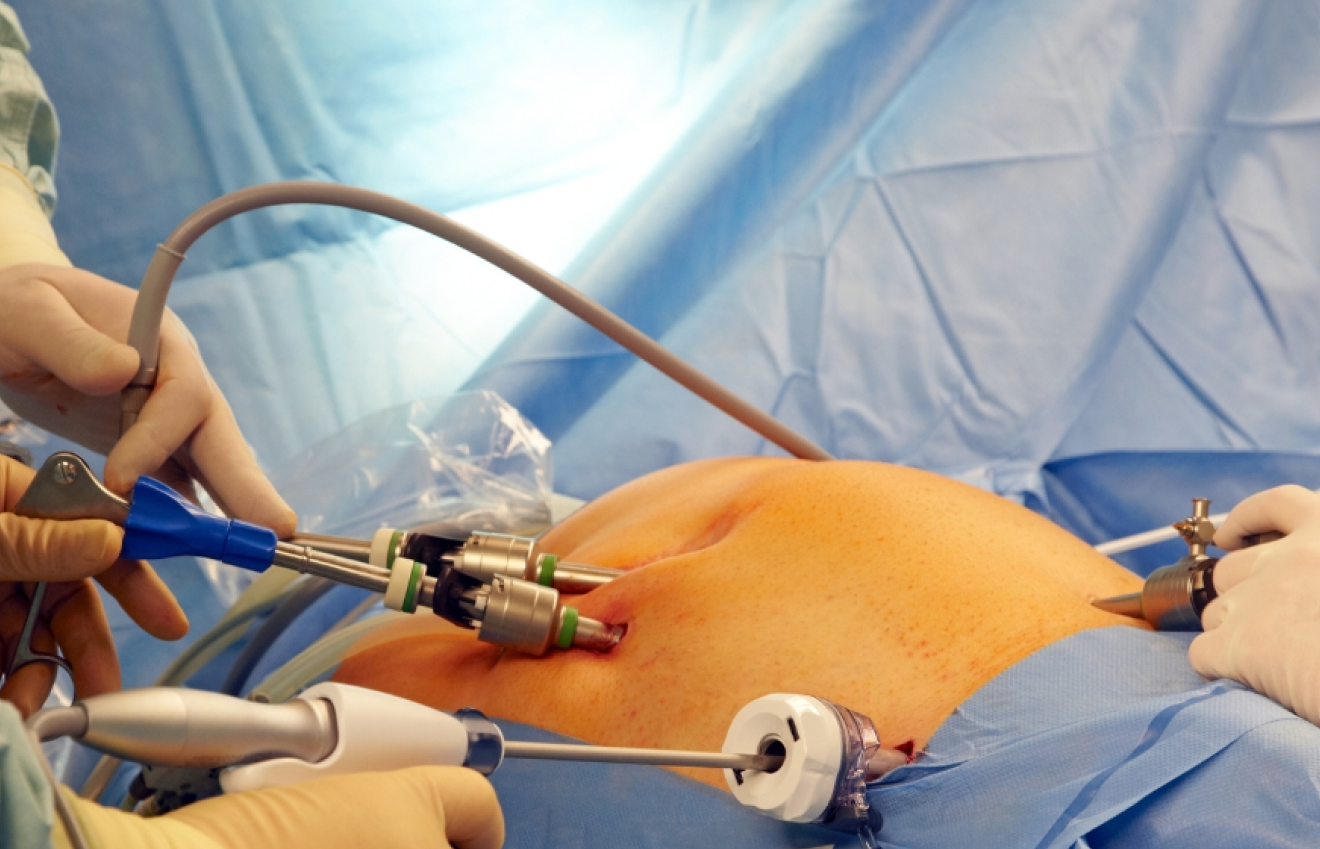
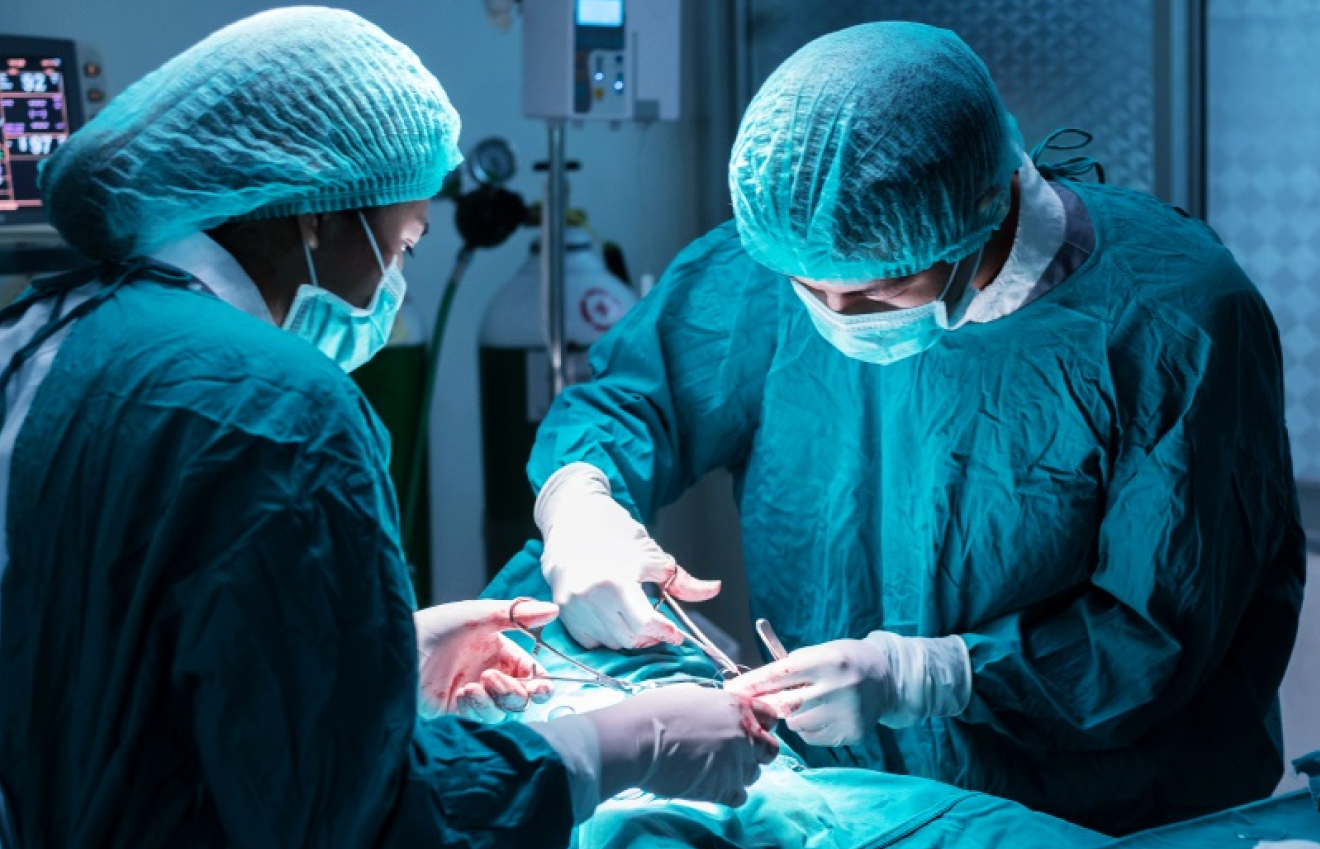
- Minimally Invasive (Robotic/Laparoscopic): Instead of large cuts, we use keyhole incisions. This means less pain, less blood loss, and a faster return to normal life.
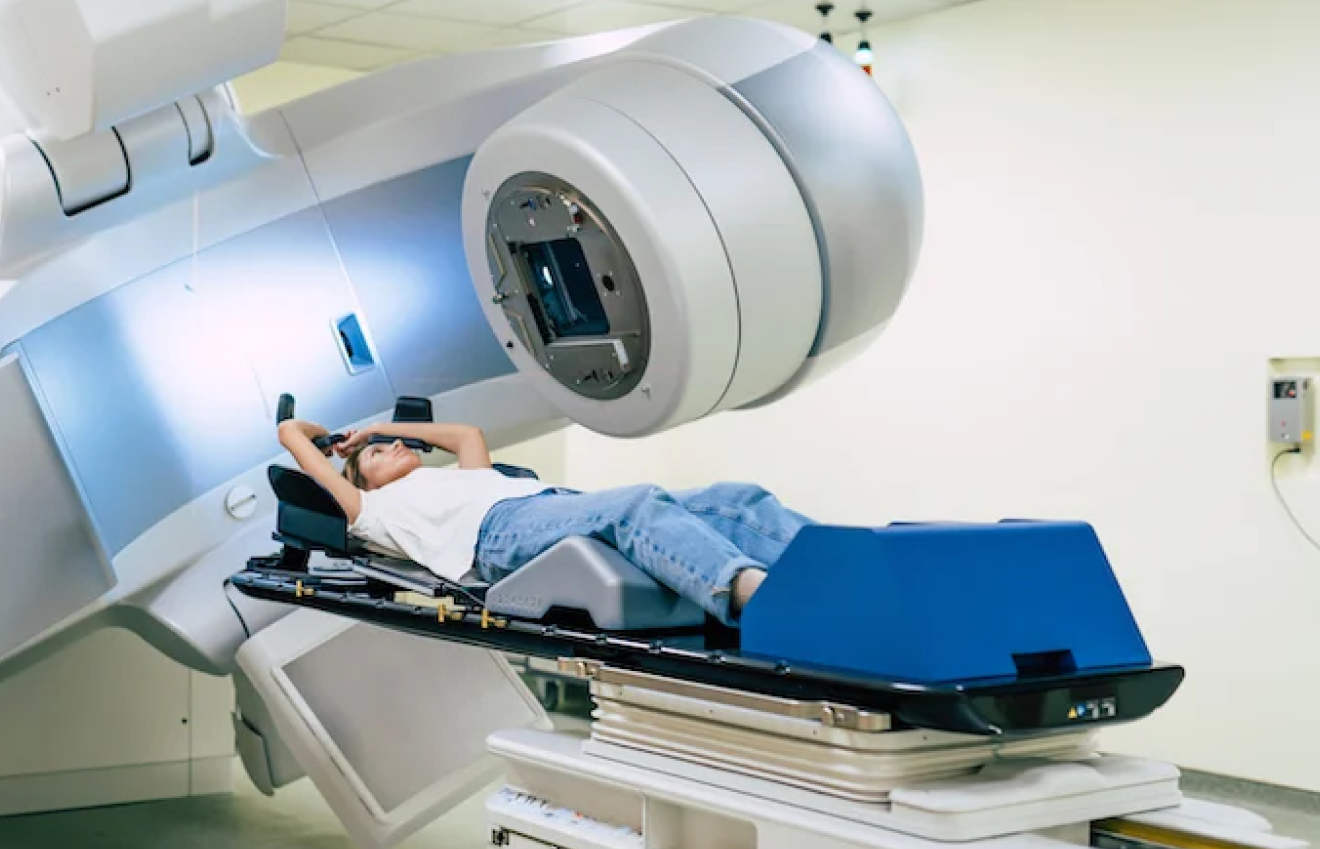
B. Radiation Therapy: The Invisible Precision Beam
Radiation Therapy uses high-energy waves to destroy the DNA of cancer cells that surgery might have missed.
- The Fear: “Will it burn my skin?”
- The Reality: Modern radiation is not like the old days. We use LINAC (Linear Accelerators) with IGRT (Image-Guided Radiation Therapy).
- This technology scans your body during the treatment. If you breathe and the tumor moves by 2mm, the beam adjusts instantly. It hits the cancer hard but spares your heart, lungs, and healthy skin.
C. Systemic Therapy: Treating the Whole Body
This is the pillar that causes the most confusion. Systemic therapy travels through your bloodstream to reach cancer cells anywhere in the body. It is no longer just “Chemotherapy.” We now have three distinct generations of drugs:
Table: Understanding Your Medicine
| Type of Therapy | How It Works | Who Is It For? |
|---|---|---|
| Chemotherapy | Kills all rapidly dividing cells (Cancer + Hair + Gut). | Aggressive cancers; used to shrink tumors before surgery. |
| Targeted Therapy | Blocks specific genetic mutations (like EGFR or HER2) that tell the cancer to grow. | Patients with a positive “Molecular Profile” (Genetic Match). |
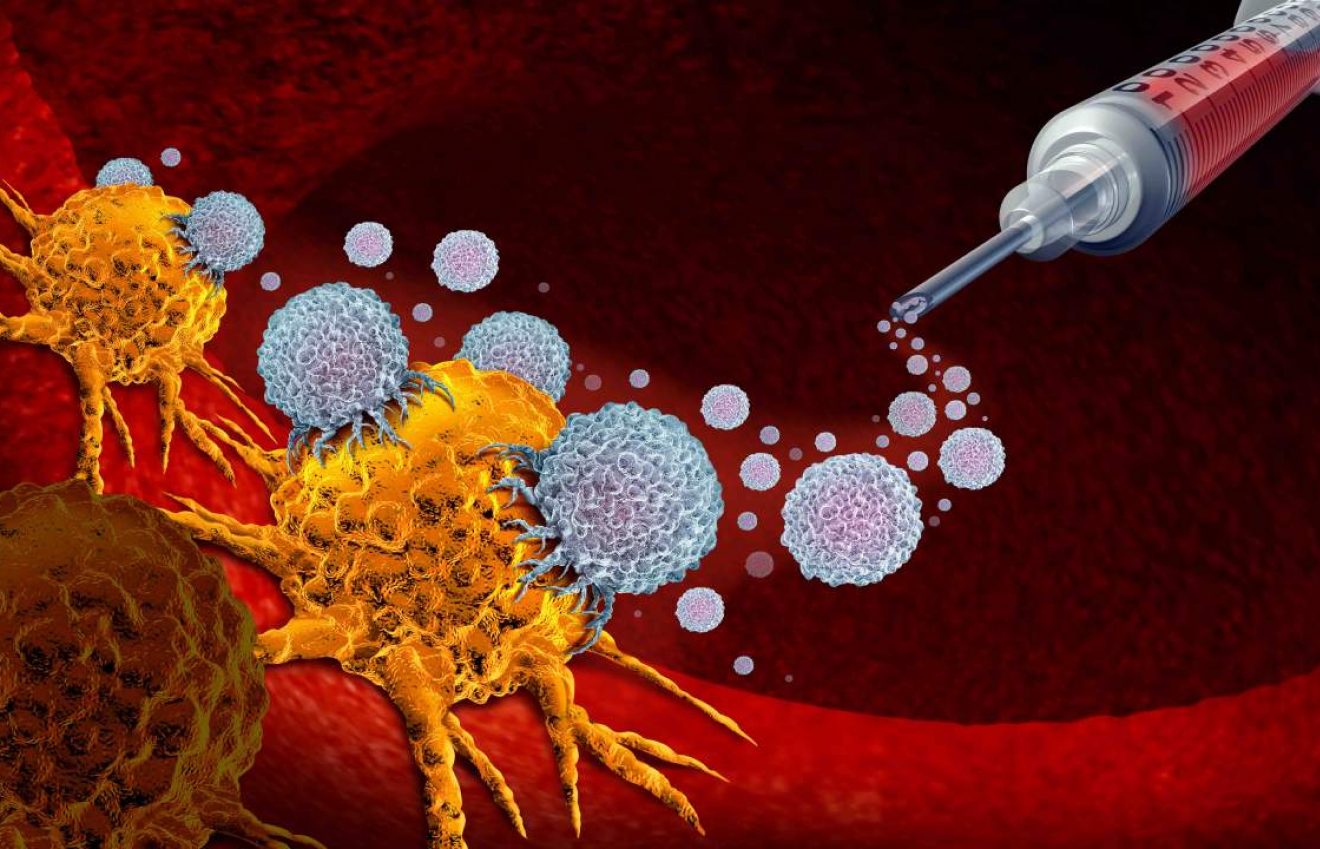
| Immunotherapy | Removes the “mask” cancer uses to hide, allowing your own White Blood Cells to attack it. | Advanced cancers (Lung, Kidney, Melanoma); offers long-term control. |
As a leading Cancer hospital in Bangalore, we are one of the few centres that prioritize “De-escalation.”
If your genetic profile shows you respond well to Targeted Therapy, we might skip harsh Chemotherapy entirely, saving you from severe side effects.
Step 3: Treating “Advanced” Cancer (The New Hope)

Redefining “Stage IV” from a period to a comma.
Perhaps the most terrifying phrase in medicine is “Metastatic Cancer” or “Stage IV.”
Historically, this meant that the cancer had spread to distant organs (like the liver, bones, or brain) and options were limited to basic pain management. That history is being rewritten.
We want patients to understand a crucial shift in oncology: Advanced cancer is increasingly becoming a manageable chronic condition.
Just like diabetes or hypertension, where you take medication to keep the disease under control for decades, modern Advanced Cancer Cure strategies aim to keep the cancer “asleep” or stable for the long term.
A. The Shift: From “Chemo” to “Maintenance”
In the past, treating advanced cancer meant high-dose chemotherapy until the body couldn’t take it anymore. Today, we use “Maintenance Therapy.”
- The Strategy: We might use a short course of strong medicine to knock the cancer down, followed by a gentle, low-toxicity “maintenance” drug (often a pill) to keep it suppressed.
- The Result: Patients are not just surviving; they are working, travelling, and living full lives while on treatment. This is the new era of Cancer Survival Treatment.
B. Targeted Therapy: The “Oral Pill” Revolution
For cancers like Lung (EGFR+) or Leukemia (CML), daily oral tablets have replaced IV chemotherapy as the standard of care.
- How it works: These pills block the specific protein signal that tells the cancer to divide. As long as you take the pill, the signal is blocked, and the tumor shrinks or stays stable.
- Success Story: In CML (Chronic Myeloid Leukemia), patients taking Imatinib (a targeted pill) now have a life expectancy almost equal to the general population.
C. Immunotherapy: The “Long Tail” of Survival
This is the closest science has come to a functional Advanced Cancer Cure.
- The Mechanism: Immunotherapy (Checkpoint Inhibitors) tears down the “invisibility cloak” cancer uses to hide. Once revealed, your own immune system attacks the tumor.
- The “Tail of the Curve”: Unlike chemo, where cancer often grows back once drugs stop, Immunotherapy can “teach” the immune system to remember the cancer. A significant percentage of Stage IV Melanoma and Lung Cancer patients are now seeing “durable remission” lasting years after stopping treatment.
Table: The Evolution of Advanced Cancer Care
| Feature | The Old Era (Pre-2010) | The Modern Era (Post-2020) |
|---|---|---|
| The Goal | Palliative (Comfort Care only). | Chronic Management (Life Extension + Quality of Life). |
| The Treatment | Toxic IV Chemotherapy. | Oral Pills (Targeted) or Immunotherapy infusions. |
| Side Effects | Severe (Hair loss, Vomiting). | Manageable (Skin rash, Thyroid changes). |
| Survival | Measured in Months. | Measured in Years (Progression-Free Survival). |
| Hospital Stay | Weeks in the ward. | Day Care (Home for dinner). |
D. “Oligometastatic” Disease: The Window for Cure
Sometimes, “Stage IV” isn’t everywhere. It might be just one spot in the liver or one spot in the lung. We call this Oligometastatic Cancer (“Oligo” means few).
In these specific cases, we don’t just use pills. We might use SBRT (Stereotactic Body Radiation Therapy) or surgery to zap that single spot.
Treating these limited spots aggressively can sometimes result in a complete cure, even in advanced stages.
Step 4: The “Fourth Pillar” – Supportive Care

You cannot fight a war if you are starving or in pain.
For decades, cancer treatment focused entirely on the tumor—cutting it, poisoning it, or burning it. The patient’s body was often treated as an afterthought.
Today, we know that it is a mistake. If a patient is too weak from malnutrition to take their chemotherapy or too depressed to show up for radiation, the Best cancer treatment hospital in Bangalore protocol will fail.
We treat Supportive Care as the “Fourth Pillar” of oncology, equal in importance to Surgery, Chemo, and Radiation.
A. Onco-Nutrition
Cancer cells are parasites; they steal energy from your healthy muscles. This leads to Cancer Cachexia—severe weight loss and weakness.
- The Myth: “Starve cancer by not eating sugar.”
- The Reality: Starving yourself only weakens your immune system. You need more protein during treatment to repair the healthy cells damaged by chemotherapy.
- Our Protocol: Every patient sees a specialized Onco-Nutritionist who prescribes a high-protein, calorie-dense diet to maintain muscle mass.
B. Pain Management
Many patients fear pain more than death. They endure it silently, thinking it is “part of the process.” It is not. Unmanaged pain releases stress hormones (cortisol) that actually suppress your immune system, making treatment less effective.
- The WHO Ladder: We follow the World Health Organization’s step-by-step guide. We start with simple non-opioids (Paracetamol) and move to specialized patches (Fentanyl) that deliver relief through the skin, ensuring you can sleep and function without sedation.
C. Psycho-Oncology (Mental Immunity)
A cancer diagnosis is a trauma. Anxiety and depression are common side effects.
- The Connection: Your brain and your immune system are connected. Chronic stress lowers your “Natural Killer” (NK) cell count.
- The Support: We offer counseling not just for the patient, but for the caregivers. Treating the mind is part of treating the disease.
Table: The Supportive Care Checklist
| Symptom | Why It Happens | The Supportive Solution |
|---|---|---|
| Fatigue | The body uses energy to repair cells. | Energy Conservation Therapy: Scheduled naps + Light exercise (Yoga). |
| Nausea | Chemo is affecting the stomach lining. | Anti-Emetics: Modern drugs (like Aprepitant) completely block the vomit signal in the brain. |
| Lymphedema | Swelling in arms/legs after lymph node removal. | Physiotherapy: Specialized massage and compression garments to drain fluid. |
| Mouth Sores | Radiation affecting the mouth lining. | Cryotherapy: Sucking on ice chips during treatment to protect the cells. |
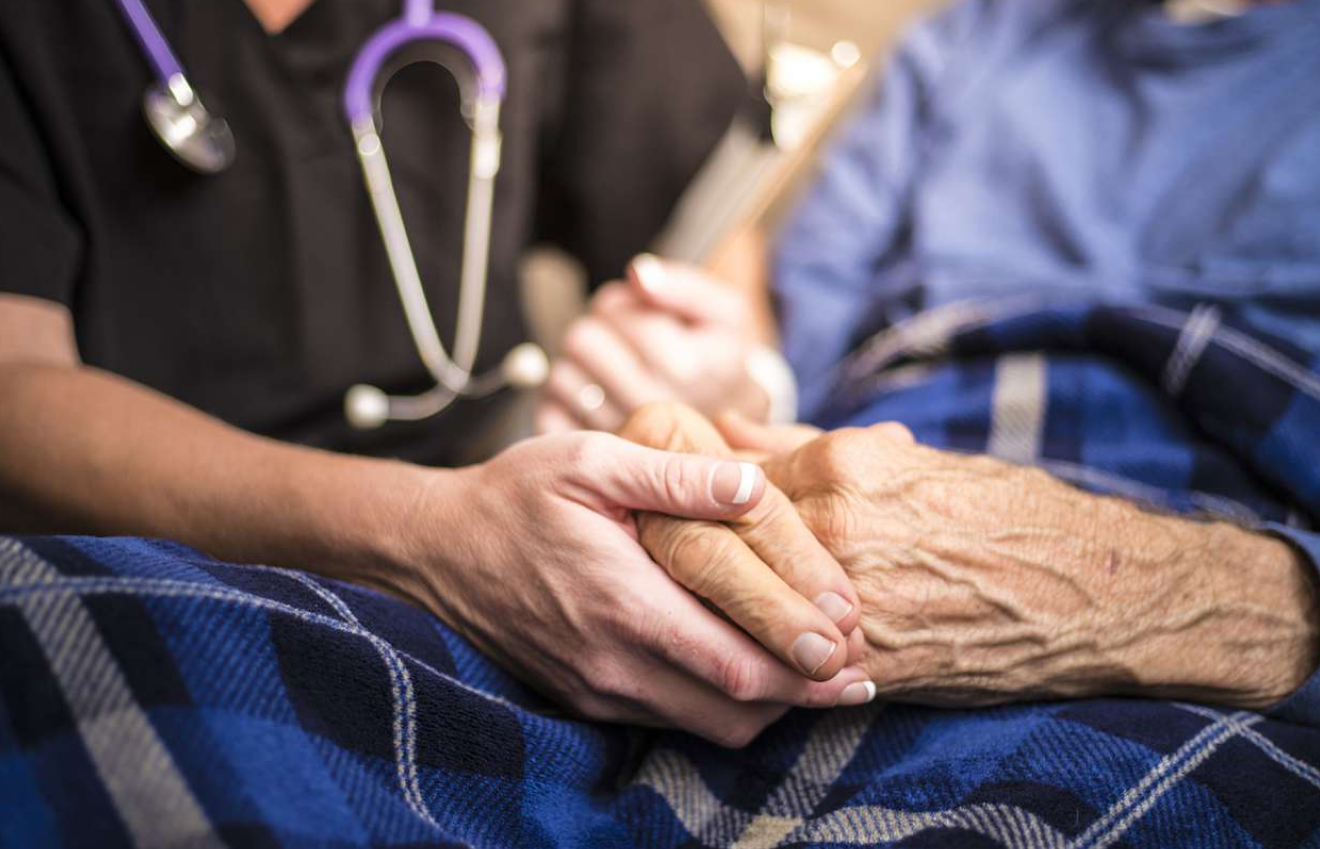
The Dasappa Promise: We do not just treat the cancer on the scan; we treat the person in the room. Our goal is to ensure that during your treatment, you are not just “surviving,” but living with dignity.
Conclusion
A cancer diagnosis changes your life, but it does not have to define it. The journey from Treatment For Cancer Patient to Advanced Cancer Cure is no longer a path walked in darkness.
It is a scientifically mapped road, illuminated by Precision Oncology, Targeted Therapies, and Supportive Care.
At Dasappa Cancer Hospital, we believe that “Survivorship” does not begin when treatment ends. It begins the day you are diagnosed.
Every time you choose a nutritious meal over processed food, every time you complete a physical therapy session, and every time you ask your doctor about your genetic profile, you are actively fighting the disease.
Why Choose Dasappa? Navigating this complex landscape reqcanceruires more than just a doctor; it requires a team.
- Our Multidisciplinary Tumor Board ensures that your case is reviewed by surgeons, medical oncologists, and radiologists together—never in isolation.
- Our Technology (LINAC, PET-CT, NGS) ensures you get world-class precision without leaving Bangalore.
- Our Heart is in Supportive Care, ensuring you are treated as a whole person, not just a patient file.
Do Not Walk This Path Alone. Whether you are facing a new diagnosis or looking for a second opinion on Advanced Stage Cancer Therapy, the right plan can change everything.
Let the experts at the Best cancer treatment hospital in Bangalore build that plan with you.