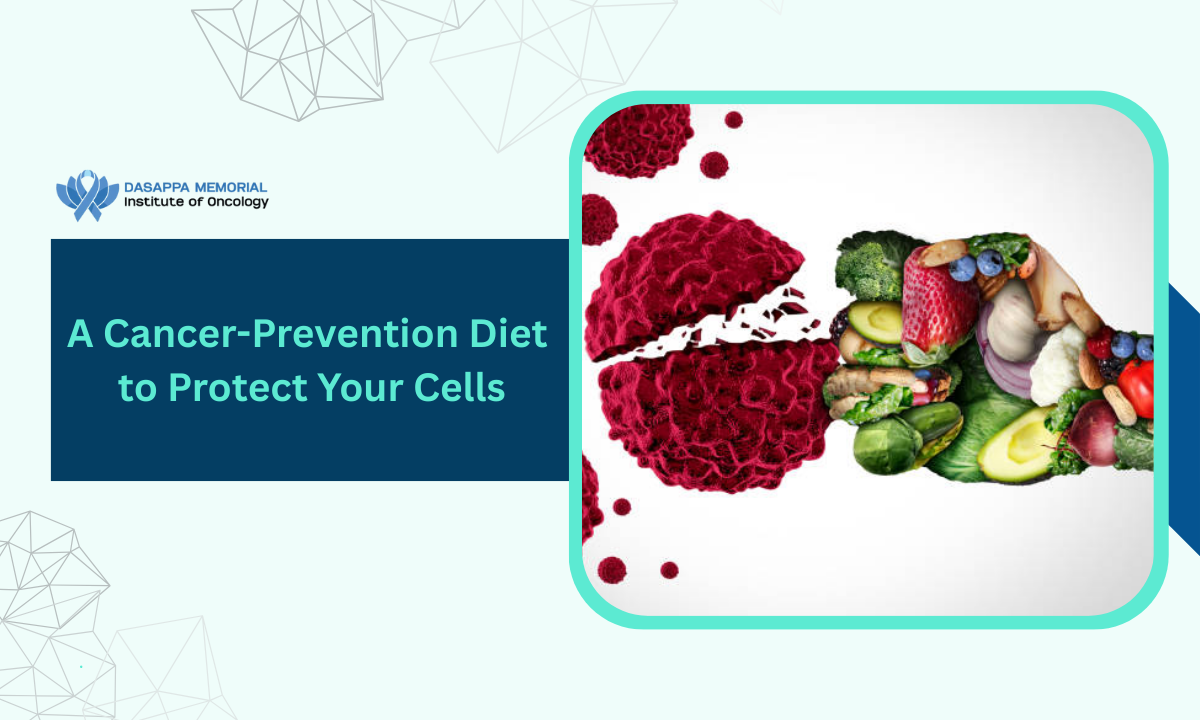
A cancer prevention diet is your body’s first line of defense against cellular damage and tumor formation.
As nutrition experts at a leading cancer hospital in Bangalore, we have observed how dietary choices directly influence cancer development and progression. The foods you eat today can either strengthen your cellular defenses or leave them vulnerable to cancerous changes.
What if we told you that certain everyday foods sitting in your kitchen right now possess powerful anti-cancer properties that could protect your cells from disease? Keep reading to know more.
Understanding Food as Medicine
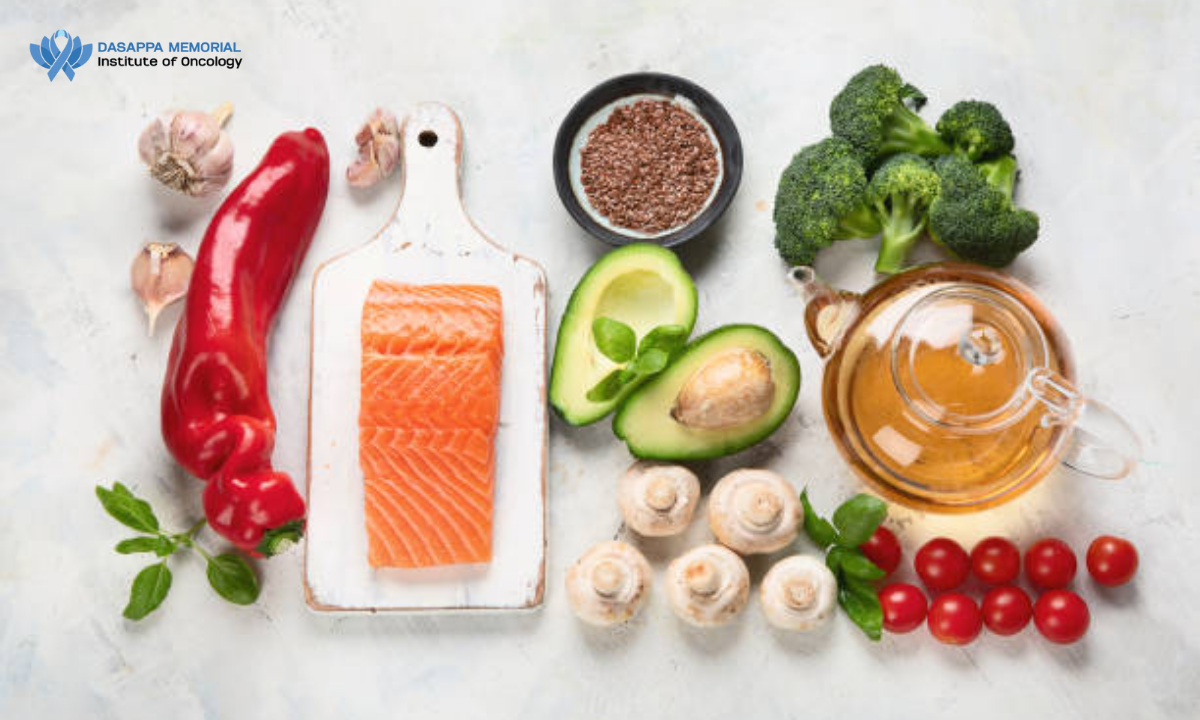
We believe that diet for cancer prevention goes beyond simply avoiding unhealthy foods. It’s about actively consuming nutrients that repair DNA, reduce inflammation, and strengthen immunity.
Every meal presents an opportunity to protect your cells from oxidative stress and mutations. The right combination of vitamins, minerals, and phytonutrients creates a protective shield around your DNA.
Research consistently shows that 30-40% of cancers are preventable through lifestyle modifications. Nutrition stands at the centre of this prevention strategy, offering powerful protection.
Cancer Prevention Through Nutrition: The Science
Cancer prevention through nutrition works through multiple biological mechanisms that safeguard cellular health. Antioxidants neutralize free radicals that damage DNA and trigger cancerous mutations.
Fiber helps eliminate carcinogens from your digestive system before they cause harm. Certain compounds in plant foods actually “turn off” genes that promote tumor growth.
At our Cancer hospital in Bangalore, we emphasize that consistent healthy eating patterns matter more than occasional superfoods. Your daily food choices create your long-term cancer risk profile.
Foods That Protect Against Cancer
Colorful Vegetables and Fruits
We recommend filling half your plate with colorful produce at every meal. Each color represents different protective compounds working together.
Dark leafy greens provide folate and chlorophyll that protect DNA. Berries contain anthocyanins that prevent cellular damage and inflammation throughout your body.
Cruciferous Vegetables
Broccoli, cauliflower, cabbage, and radishes contain sulforaphane, a powerful anti-cancer compound. These vegetables help your body detoxify carcinogens and repair damaged cells.
Eating these vegetables 3-4 times weekly significantly reduces cancer risks. Steam or lightly cook them to preserve their protective compounds.
Whole Grains and Legumes
Whole grains and beans provide fiber that reduces colorectal cancer risk dramatically. They also stabilize blood sugar, preventing insulin spikes that fuel cancer growth.
Choose brown rice, quinoa, oats, lentils, and chickpeas regularly. These foods also feed beneficial gut bacteria that strengthen immunity.
Healthy Fats
Omega-3 fatty acids from walnuts, flaxseeds, and fish reduce inflammation and slow cancer cell growth. Extra virgin olive oil contains oleocanthal with powerful anti-cancer properties.
Avoid trans fats and limit saturated fats completely. These unhealthy fats increase inflammation and cancer risk significantly.
Organ-Specific Cancer Prevention Diets
Cervical Cancer Prevention Diet
The cervical cancer prevention diet emphasizes folate-rich foods like spinach, asparagus, and fortified grains. Vitamin C from citrus fruits and bell peppers supports immune function against HPV.
Beta-carotene from carrots and sweet potatoes protects cervical tissue. Avoid processed meats, which increase infection-related cancer risks.
Lung Cancer Prevention Diet
A lung cancer prevention diet focuses on carotenoid-rich foods, including carrots, tomatoes, and pumpkins. These antioxidants specifically protect lung tissue from oxidative damage.
Green tea contains EGCG, which prevents lung cancer cell proliferation. Cruciferous vegetables offer particularly strong protection for smokers and former smokers.
Prostate Cancer Prevention Diet
The prostate cancer prevention diet includes tomatoes rich in lycopene, a powerful prostate protector. Cooked tomatoes release more lycopene than raw ones.
Soy products, green tea, and pomegranate juice show promising prostate cancer prevention benefits. Limit red meat and high-fat dairy products significantly.
Skin Cancer Prevention Diet
A skin cancer prevention diet emphasizes antioxidant-rich foods that protect skin from UV damage internally. Dark chocolate, green tea, and colorful fruits strengthen skin defenses.
Omega-3 fats reduce inflammation that contributes to skin cancer development. Stay hydrated with water to maintain healthy skin cell function.
Oral Cancer Prevention Diet
The oral cancer prevention diet includes vitamin C-rich foods that maintain healthy mouth tissues. Garlic and onions contain allicin with powerful anti-cancer properties.
Avoid tobacco, excessive alcohol, and betel nut completely. Green leafy vegetables provide folate, essential for healthy oral cell division.
Foods to Avoid or Limit
| Foods to Avoid | Cancer Risk |
|---|---|
| Processed meats | Increases colorectal cancer by 18% |
| Red meat (excess) | Linked to multiple cancer types |
| Alcohol | Increases 7 cancer types |
| Sugary drinks | Promotes obesity-related cancers |
| Ultra-processed foods | Contains carcinogenic additives |
| Charred/burnt foods | Contains harmful compounds |
Practical Daily Eating Tips
Cancer-Fighting Meal Strategies:
- Start your day with berries and green tea
- Include at least 5 servings of vegetables daily
- Choose whole grains over refined grains always
- Add turmeric and black pepper to dishes
- Snack on nuts and seeds instead of chips
- Drink 8-10 glasses of water throughout the day
- Prepare meals at home using fresh ingredients
Building Your Anti-Cancer Plate
We recommend the following plate composition for optimal cancer protection. Fill 50% with vegetables and fruits of various colors.
Dedicate 25% to whole grains or starchy vegetables like sweet potatoes. The remaining 25% should contain lean proteins like fish, legumes, or poultry.
At Dasappa Cancer Hospital in Bangalore, we provide personalized nutrition counseling to patients. These dietary principles work for both prevention and supporting treatment outcomes.
Final Thoughts
Adopting a cancer prevention diet is one of the most empowering health decisions you can make today. At Dasappa Cancer Hospital, we witness how nutrition transforms patient outcomes and recovery journeys.
Remember, consistency matters more than perfection; small daily choices compound into significant long-term protection for your cells.
Frequently Asked Questions
1. What’s The Best Diet To Prevent Cancer?
A Mediterranean-style diet rich in vegetables, fruits, whole grains, legumes, nuts, olive oil, and fish offers the strongest cancer protection. This eating pattern reduces inflammation and provides abundant antioxidants.
2. How To Lower Your Cancer Risk?
Lower cancer risk by maintaining a healthy weight, eating plant-based foods, exercising regularly, avoiding tobacco and excessive alcohol, limiting processed meats, staying sun-safe, and getting recommended cancer screenings.
3. What Is The No. 1 Cause Of Cancer?
Tobacco use remains the number one preventable cancer cause globally, responsible for approximately 30% of all cancer deaths. It’s linked to lung, throat, mouth, and fifteen other cancer types.
4. What Are The Top 10 Cancer-Fighting Supplements?
Top cancer-fighting supplements include vitamin D, curcumin, green tea extract, omega-3, selenium, vitamin C, probiotics, resveratrol, quercetin, and medicinal mushrooms. Always consult doctors before supplementing.
5. Which Vitamin Is Called Anti-Cancer?
Vitamin D is often called the “anti-cancer vitamin” due to its ability to regulate cell growth, promote cell differentiation, and trigger cancer cell death. It shows protective effects against multiple cancer types.