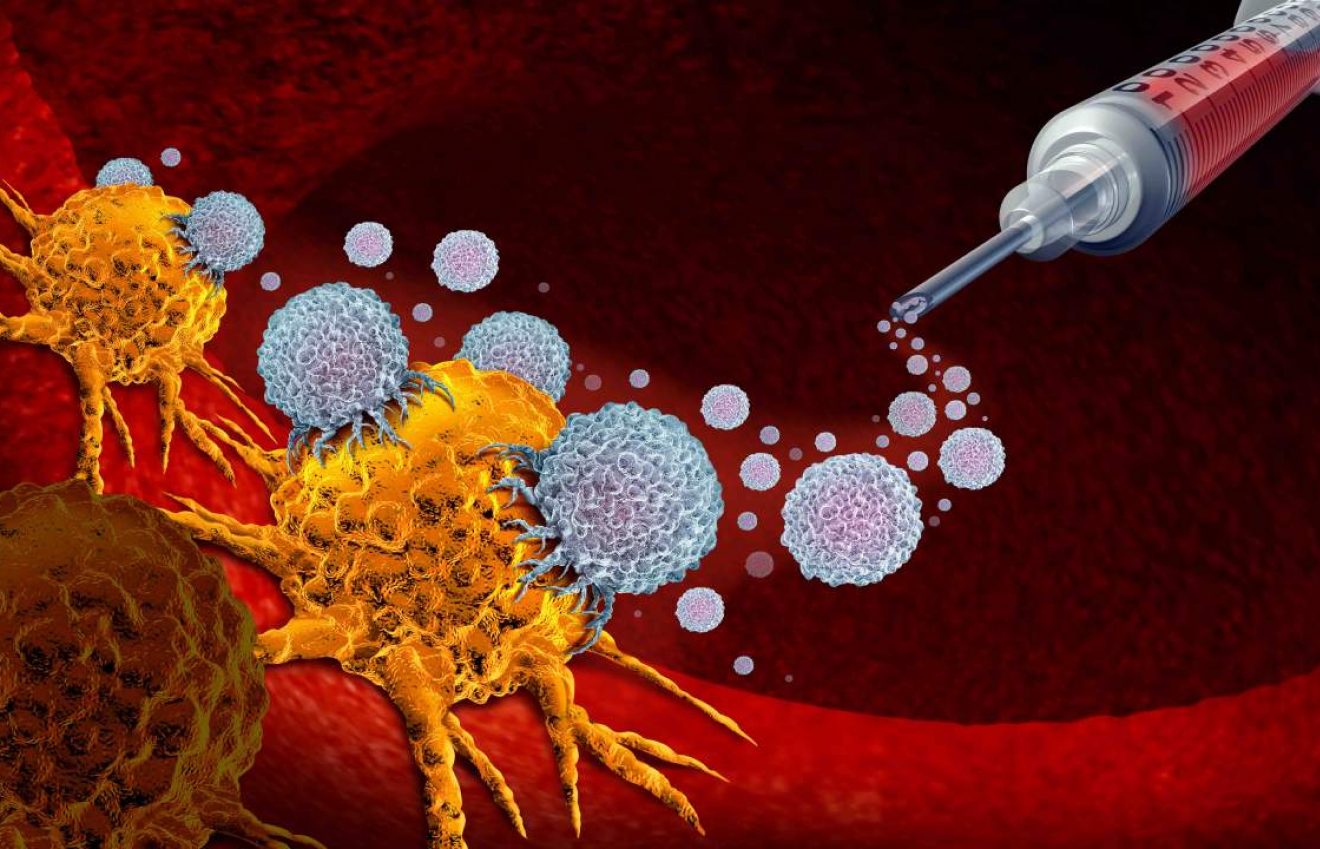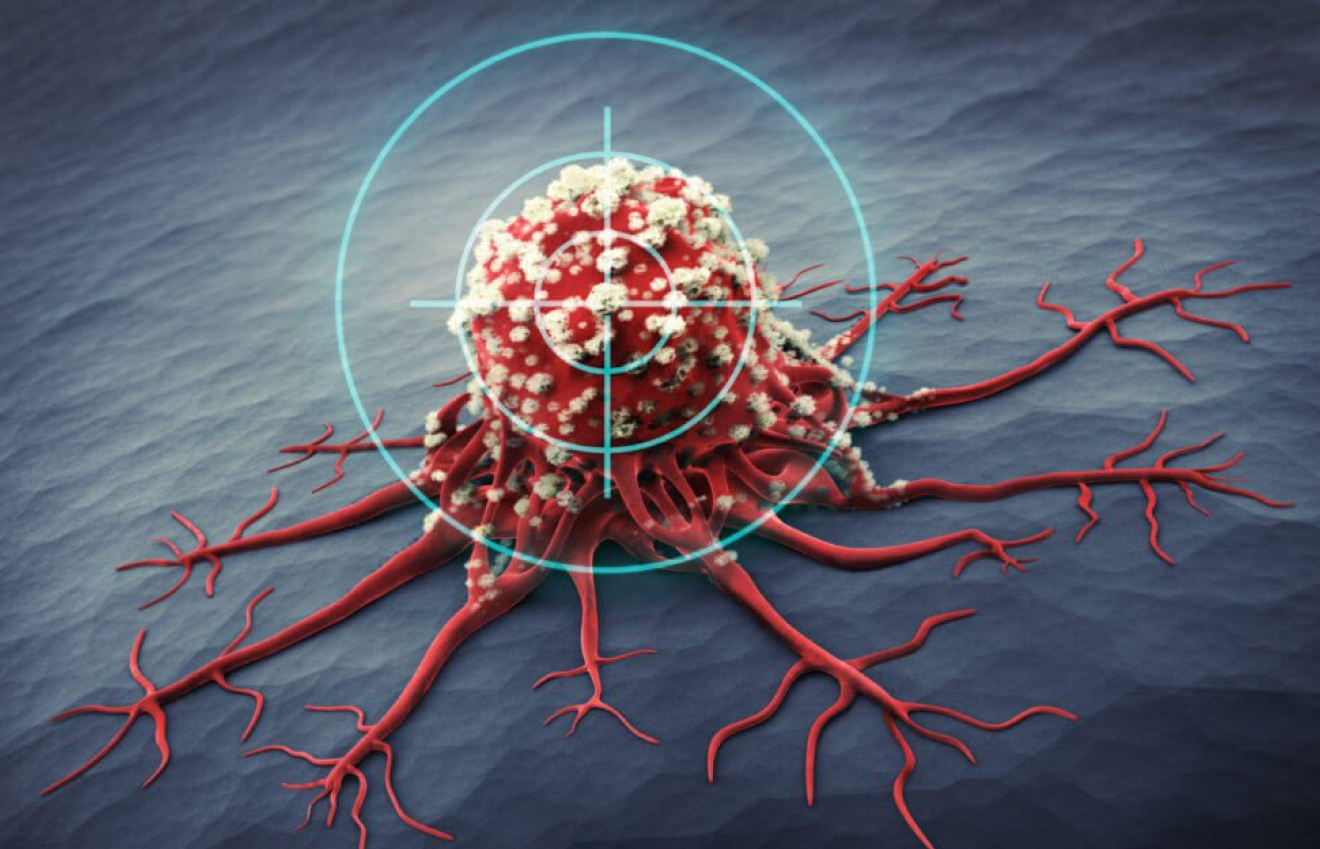



Targeted therapy has emerged as a modern and precise method to treat cancer, focusing on specific molecules or pathways that fuel tumor growth. Unlike traditional chemotherapy, it targets cancer cells while sparing healthy tissues.
Our cancer hospital in Bangalore offers advanced targeted therapy programs for a variety of cancers, including bladder and lung cancers.
In this blog, we will explore the targeted therapy meaning, how it works, its uses in different cancers, and why it’s becoming a preferred treatment option.
Keep reading to understand why precision medicine is revolutionizing cancer care and how our cancer hospital in Bangalore ensures personalized, effective treatment plans.
What Is Targeted Therapy?
Targeted therapy refers to drugs designed to attack cancer cells by interfering with specific molecules involved in tumor growth, progression, and spread.
This approach differs from conventional chemotherapy, which affects both cancerous and healthy rapidly dividing cells, often causing side effects like nausea and hair loss.
Tip: Targeted therapy can be combined with chemotherapy, radiation, or immunotherapy for enhanced outcomes.
Targeted Therapy Meaning
The targeted therapy meaning lies in its precision; it focuses on clearing specific genes, proteins, or cellular pathways that help cancer cells survive.
| Feature | Description |
|---|---|
| Precision | Acts only on molecules involved in cancer progression. |
| Fewer Side Effects | Spares healthy cells, reducing common chemotherapy-related issues. |
| Combination Potential | It can be used alongside other treatments for synergistic effects. |
| Personalized | Treatment is often customized based on genetic or molecular testing. |
Understanding the mechanisms behind targeted therapy helps patients and caregivers appreciate its advantages in modern oncology.
Targeted Therapy for Different Cancers
Targeted therapy is used in various cancer types, each requiring specific drugs or molecular inhibitors.
Targeted Therapy for Bladder Cancer
Bladder cancer can be aggressive, but targeted therapy drugs block molecules that encourage tumor growth.
Patients undergoing therapy at a bladder cancer treatment hospital may experience better outcomes with fewer side effects compared to traditional chemotherapy.
Lung Cancer Targeted Therapy
Targeted therapy is especially effective in certain types of lung cancer, such as non-small cell lung cancer (NSCLC).
Patients benefit from drugs that inhibit EGFR, ALK, or ROS1 pathways, stopping cancer progression while maintaining a better quality of life.
Tip: Molecular testing is essential to identify which targeted drugs will be most effective for each patient.
How Targeted Therapy Works
Targeted therapy works by identifying and disrupting the signals that cancer cells rely on for growth. This can include:
| Mechanism | Explanation |
|---|---|
| Blocking Growth Signals | Prevents cancer cells from receiving messages to grow and divide. |
| Angiogenesis Inhibition | Stops the formation of new blood vessels that feed tumors. |
| Inducing Apoptosis | Encourages cancer cells to self-destruct. |
| Immune System Activation | Some targeted drugs boost immune responses against cancer cells. |
Because it focuses on specific mechanisms, targeted therapy is less likely to harm normal cells.
Benefits of Targeted Therapy
Patients often experience a more tolerable treatment journey with targeted therapy. Benefits include:
- Reduced side effects compared to traditional chemotherapy.
- Oral or intravenous administration, depending on the drug.
- Personalized treatment based on genetic or molecular testing.
- Ability to combine with other therapies like radiation or immunotherapy.
At our cancer hospital in Bangalore, we integrate advanced diagnostic tools to match patients with the most effective targeted therapy options.
The Treatment Process
The targeted therapy process involves several key steps:
| Step | Description |
|---|---|
| Genetic Testing | Determines the molecular profile of the tumor. |
| Treatment Planning | Oncologists select the appropriate targeted drug or combination therapy. |
| Administration | Drugs are given orally or intravenously, often in cycles. |
| Monitoring | Regular scans and blood tests track tumor response and side effects. |
| Adjustment | Treatment is modified if necessary for optimal outcomes. |
Regular monitoring ensures precision and safety throughout the therapy.
Tips for Patients
- Follow all medication schedules strictly.
- Maintain a balanced diet and stay hydrated.
- Attend all follow-up appointments for monitoring.
- Report side effects promptly to your doctor.
- Combine therapy with supportive care for emotional and physical well-being.
Tip: Staying informed about your cancer treatment and communicating openly with your healthcare team improves outcomes and reduces anxiety.
Final Thoughts
Targeted therapy offers a precise, effective, and personalized approach to treating cancers like bladder and lung cancer. Its focus on molecular pathways reduces side effects and improves patient quality of life.
At Dasappa Cancer Hospital, we provide advanced targeted therapy options supported by expert oncologists and modern diagnostics. For anyone seeking the Best Cancer Hospital in Bangalore, our facility ensures world-class treatment, personalized care, and compassionate support, making it the preferred choice for patients.
FAQs About Targeted Therapy
1. What is targeted therapy?
Targeted therapy uses drugs that focus on specific molecules involved in cancer growth, providing precise treatment with fewer side effects compared to traditional chemotherapy.
2. How does targeted therapy work for bladder cancer?
Drugs inhibit molecular pathways that promote bladder tumor growth, often used in advanced stages to slow progression while minimizing side effects.
3. Who is eligible for targeted therapy?
Eligibility depends on tumor type, stage, and molecular testing results. Oncologists determine which patients will benefit based on genetic markers.
4. Can targeted therapy be combined with other treatments?
Yes, it is often combined with chemotherapy, immunotherapy, or radiation to enhance effectiveness and improve patient outcomes.
5. What are common side effects?
Side effects can include fatigue, diarrhea, skin rashes, and mild nausea, but are generally less severe than traditional chemotherapy.
6. How long does targeted therapy last?
Duration varies depending on cancer type and response. Some patients take therapy for months or years, with regular monitoring and dose adjustments.