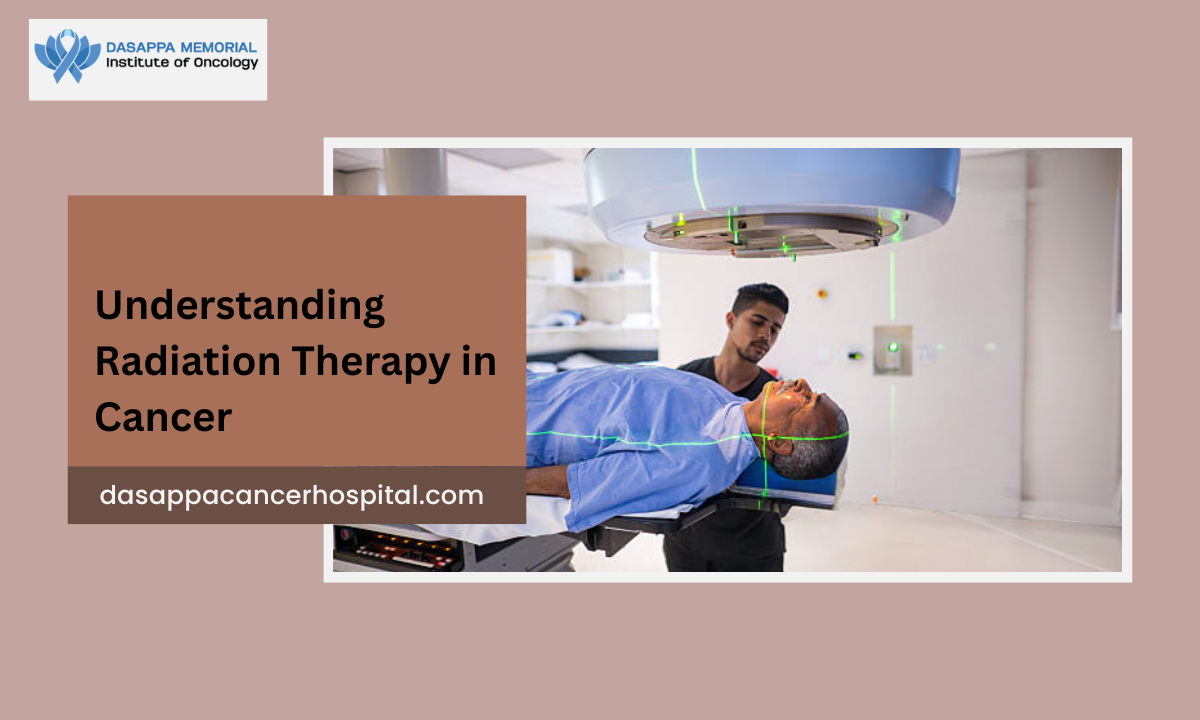
When we talk about radiation therapy in cancer, we refer to one of the most effective and commonly used treatments that help destroy cancer cells and prevent them from growing back.
Radiation therapy uses high-energy rays to target and damage the DNA of cancer cells, making it a crucial part of modern cancer care.
At our cancer hospital in Bangalore, we use advanced technology and precision-based methods to ensure that radiation is delivered safely and effectively to patients.
In this blog, we will explore what radiation therapy is, how it works, the types, its uses, and how it fits into the overall cancer treatment process.
By the end, you will understand why radiation therapy is considered one of the strongest allies in fighting cancer and how it continues to give hope to millions of patients worldwide.
What Is Radiation Therapy?
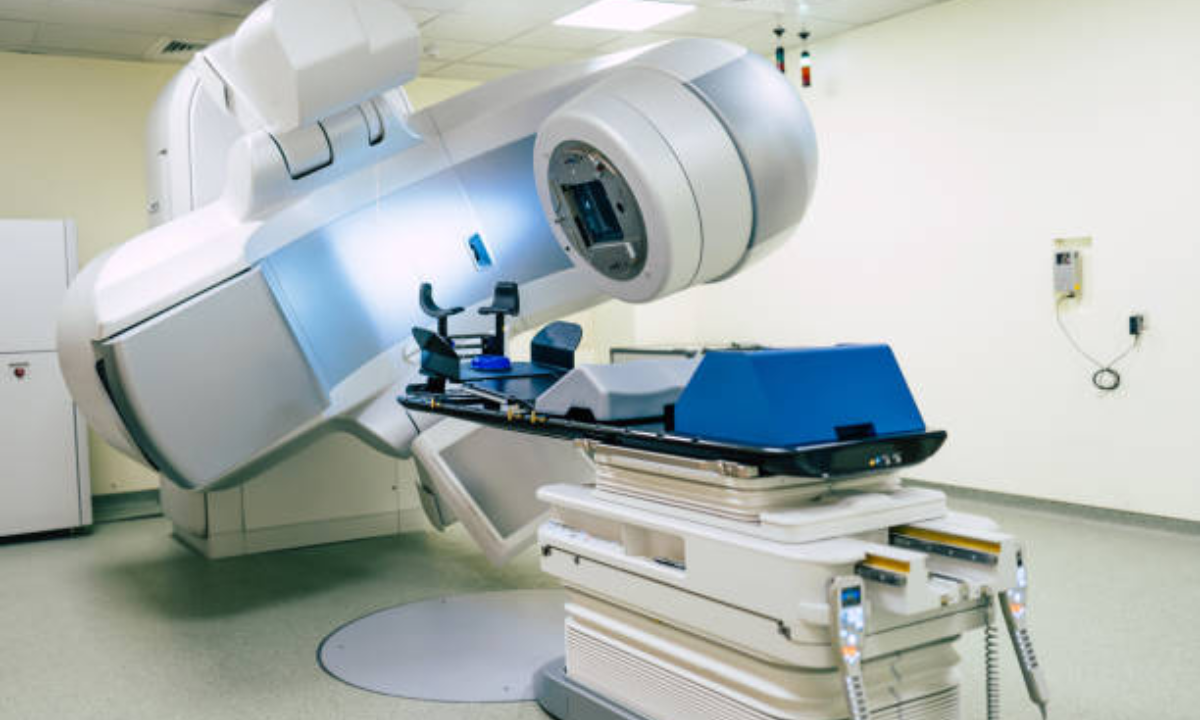
Before diving deep, let’s first understand what radiation therapy is.
Radiation therapy (also known as radiotherapy) is a medical procedure that uses high doses of radiation, like X-rays, gamma rays, or proton beams, to kill or shrink cancer cells. It can be used alone or combined with other treatments such as chemotherapy or surgery.
Unlike chemotherapy, which works through the bloodstream, radiation therapy directly targets specific areas in the body, ensuring localized and precise treatment.
What Is Radiation Treatment Used For?
Radiation treatment serves different purposes depending on the type and stage of cancer. Here’s how it helps:
| Purpose | How It Helps |
|---|---|
| Curative | To destroy cancer cells and cure the disease. |
| Adjuvant | To remove any remaining cancer cells after surgery. |
| Neoadjuvant | To shrink tumors before surgery for easier removal. |
| Palliative | To relieve symptoms like pain or bleeding in advanced cancers. |
In most cases, radiation therapy for cancer is planned carefully after imaging and diagnosis to ensure that only cancer cells are targeted while healthy tissues remain protected.
How Radiation Therapy Kills Cancer Cells
One of the most common questions patients ask is how radiation therapy kills cancer cells.
Here’s how it works: the high-energy rays damage the DNA inside cancer cells. Once their DNA is broken, cancer cells can’t divide or repair themselves, leading them to die naturally over time.
Normal cells can repair themselves faster than cancer cells, which makes radiation therapy a powerful yet safe treatment option.
Tip: Staying hydrated and maintaining a healthy diet during therapy helps your body repair healthy cells more efficiently.
Types of Radiation Therapy
There are mainly two types of radiation therapy cancer types used depending on the cancer’s location, size, and spread.
| Type | Description | Common Uses |
|---|---|---|
| External Beam Radiation Therapy (EBRT) | Radiation is delivered from a machine outside the body. It’s painless and very precise. | Used for brain, breast, lung, and prostate cancers. |
| Internal Radiation Therapy (Brachytherapy) | Radioactive sources are placed inside or near the tumor. | Common in cervical, prostate, and head-neck cancers. |
| Systemic Radiation Therapy | Radioactive drugs are taken orally or through IV. | Used for thyroid and bone cancers. |
At the Best Radiation Therapy Treatment Hospital in Bangalore, we use image-guided and intensity-modulated radiation technologies to ensure the best possible precision and safety.
Radiation Therapy and Oncology: Working Together
Radiation therapy and oncology go hand in hand. Oncology, the branch of medicine that deals with cancer, includes specialists who plan and oversee radiation treatments.
Radiation oncologists carefully determine the correct dosage, schedule, and method of therapy based on the patient’s diagnosis, ensuring maximum impact on cancer cells with minimal side effects.
At the Best Cancer Hospital in Bangalore, a multidisciplinary team of oncologists, radiologists, and nurses work closely to personalize every treatment plan for optimal outcomes.
The Radiation Therapy Process
The process of radiation therapy is usually divided into a few well-planned steps.
| Step | Description |
|---|---|
| Consultation | The oncologist reviews your reports, scans, and medical history. |
| Simulation | A planning session to map out the exact area to be treated using imaging. |
| Planning | The team decides dosage, direction, and duration of the treatment. |
| Treatment Sessions | Radiation is delivered daily (usually 5 days a week for several weeks). |
| Follow-up | Regular check-ups to track progress and manage side effects. |
Each step ensures that the radiation hits only the tumor, protecting nearby healthy tissues.
Managing Side Effects
While radiation therapy of cancer is generally safe, it can sometimes cause mild side effects such as fatigue, skin irritation, or loss of appetite.
Tips to Manage Side Effects:
- Get plenty of rest and stay hydrated.
- Follow a nutritious diet rich in proteins and vitamins.
- Use mild soaps and avoid scratching treated areas.
- Stay consistent with your treatment schedule.
- Talk to your doctor about any unusual symptoms immediately.
Remember, most side effects are temporary and fade after treatment ends.
The Role of Technology in Radiation Therapy
Modern advancements have made radiation therapy more accurate than ever. Techniques like IMRT (Intensity-Modulated Radiation Therapy), IGRT (Image-Guided Radiation Therapy), and SRS (Stereotactic Radiosurgery) have revolutionized cancer care.
These technologies allow doctors to adjust radiation beams with millimeter precision, protecting healthy tissues and improving patient comfort.
At our cancer hospital in Bangalore, we combine advanced machines with expert care, ensuring every patient receives treatment that’s not just effective but also compassionate.
Tips for a Smooth Radiation Therapy Journey
- Maintain a balanced diet to help your body heal.
- Keep a consistent sleep schedule.
- Avoid smoking and alcohol.
- Stay active with gentle exercises.
- Seek emotional support from family or counselors.
Tip: Always share how you feel with your care team. Open communication helps them tailor treatment and support to your needs.
Final Thoughts
Radiation therapy in cancer has evolved into one of the most advanced and reliable methods to treat different types of cancers safely and effectively. From radiation therapy and oncology coordination to personalized treatment planning, every step aims to give patients a better quality of life and improved survival outcomes.
At Dasappa Cancer Hospital, we are committed to delivering world-class care using the latest technology and expert hands. If you are searching for the best cancer hospital in Bangalore, trust us to stand by you at every step of your healing journey, because every patient deserves the best care, compassion, and hope.
FAQs About Radiation Therapy
1. What is radiation therapy?
Radiation therapy is a cancer treatment that uses high-energy rays like X-rays or protons to destroy or shrink cancer cells safely and effectively.
2. What is radiation treatment used for?
It’s used to cure cancer, shrink tumors before surgery, destroy leftover cells after surgery, or relieve pain and symptoms in advanced cases.
3. How does radiation therapy kill cancer cells?
It damages the DNA inside cancer cells, stopping them from dividing or growing. Over time, these cells die and are naturally removed by the body.
4. Is radiation therapy painful?
No, radiation therapy is completely painless. However, mild side effects like skin redness or fatigue may occur temporarily.
5. How long does a radiation therapy session last?
Each session usually lasts 10–30 minutes. The complete course can range from a few days to several weeks, depending on the treatment plan.